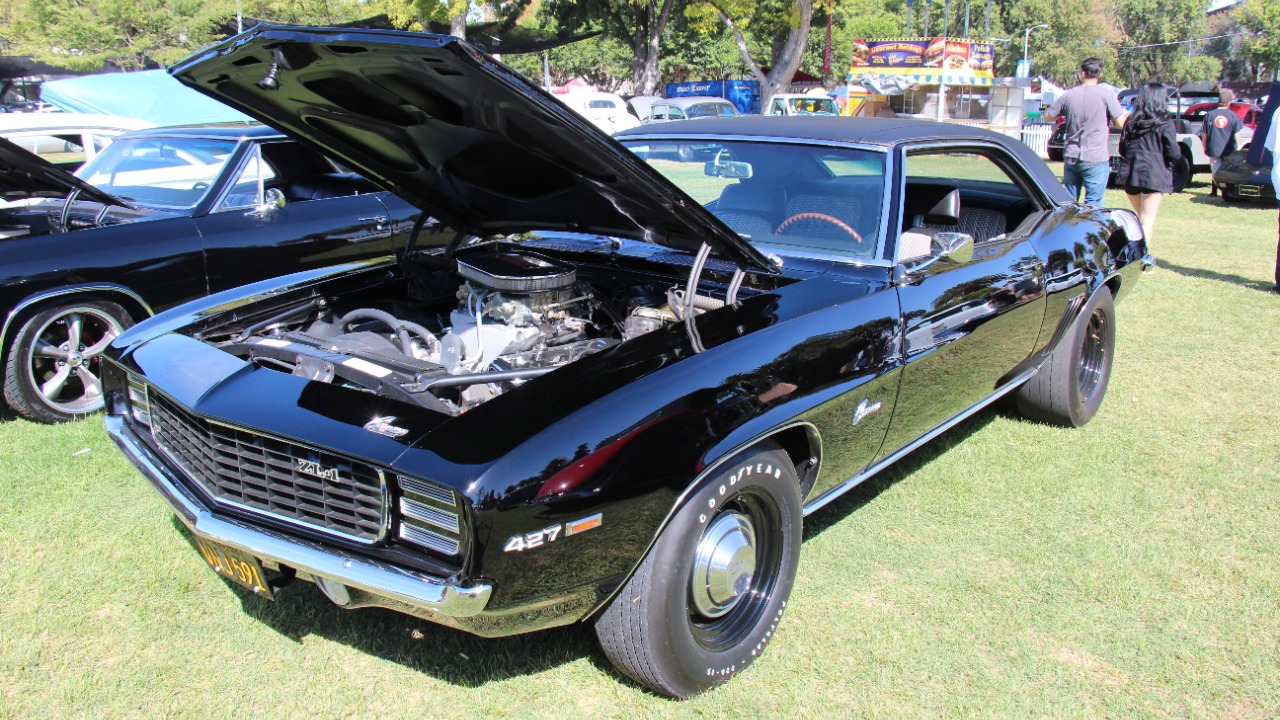
The 1969 Chevrolet Camaro ZL1 is a legendary muscle car, known for its rarity and power. With only a handful of models produced, this iconic vehicle has become a sought-after collector’s item, yet most of these cars have mysteriously disappeared over the decades.
The Birth of the ZL1 Camaro
The ZL1 package was introduced by Chevrolet in 1969, emerging from the engineering department’s desire to create a high-performance variant of the Camaro. The ZL1 was built primarily for racing, which made it a standout in an era dominated by muscle cars. This special package featured an aluminum-block 427 cubic inch V8 engine, a powerplant that was initially developed for the Chevrolet Corvette. The decision to use this engine in the Camaro was a bold move, showcasing Chevrolet’s commitment to performance.
What set the ZL1 apart from other Camaros was not only its powerful engine but also its lightweight construction. The use of aluminum in the engine block reduced the car’s overall weight, allowing for improved speed and handling. Additionally, the ZL1 came equipped with heavy-duty suspension components, a close-ratio four-speed manual transmission, and a variety of performance options that catered to serious racers. The significance of the ZL1 in the muscle car era cannot be understated; it was a symbol of Chevrolet’s engineering prowess and a testament to the growing popularity of high-performance vehicles.
Limited Production Numbers
Only 69 ZL1 models were built in 1969, making it one of the rarest Camaros ever produced. The limited production was a result of several factors, including the high cost of the ZL1 package, which added significant expense compared to standard Camaros. Additionally, the racing focus of the ZL1 meant that Chevrolet did not prioritize mass production, instead opting to create a small number of high-performance vehicles that could compete in racing events. This exclusivity has only added to the model’s allure among collectors and enthusiasts.
To put this into perspective, the total production numbers for the 1969 Camaro exceeded 200,000 units across various models and trims. The ZL1’s production figures pale in comparison to other variants, such as the SS and RS models, which were produced in much larger quantities. This stark contrast highlights the ZL1’s rarity and contributes to its legendary status in automotive history. The impact of these production limitations can be seen in the ZL1’s legacy, as it has become a coveted item among collectors, often fetching astronomical prices at auctions.
Performance and Specifications
The heart of the 1969 Camaro ZL1 is its formidable 427 cubic inch V8 engine, which generates a staggering 430 horsepower and 460 lb-ft of torque. This engine was built for performance, offering impressive acceleration and speed that made it a force on the track. The ZL1 could reach 0 to 60 mph in just over 5 seconds, a remarkable feat for its time. The combination of raw power and lightweight design allowed the ZL1 to dominate in both drag racing and road courses, cementing its reputation as a performance powerhouse.
Beyond the engine, the ZL1 featured performance metrics that were cutting-edge for the late 1960s. It had a top speed that easily exceeded 130 mph, making it one of the fastest production cars of its era. The ZL1’s racing pedigree was further enhanced by its ability to handle tight corners and maintain stability at high speeds, thanks to its specially tuned suspension system. The engineering behind the ZL1 was a precursor to many modern muscle cars, influencing the design and performance standards that would follow in the decades to come.
Disappearance of the ZL1 Models
Despite its storied past, many ZL1 models have disappeared from the automotive landscape over the years. Several factors contributed to their vanishing act, including accidents, neglect, and modifications that rendered the original vehicles unrecognizable. For many owners, the allure of customizing their ZL1s led to alterations that compromised their authenticity. Unfortunately, some of these modifications were done poorly, resulting in the degradation of these rare cars.
Anecdotal evidence suggests that some ZL1s were involved in serious accidents and were either totaled or left to rust in junkyards. Others may have been hidden away in private collections, lost to time as owners passed away or lost interest in their vintage vehicles. Stories abound of ZL1s found in barns or garages, buried under decades of dust and memories. The effect of these incidents on the survival rate of the ZL1 is significant; it’s estimated that fewer than 20 of the original models are still in existence today, making the search for a remaining ZL1 both a challenge and an adventure for collectors.
The Rarity Factor in Collecting
The rarity of the 1969 Camaro ZL1 makes it one of the most collectible muscle cars in history. As the years go by, the value of surviving ZL1s has continued to skyrocket, often fetching prices well into the six-figure range at auctions. Collectors recognize the ZL1 not only for its performance but also for its historical significance in the automotive world. Cars like the ZL1 serve as a tangible connection to a bygone era of American muscle, making them highly sought after by both enthusiasts and investors alike.
Market trends indicate a growing interest in classic muscle cars, particularly those with limited production numbers like the ZL1. Auction houses such as RM Sotheby’s and Barrett-Jackson often feature ZL1s, and their sales records reflect the demand and high prices these cars command. Profiles of collectors reveal a passionate community dedicated to preserving automotive history, with many going to great lengths to track down missing models and restore them to their former glory. The stories behind these cars, combined with their rarity, add layers of value that go beyond mere specifications.
The ZL1’s Cultural Impact
The 1969 Camaro ZL1 has left an indelible mark on pop culture, making appearances in films, television shows, and various media that celebrate the American muscle car heritage. Its sleek design and powerful presence have made it a popular choice for filmmakers looking to evoke a sense of speed and excitement. Movies like “Transformers” have featured the Camaro in various forms, solidifying its status as an icon of American automotive culture.
Nostalgia plays a significant role in the ZL1’s appeal. For many, it represents a time when muscle cars ruled the roads and performance was king. The ZL1 stands as a symbol of freedom and the exhilarating experience of driving a high-performance vehicle. As a result, it continues to resonate with both older generations who remember its heyday and younger enthusiasts who appreciate its historical significance. The cultural impact of the ZL1 will likely endure, inspiring future generations of car lovers.
Where to Find Remaining ZL1 Models
Finding remaining ZL1 models can be a daunting task, but there are several avenues to explore for those passionate about these rare vehicles. Notable classic car shows, auctions, and events often feature ZL1s, providing collectors with opportunities to connect with owners and other enthusiasts. Events like the Muscle Car and Corvette Nationals in Rosemont, Illinois, attract a plethora of classic car aficionados, making it a prime location to spot a ZL1.
For those serious about tracking down a ZL1, resources like online forums, collector groups, and dedicated websites can be invaluable. Websites such as Quora host discussions where collectors share leads and tips on locating rare models. Additionally, verifying authenticity and provenance is crucial; potential buyers should seek documentation, original build sheets, and even contact previous owners when possible. This diligence can help ensure that the ZL1 purchased is a genuine piece of automotive history.
More from Fast Lane Only