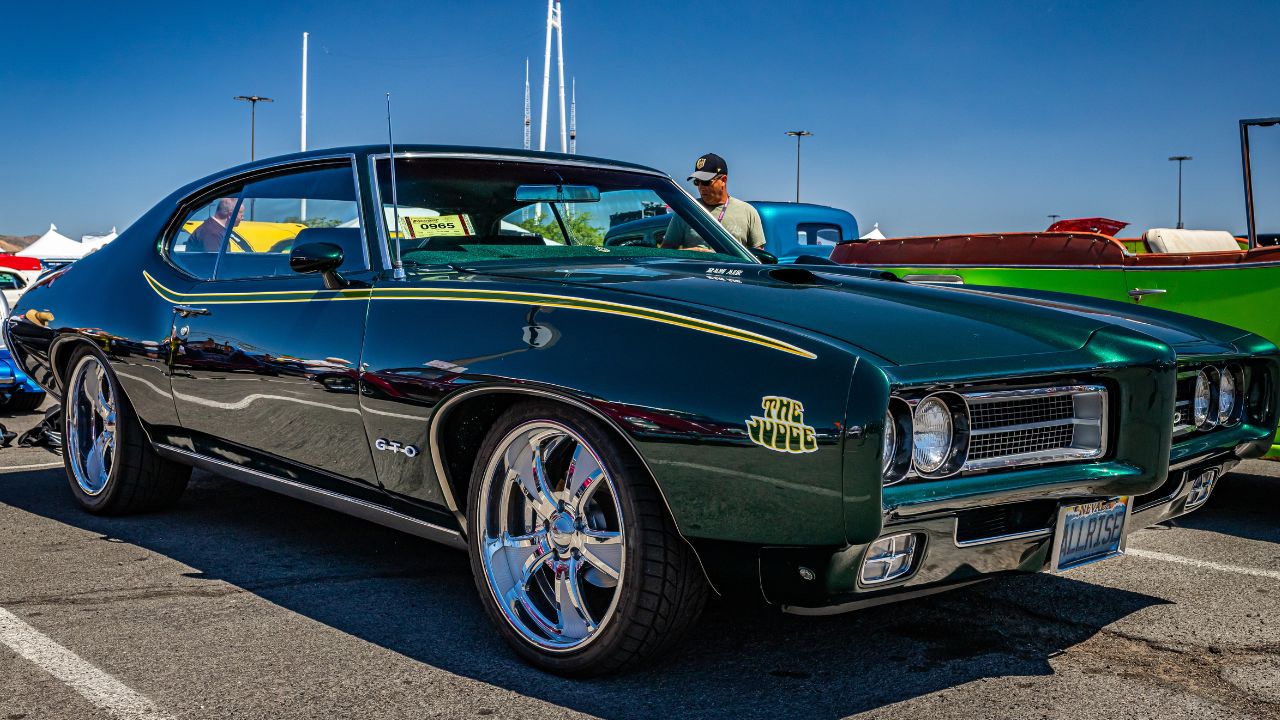
The 1969 Pontiac GTO Judge Ram Air IV is often hailed as a legendary muscle car that redefined performance standards in its era. With its powerful engine and aggressive styling, it not only captured the hearts of enthusiasts but also set a benchmark for factory performance.
The Genesis of the GTO Judge
The Pontiac GTO emerged in the early 1960s as one of the first true muscle cars, blending performance with everyday usability. Originally introduced in 1964, the GTO quickly gained popularity due to its powerful engine options and sporty design. By the time 1969 rolled around, Pontiac recognized the need to keep pace with an increasingly competitive market. This led to the introduction of the GTO Judge variant, aimed primarily at younger buyers looking for an emotional connection to their vehicles.
The Judge package, introduced in mid-1968, was named after the popular television show “Rowan & Martin’s Laugh-In,” where a recurring character would shout “Here Comes the Judge!” This name resonated with the youth culture of the time, and Pontiac marketed the Judge as a more flamboyant, performance-oriented version of the GTO. With its distinctive styling and eye-catching graphics, the Judge quickly became synonymous with the muscle car movement, capturing the spirit of an era that celebrated raw power and individuality.
The Ram Air IV Engine: Power Unleashed
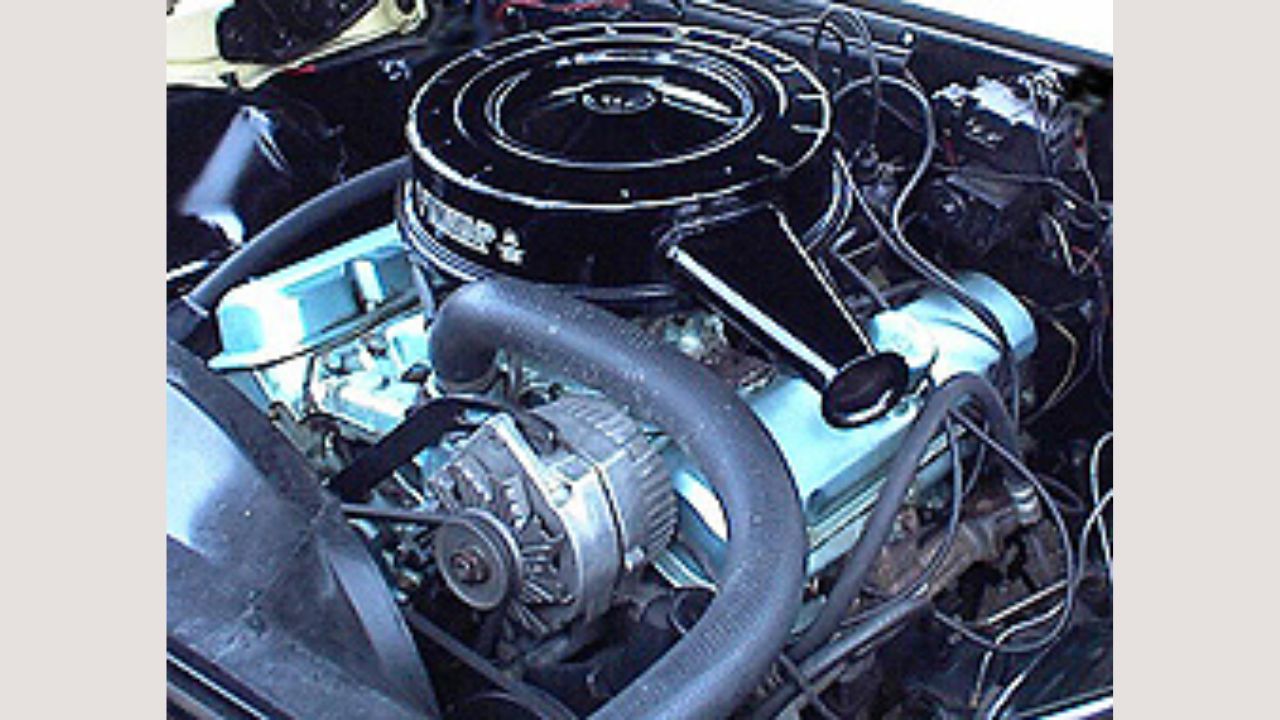
At the heart of the 1969 GTO Judge was the formidable Ram Air IV engine. This 400-cubic-inch V8 engine was equipped with a high-performance camshaft, aluminum intake manifold, and specialized exhaust headers, allowing it to produce an impressive 370 horsepower and 445 lb-ft of torque. These specifications made the Ram Air IV one of the most powerful engines available in a production car at the time, setting it apart from competitors like the Chevy Camaro and Ford Mustang, which offered less power in their top configurations.
One of the standout features of the Ram Air IV was its unique air induction system, which utilized functional hood scoops to direct cooler air into the engine. This not only enhanced performance but also improved throttle response and acceleration. In terms of performance metrics, the Ram Air IV-equipped GTO Judge could sprint from 0 to 60 mph in just over 5 seconds, with a quarter-mile time of around 13.5 seconds, making it a formidable contender on both the street and the drag strip.
Design and Aesthetics
The 1969 GTO Judge was characterized by its bold and aggressive styling, which set it apart from standard GTO models. A prominent front end featured a split grille and a distinctive “Judge” logo on the fender. The car’s muscular stance was enhanced by an optional rear spoiler and wide tires, giving it a track-ready appearance. Pontiac offered a range of vibrant color options, including Carousel Red, which became particularly associated with the Judge brand.
The significance of the “Judge” name extended beyond just the car itself; it was a cultural phenomenon that captured the essence of the late 1960s. The Judge became a symbol of rebellion and youthful exuberance, resonating with a generation eager to express their individuality. From its bold graphics to its signature color choices, the GTO Judge was designed to attract attention and stand out in a crowded marketplace.
Performance Features and Innovations
The 1969 GTO Judge was not just a powerhouse in terms of engine specifications; it also featured a host of performance innovations that contributed to its exceptional driving dynamics. The car came equipped with a heavy-duty suspension system, which included front and rear sway bars and upgraded shock absorbers, providing improved handling and cornering capabilities. Additionally, the Judge offered optional performance upgrades such as power front disc brakes, which enhanced stopping power and overall safety.
Another critical aspect of the GTO Judge’s performance was its weight distribution. The car’s design allowed for a near-perfect balance between the front and rear axles, leading to improved stability and traction. This was particularly important for a muscle car that aimed to deliver exhilarating acceleration while maintaining control during high-speed maneuvers. As a result, the GTO Judge became known for its exceptional handling characteristics, making it a favorite among driving enthusiasts.
The GTO Judge in Popular Culture
The GTO Judge’s impact on popular culture cannot be overstated. Its appearances in films and television shows solidified its status as an iconic muscle car. One notable example is its role in the 1971 film “Two-Lane Blacktop,” where it was showcased as a high-performance vehicle racing against a Chevrolet. Such portrayals helped elevate the GTO Judge to legendary status within the automotive community and beyond.
The Judge also played a significant role in the muscle car culture of the 1960s and 1970s. Car clubs and enthusiasts embraced the Judge as a symbol of freedom and rebellion, often gathering at drag strips and car shows to showcase their prized possessions. Its influence reached far beyond its production years, inspiring subsequent generations of muscle cars and automotive design. Today, the GTO Judge remains a beloved classic, representing a bygone era of raw power and automotive passion.
Racing Heritage and Achievements
The GTO Judge’s performance credentials were further bolstered by its participation in various racing events. The Ram Air IV engine made it a formidable competitor in drag racing, where it consistently achieved impressive times on the strip. Pontiac’s involvement in motorsports not only helped validate the GTO Judge’s performance claims but also created a racing pedigree that enthusiasts continue to celebrate today.
One of the most notable achievements of the Ram Air IV was its success in NHRA drag racing, where it competed against other top muscle cars of the era. The GTO Judge frequently claimed victories, thanks to its powerful engine and well-tuned suspension. This racing heritage not only contributed to the car’s allure among collectors but also established a lasting connection between factory performance and motorsport success.
Collectibility and Legacy
The 1969 Pontiac GTO Judge Ram Air IV remains a highly sought-after collector’s item today. Various factors contribute to its desirability, including its limited production numbers, powerful engine options, and iconic status within the muscle car community. Well-preserved models can command high prices at auctions, with some fetching six-figure sums, reflecting their status as automotive legends.
Current market trends indicate a growing interest in classic muscle cars, particularly those that offer a combination of performance and historical significance. Enthusiasts are drawn to the GTO Judge not only for its impressive specifications but also for its cultural impact. As collectors seek to preserve these iconic vehicles, the GTO Judge’s legacy continues to thrive, ensuring its place in automotive history.
Comparisons with Competitors
When examining the 1969 Pontiac GTO Judge, it’s essential to consider its rivals from the same era. The Ford Mustang and Chevrolet Camaro were two of the most notable competitors, each with its distinct appeal. The Mustang, particularly in its Mach 1 trim, offered sporty styling and a range of engine choices, while the Camaro provided a more aggressive design and performance options that could rival the GTO Judge.
In terms of performance, while the Mustang and Camaro offered competitive engines, the GTO Judge’s Ram Air IV stood out with its superior horsepower and torque figures. The GTO’s unique styling and cultural significance further solidified its position in the muscle car market, pushing Pontiac’s engineering and marketing strategies to new heights. The competition spurred innovation across the industry, leading to advancements that benefitted muscle car enthusiasts everywhere.
The Future of the GTO Judge
The ongoing fascination with classic muscle cars like the GTO Judge is evident in the vibrant community of enthusiasts dedicated to restoring and modifying these legendary vehicles. Many owners are committed to preserving the authenticity of their cars, while others explore modern reinterpretations, blending classic design elements with contemporary performance enhancements.
As automotive technology continues to evolve, there are discussions surrounding the potential revival of the GTO nameplate. With the increasing interest in electric vehicles and sustainable performance, a modern GTO could capture the spirit of the original while embracing advancements in engineering. The enduring legacy of the 1969 Pontiac GTO Judge Ram Air IV ensures that it will always hold a special place in the hearts of car enthusiasts, continuing to inspire passion and admiration in today’s automotive landscape.
More from Fast Lane Only