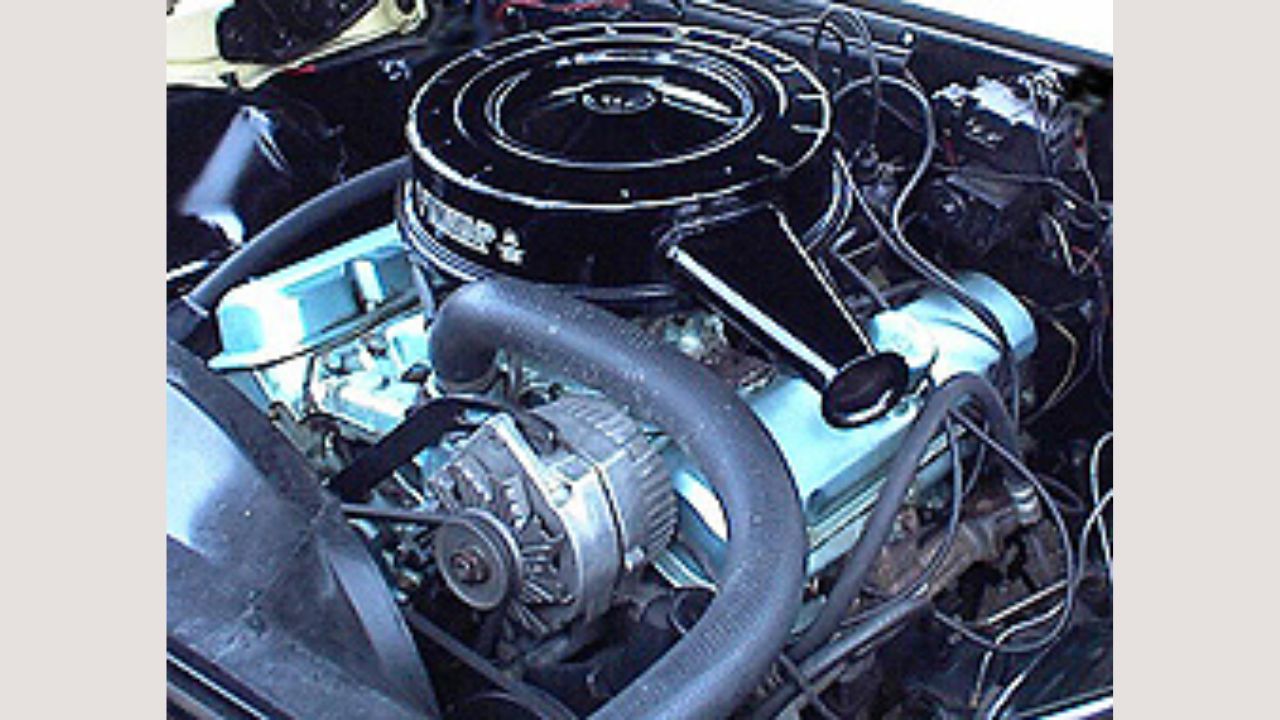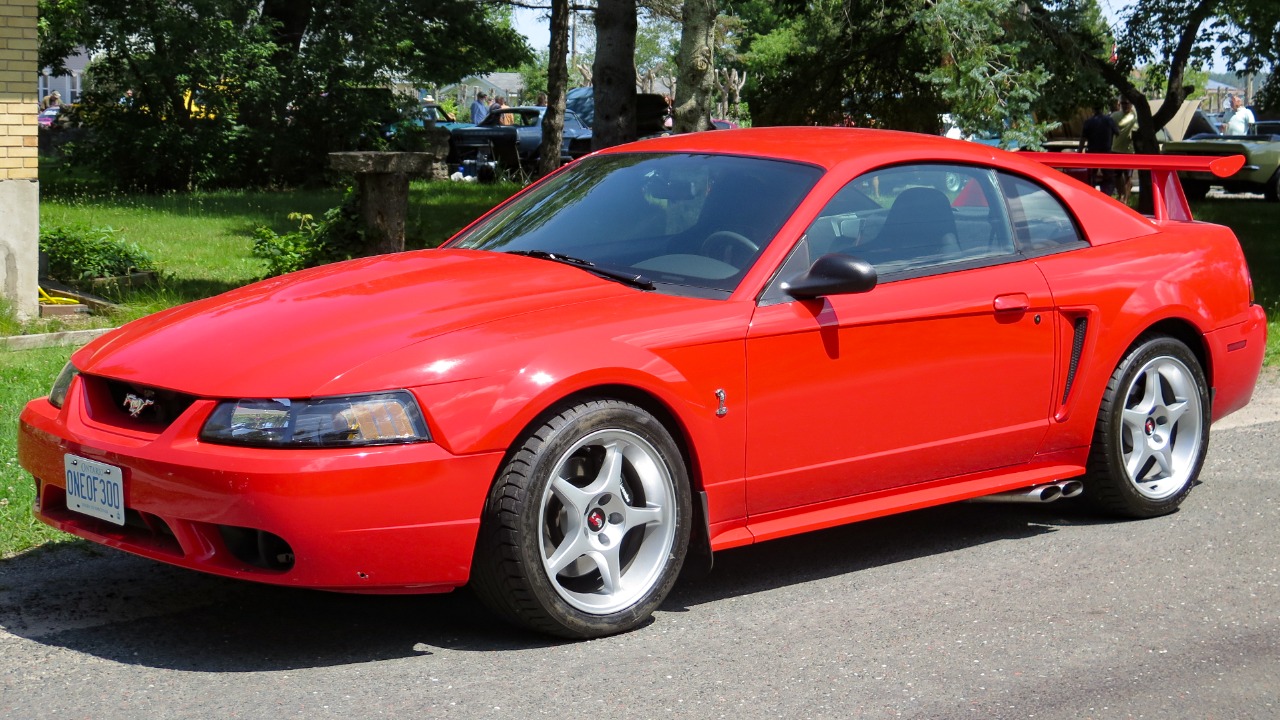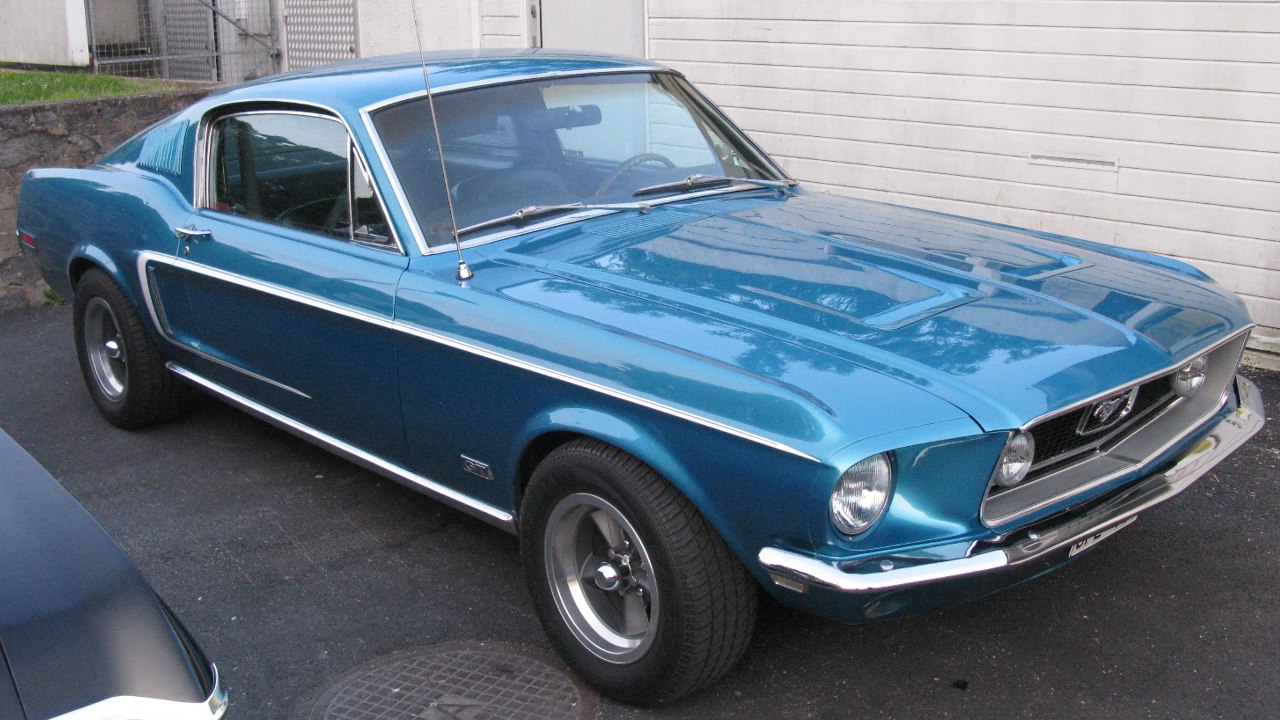
It started the way a lot of modern relationship stories do: with good intentions, a big promise, and a project that felt like it meant more than just money. She says her boyfriend offered to help restore her late dad’s 1967 Mustang, a car that had been sitting for years and carried a lot of family history. He pitched it as a way to “bring it back to life” and give her something tangible to hold onto.
According to her, the plan sounded straightforward—collect parts, pay a local shop for the heavy work, and document the process like a shared hobby. She says she agreed to put money toward it because the Mustang wasn’t just any car in her mind; it was basically a time capsule. “It felt like a love language,” she told friends later, “except with wrenches.”
A classic car, a sentimental promise, and a shared budget
She describes the Mustang as the kind of vehicle people don’t just sell off casually. It had been her dad’s pride and joy, and she grew up with stories about weekend drives and the “one day” plan to restore it. When he died, the car stayed—unfinished, but still important.
She says her boyfriend came in with confidence and a timeline. He talked about sourcing original parts, finding a reputable mechanic, even choosing the right paint code so it stayed true to the era. It was compelling, especially because it didn’t sound like he was trying to take over; it sounded like he wanted to support something that mattered to her.
Money-wise, she says they agreed to set aside a restoration fund and track expenses. It wasn’t formal like a contract, but it was clear enough in her mind: the cash they earmarked for the Mustang would go to, well, the Mustang. She says she transferred funds to him because he volunteered to handle purchases and coordinate with the shop.
The first signs something felt off
At first, the progress updates were upbeat but vague. She says she’d ask, “Any news from the shop?” and he’d say parts were delayed or the mechanic was backed up. That’s not exactly suspicious on its own—anyone who’s ever tried to fix up an old car knows delays are basically part of the package.
But she says the story never quite turned into visible progress. No invoices. No boxes arriving. No photos of parts laid out on a workbench like proud little trophies. When she pressed for details, she says he’d reassure her and pivot to how “expensive this stuff gets,” implying the money was being used, just not in a way that showed up yet.
Friends say she started feeling a weird mix of guilt and doubt. She didn’t want to be the person who didn’t trust her partner, especially over something as romantic-sounding as restoring her dad’s Mustang. At the same time, she couldn’t shake the feeling that the car was turning into a prop in a story, not an actual project.
What she says she found when she looked closer
The turning point, she says, came from something small: a casual conversation about a “great deal” he’d gotten on something unrelated. The numbers didn’t line up with what she thought they had available. That’s when she says she checked her own records more carefully and asked to see the restoration receipts.
She claims that’s when the explanations got messy. Instead of straightforward proof—shop estimates, parts invoices, or even a running spreadsheet—she says she got irritation and defensiveness. He allegedly told her she was “micromanaging” and that she should trust him to handle it.
Then she says she saw where at least some of the money actually went: not to the Mustang, but to personal spending. She describes it as the kind of spending that’s hard to call an accident—payments for entertainment, shopping, and upgrades that didn’t have anything to do with a classic car. “It wasn’t one mistake,” she told one friend. “It was a pattern.”
A fight that wasn’t really about a car
Once the spending came to light, she says the conversation shifted fast. He reportedly insisted he planned to replace the money and that the restoration would still happen. She says he framed it as temporary borrowing, like he’d merely moved funds around.
But she didn’t see it that way, and honestly, a lot of people wouldn’t. The issue wasn’t just the missing cash; it was that he apparently didn’t ask, didn’t disclose, and didn’t show any urgency until she confronted him. The Mustang, she says, felt like it had been used as a reason to access money, not as a project he genuinely respected.
She also says the argument revealed another gap: she was treating the restoration fund like a shared commitment, while he treated it like a flexible pool he controlled. If you’ve ever had a “we’re saving for X” plan with someone, you know how quickly things fall apart when the two of you aren’t actually agreeing on what “saving” means.
Why this kind of situation is more common than people think
Financial therapists and consumer advocates often point out that money problems in relationships rarely start with a dramatic scam. They start with casual shortcuts: “I’ll handle it,” “It’s easier if it’s in my account,” “Don’t worry, I’ve got it.” Most of the time it’s fine—until it’s not.
In this case, the emotional context mattered too. A parent’s car, especially a classic like a 1967 Mustang, isn’t just transportation. It’s memory, identity, and grief all wrapped in chrome and old leather, which means it’s also easier to pressure someone with it, even unintentionally.
And restoration projects are famously slippery. Costs are unpredictable, timelines stretch, and “we just need one more part” can become a lifestyle. That murkiness can make it easier for someone to hide bad behavior behind the normal chaos of a big project.
What she’s doing now, and what friends are telling her
She says she’s stopped sending any more money and is focusing on figuring out exactly how much is missing. Friends are urging her to document everything: transfers, messages, and any statements about what the money was for. Not because every relationship conflict needs to become a legal case, but because clarity matters when finances get tangled.
She’s also considering taking full control of the Mustang plan going forward, whether that means finding a reputable shop herself or pausing the project until she’s ready. People close to her say the goal now is to protect the car’s future and her own peace. One friend put it bluntly: “The Mustang’s not going anywhere. The question is whether he should.”
As for the relationship, she hasn’t shared every detail publicly, but she’s been honest with friends about feeling embarrassed. They keep reminding her that this isn’t about being “naive,” it’s about someone else choosing to be dishonest. Trust is supposed to make life easier, not turn your dad’s legacy into a line item you have to chase down.
The bigger takeaway: transparency beats promises
People who restore classic cars will tell you the same thing they’ll tell you about relationships: the shiny part is the end result, but the real work is in the boring details. Receipts matter. Timelines matter. So does having the awkward conversation before the money leaves your account.
She says she still wants to restore the Mustang, and that part of her is stubborn in the best way. The difference now is she wants the project to be real—measurable progress, clear spending, and no mystery middleman. A classic deserves that, and so does she.
More from Fast Lane Only