It started the way these things always seem to: one annoying beep, then another, then a full-on parking-lot concert nobody asked for. She’d lock her car, walk away, and within minutes the alarm would chirp again—sometimes for a few seconds, sometimes long enough to make neighbors peek through blinds. At first she assumed it was a sensitive sensor or a glitchy key fob.
But the problem didn’t stay cute. Over a couple of days, the car began struggling to start, and one morning it wouldn’t crank at all. That’s when the mystery shifted from “Why is my car screaming?” to “Why is my battery dying overnight?”
An Alarm That Wouldn’t Quit
The alarm seemed to have a mind of its own. It would go off after the car was locked, sometimes even after she’d unlocked it and sat inside. The unpredictability made it hard to pin down—no clear pattern, no obvious trigger like a passing truck or a slammed door nearby.
She tried the quick fixes most people would. New battery in the key fob, a careful double-check that the hood and trunk were latched, even switching where she parked just in case something was bumping the car. Nothing changed, and the alarm kept acting like it was auditioning for a job in home security.
Then the Battery Started Losing the Fight
Once the starting issues began, things got more urgent. A car alarm going off is embarrassing; a car that won’t start is a schedule-wrecker. She jump-started it once, then again, and soon realized the battery wasn’t just “a little low”—it was getting drained.
Battery drains can be sneaky because they often feel random. One day the car starts fine, the next day it’s dead, and you’re left wondering if you imagined the problem. But repeated jump-starts are a big hint that something is staying awake when the car should be sleeping.
Checking the Usual Suspects
Before blaming anything complicated, she ruled out the obvious culprits. Headlights left on, interior dome light stuck, a phone charger glowing all night—those are the classic “oops” causes. Everything looked normal, and nothing in the cabin seemed to be running.
She also gave the battery terminals a look, because loose or corroded connections can mimic bigger problems. A crusty terminal can cause weak starts and weird electrical behavior. In her case, the connections were decent, which was both good news and bad news.
A Simple Test Pointed to a Parasitic Drain
The breakthrough came when she treated it like a detective story instead of a guessing game. A parasitic drain is what happens when something in the car continues drawing power after it’s shut off. Modern vehicles have normal “sleep” draws for memory functions, but they’re small—usually measured in milliamps, not “kills the battery by morning.”
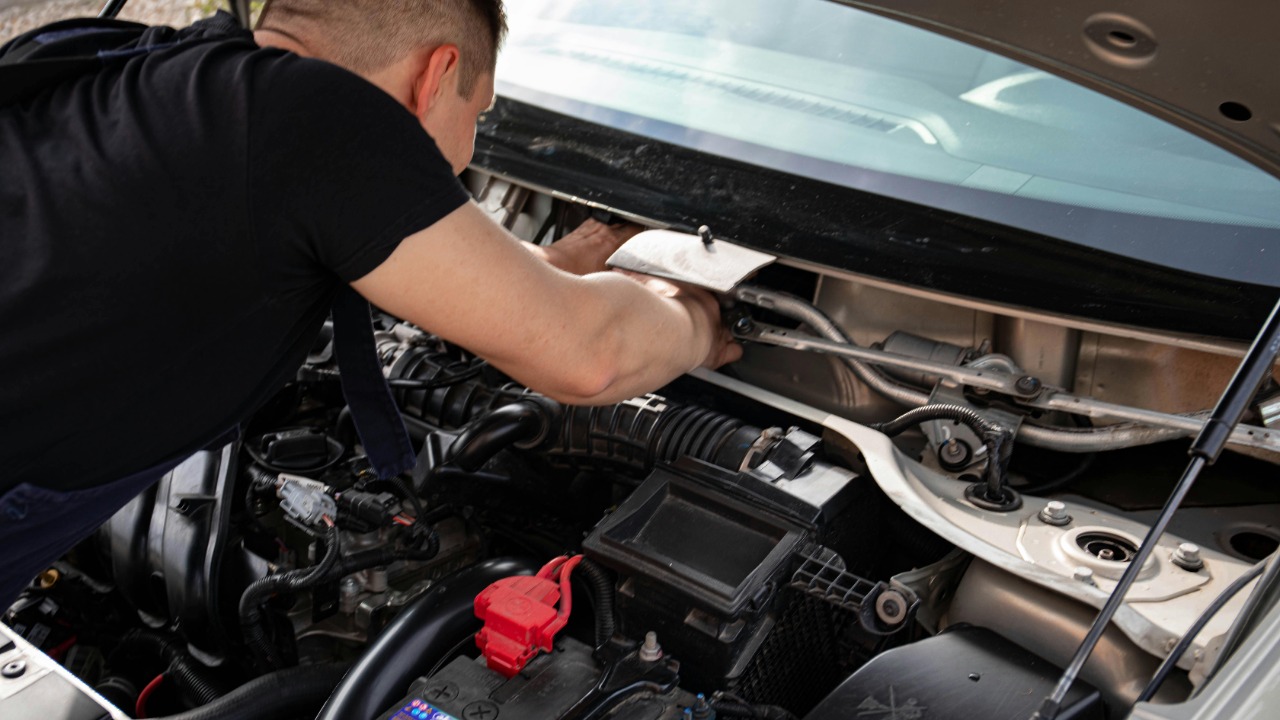
With a basic multimeter test (or a shop’s battery draw test), she found the drain was well above what it should be after the car sat for a bit. That mattered, because many modules stay awake for several minutes after you turn the car off. The key is what happens after that timeout: the draw should drop. Hers didn’t.
The Real Culprit: A Faulty Module That Wouldn’t Power Down
Once the car’s electrical system was clearly not going to sleep, the hunt narrowed to whatever could keep waking it up. That’s where body control modules and alarm-related components come into the picture. These modules manage things like door locks, interior lights, security sensors, and the alarm itself—basically, the stuff that makes a car feel “smart.”
By pulling fuses one at a time and watching the draw change, she pinpointed the circuit that made the drain drop to normal. That circuit led to a module tied into the vehicle’s security and body electronics. In plain terms: the same brain that was responsible for the alarm was also quietly draining the battery when it should’ve been resting.
The module was faulty enough to cause two problems at once. It could trigger the alarm when it misread a sensor state (like thinking a door was opened), and it could keep the car’s network awake—meaning other components stayed on standby, sipping power all night. It’s the automotive version of a computer that won’t go to sleep because one app is stuck in the background.
Why This Happens More Than People Think
Cars today are rolling networks, and modules talk to each other constantly. When one gets confused—because of internal failure, moisture intrusion, software glitches, or a shorted circuit—it can create weird side effects. The driver experiences it as “my alarm is haunted,” but the root cause is usually electrical logic gone sideways.
Battery drains also tend to expose themselves after a stressful event for the electrical system: a dying battery, a jump-start, water getting where it shouldn’t, or even a recent repair where a connector didn’t seat perfectly. None of that guarantees a module failure, but it’s often when the symptoms start showing up.
Fixing It Without Throwing Parts at the Problem
After isolating the problem circuit, the next step was confirming the module was actually the issue and not, say, a door latch sensor feeding it bad information. A good shop will scan for body control codes, check live data from door/hood/trunk sensors, and look for signs the module isn’t entering sleep mode. That confirmation step matters because modules can be expensive, and nobody wants to play “parts roulette.”
In her case, replacing the faulty module (and making sure it was programmed correctly to the vehicle) stopped both the false alarms and the overnight battery drain. The car locked quietly, stayed quiet, and started normally the next morning. It’s amazing how quickly life feels calmer when your car stops shouting at strangers.
What to Watch for If Your Car Is Doing Something Similar
If an alarm keeps going off and the battery keeps dying, those two symptoms often share a cause. Pay attention to whether the battery drains faster after the alarm events, whether the interior lights behave oddly, or whether the locks act inconsistent. Those are clues pointing toward body electronics rather than a simple weak battery.
It also helps to notice timing. If the car starts fine right after driving but is dead after sitting overnight, that’s classic parasitic draw behavior. And if you hear relays clicking, see random warning lights, or notice the infotainment screen waking up on its own, that’s another hint something isn’t going to sleep.
Her story ended with a working car and a renewed appreciation for quiet. It also served as a reminder that “annoying alarm problem” and “dead battery problem” aren’t always separate issues. Sometimes they’re the same problem wearing two different disguises.
More from Fast Lane Only