It started like a normal errand run: park the car, run inside, come back out. Except when she returned, the spot was empty in that very specific way that makes your stomach drop. At first she figured she’d just misremembered where she parked, because who hasn’t done a quick lap around the lot pretending it’s totally fine?
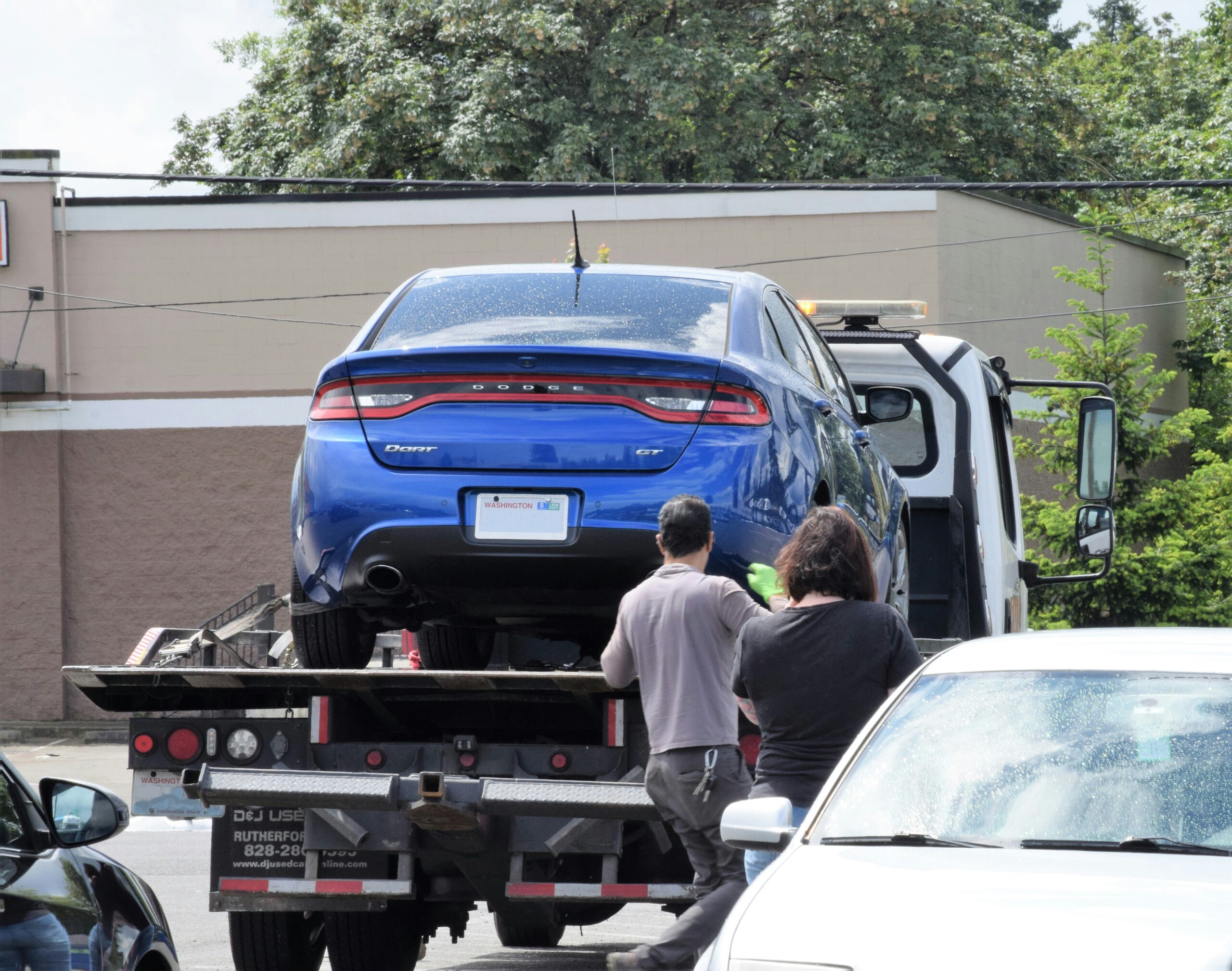
But after a few minutes of scanning every row, she says it became clear her car wasn’t “somewhere else.” It was gone. And according to her, it hadn’t been stolen—it had been towed.
A “Missing Car” Moment That Turned Into a Paperwork Marathon
She says she called the non-emergency line first, just to make sure it wasn’t part of some police action or reported as stolen. The answer she got was both relieving and irritating: the car had been taken by a towing company. Now all she had to do was figure out why.
She says she’d parked legally, paid where she was supposed to pay, and wasn’t blocking anything. Still, the tow record allegedly listed a violation—one she says didn’t match the spot she’d used. That’s when her day shifted from “quick errands” to “full-time customer service side quest.”
Trying to Get a Straight Answer (and Hitting a Wall)
When she reached the towing company, she says the first conversation felt like a script: yes, the car was there; yes, there were fees; yes, she could retrieve it with ID and payment. But when she asked what, exactly, she’d done wrong, she says the details got fuzzy fast.
She says she was told the tow was requested due to a parking violation, and that the company acted on that request. In other words, they didn’t want to debate the reason—just the release process. And the release process, she learned, doesn’t come with a “Oops, our bad” discount.
Receipts, Photos, and the New Hobby Nobody Wants
Like a lot of people, she says she’d saved a digital payment receipt on her phone without thinking it would ever matter. Suddenly it mattered a lot. She pulled it up, took screenshots, and started building a timeline like she was preparing an exhibit for court—because, in a way, she was.
She also went back to the area where she parked and took photos of the signs, the curb markings, and anything else that might show the rules in place that day. That’s when she says she noticed something that made her more convinced she’d been towed by mistake: the signage was confusing, with restrictions that weren’t as clear as you’d hope for something that can cost hundreds of dollars.
The Fees Add Up Faster Than the Answers
By the time she got to the lot, she says the fees were already piling up—tow fee, storage fee, plus the general sense that time was literally money. Many towing lots charge per day (and sometimes by the day, not by the hour), which means waiting for someone to “get back to you” isn’t just annoying. It’s expensive.
She paid to get the car released, she says, because leaving it there while arguing would only inflate the bill. That decision is common in towing disputes, but it stings: you pay first to stop the bleeding, then fight later to get it back. Not exactly the kind of budgeting anyone plans for.
Who Actually Ordered the Tow?
The bigger question, she says, was who authorized the tow in the first place. Tow companies often operate on requests from property managers, businesses, HOAs, or parking enforcement—depending on where the car was. She says she kept being redirected: the lot pointed to the tow company, the tow company pointed to the lot, and everyone seemed to have exactly zero interest in owning the mistake.
Eventually, she says she tracked down the party responsible for parking enforcement at the location. That’s where she started hearing a different kind of language: “We’ll look into it,” “We’ll review the documentation,” and the classic, “Do you have proof?” It’s a little surreal when you’re being asked to prove you didn’t do the thing you’re being accused of.
Days of Follow-Ups, Forwarded Emails, and Repeating the Same Story
She says the dispute process turned into a multi-day loop of phone calls, emails, and forwarding the same screenshots to new people. Each time, she’d re-explain where she parked, what the signs said, what she paid, and when she returned. It’s the kind of situation where you start memorizing your own timeline because you’ve recited it so many times.
At one point, she says she was asked for additional documentation—like proof of the exact stall number or a clearer photo of the sign. That’s tough, because most people don’t take a pre-parking photoshoot unless they’ve already been burned before. She did what she could with what she had, including location data on her phone that supported when she’d been in the area.
What She Says Finally Moved the Needle
According to her, the turning point wasn’t one magic phrase—it was persistence plus paperwork. She kept everything in writing, asked direct questions, and requested copies of whatever tow authorization or violation report existed. The more she asked for records, she says, the more seriously the situation was treated.
She also says she stayed calm, even when the conversations were frustrating. Not because she felt calm, but because she didn’t want anyone dismissing her as “difficult.” It’s unfair that tone can matter as much as facts, but anyone who’s tried to dispute a fee knows how real that is.
The Bigger Issue: Confusing Signs and Fast Tows
Her story is personal, but the underlying issues are pretty common. Towing disputes often come down to unclear signage, inconsistent enforcement, or a rushed call made by someone who thinks a car “doesn’t belong.” And once a tow is in motion, it’s hard to stop, because everyone in the chain has an incentive to keep things moving rather than pause to double-check.
In many places, regulations require certain signs, minimum lettering sizes, or clear disclosure of who to call for disputes. But compliance can be uneven, and the average driver isn’t walking around with a ruler and a legal checklist. Most people just want to park, do their thing, and leave without their day turning into a small-claims case.
What People Can Learn From Her Experience
She says she now takes quick photos of parking signs whenever she’s in an unfamiliar lot, especially if the rules look complicated. It takes five seconds, and it can save a lot of arguing later. She also recommends saving payment confirmations and using a credit card when possible, since it creates a clean record.
Most importantly, she says: pick up the car as soon as you can to stop storage fees, then dispute afterward with documentation. It’s not satisfying, but it’s practical. And if you suspect a mistake, ask for the tow authorization details and keep the conversation in writing—because “someone told me on the phone” tends to vanish the moment you need it.
As for how it feels after days of chasing proof for something she says she did right? She describes it as exhausting, a little absurd, and weirdly motivating—like once you’ve been pulled into the world of towing bureaucracy, you either give up or become an amateur investigator. She chose investigator, even if she would’ve preferred literally any other hobby.
More from Fast Lane Only