The “quick trip to the garage” that wasn’t so quick
It started like a hundred harmless little habits: dinner dishes barely rinsed, a hoodie tossed on the chair, and a spouse who kept “just popping into the garage for a minute.” Except this minute had a way of stretching into half an hour, then an hour, then “don’t worry about it” territory. She said she didn’t mind the tinkering at first—until the pattern got weirdly consistent, like clockwork.
Most nights, she’d hear the side door click, then the soft rattle of tools. Sometimes the garage light would flick on and stay on long after the house had gone quiet. When she asked what was going on, he’d smile, shrug, and say it was “nothing major,” which is usually how major projects begin.
Why the 1972 Chevelle mattered in the first place
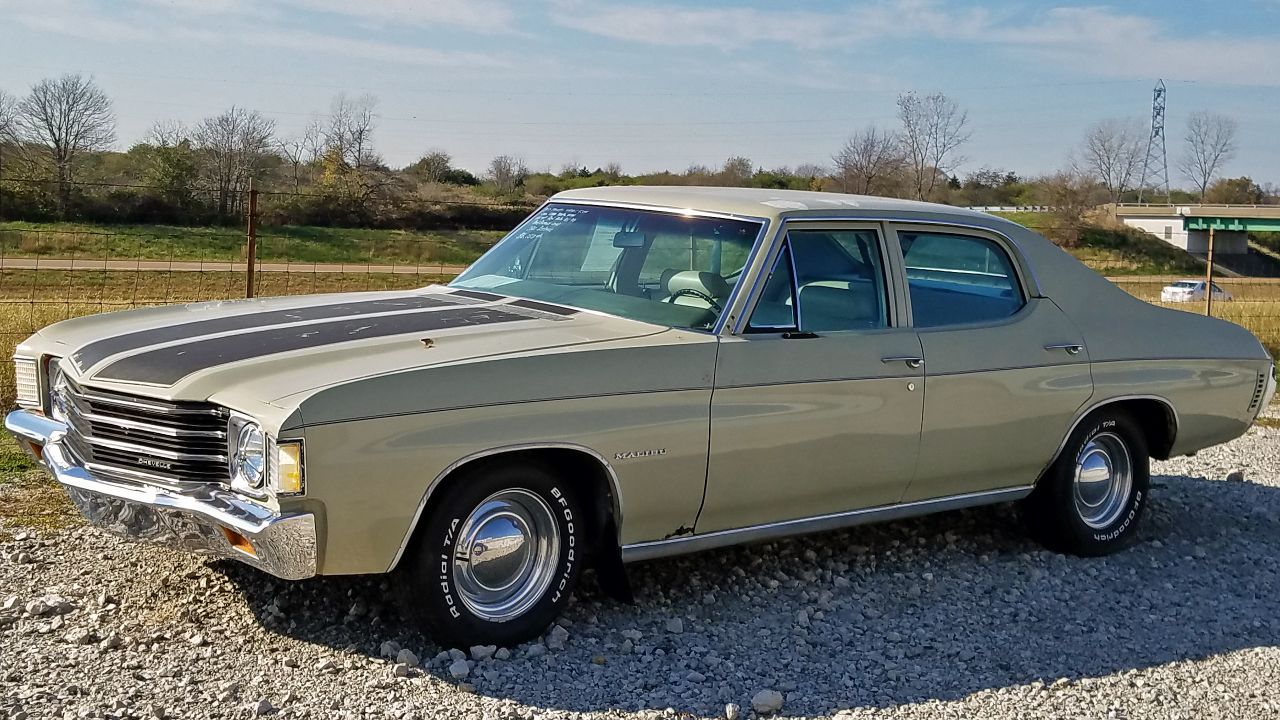
The car wasn’t just an old muscle car taking up space. The 1972 Chevelle had been part of their home life for years—equal parts weekend hobby, family lore, and “we’ll restore it properly someday.” It had that classic long-hood stance, the kind of car that makes even non-car people pause at a stoplight.
She said it was also tied to memories: road trips that turned into impromptu photo ops, Saturday mornings with coffee and car talk, and the occasional neighborhood kid asking if it was “one of those Fast & Furious cars.” (Not exactly, but close enough for a smile.) So when he got cagey about what he was doing with it, her curiosity wasn’t just nosy—it was personal.
The clues piling up: deliveries, receipts, and a suspiciously clean driveway
The first clue wasn’t a sound—it was the packages. Boxes showed up with brand names she didn’t recognize and descriptions that sounded like a different language: gaskets, fittings, braided line, relays. When she asked, he’d casually say they were “just maintenance parts,” while hustling the boxes inside like they were surprise birthday gifts.
Then came the receipts. She noticed a few on the kitchen counter: specialty paint, sandpaper in every grit imaginable, and a charge that looked an awful lot like it belonged to an engine machine shop. The biggest red flag, though, was the driveway: it was suddenly spotless, as if he’d been cleaning up evidence instead of doing a hobby.
The night she finally opened the garage door
She said she didn’t plan it like a stakeout. It was more like one of those moments where you’re walking by, you hear the air compressor kick on, and your brain goes, “Okay, enough.” She opened the door expecting to find a mess—tools everywhere, maybe a half-torn seat or a scattered pile of parts.
Instead, she found the Chevelle sitting under bright work lights like it was on a stage. And it wasn’t in pieces. It looked… finished. Not “washed and waxed” finished—more like “someone has been quietly transforming this thing for months” finished.
What he actually did: a full-blown restomod makeover
The biggest shock was that he hadn’t been doing one project. He’d been doing all of them. The Chevelle had been turned into a modernized classic—what car people call a restomod—keeping the vintage look while upgrading the stuff you don’t see until you drive it.
She said the exterior was still unmistakably 1972, but the details were sharper: a deeper, cleaner paint finish that looked like it belonged under showroom lights, tighter panel alignment, and trim that didn’t have the “I’ve lived a full life” haze anymore. The stance sat just right—confident without looking cartoonish. And the wheels were new, but chosen with enough restraint that it didn’t scream “trying too hard.”
Under the hood: more power, less drama
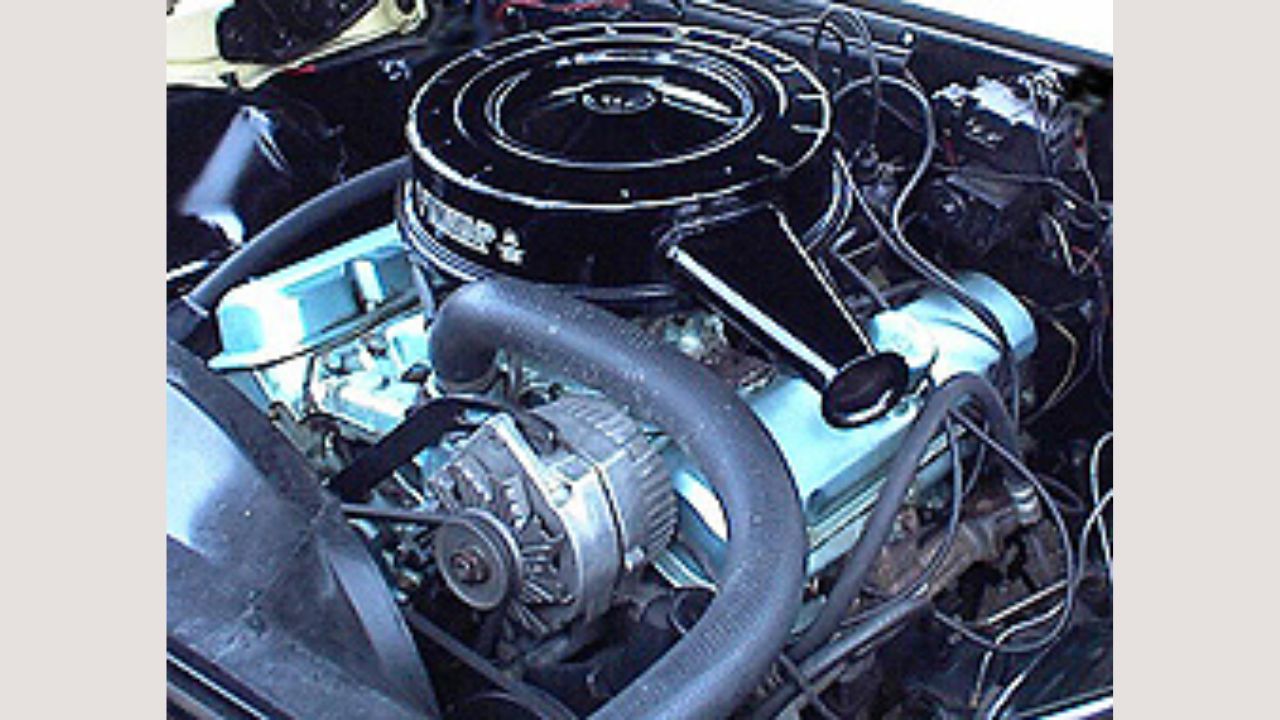
He’d also gone under the hood in a big way. She didn’t rattle off engine codes, but she didn’t have to—she described the sound first: smoother at idle, then a crisp, angry bark when he blipped the throttle. The kind of noise that makes you accidentally grin.
From what she pieced together, he’d rebuilt the engine with reliability in mind, not just raw horsepower. Think upgraded ignition, cleaner fueling, fresh cooling components, and the sort of careful wiring that doesn’t leave you stranded because one brittle connection decided it was done with life. In other words, he wasn’t building a temperamental race car; he was building a Chevelle they could actually drive.
The surprises inside: classic vibes with modern comfort
The interior changes were sneakier but somehow even more emotional. She said the cabin still felt like the car they’d always known—same basic layout, same old-school personality—but it was refreshed everywhere her hands would touch. New upholstery, restored trim, and an upgraded sound system hidden well enough that it didn’t ruin the vintage look.
He’d even tackled the annoying little stuff most people ignore: smoother window operation, better weather sealing, and door shuts that sounded solid instead of rattly. She joked that it was like their Chevelle had gone to a spa and came back with better posture and boundaries.
How he kept it secret (and why he tried)
She said his “disappearing act” wasn’t about sneaking around—he was trying to protect the surprise. He’d been coordinating deliveries to arrive when she wasn’t home, doing loud work earlier in the evening, and saving quiet detailing tasks for later. The extra clean driveway suddenly made sense, too: he didn’t want to leave sanding dust or stray hardware where she’d spot it.
There was also the money question, the one everyone thinks about but nobody loves to ask. She said it wasn’t reckless; it was planned. He’d been saving for a long time, buying parts gradually, and doing as much labor as possible himself, which is basically the only way a project like this doesn’t turn into a second mortgage.
Her reaction: half stunned, half touched, totally curious
She expected to feel annoyed about the secrecy. Instead, she described this weird mix of being impressed and slightly betrayed by how capable he’d been in stealth mode. “I live with you,” she told him, “and you managed to build an entirely different car without me noticing?”
He apparently just laughed and handed her the passenger door handle like it was a microphone. The first drive was the turning point. She said it felt tighter, safer, and more confident—no mystery clunks, no wandering steering, no “is that smell normal?” anxiety at stoplights.
What the garage disappearances really were
In the end, those nightly trips weren’t about avoiding the couch or dodging chores. They were hours of sanding, wiring, adjusting, testing, and redoing something because it wasn’t quite right. The kind of work that doesn’t look like much day-to-day, until you step back and realize it’s become a full transformation.
And now the 1972 Chevelle isn’t just a project “for someday.” It’s ready. She said the funniest part is that he doesn’t disappear into the garage as much anymore—because now, when the garage door opens, it’s usually followed by two sets of footsteps and the sound of a classic car that’s been given a second life.
More from Fast Lane Only