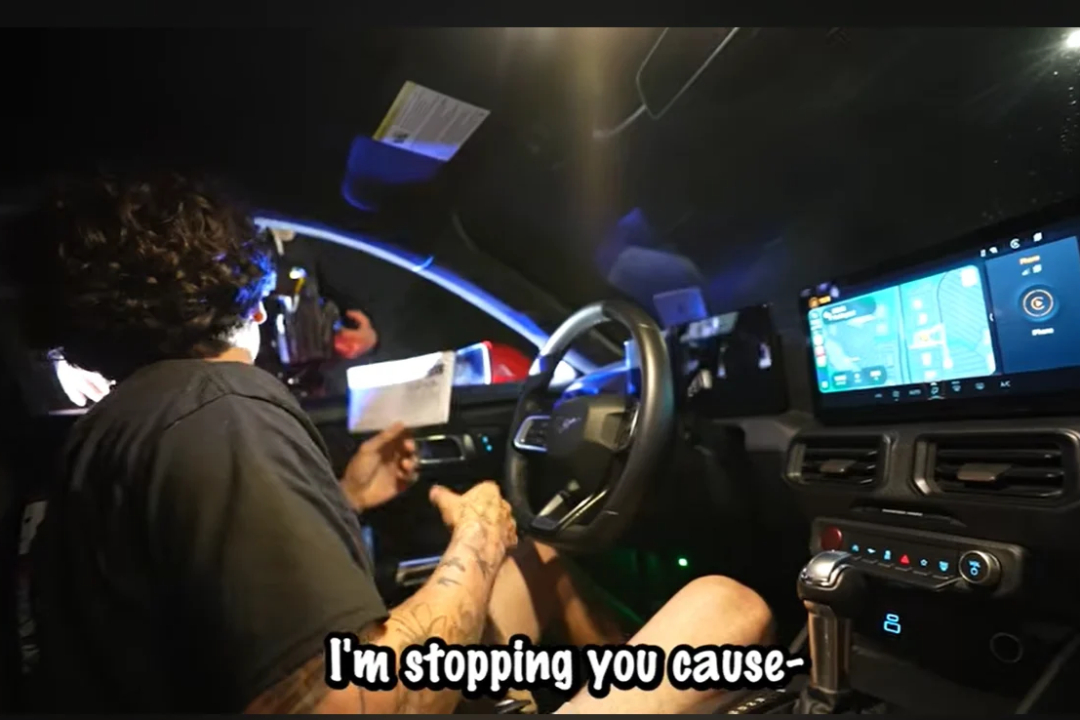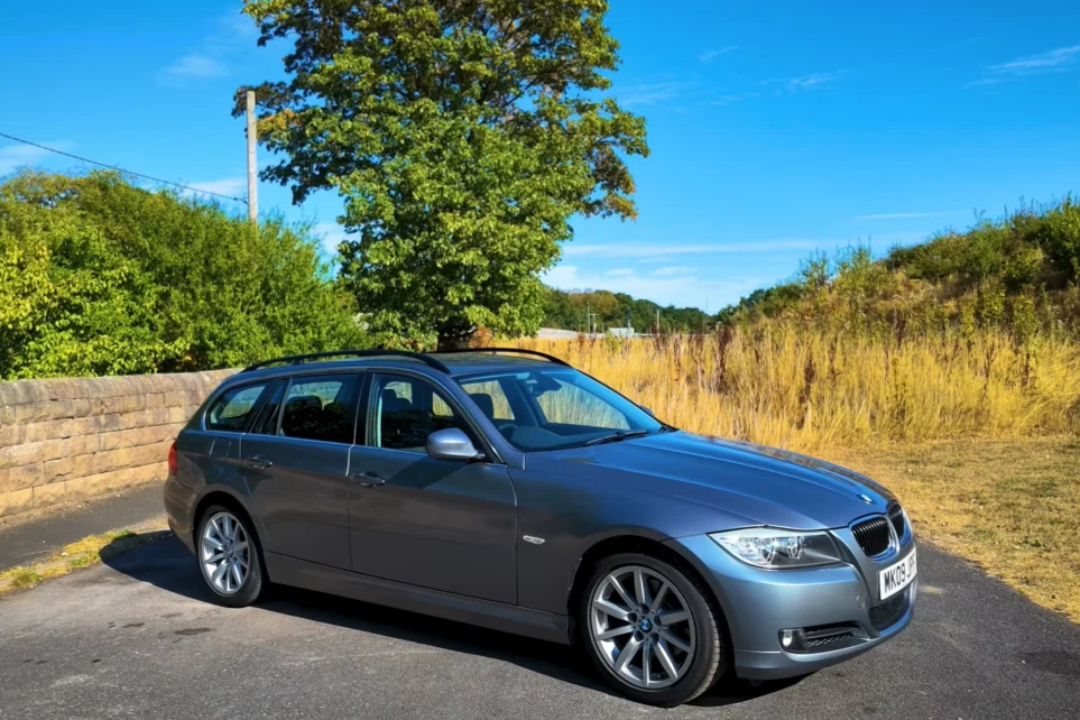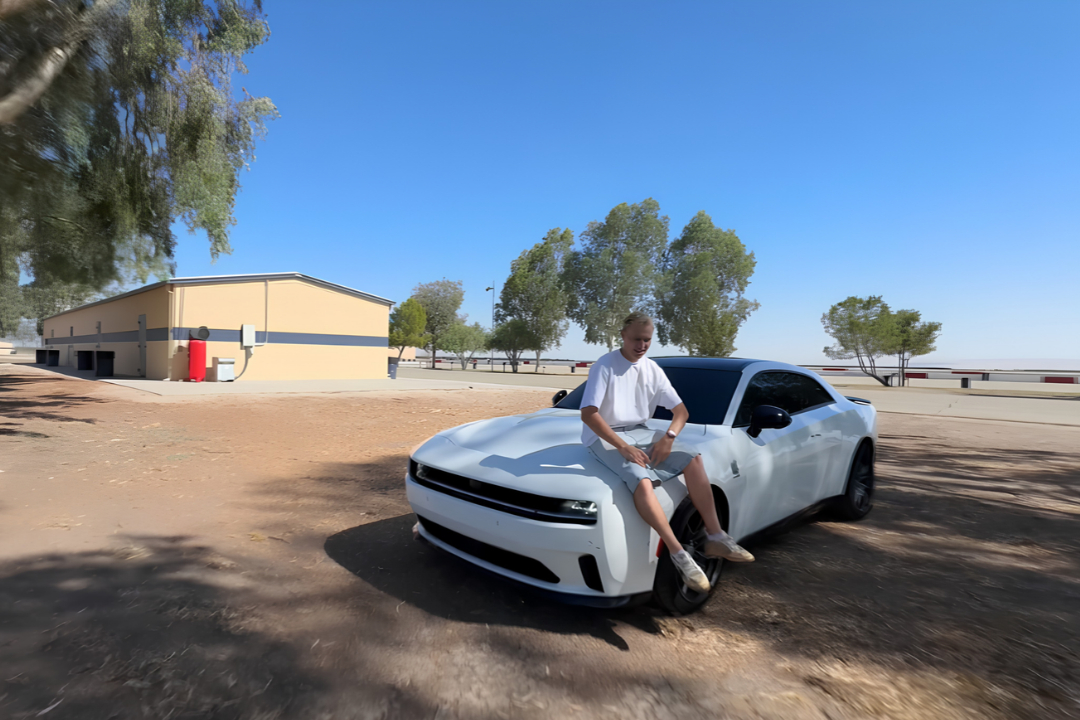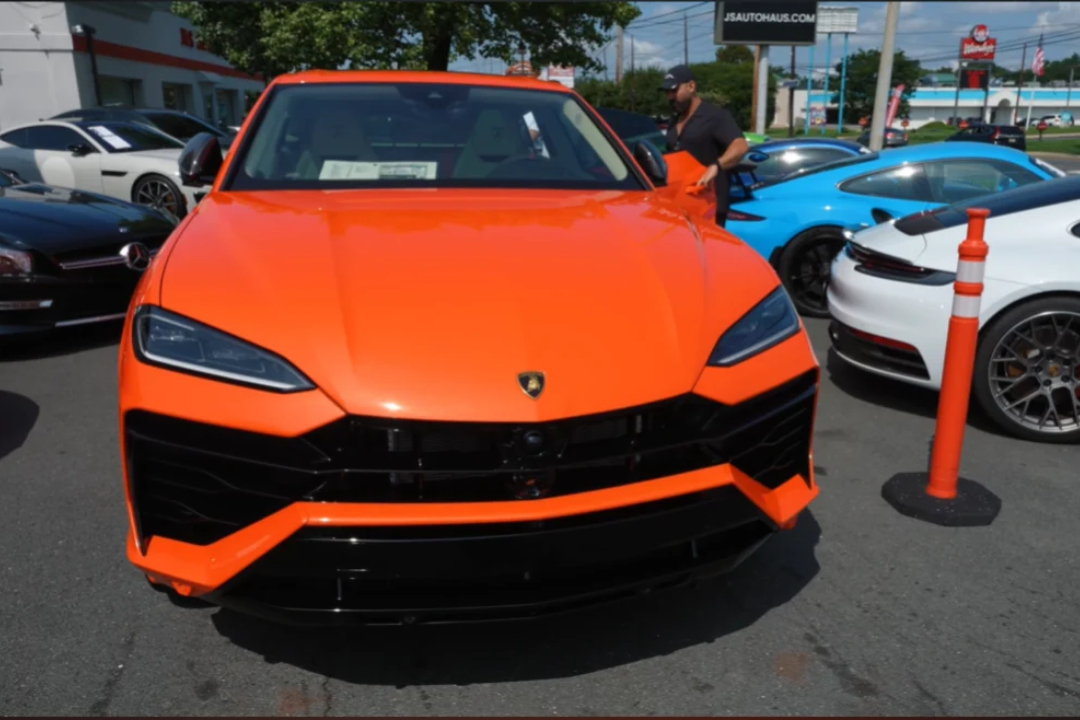
New-car shoppers are paying record prices, yet a surprising number of owners say their latest purchase already feels like a mistake. Instead of delivering more comfort, tech, and reliability for the money, some models are leaving drivers frustrated enough to say they would not buy the same vehicle again. According to recent owner surveys and satisfaction data, a handful of brands and specific models stand out for giving the least perceived value per dollar.
To understand which new vehicles are most likely to disappoint, I looked at broad brand-level satisfaction scores, detailed model rankings, and owner surveys that track regret and willingness to repurchase. Together, they reveal a clear pattern: certain mainstream sedans, big SUVs, and high-profile electrified models are consistently underwhelming the people who paid full price for them.
When a whole brand feels like a bad deal
Before zooming in on individual models, it helps to see which brands are leaving owners cold overall. In recent owner satisfaction ratings, some manufacturers cluster at the top while others lag well behind, and that gap is a strong signal of how much value buyers feel they are getting for their money. In those rankings, Rivian, Genesis, Chrysler, Honda, Chevrolet, and Tesla appear in the “MOST SATISFYING” group, while Volkswagen is singled out as “LEAST SATISFYING,” a stark contrast that suggests many of its customers feel shortchanged after the sale.
That kind of brand-level dissatisfaction usually reflects more than one flaw. Owners tend to weigh reliability, driving experience, comfort, and the ease of living with the infotainment system when they decide whether they would buy the same vehicle again, and a “LEAST SATISFYING” label indicates that Volkswagen is struggling to meet expectations on several of those fronts at once. By comparison, brands like Rivian and Genesis, which sit in the “MOST SATISFYING” tier, are convincing buyers that their premium pricing or newer technology is justified, while Volkswagen’s lineup is more often perceived as costing luxury-adjacent money without delivering a luxury-caliber experience.
Big SUVs with big price tags and modest satisfaction
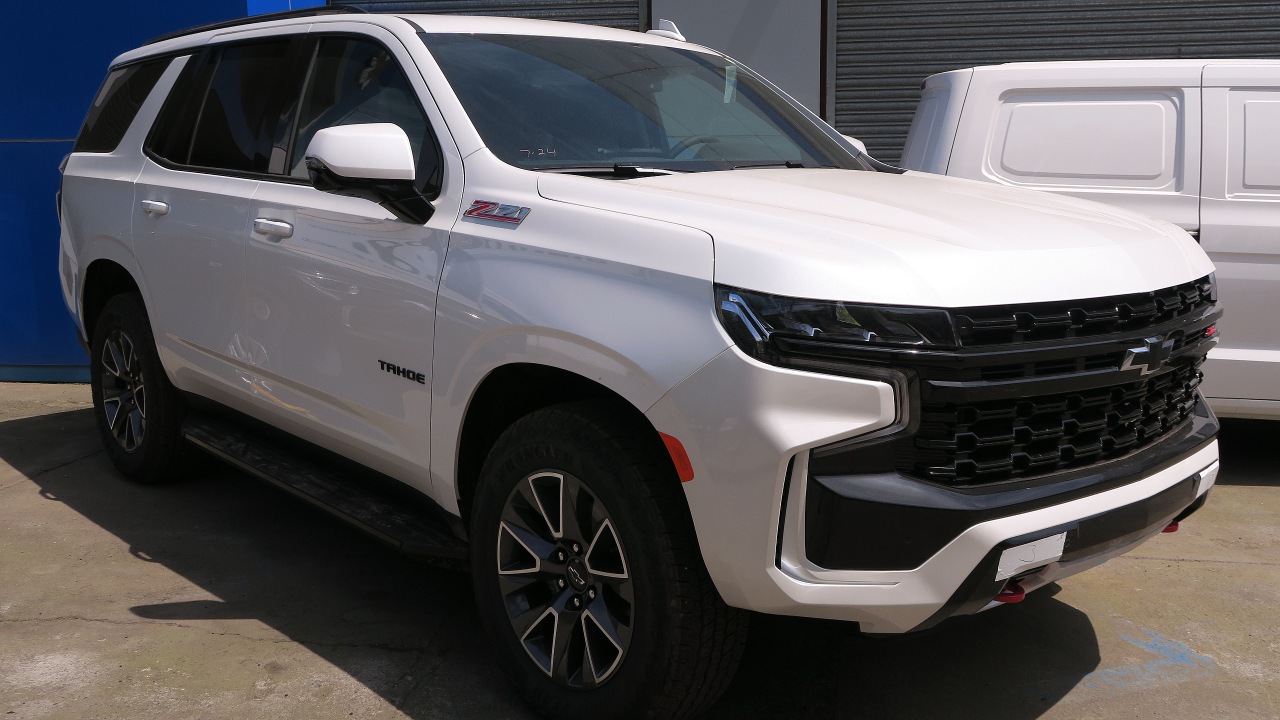
Full-size SUVs are among the most expensive vehicles on the market, so when they disappoint, the sense of wasted money is amplified. One of the clearest examples is the 2024 Chevrolet Tahoe, which received a score of “50/100” in a recent ranking of new vehicles. That “50/100” result is not just a middling grade on paper, it is a sign that owners and testers see the Tahoe as delivering only average performance, comfort, and usability despite its hefty sticker price and fuel costs.
The Tahoe’s position among “These Are Consumer Reports’ Lowest Ranked Cars” underscores how a large, family-oriented SUV can miss the mark on value. Buyers expect a vehicle of this size and price to feel refined, intuitive to operate, and durable over the long haul. Instead, the Tahoe’s low overall score places it alongside other underperformers that owners are less likely to recommend, suggesting that its combination of fuel consumption, driving dynamics, and interior execution does not justify the investment for many households.
Trucks and sedans that owners would not buy again
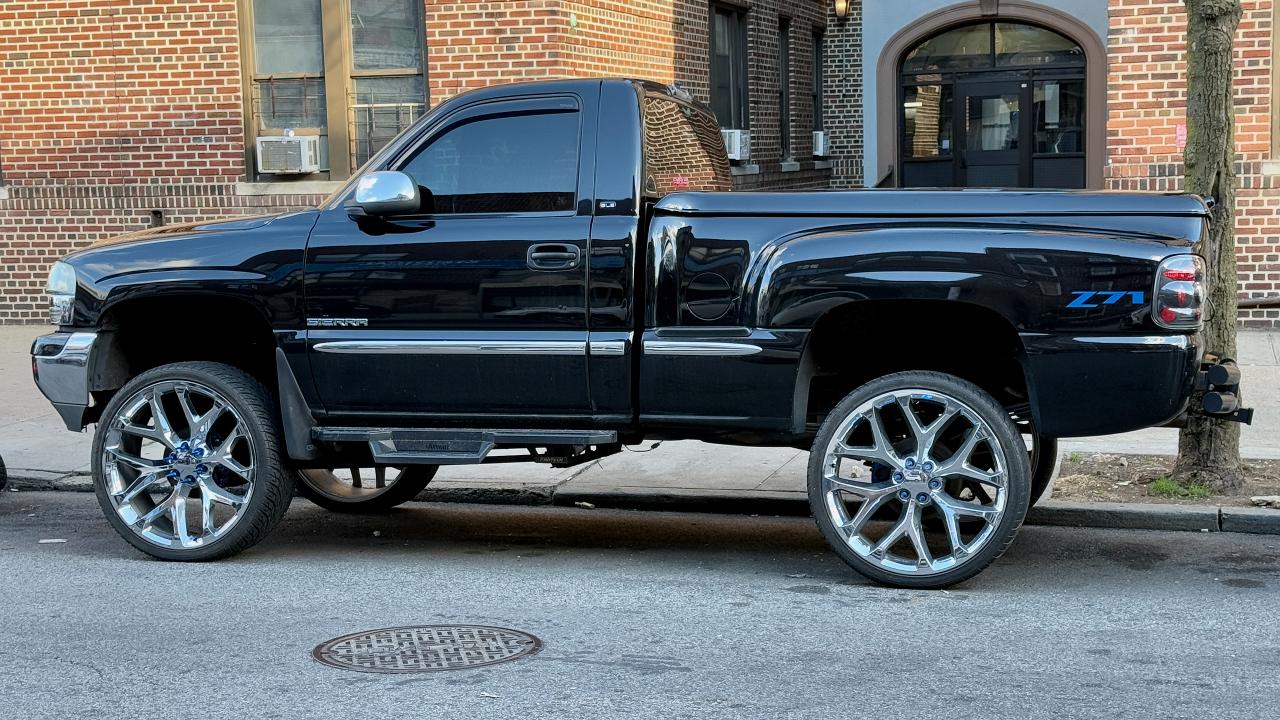
Some of the most striking buyer’s remorse is showing up in segments that are supposed to be safe bets: mainstream pickups and compact sedans. In a list of “Cars To Avoid In 2024, According To Consumer Reports,” the GMC Sierra 1500 Elevation is highlighted as a particular sore spot, with the Sierra 1500 in particular annoying owners. When a high-volume truck like the Sierra 1500 Elevation lands on a “Cars To Avoid In” list, it signals that the model is failing to deliver the durability, comfort, or day-to-day usability that truck buyers expect for the price.
Compact sedans are also drawing regret from owners who thought they were making a sensible, budget-conscious choice. In a breakdown of the “New Car Market: 12 Vehicles People Love the Most and Would Buy Again,” the flip side is a short roster of models that owners say they would not purchase a second time, and the Kia Forte and similar small cars appear in that group. When drivers say they would not buy the Kia Forte and its peers again, they are effectively saying that the lower upfront cost did not compensate for compromises in ride quality, cabin noise, technology, or reliability, leaving them feeling that their money could have been better spent elsewhere.
Electrified models that fall short of their hype
Electric and plug-in hybrid vehicles are often marketed as cutting-edge, premium experiences, but some of the newest models are generating more frustration than loyalty. In a video breakdown titled “MOST HATED Cars That Owners Regret Buying || Owner,” a Consumer Reports survey is cited as revealing several of the worst cars to own, including the Audi Q4 e-tron and Jeep Grand Cherok plug-in hybrid, alongside the Nissan Ultima. The fact that a survey of real-world owners places the Audi Q4 e-tron and Jeep Grand Cherok PHEV in a “MOST HATED” context shows that their advanced powertrains and branding are not enough to offset issues like charging convenience, software glitches, or perceived build quality.
Owner regret around these electrified models is especially telling because many buyers pay a premium to get into an EV or plug-in hybrid, expecting lower running costs and a more modern driving experience. When those expectations collide with reliability concerns, confusing interfaces, or disappointing range, the sense of poor value is sharper than with a conventional car. The same survey that calls out the Audi Q4 e-tron and Jeep Grand Cherok PHEV also includes the Nissan Ultima, a more traditional sedan, which suggests that the problem is not electrification itself but a mismatch between marketing promises and the daily reality of living with these vehicles.
How owner surveys turn frustration into a “do not buy” list
Behind all of these labels, from “LEAST SATISFYING” to “Cars To Avoid In” and “MOST HATED,” is a consistent research method that turns individual complaints into clear patterns. The Consumer Reports survey referenced in the “MOST HATED Cars That Owners Regret Buying || Owner” video, for example, asks thousands of owners whether they would buy the same vehicle again and to rate their satisfaction with key aspects like reliability, comfort, and infotainment. When enough Audi Q4 e-tron, Nissan Ultima, or Jeep Grand Cherok PHEV drivers say they regret their purchase, those models rise to the top of the worst-to-own lists.
Other rankings, such as the brand-level “Owner Satisfaction Ratings: Best and Worst Car Brands” and the model-specific “These Are Consumer Reports’ Lowest Ranked Cars,” use similar survey data combined with road tests and reliability histories to assign scores like “50/100” to vehicles such as the Chevrolet Tahoe. Lists of “Cars To Avoid In 2024, According To Consumer Reports” and breakdowns of which models people say they would not buy again, including the Kia Forte and other compact sedans, draw from the same pool of owner feedback. The result is a consistent picture across multiple sources: when owners feel they are getting the least bang for their buck, they say so clearly, and those signals are now strong enough to steer future buyers away from the most disappointing new models.
More from Fast Lane Only: