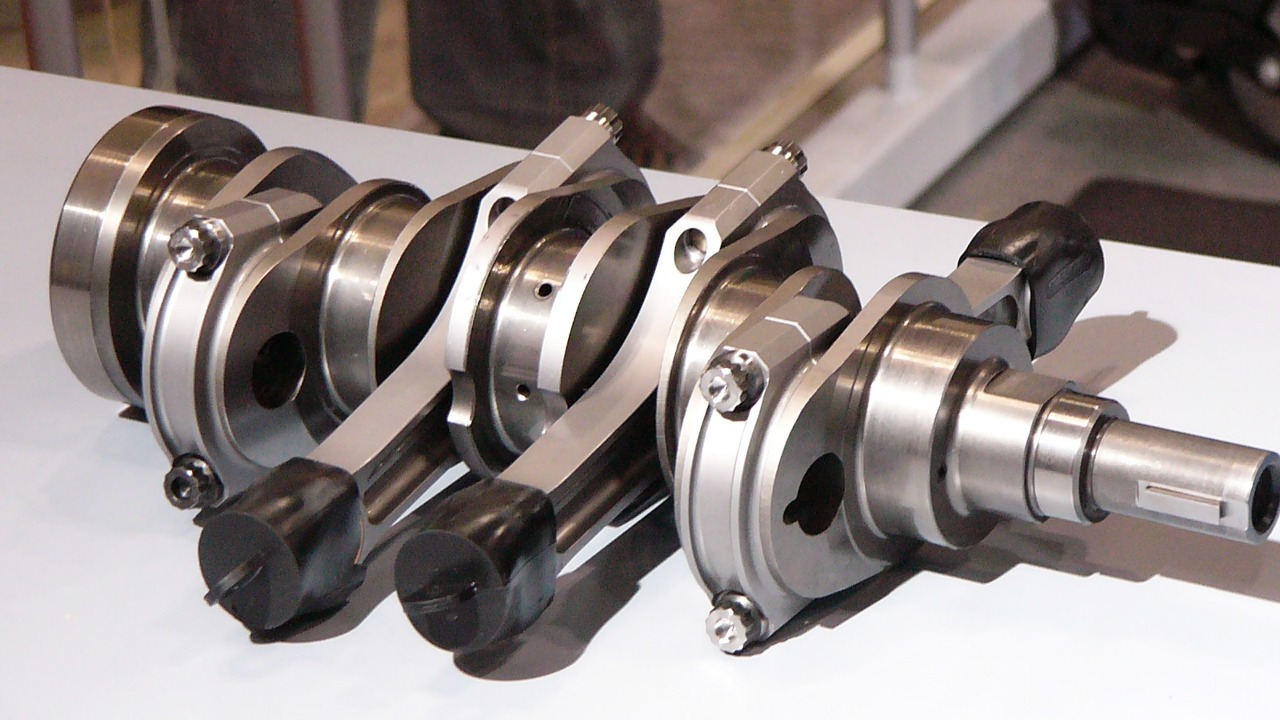
V8 fans often argue about soundtracks and spec sheets, but the character of a V8 starts deep in the block with the crankshaft. Whether an engine uses a cross-plane or flat-plane crank changes the way it sounds, how it delivers power, and even what it feels like through the steering wheel and seat. Understanding those differences turns the noise and vibration into something you can read, not just hear.
At heart, both crank types do the same job, turning the up-and-down motion of eight pistons into rotation. The way the crank pins are arranged, however, reshapes firing order, exhaust pulses, balance, and rev potential, which is why a burbling American muscle car feels so different from a shrieking European supercar even when both have similar displacement.
How cross-plane and flat-plane cranks are actually built
The cleanest way to separate the two designs is to look at the crank itself. A flat-plane crankshaft lines up its big-end journals so that a single straight line can intersect the main bearing and each rod journal, which is why it is described as “flat.” In a V8, that creates a crank that looks like two inline-four cranks joined together, with throws at 180 degrees to each other and pistons moving in pairs up and down. A cross-plane crank, by contrast, staggers its rod journals at 90-degree intervals, so if you looked at the crank from the end, the throws would form a cross shape rather than a straight line.
That geometry drives everything that follows. With the 90-degree layout, a cross-plane V8 needs substantial counterweights to balance the crank and tame secondary vibrations, which adds mass but improves smoothness at typical road speeds. Flat-plane cranks can often run with little or no counterweight because the opposing throws help cancel each other, which keeps the rotating assembly lighter and more responsive. Technical explainers on crank design and enthusiast discussions of V8 layouts both underline this basic structural split.
Why they sound so different from the outside
Once you understand the geometry, the sound starts to make sense. A cross-plane V8 does not fire each cylinder bank at perfectly even intervals, which means the exhaust pulses leaving each manifold are unevenly spaced. That unevenness is exactly what creates the classic off-beat rumble associated with traditional American V8s. Reporting on V8 acoustics notes that this “vibrato” character comes from the crank layout itself, with the cross shape and firing order combining to produce that loping idle and deep-chested roar that many drivers associate with muscle cars.
Flat-plane V8s, by comparison, fire each bank in an even sequence, so the exhaust pulses alternate cleanly from side to side. That even pulse train lets the exhaust flow more efficiently and avoids the quirk where two cylinders on the same bank fire close together and fight for the same exhaust volume. Technical breakdowns of cross-plane quirks and analyses of why flat-plane engines sound different both point to this even firing as the reason flat-plane V8s produce a sharper, higher-pitched wail that many people compare to racing engines.
How the crank changes what you feel from the driver’s seat
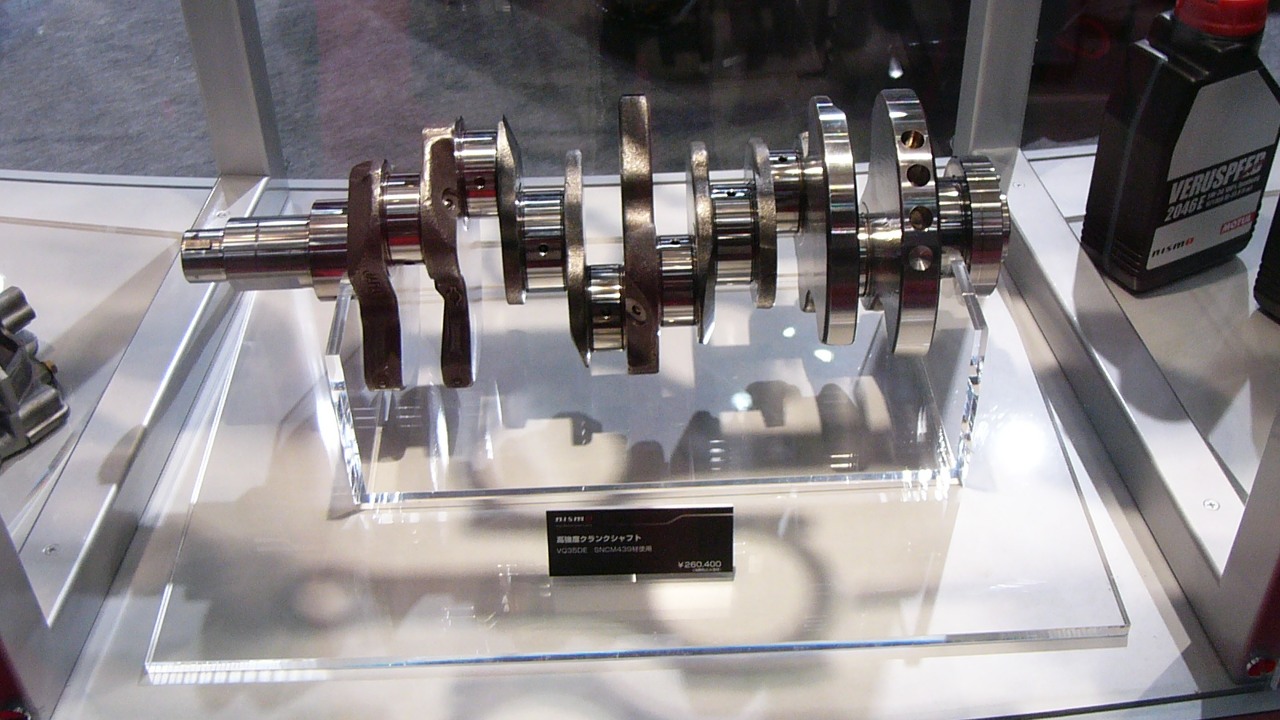
From behind the wheel, the crank choice shows up first in smoothness and vibration. Cross-plane V8s, with their heavy counterweights and 90-degree throws, are inherently better at cancelling out secondary forces, so they tend to run smoother across the rev range. That smoothness is part of why they dominate in trucks, luxury sedans, and traditional muscle cars, where a steady, refined surge of torque matters more than razor-sharp response. Engineering explainers on cross-plane balance highlight how the extra mass buys calmer operation and less intrusive vibration in the cabin.
Flat-plane V8s feel more urgent but also more raw. With less rotating mass and fewer counterweights, they spin up quickly and transmit more of the engine’s character into the chassis. That can mean a buzzier feel at certain engine speeds and more noticeable harshness at idle, which is why flat-plane designs are rarely used in big, comfort-focused vehicles. Technical commentary on flat-plane vibration notes that engineers often have to work harder with engine mounts and NVH tuning to keep those extra sensations from becoming tiring on the street.
Power delivery, torque, and rev potential
The same structural differences also shape how each engine makes power. Cross-plane V8s usually deliver stronger low and midrange torque, helped by their ability to use longer strokes and heavier rotating assemblies without becoming unmanageable. That makes them well suited to applications where pulling power and drivability at modest revs are more important than chasing a sky-high redline. Technical pieces on cross-plane torque point out that this layout is easier to balance for everyday use and can be packaged with bulkier components that favor durability and grunt.
Flat-plane V8s trade some of that low-end shove for revs and responsiveness. With lighter cranks and better breathing from evenly spaced exhaust pulses, they can be tuned to spin much higher than an equivalent cross-plane engine. Technical explainers on flat-plane tuning limits emphasize that this layout offers a higher ceiling for peak power, especially in performance cars where drivers are willing to keep the engine in its upper rev band. At the same time, engineering analyses of flat-plane trade-offs note that these engines typically have less torque available at low rpm and can feel softer off the line unless gearing and displacement are chosen carefully.
Why automakers choose one crank or the other
When a manufacturer commits to a crank layout, it is making a statement about what that engine should be. Cross-plane cranks are easier to package with larger counterweights and bulkier components, which suits bigger displacement V8s and vehicles that prioritize refinement. Technical coverage of cross-plane packaging notes that they take up more space within the engine but reward that compromise with smoother operation and a sound that many buyers expect from a V8. That is why this layout remains common in pickups, full-size SUVs, and grand tourers where comfort and a traditional soundtrack are selling points.
Flat-plane cranks, by contrast, are usually reserved for high performance applications where revs, weight savings, and a distinctive sound matter more than absolute refinement. Engineering-focused pieces on flat-plane crankshafts underline how their lighter design and even firing order make them attractive for track-focused cars, even if that means accepting more vibration and a narrower sweet spot in the rev range. Recent explainers on crankshaft debates stress that neither layout is inherently better; each is a deliberate compromise between sound, feel, and power that reflects what engineers and buyers value most.
More from Fast Lane Only: