U.S. Marshals have arrested an Amazon delivery driver accused of turning a neighborhood street confrontation into a deadly act of road rage, then fleeing as the victim lay dying. The case, which began with a verbal dispute in Allentown and ended with a fugitive takedown in Philadelphia, now raises hard questions about driver conduct, corporate responsibility, and how quickly law enforcement can move when a routine delivery spirals into a homicide investigation.
Investigators say the driver, identified as 30‑year‑old Troy Johnson, was working a delivery route when a clash with a 29‑year‑old man escalated into a fatal hit and run. According to authorities, Johnson is accused of using his vehicle as a weapon during the confrontation, then disappearing into one of the region’s largest cities until Members of the Marshals Eastern Pennsylvania Violent Crimes Fugitive Task Force tracked him down.
From street argument to fatal road rage
According to investigators, the confrontation that set this case in motion began as a verbal dispute on a residential block in Allentown, not as a high‑speed chase on a highway. The victim, a 29‑year‑old man, became involved in an argument with a driver who was in the middle of delivering Amazon packages when tempers flared. Authorities say that during this clash, the driver got back into his vehicle and struck the man, turning what had been a heated exchange into a deadly hit and run on South 4th Street in Allentown. That sequence, described by law enforcement as a road rage incident, is at the core of the homicide charge now facing Johnson, who is accused of fatally hitting the victim with his car during the altercation.
Officials have framed the killing as a deliberate act that followed the argument rather than a simple traffic mishap. In their account, the driver’s decision to reengage with his vehicle, rather than disengage from the dispute, transformed a neighborhood dispute into a crime scene. The victim, who had been on foot, was left mortally injured while the Amazon delivery vehicle left the area, according to the description of the deadly hit and run provided in The Brief and corroborated by local investigators.
The fugitive hunt and Philadelphia arrest
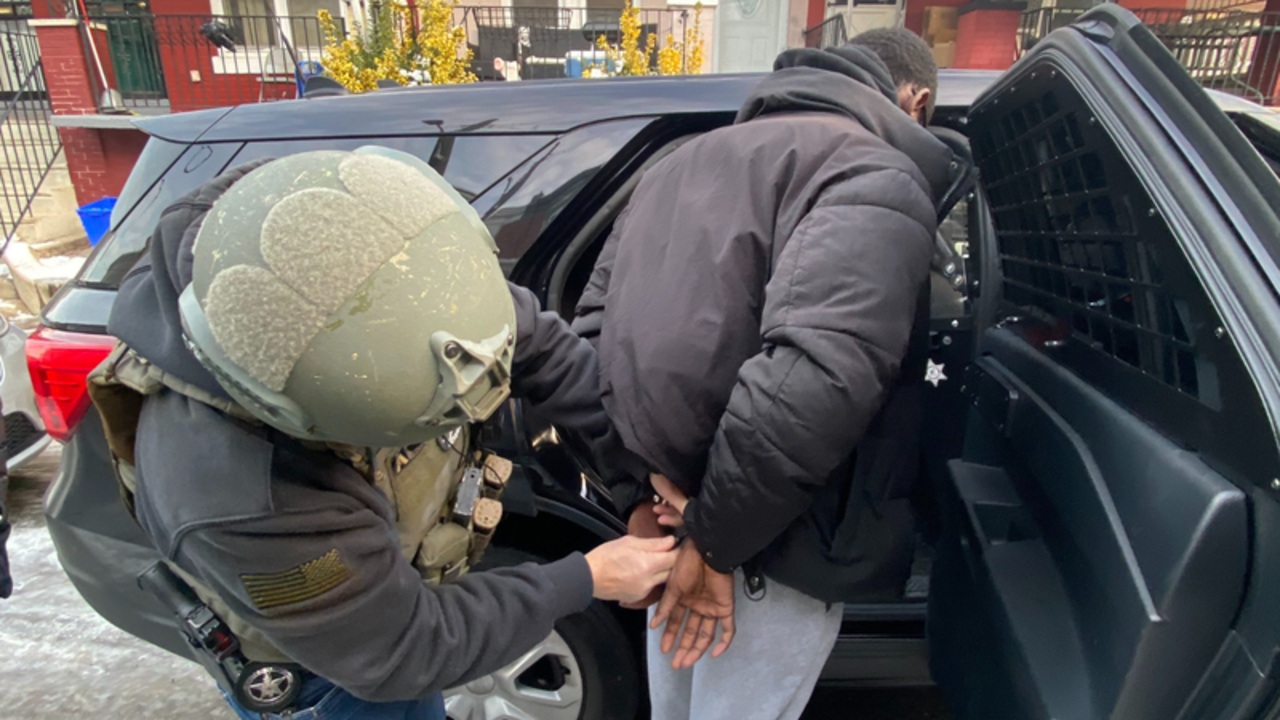
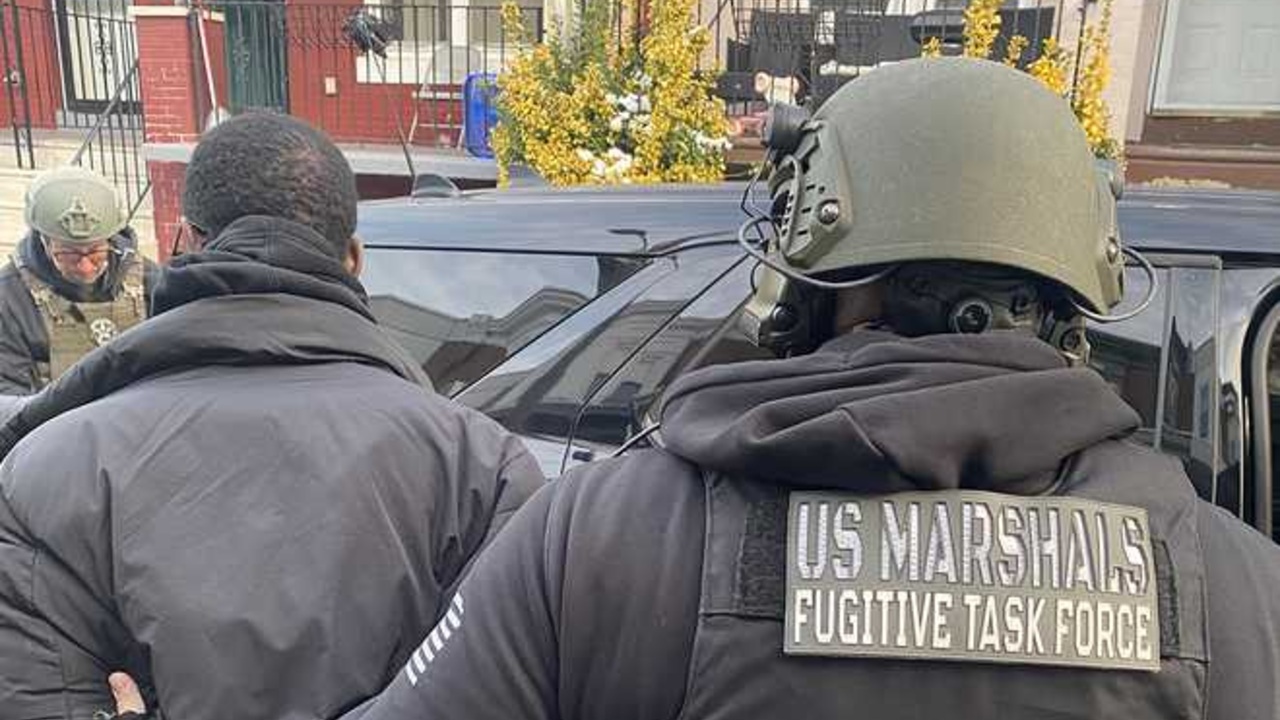
Once Allentown authorities identified Troy Johnson as the suspect, the case shifted from a local homicide investigation to a regional fugitive search. Johnson, described as a 30‑year‑old Amazon delivery driver, was wanted on charges tied to the road rage killing and the fatal hit and run. Rather than surrender, he remained at large until Members of the Marshals Eastern Pennsylvania Violent Crimes Fugitive Task Force took over the hunt. According to federal authorities, the task force located Johnson in Philadelphia and moved in on him during an early morning operation, ending the manhunt with an arrest that unfolded far from the original crime scene in Allentown.
Officials say Investigators executed the arrest around 7:30 a.m., a detail that underscores how carefully planned these fugitive operations tend to be. The Marshals Eastern Pennsylvania Violent Crimes Fugitive Task Force, which specializes in tracking suspects wanted for serious offenses, took Johnson into custody in Philadelphia before turning him over to Lehigh County for processing on the Allentown homicide case. Federal officials later confirmed that the arrest targeted an Amazon driver wanted for a road rage murder, a description that matches the allegations laid out in the U.S. Marshals account and echoed in additional reporting on the Marshals arrest.
What authorities say about motive and responsibility
Law enforcement officials have consistently described the killing as a road rage incident, a term that signals more than a tragic accident. In their telling, the clash on South 4th Street began as a verbal dispute but escalated because of choices made in the heat of the moment, including the alleged decision to use a delivery vehicle as a weapon. While investigators have not publicly detailed every word exchanged between Johnson and the victim, they have been clear that the confrontation was personal and immediate, not a distant collision between strangers. That framing, repeated in multiple accounts of the Allentown case, positions the alleged crime within a broader pattern of roadway confrontations that turn violent.
At the same time, officials have tried to balance that narrative with a reminder that no arrest can undo the loss suffered by the victim’s family. In a statement referenced in coverage of the case, an Agency representative emphasized that, While nothing can undo the harm that was done to the victim and their loved ones, the arrest is meant to deliver a measure of accountability. That sentiment, cited in reporting on how Investigators coordinated with federal partners, reflects a familiar tension in violent crime cases: the justice system can pursue charges and secure custody, but it cannot reverse the moment when a verbal argument on a city street became a fatal encounter, as described in the agency statement and related briefing.
Amazon’s role and the pressures on delivery drivers
The fact that Troy Johnson was delivering Amazon items at the time of the confrontation has inevitably drawn attention to the pressures facing drivers who operate on tight schedules in dense neighborhoods. Reports describe Johnson as a driver who was delivering Amazon packages in Allentown when the road rage incident unfolded, a detail that links the killing to the broader ecosystem of e‑commerce logistics. Drivers for large platforms often navigate crowded streets, strict delivery windows, and constant digital monitoring through apps that track every stop, from suburban cul‑de‑sacs to narrow city blocks like South 4th Street. In that environment, even minor disputes over parking, blocked driveways, or perceived slights can escalate quickly if tempers are already frayed.
There is no indication in the available reporting that Amazon’s policies directly caused the confrontation, and any such claim would be Unverified based on available sources. What the accounts do show is that a driver associated with Amazon is now accused of a road rage murder in Allentown, Pennsylvani, and that the company’s brand is inevitably pulled into the public conversation when a uniformed or contracted driver is charged with a violent crime. Coverage of the case notes that Johnson was working as an Amazon driver at the time of the incident, and that he allegedly struck and killed the victim during a delivery route, as described in local reports and reiterated in the broadcast segment that identified him by name.
Public reaction, media framing, and what comes next
Public reaction to the case has been shaped in part by how quickly the story moved from a local Allentown homicide to a regional manhunt ending in Philadelphia. Early coverage focused on the search for a delivery driver wanted in a deadly hit and run, while later reports highlighted the role of U.S. Marshals in bringing Johnson into custody. One segment described the situation as “a kind of a crazy story,” with Stephanie walking viewers through how, on November 21st, a man by the name of Troy Johnson, who is 30, allegedly turned a delivery stop into a fatal confrontation. That narrative, amplified across television and online outlets, has framed the case as both a shocking act of individual violence and a cautionary tale about road rage in crowded urban corridors.
National attention has also been reinforced by follow‑up pieces that situate the arrest within a broader pattern of violent roadway encounters. A later analysis of Marshals Arrest Amazon Driver in a Philadelphia Road context, written by Shawn Henry and pegged to a Mon morning audience in the PST time zone, underscored how federal task forces are increasingly visible in cases that begin as local disputes but escalate into high‑priority fugitive hunts. Another report on the Allentown, Pennsylvania killing noted the temperature reading of 56 degrees at the time of coverage, a small but telling reminder that these incidents unfold in ordinary conditions, on ordinary days, in places where residents expect routine deliveries, not deadly confrontations. As the case against Troy Johnson moves through Lehigh County’s courts, the central questions will shift from how he was captured to whether prosecutors can prove that a moment of road rage on South 4th Street in Allentown amounted to murder, as alleged in the Pennsylvania case and reflected in the later analysis.
More from Fast Lane Only: