The 1970 AMC Rebel Machine stands out as a unique entry in the American muscle car landscape, blending performance with distinct styling. With a quarter-mile time in the mid-14 seconds range, it provided an exhilarating driving experience in an era dominated by more mainstream muscle cars.
Overview of the AMC Rebel
The AMC Rebel was first introduced in 1967 as a mid-sized car designed to compete with the likes of the Ford Fairlane and Chevrolet Malibu. It quickly established itself as a versatile model within the American Motors Corporation lineup, offering a range of engines and trims to appeal to a broad audience. By the end of the 1960s, the Rebel had become synonymous with both style and performance.
In 1970, AMC decided to unleash a more performance-oriented variant, the Rebel Machine. This model was part of a wider trend during the muscle car era, where manufacturers were looking to capture the attention of younger buyers eager for speed and style. The Rebel Machine was not just another muscle car; it was a statement of intent from AMC, showcasing their engineering capabilities and willingness to compete with the big names in the industry.
Performance Specifications
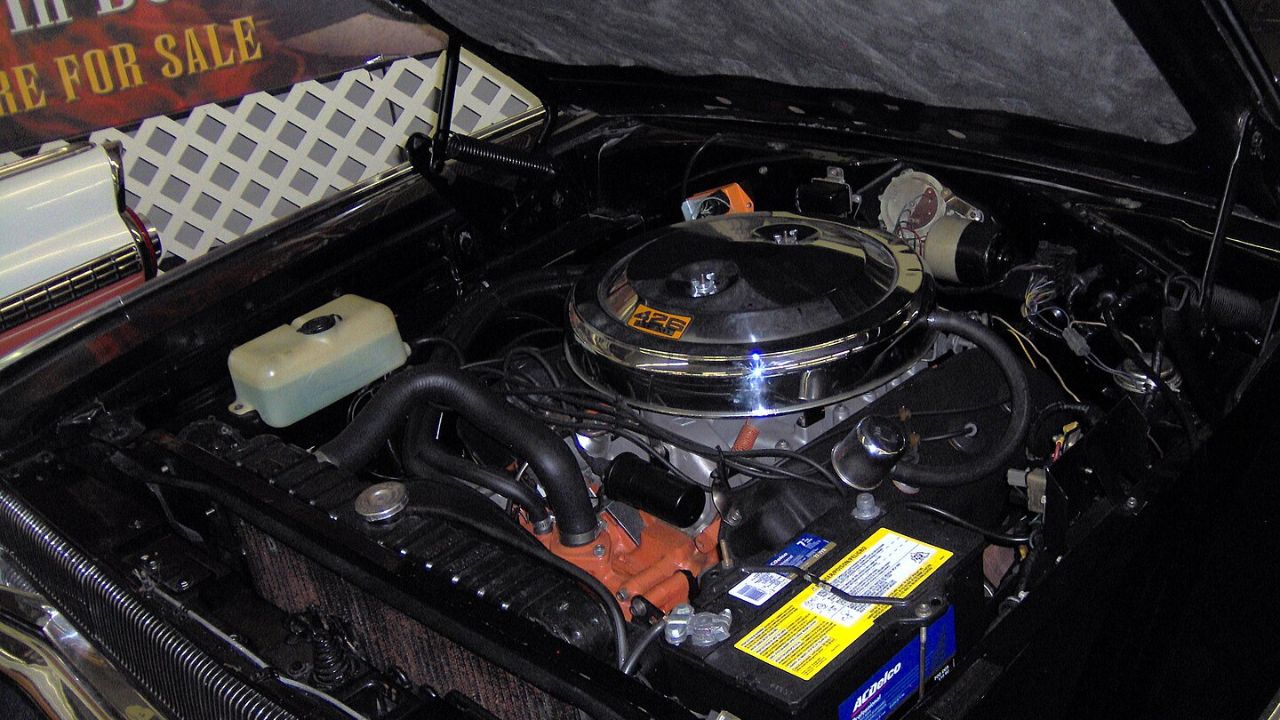
At the heart of the 1970 AMC Rebel Machine was the powerful 390 cubic inch (CID) V8 engine, which was a significant upgrade over the standard engines offered in the Rebel lineup. This engine could produce an impressive 340 horsepower and 430 lb-ft of torque, making it a formidable contender on the drag strip. The design of the engine allowed for a high compression ratio, contributing to its robust performance and exhilarating acceleration.
The Rebel Machine’s performance was further enhanced by its relatively lightweight construction. Weighing in at about 3,500 pounds, the car was able to leverage its power-to-weight ratio effectively, allowing it to accelerate rapidly and reach impressive speeds. Coupled with a three-speed automatic transmission, it provided a driving experience that was both thrilling and accessible to a wide range of drivers.
Quarter-Mile Performance
The quarter-mile run is a benchmark used to measure a car’s acceleration and overall performance, especially in the muscle car community. For the Rebel Machine, achieving a quarter-mile time in the mid-14 seconds range was a notable accomplishment, placing it in direct competition with other muscle cars of the era, such as the Ford Mustang and Chevrolet Camaro. This performance was a testament to AMC’s engineering prowess, particularly considering the company was often overshadowed by its larger competitors.
When comparing the Rebel Machine to its contemporaries, it becomes clear that AMC managed to carve out a niche for itself in the muscle car market. While cars like the Chevrolet Chevelle SS and Plymouth Road Runner were pushing boundaries with their own performance metrics, the Rebel Machine offered a unique blend of power and style that appealed to a different demographic. Its mid-14 second quarter-mile time was competitive enough to attract enthusiasts, yet accessible enough for everyday drivers looking for excitement.
Design and Styling
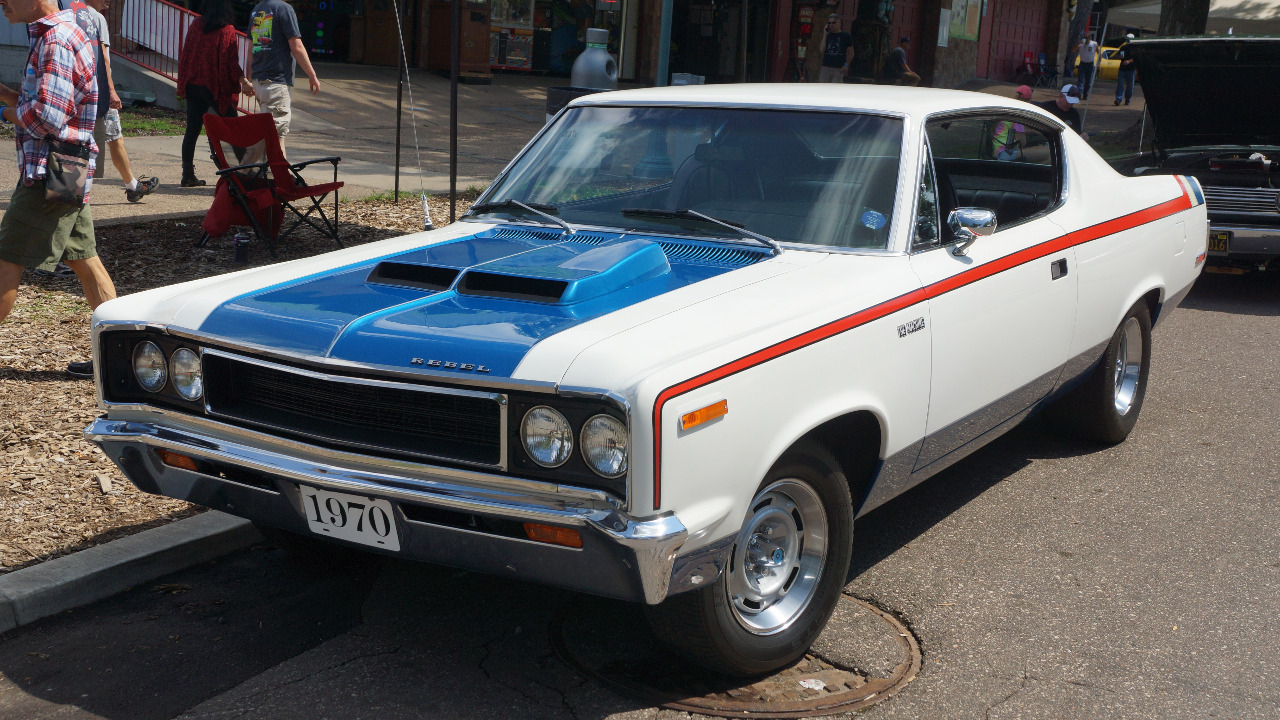
The design of the 1970 AMC Rebel Machine was nothing short of distinctive. It featured bold stripes running down the sides, a functional hood scoop, and a rear spoiler that emphasized its performance capabilities. The front grille was aggressive, giving the car a menacing look that was sure to turn heads on the street. Color options, including the signature “Machine Blue,” allowed buyers to personalize their vehicles and stand out from the crowd.
Engineering Innovations
AMC’s engineering team employed several innovative techniques in the development of the Rebel Machine, particularly in areas like suspension and braking systems. The car featured a performance-tuned suspension that included heavier-duty springs and shock absorbers, allowing for improved handling and stability during high-speed maneuvers. Additionally, the braking system was robust, using disc brakes in the front that provided better stopping power, especially important for a car with such performance potential.
One of the unique features of the Rebel Machine was its use of a Torque Command automatic transmission, which allowed for smoother power delivery and quicker shifts. This engineering decision was crucial in enhancing the driving experience, making the car not just fast but also enjoyable to drive in various conditions. This attention to detail in engineering set AMC apart from other manufacturers, showcasing their commitment to performance without sacrificing comfort.
Market Position and Sales Figures
The target market for the 1970 AMC Rebel Machine was primarily young, performance-oriented drivers who were looking for an affordable muscle car that didn’t compromise on style. Priced competitively against its rivals, the Rebel Machine was an attractive option for those who wanted muscle without spending a fortune. In its first year, AMC produced just over 2,000 units of the Rebel Machine, reflecting both the niche market it targeted and the limited production capabilities of AMC at the time.
Despite its relatively low production numbers, the Rebel Machine left a lasting impact on AMC’s reputation in the muscle car market. It demonstrated that AMC could compete with the likes of Ford and Chevrolet, and it appealed to a demographic that was looking for something different. In hindsight, the Rebel Machine played a significant role in solidifying AMC’s identity as a manufacturer capable of producing performance vehicles that were both unique and desirable.
Legacy and Cultural Impact
Today, the 1970 AMC Rebel Machine is remembered fondly by automotive enthusiasts and collectors alike. Despite being overshadowed by more popular models, its unique styling and performance capabilities have garnered it a dedicated following. The Rebel Machine has appeared in various media, including car shows and classic car events, where it often draws attention for its standout design and performance heritage.
Its influence on later muscle cars is clear, as manufacturers have often looked back at the Rebel Machine as a source of inspiration for blending style and performance. Stories from owners and enthusiasts highlight the car’s ability to evoke nostalgia and admiration, ensuring that its legacy continues to thrive within the automotive community. The Rebel Machine remains a symbol of AMC’s innovative spirit during a vibrant time in American automotive history.
Collectibility and Value Today
As with many classic muscle cars, the collectibility of the 1970 AMC Rebel Machine has increased over the years. Current market values for well-maintained models can range significantly, often reaching upwards of $30,000 for pristine examples. Factors influencing collectibility include the car’s condition, originality, and documentation of its history. As more collectors seek to diversify their muscle car portfolios, the Rebel Machine stands out as an affordable yet significant piece of automotive history.
When compared to other classic muscle cars from the same era, the Rebel Machine often presents a compelling value proposition. Cars like the Ford Mustang and Chevrolet Camaro have seen soaring prices, while the Rebel Machine remains relatively accessible, making it an attractive option for first-time classic car buyers. Resources such as collector forums, online marketplaces, and specialty auctions provide potential buyers with ample opportunities to find their own piece of AMC history.
More from Fast Lane Only