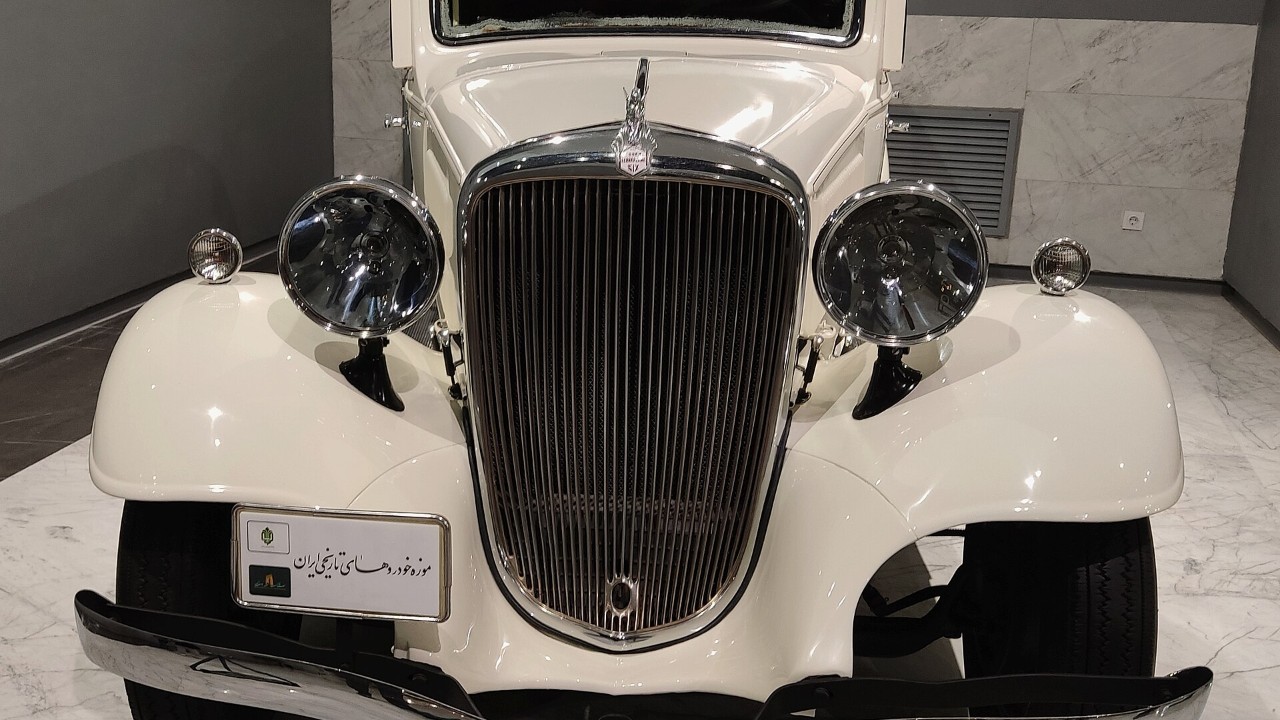
On July 21, 1932, Amelia Earhart stood on a stage beside the Hudson factory in Detroit and christened a brand-new car. That car was the Essex-Terraplane, and the Amelia Earhart Terraplane launch introduced Hudson’s new low-cost car in the depths of the Depression. Only two months earlier, she had flown alone across the Atlantic.
The choice fit. The new car had an aviation name, and Earhart had just made aviation history. More than 2,000 dealers came to Detroit to watch.
Here is what the record shows about that day, the car she launched and how long her link with Hudson lasted. The details come from the Detroit Public Library’s photo archive, the Detroit Historical Society, the Smithsonian and automotive historians.
The flight that made her the star of the show
Earhart arrived in Detroit fresh from a record flight. On May 20 and 21, 1932, she became “the first woman” to fly nonstop and solo across the Atlantic, according to the Smithsonian Institution. She was also only the second person to do it, after Charles Lindbergh.
She took off from Harbor Grace, Newfoundland, and landed near Londonderry, Northern Ireland, about 15 hours later. Then, in August 1932, just weeks after the Hudson event, she flew 2,447 miles nonstop from Los Angeles to Newark. The Smithsonian calls that the first solo nonstop flight across the U.S. by a woman. Her Lockheed Vega 5B has been at the National Air and Space Museum since 1976.
The Amelia Earhart Terraplane christening in Detroit
The Detroit Public Library holds a photo of the moment. Its label reads “Essex-Terraplane launch with Amelia Earhart, 21 Jul 1932.” The library describes Earhart christening the car on a stage next to the Hudson factory, with a crowd behind her. Meanwhile, an announcer speaks into a microphone.
Two Hudson executives stand beside the car in that picture. The library’s record names William J. McAneeny and Roy D. Chapin. The print is an 8-by-10 from the library’s National Automotive History Collection.
According to the Detroit Historical Society, Hudson engaged Earhart to launch the new car. More than 2,000 car dealers came to Detroit from around the country for the event. Afterward, each dealer drove home in a Terraplane demonstrator, which earned the car even more national press.
Accounts differ on exactly what was in the christening bottle, so that detail stays out here. However, the library photo and the historical society agree on who christened the car, and when.
What the Essex-Terraplane was
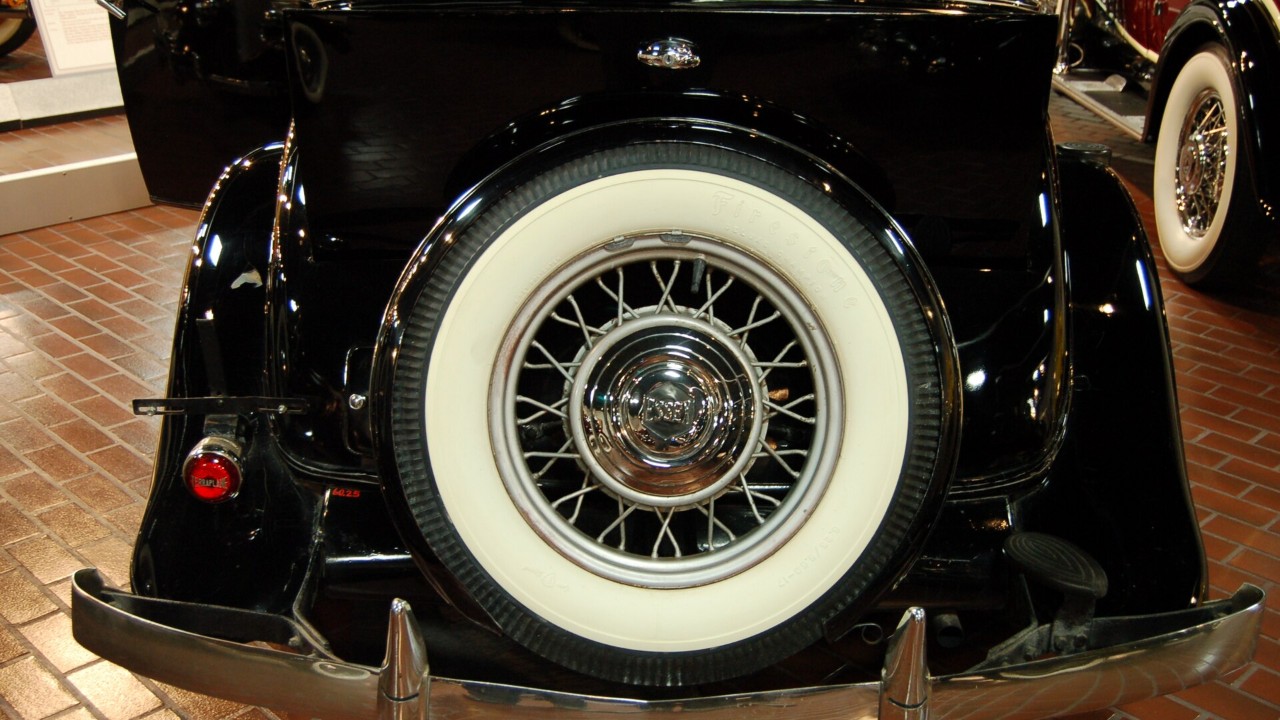
Hudson had sold its lower-priced Essex line since 1919, the Detroit Historical Society says. For 1932, in the middle of the Great Depression, Hudson redesigned the Essex and named it the Essex-Terraplane. The new car used a shorter wheelbase and a narrower track to cut the cost of raw materials. Its streamlined body also played up the aircraft flavor of the name.
Clearly, the name was a nod to flying. In fact, Mac’s Motor City Garage quotes a Terraplane slogan: “On the sea that’s aquaplaning, in the air that’s aeroplaning.” Earhart was not Hudson’s only aviation star, either. The Detroit Historical Society says the company presented a ceremonial car to Orville Wright.
As for the hardware, for 1933, Mac’s Motor City Garage reports, buyers could choose a 193-cubic-inch six with 70 horsepower or a 243.9-cubic-inch straight-eight with 94 horsepower. Prices ran from $425 to $745, which put the car between Ford and Chevrolet. Curb weights ranged from about 2,400 to 2,700 pounds, depending on body style.
How long the Hudson link lasted
The Detroit launch was not a one-day deal. Mac’s Motor City Garage says Hudson chose Earhart as the celebrity spokesperson for the new brand in 1932. The tie appears to have lasted roughly the life of the Terraplane, through 1937.
Photos also back that up. Earhart posed with a 1933 Terraplane 8 convertible and, later, with a 1936 Terraplane Custom Six coupe, according to the same source. The record does not show that she owned a Terraplane, though. Instead, the photos show her in her role as Hudson’s spokesperson.
The Detroit Historical Society also cites an Oakland Tribune report on what she liked about the car. According to that report, Earhart valued its high power-to-weight ratio and its steady handling at speed.
What became of the Terraplane
The car she christened sold well. The Detroit Historical Society says the Terraplane later made up as much as 75 percent of Hudson’s sales. Hudson dropped the Essex name for 1934, Mac’s Motor City Garage reports, and badged the cars simply as Terraplanes through 1938.
The name lived on in music, too. In 1936, Robert Johnson recorded “Terraplane Blues,” and other musicians later covered it, the historical society notes.
Earhart’s flying ended five years after the launch. She and navigator Fred Noonan went missing near Howland Island on July 2, 1937, Mac’s Motor City Garage recounts. Still, the launch photo survives. The Detroit Public Library keeps the 8-by-10 print in its National Automotive History Collection, under the label “Essex-Terraplane launch with Amelia Earhart, 21 Jul 1932.”
More from Fast Lane Only
- Unboxing the WWII Jeep in a Crate
- 15 rare Chevys collectors are quietly buying
- 10 underrated V8s still worth hunting down
- Police notice this before you even roll window down
This article was created with the help of AI and was reviewed and edited by Fast Lane Only editors before publication.