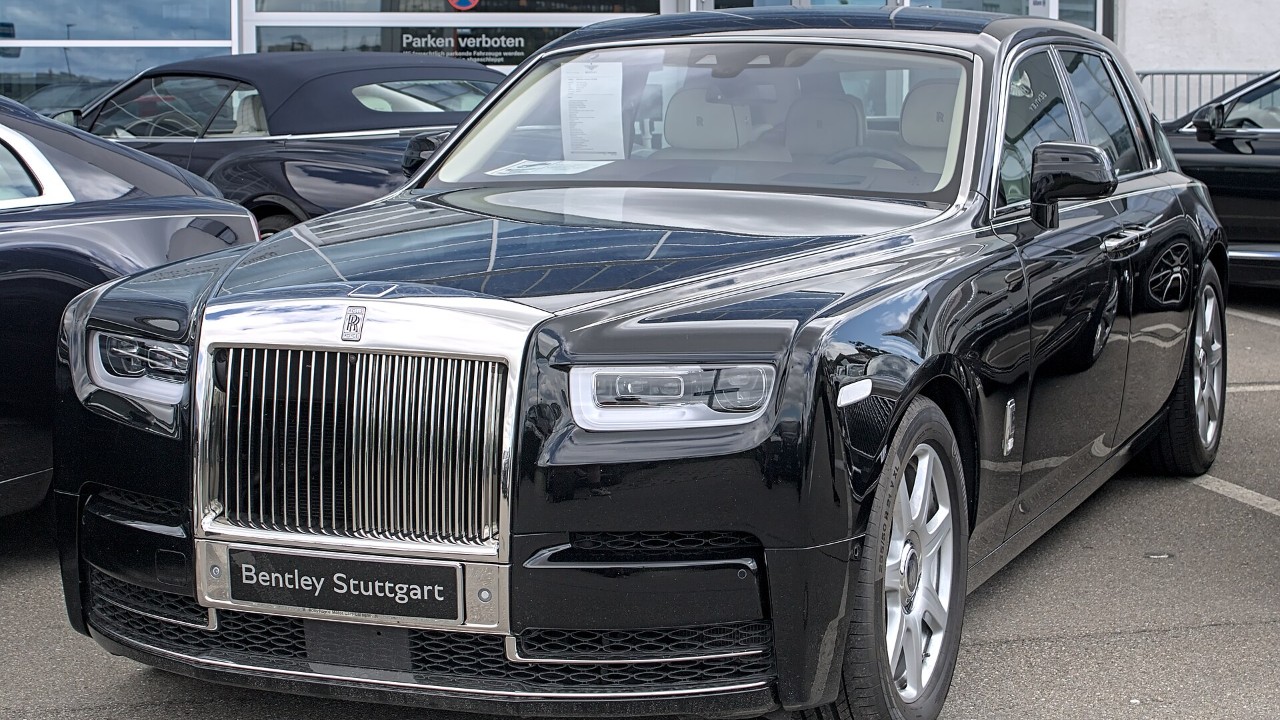
Rolls-Royce first used the Phantom name in 1925, and the company counts eight Rolls-Royce Phantom generations since then. They run from a big six-cylinder touring chassis to a modern aluminium saloon with a twin-turbo V12.
Here are the Rolls-Royce Phantom generations in order, with the year each arrived and the detail that sets it apart. The dates and build counts come from the Rolls-Royce press archive, museum records and period launch coverage.
1. 1925 Rolls-Royce Phantom I
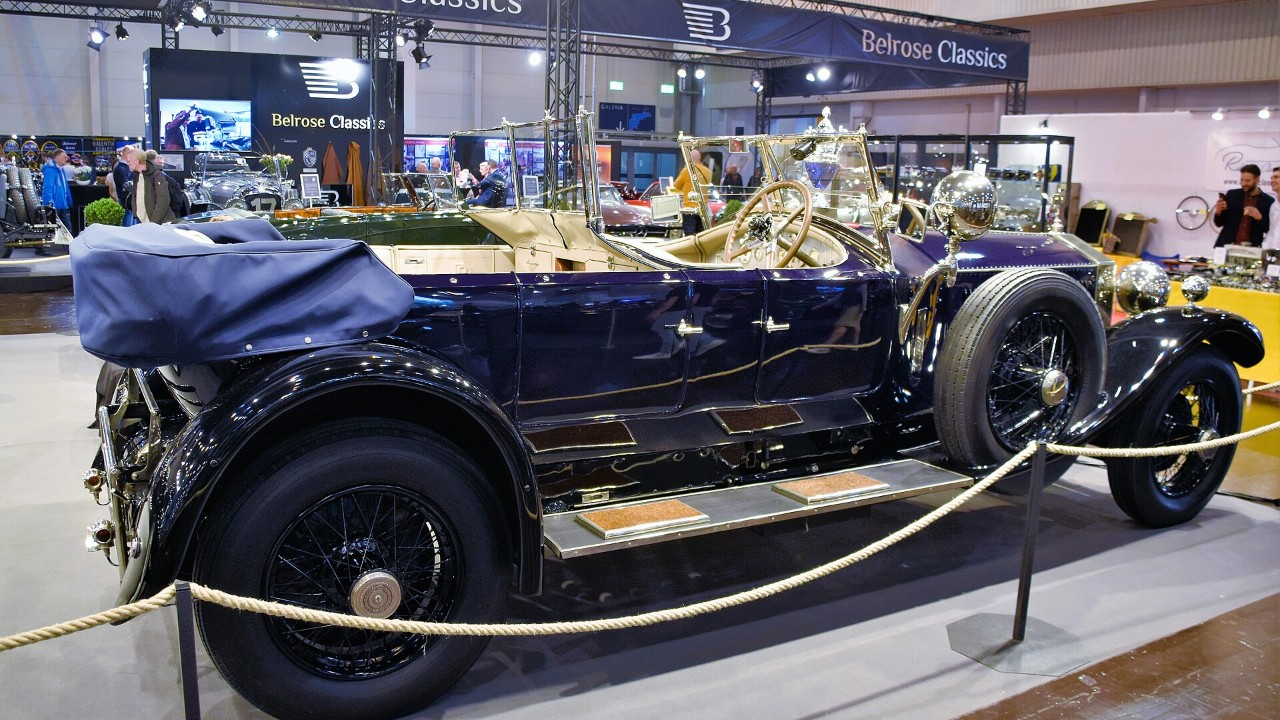
A notice in The Times on May 2, 1925, said the new 40/50 H.P. chassis “will be known as the New Phantom,” according to the Rolls-Royce centenary history. It came in long- and short-wheelbase forms. Because it followed the Silver Ghost so closely, some enthusiasts call it the “Super Ghost.”
The National Motor Museum at Beaulieu describes a 7.7-liter overhead-valve six with 33% more power than the Ghost. Only after the Phantom II arrived in 1929 did people start calling this car the Phantom I. In fact, Rolls-Royce built the museum’s own car in 1925 for Lord Montagu of Beaulieu.
2. 1929 Rolls-Royce Phantom II
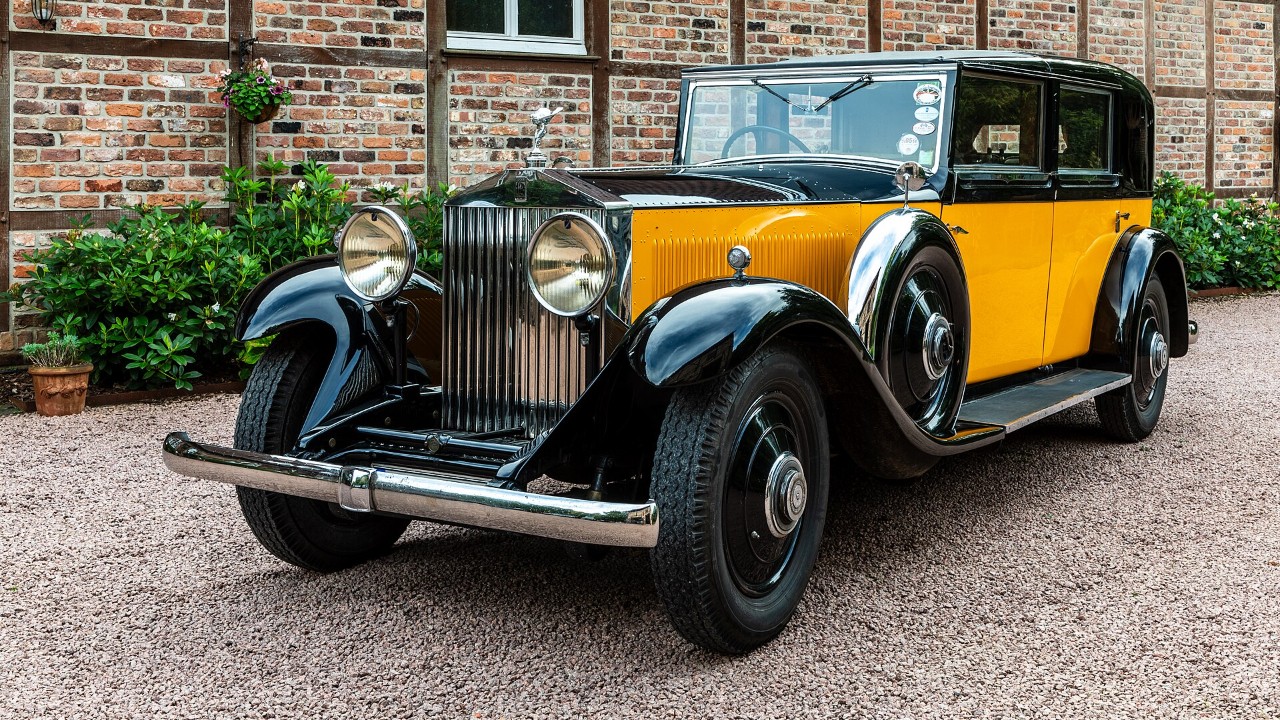
The Times called the 1929 car an “entirely new model,” Rolls-Royce says. According to Museums Victoria, it had a new chassis design and a 7,668 cc six-cylinder engine with revised lubrication. The same museum record says Rolls-Royce built 1,767 Phantom IIs between 1929 and 1935.
The most famous version was the Phantom II Continental, built for fast touring. It grew out of an experimental car, 26EX, that Henry Royce had asked for as his own. By the company’s count, the Phantom II made 120 horsepower.
3. 1936 Rolls-Royce Phantom III
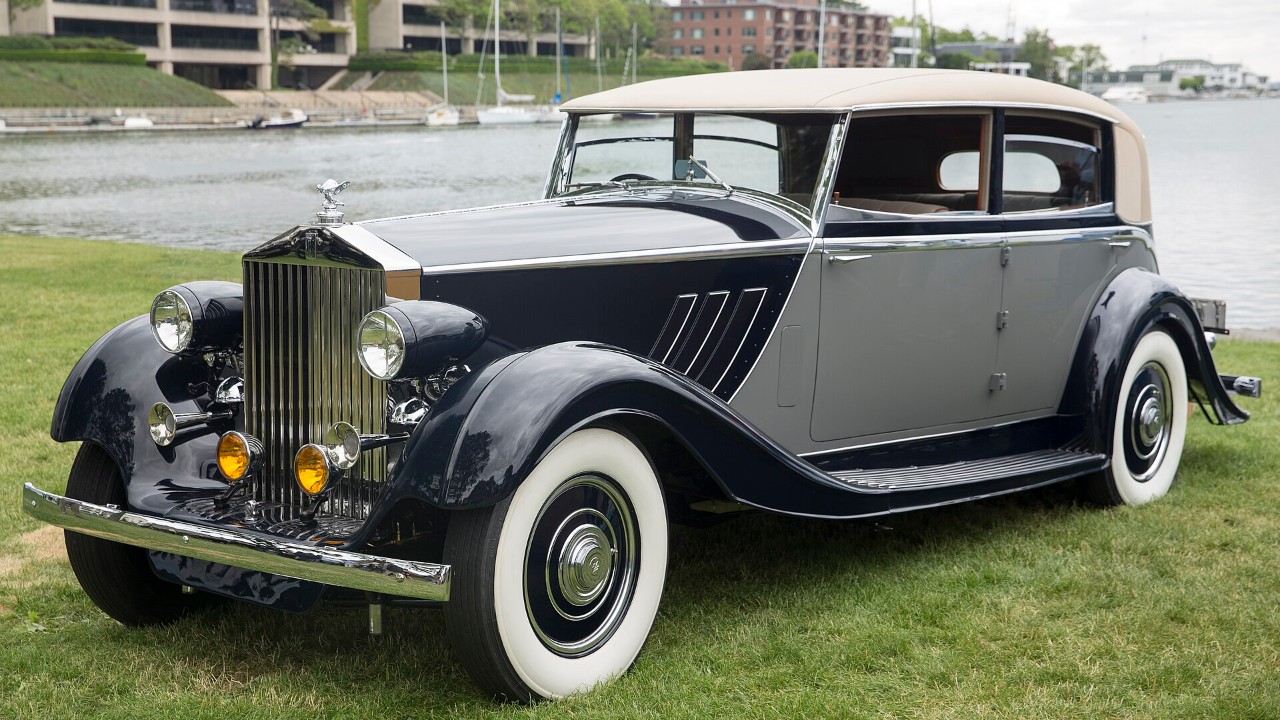
The Phantom III brought the biggest change yet. It was “the first model to be powered by a V12 engine,” according to the Rolls-Royce press archive, which dates its launch to 1936. It was also Sir Henry Royce’s last major design before his death in 1933.
The centenary history adds independent front suspension and a new chassis frame with wider rear seats. Output was 165 horsepower at first, then 180 horsepower in later cars. One Phantom III in the company’s photo archive belonged to Field Marshal Montgomery.
4. 1950 Rolls-Royce Phantom IV
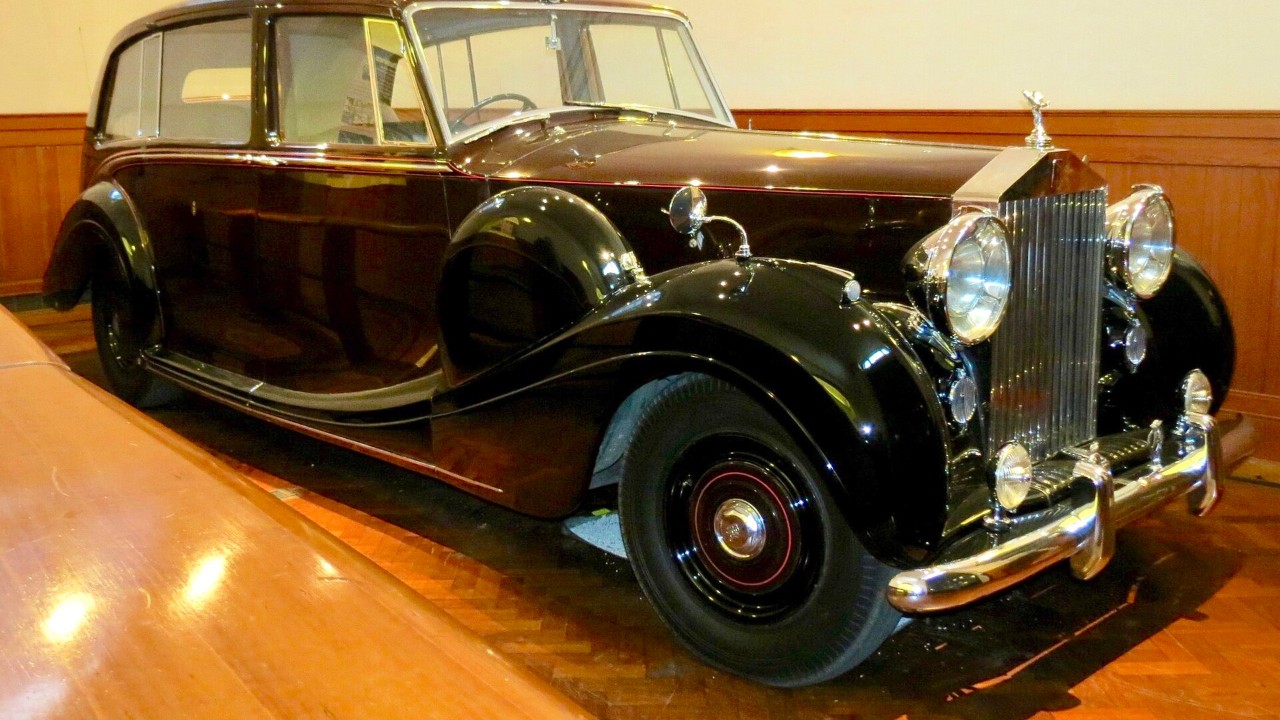
Rolls-Royce offered the Phantom IV only to royal families and heads of state. As a result, Rolls-Royce built very few. The Goodwood Revival release says “just 18 examples were produced between 1950 and 1956.”
It is also the only Rolls-Royce with a straight-eight engine, the company says. Its chassis ran 23.5 inches longer than that of the similar Silver Wraith. Still, the cars have lasted: the British royal family uses its Phantom IV for state occasions today.
5. 1959 Rolls-Royce Phantom V
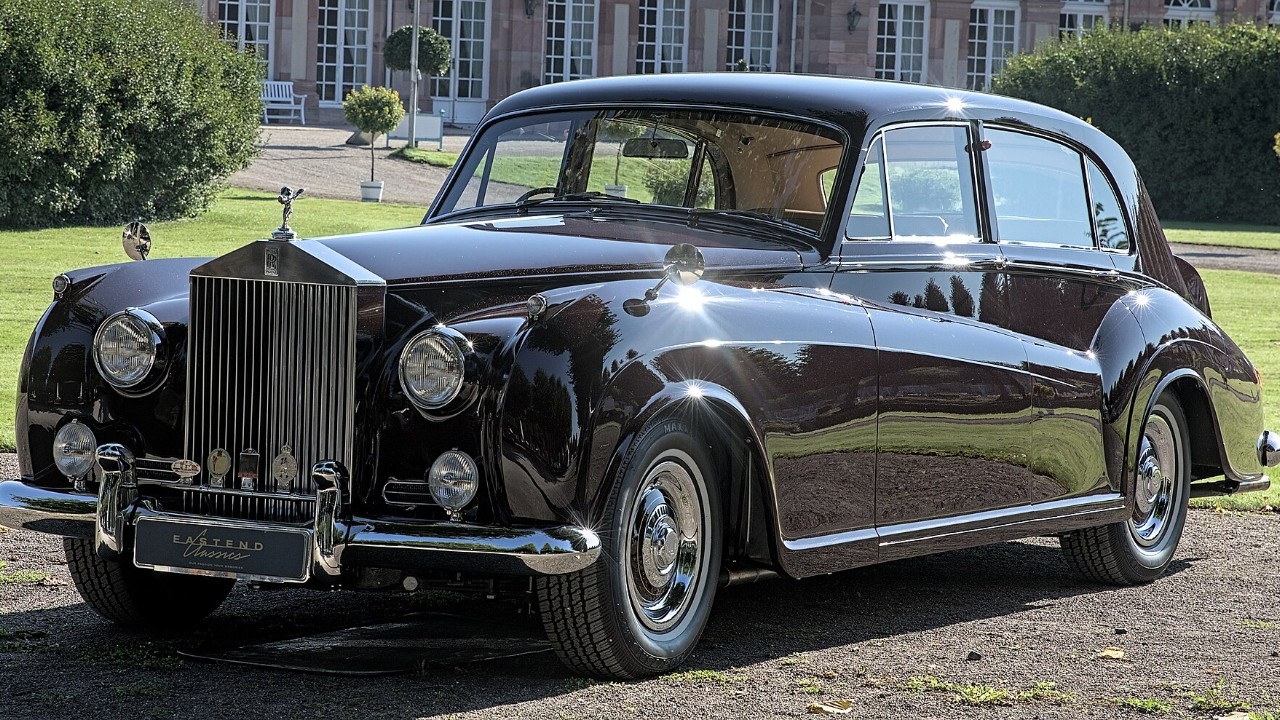
Rolls-Royce launched the Phantom V in 1959. Its bodies came from coachbuilders Park Ward, James Young and H. J. Mulliner. Over 13 years, the company built 832 of them, according to its centenary history.
Two Royal cars, “Canberra I” and “Canberra II,” got clear Perspex domes and hidden lighting. Meanwhile, private buyers ordered them too. For example, Marks & Spencer ordered chassis PV22 with James Young coachwork for its chairman, Lord Marks, in January 1963. That car arrived in March 1964 and has covered 92,000 documented miles.
6. 1968 Rolls-Royce Phantom VI
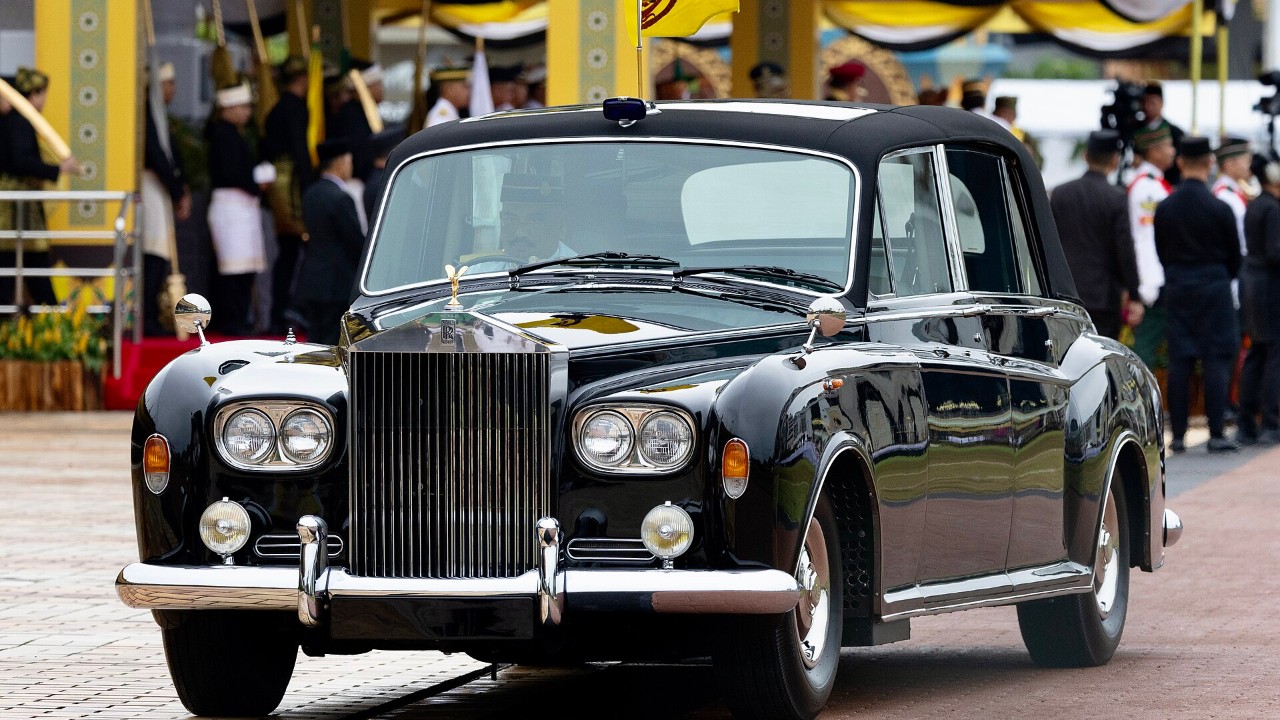
The Rolls-Royce archive says the Phantom VI “launched in 1968” and that “just 374 were built.” Mulliner Park Ward, then an in-house operation, bodied virtually all of them. Later cars got a more powerful 6.75-liter V8, and the centenary history notes separate air conditioning for the front and rear compartments.
It was the final Rolls-Royce offered as a rolling chassis. Queen Elizabeth II took delivery of two in July 1987. Then the last customer car followed in May 1991, and the final example, a landaulette, went to the Sultan of Brunei in 1993.
7. 2003 Rolls-Royce Phantom VII

BMW Group acquired the rights to build Rolls-Royce cars in 1998. In less than five years it built a new plant at Goodwood and developed this car. According to the company archive, the first keys changed hands “at one minute past midnight on 1 January 2003.”
Rather than a monocoque, the Phantom VII used an aluminium spaceframe of about 200 extruded sections. Workers hand-welded roughly 150 meters of seams at 2,000 points. It had a 6.75-liter engine, and a Drophead Coupé followed at Geneva in 2004. Production ran until 2017.
8. 2017 Rolls-Royce Phantom VIII, the latest of the Phantom generations
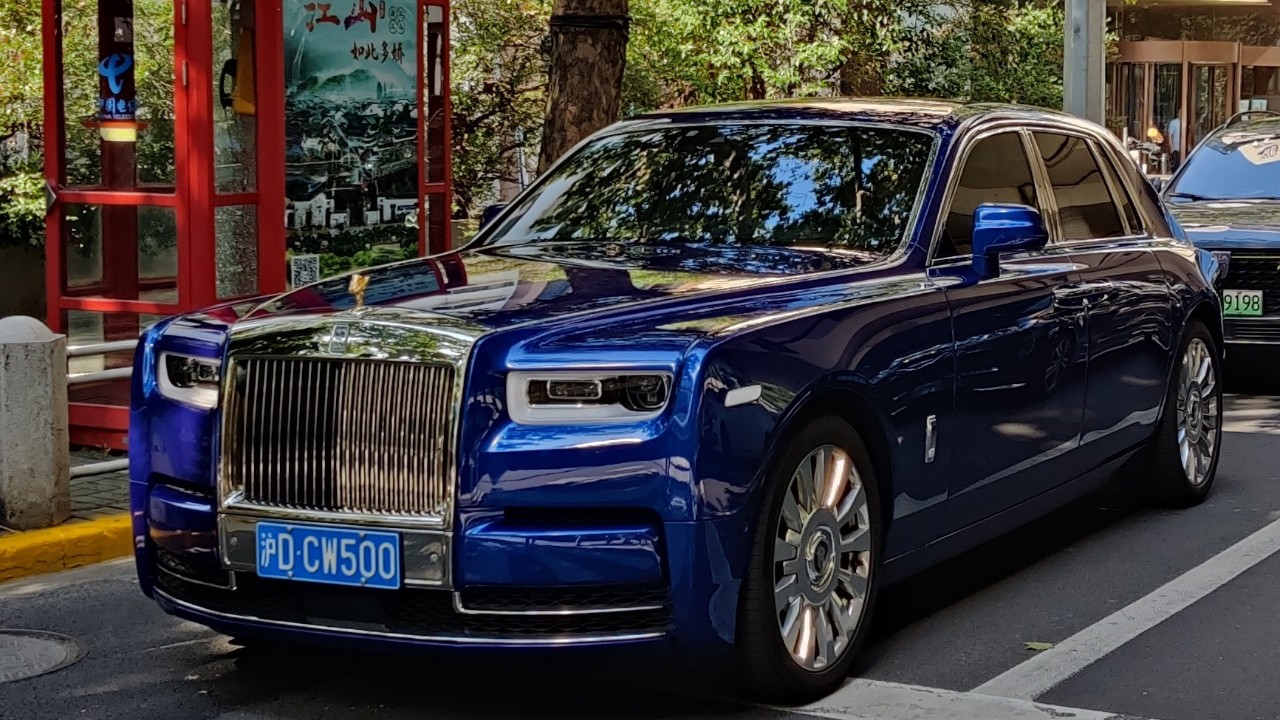
The current car arrived in 2017 as the first Rolls-Royce on the company’s “Architecture of Luxury,” an all-aluminium structure. AM Online reported a twin-turbocharged 6.75-liter V12 with 563 bhp at 5,000 rpm and 664 lb-ft of torque from 1,800 rpm. It also listed a curb weight of 2,625 kg and a 0-62 mph time of 5.3 seconds.
Its signature feature is “the Gallery,” a glass panel across the full width of the dashboard that holds a piece of art. Rolls-Royce says no other model has one. Today, a century after the New Phantom, the company still handcrafts the Phantom VIII at Goodwood.
More from Fast Lane Only
- Unboxing the WWII Jeep in a Crate
- 15 rare Chevys collectors are quietly buying
- 10 underrated V8s still worth hunting down
- Police notice this before you even roll window down
This article was created with the help of AI and was reviewed and edited by Fast Lane Only editors before publication.