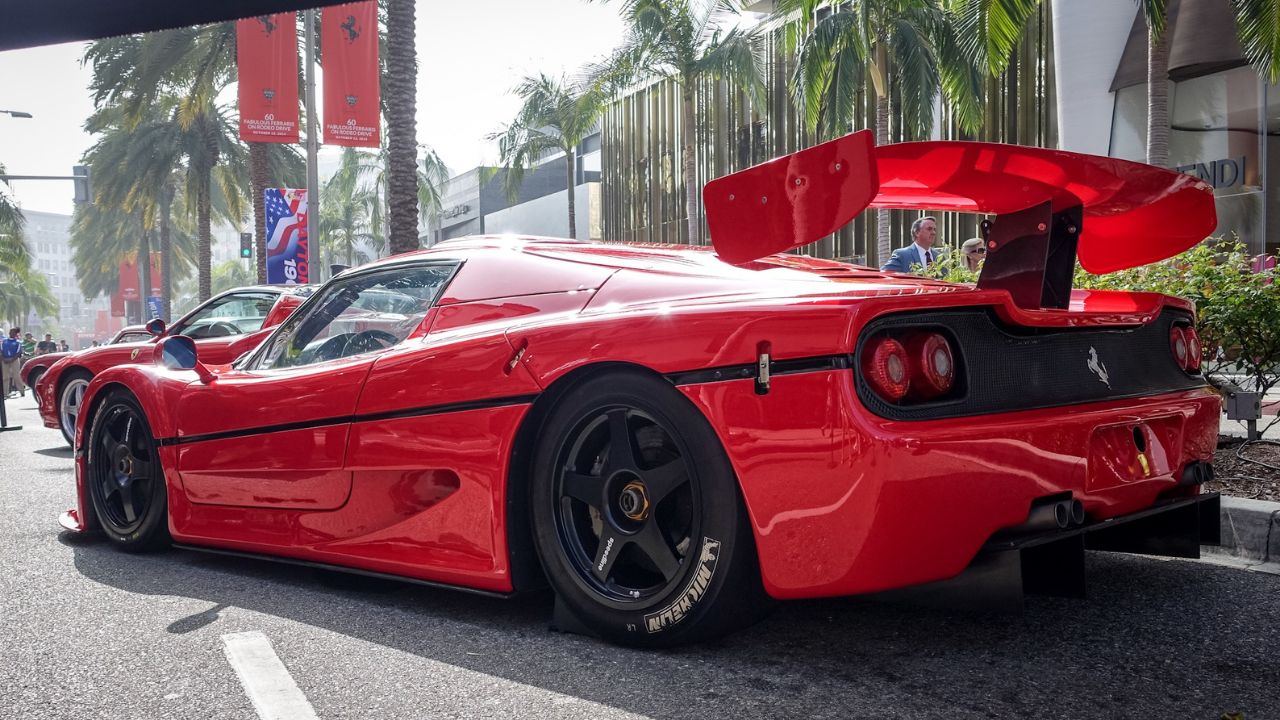
Ferrari has long been synonymous with high performance and exquisite design. Over the decades, the brand has produced some of the most iconic cars in automotive history. From sleek lines to powerful stances, each model reflects a unique era of innovation and style. Here’s a look at ten classic Ferraris that have become benchmarks in automotive design.
Ferrari 250 GTO
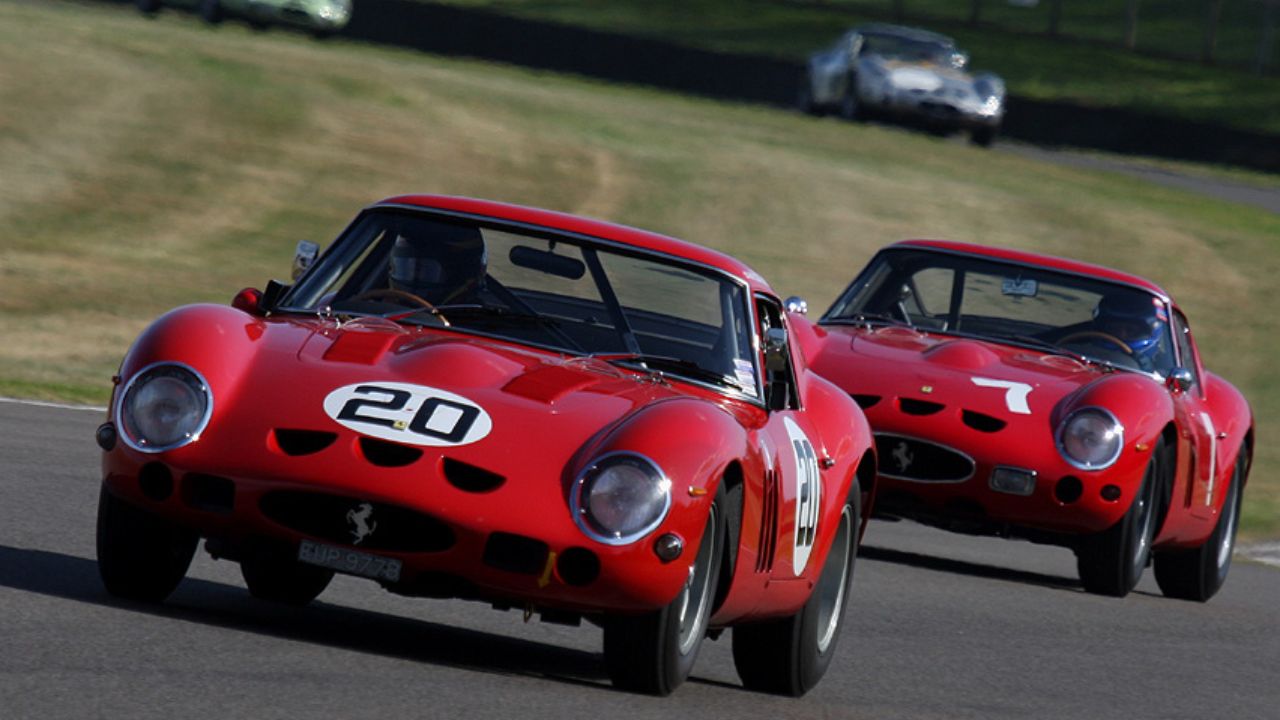
The Ferrari 250 GTO, produced between 1962 and 1964, is often hailed as the pinnacle of automotive design. With its smooth curves and aggressive stance, this car perfectly balances aesthetics and aerodynamics. Its limited production run of just 36 units adds to its mystique and desirability among collectors. The GTO’s design, characterized by a long front hood and a distinctive rear, is both timeless and instantly recognizable.
One of the most striking features of the 250 GTO is its front-mounted V12 engine, which not only contributes to its powerful performance but also affects its iconic design. The car’s elegant silhouette, coupled with its racing pedigree, makes it a masterpiece that continues to inspire car enthusiasts and designers alike.
Ferrari 275 GTB
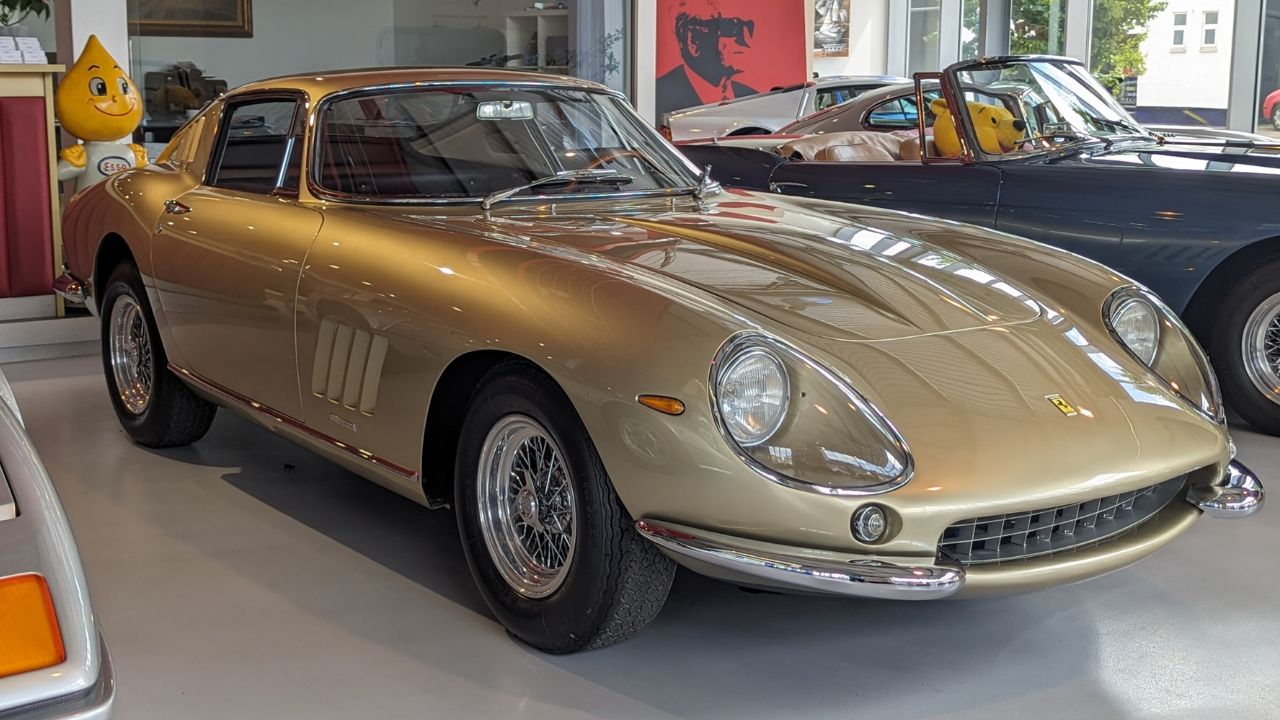
The Ferrari 275 GTB, introduced in 1964, was a turning point in Ferrari’s design history. This model was the first to feature independent rear suspension, dramatically enhancing its road handling. The long hood and fastback rear give the 275 GTB a dynamic presence, while the design elements exude a sense of speed and power even when stationary.
Designed by Pininfarina, the 275 GTB is celebrated for its balanced proportions and refined details. The car’s elegant lines are complemented by its aggressive front end, making it one of the most beautiful Ferraris ever created. The 275 GTB’s design has influenced many subsequent models, cementing its place in design history.
Ferrari 365 GTB/4 Daytona
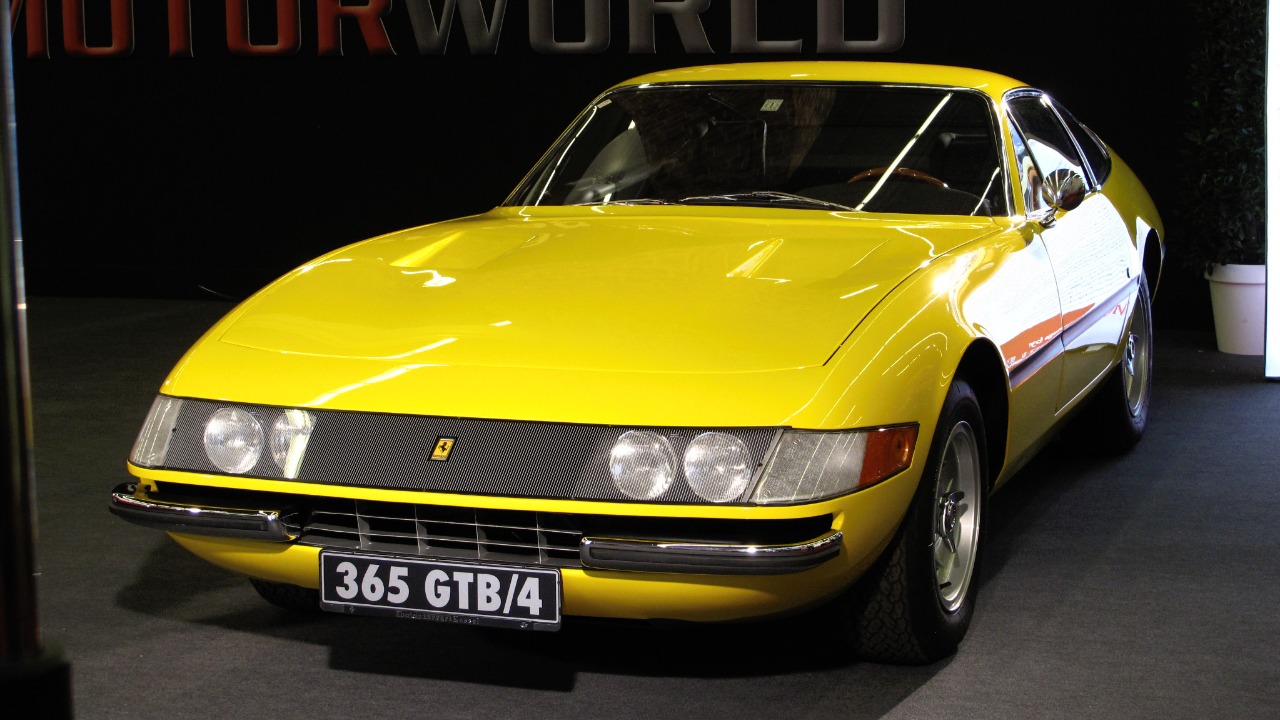
Known simply as the “Daytona,” the Ferrari 365 GTB/4 made its debut in 1968. Its angular design marked a departure from the more rounded forms of earlier Ferraris. The Daytona’s sharp lines and low, wide stance give it a distinctive look that remains fresh and modern even today. The car’s design was a response to the changing tastes of the late 1960s, reflecting a more aggressive and futuristic aesthetic.
The Daytona is notable for its pop-up headlights and long, sweeping hood, which houses a powerful V12 engine. These features contribute to its iconic silhouette, making it a favorite among collectors and enthusiasts. Its combination of power, performance, and style ensures its place as one of Ferrari’s most celebrated designs.
Ferrari 250 Testa Rossa
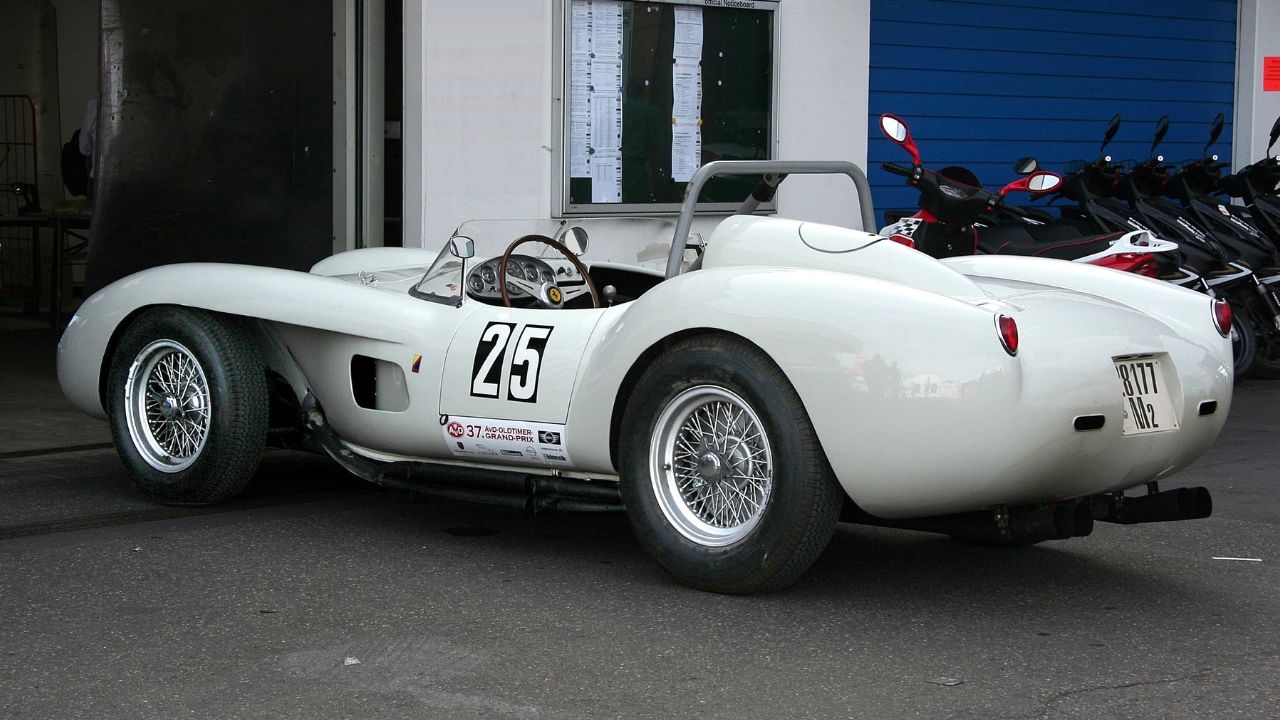
The Ferrari 250 Testa Rossa, produced in the late 1950s, is another masterpiece that showcases Ferrari’s commitment to design excellence. Its name, meaning “red head” in Italian, refers to the car’s red-painted cam covers. The Testa Rossa’s design is characterized by its pontoon fenders, which were initially developed for aerodynamic efficiency in racing.
This model was a racing success, with numerous victories to its name, but its design is equally noteworthy. The Testa Rossa’s sleek, open-top body and distinctive features, such as the cutaway fenders and prominent grille, make it a standout in Ferrari’s illustrious history. Its design has been celebrated for its beauty and functionality, influencing many future models.
Ferrari 330 P4
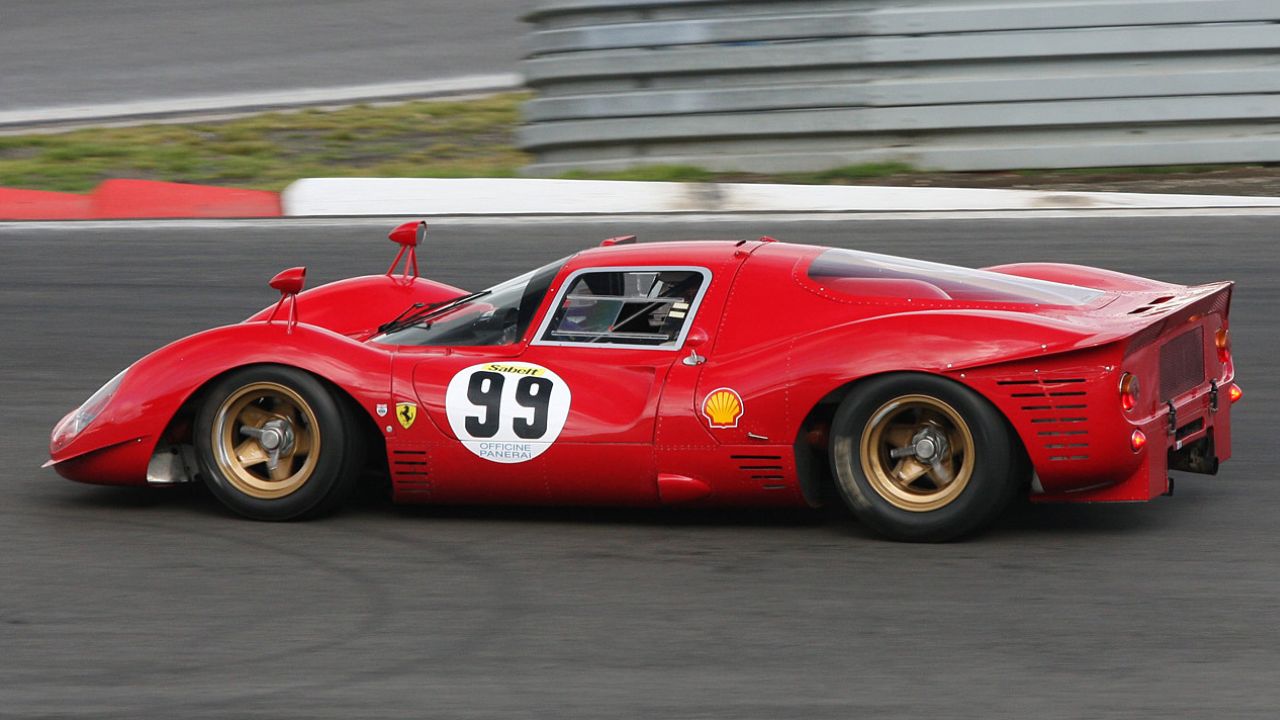
The Ferrari 330 P4 is a testament to the brand’s prowess in both design and engineering. This race car, introduced in 1967, is renowned for its breathtaking design and advanced engineering. Its low-slung body and dramatic curves reflect its racing pedigree and high-performance capabilities.
The 330 P4’s design is not only about aesthetics; it also serves a functional purpose. The car’s streamlined shape and lightweight construction were key to its success on the track. Its design, characterized by rounded forms and a sleek profile, continues to be revered as one of the most beautiful race cars ever made.
Ferrari 512 BB
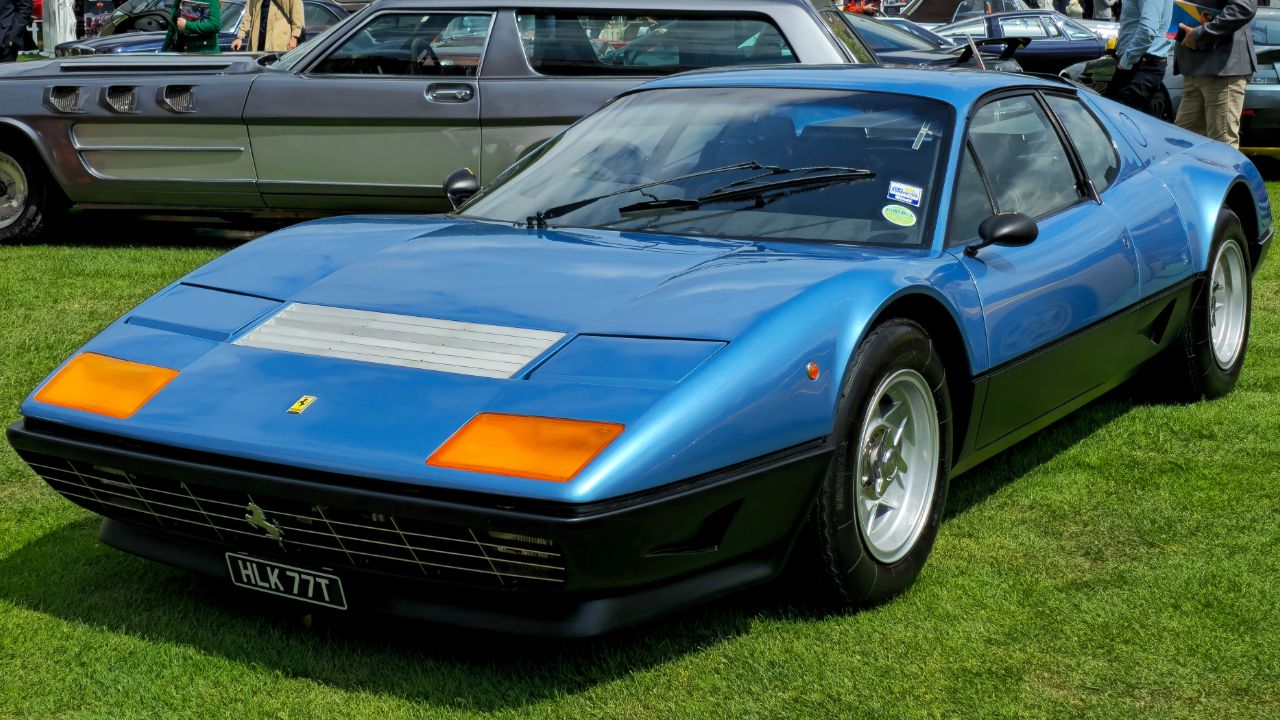
The Ferrari 512 BB, introduced in 1976, marked Ferrari’s transition to mid-engine layouts for its road cars. This model’s design is characterized by its low profile and wide stance, which give it a commanding presence on the road. The 512 BB’s sleek lines and aggressive styling make it one of the standout designs of the 1970s.
Designed by Leonardo Fioravanti at Pininfarina, the 512 BB features a striking wedge shape that was a hallmark of its era. The car’s design is complemented by its potent flat-12 engine, which provides a thrilling driving experience. The 512 BB remains a celebrated example of Ferrari’s ability to combine performance with stunning design.
Ferrari F40
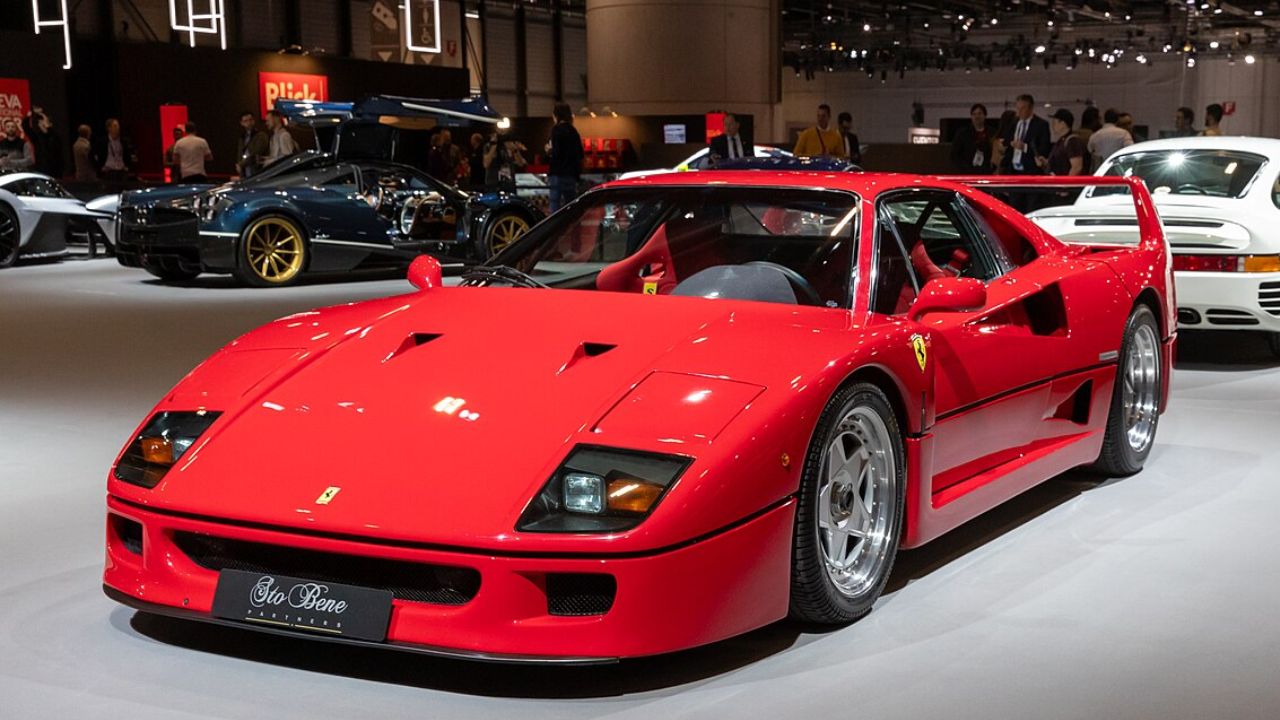
Released in 1987 to celebrate Ferrari’s 40th anniversary, the Ferrari F40 is an icon of automotive design and performance. With its aerodynamic body and striking rear spoiler, the F40 was the last Ferrari personally approved by Enzo Ferrari. Its design reflects a focus on performance, with lightweight materials and a twin-turbocharged V8 engine.
The F40’s aggressive styling, characterized by sharp lines and functional vents, makes it instantly recognizable. Despite its racing-focused design, the F40 maintains an elegance that has captivated car enthusiasts for decades. Its combination of raw power and stunning design has ensured its status as one of Ferrari’s most legendary models.
Ferrari 250 GT Lusso
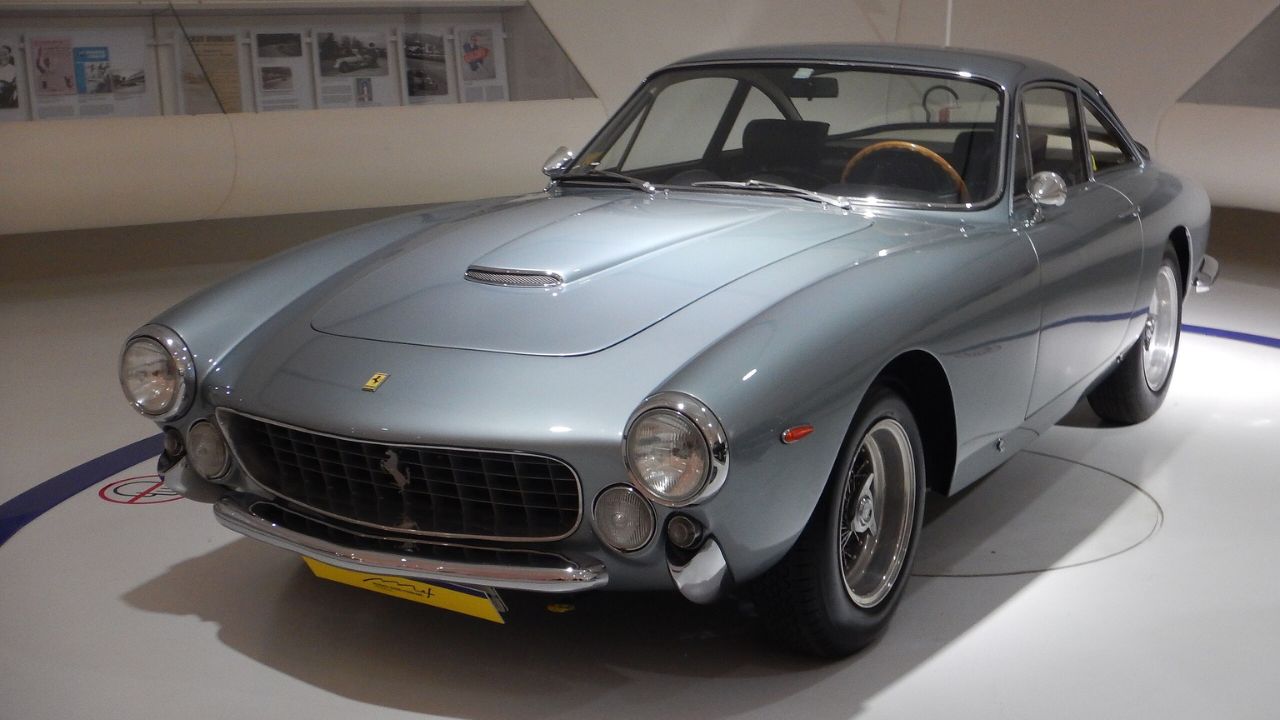
The Ferrari 250 GT Lusso, produced from 1963 to 1964, is renowned for its elegant design and luxurious features. Often considered one of the most beautiful Ferraris ever made, the Lusso combines graceful lines with a refined aesthetic. Its design is characterized by a sweeping roofline and balanced proportions, making it a favorite among collectors.
The 250 GT Lusso’s interior is equally impressive, with luxurious materials and meticulous craftsmanship. Despite its focus on comfort, the Lusso doesn’t compromise on performance, thanks to its powerful V12 engine. The model’s timeless design and luxurious features make it a standout in Ferrari’s iconic lineup.
Ferrari Dino 246 GT

The Ferrari Dino 246 GT, introduced in 1969, is celebrated for its unique design and significance in Ferrari’s history. Named after Enzo Ferrari’s son, Dino, this model was the first Ferrari to feature a V6 engine. Its design, characterized by flowing lines and a compact form, stands out among the brand’s classic lineup.
The Dino 246 GT’s elegant design and accessible performance made it a popular choice among driving enthusiasts. Its distinct styling, with a low-slung body and curvaceous fenders, has garnered a dedicated following over the years. The Dino’s design legacy continues to influence Ferrari’s approach to creating beautiful, driver-focused cars.
Ferrari Enzo
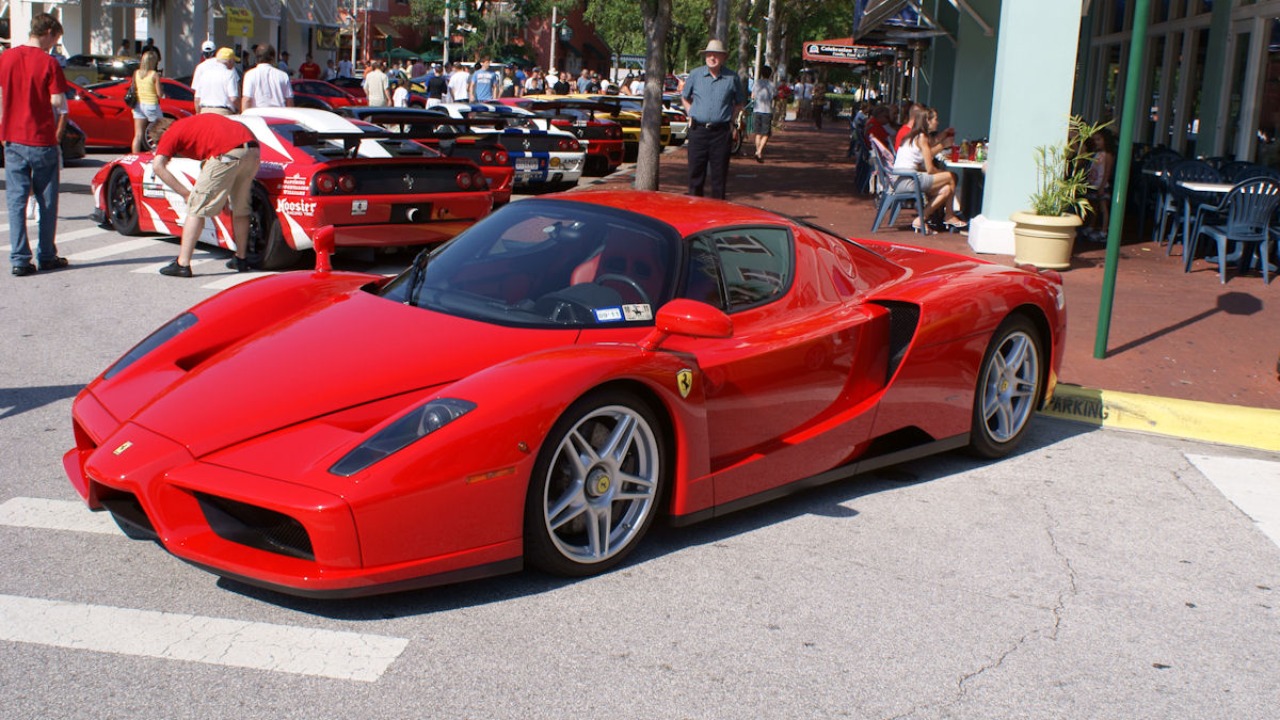
Named after the company’s founder, the Ferrari Enzo made its debut in 2002. This model represents a pinnacle of design and technology, incorporating advanced aerodynamics and a powerful V12 engine. The Enzo’s design is characterized by sharp lines and an aggressive stance, reflecting its high-performance capabilities.
The car’s formula-one-inspired design includes a carbon-fiber body and active aerodynamics, making it as functional as it is beautiful. The Enzo’s striking appearance and cutting-edge technology have solidified its status as one of Ferrari’s most iconic models. Its legacy continues to influence Ferrari’s approach to design and performance in the modern era.
Like Fast Lane Only’s content? Be sure to follow us.
Here’s more from us:
*Created with AI assistance and editor review.