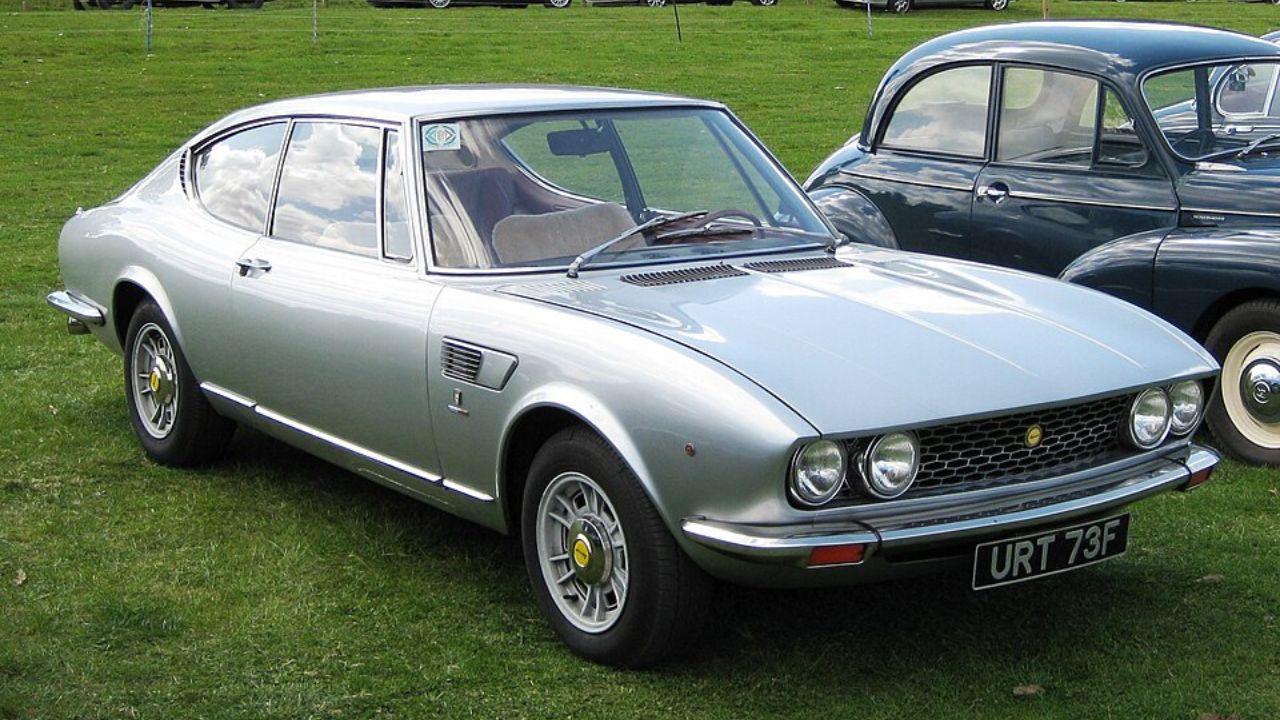
The 1966 Fiat Dino arrived looking like a stylish Italian grand tourer, but its real story started under the hood. Built to satisfy racing regulations rather than pure showroom demand, it carried a Ferrari designed V6 that linked an everyday brand to the rarefied world of Formula 2. The result was a car that outwardly played the role of elegant Fiat while quietly acting as a Ferrari engineering showcase.
That dual identity has turned the Fiat Dino into one of the most intriguing hybrids of mass production and motorsport ambition. What began as a homologation project for Enzo Ferrari evolved into a family of Spiders and Coupes that still fascinate collectors who recognize how much Maranello DNA sits inside a Fiat badge.
Racing rules that forced an unlikely partnership
The story starts with regulations rather than romance. Enzo Ferrari needed a V6 engine homologated for Formula 2 competition, which required a certain number of road cars to use the same basic unit. Producing that volume in house would have stretched Ferrari beyond its small scale, so the company turned to Fiat, which already had the factories and dealer network to build and sell a higher volume sports car using the same V6 described on Fiat Dino.
That decision created one of the most unusual collaborations in Italian automotive history. Fiat gained access to a high revving engine with clear Ferrari lineage, while Ferrari gained the production capacity to satisfy Formula 2 rules without diluting its own brand. The road car that emerged was named Dino in honor of Alfredo “Dino” Ferrari, whose work on V6 engines laid the foundation for the powerplant that would define the project.
The engine that carried Dino Ferrari’s name
At the heart of the Fiat Dino sat a 2.0 liter V6 with a 65 degree bank angle and dual overhead camshafts for each cylinder bank. Designed by Alfredo “Dino” Ferrari, the engine was built to rev freely and deliver smooth, high RPM power, a character that clearly separated it from the more modest units in typical family Fiats of the period. In production form for the road car it produced around 160 horsepower, an output that gave the lightweight Spider and Coupe strong performance for the era, as described in detail in a technical overview of the 2.0 liter V6.
Fuel delivery came from triple Weber carburetors, which sharpened throttle response and reinforced the racing character that Enzo Ferrari had pursued for Formula 2. The all aluminum construction kept weight down and helped the engine respond quickly to revs, while the distinctive exhaust note gave the Fiat Dino a sound far closer to a Ferrari single seater than to a conventional mass market coupe.
Spider first, Coupe shortly after
Fiat launched the Dino as a Spider, unveiling the open car at the Turin Motor Show with the 2.0 liter V6 rated at 158 brake horsepower. That car, listed in the Model History Of, established the template: front engine, rear wheel drive, and a chassis tuned to make the most of the high revving V6 rather than to chase outright top speed.
The Spider was soon joined by a fixed roof Coupe, which shared the mechanical package but adopted a different design language and slightly different proportions. As later analysis of Spider and Coupe explains, the two body styles looked noticeably different despite their shared hardware, and the Coupe carried a slightly longer wheelbase that gave it a more settled grand touring character.
Design: elegant Fiat, racing heart
Visually, the Fiat Dino did not shout about its Ferrari connection. The Spider wrapped the mechanicals in a flowing, low slung body with delicate detailing that fit neatly into the Italian roadster tradition. Chrome accents, a relatively upright windshield, and a clean beltline gave it a refined appearance that would not have looked out of place parked outside a Riviera hotel.
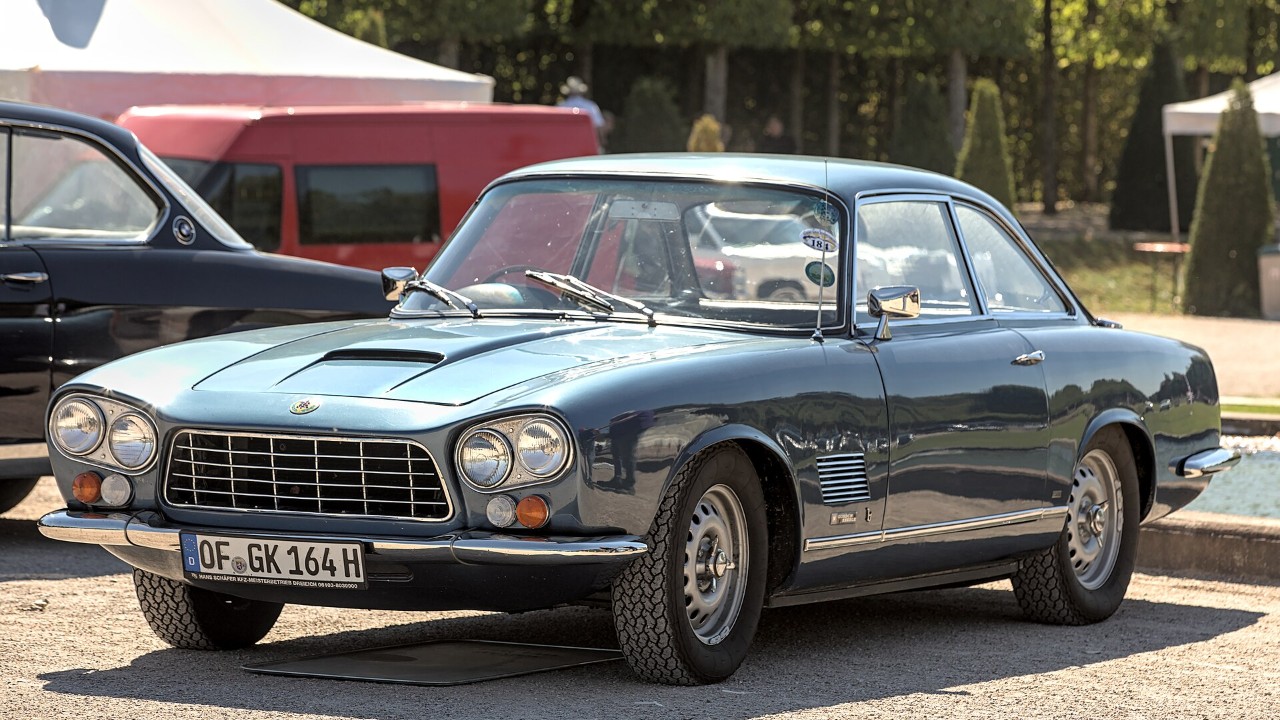
The Coupe, which enthusiasts like Jack and Kiri have highlighted in videos such as Jack and his Fiat Dino Coupe and Kiri’s look at another Fiat Dino Coupe, took a different approach. Its roofline and rear quarters gave it a more formal, almost understated profile, which is why some owners describe it as the thinking person’s Ferrari engined car. From a distance it could pass as a stylish but ordinary Fiat, yet the proportions hinted at the performance potential waiting to be unlocked by a firm press of the throttle.
Inside, both versions combined period Fiat switchgear with more sporting touches, creating cabins that were comfortable enough for long drives but clearly focused on the driver. That balance of usability and excitement became part of the Dino’s appeal, especially compared with more temperamental pure Ferraris of the same period.
How FIAT and Ferrari shared the work
The collaboration between FIAT and Ferrari was not just a matter of shipping engines from one factory to another. Historical accounts from FIAT History, Vol describe how Italian car and coach builders often collaborated quickly, and the Dino became a prime example of that tradition. Ferrari focused on the V6 design and its suitability for Formula 2, while Fiat engineered the chassis, handled mass production, and ensured that the Dino could be sold and serviced through its existing network.
This arrangement allowed Ferrari to keep its own road cars more exclusive, while still benefiting from the homologation numbers the Fiat Dino generated. For Fiat, the project meant adding a halo model to its range, one that could lift the brand’s image without requiring the company to develop a high performance engine from scratch.
Driving character: the Ferrari feel in a Fiat body
Owners and testers often describe the Fiat Dino’s driving experience as something that feels more Maranello than Turin once the engine is fully awake. Reviews and enthusiast videos, including Kiri’s exploration of the Fiat Dino Coupe, emphasize how the V6 only truly comes alive at higher revs. The car encourages drivers to stretch the tachometer, where the all aluminum 65 degree engine delivers a surge of power matched by a rising, metallic exhaust note.
The chassis, tuned by Fiat for both comfort and control, offers predictable handling that flatters relatively ordinary drivers. The Spider feels more agile and playful, while the Coupe tends to be more composed at speed, a difference that reflects the slightly longer wheelbase and the grand touring intent that later coverage of Fiat Dino highlights. Together they deliver a driving experience that gives a strong taste of Ferrari engine character without the same level of intensity or cost.
From 2.0 to 2.4: evolution of the Dino
The original 2.0 liter car was only the beginning. Racing regulations and customer expectations pushed the project toward further development, leading to later Fiat Dino 2400 models that increased displacement and refined the package. The 2400 Coupe in particular has been chronicled in enthusiast histories such as those that discuss the Fiat Dino 2400, where the focus shifts to how the larger engine and updated suspension made the car more relaxed at speed and slightly easier to live with day to day.
While the 2.4 liter engine moved a little further away from the high strung Formula 2 specification that had defined the original project, it still carried clear Ferrari engineering fingerprints. The broader torque curve made the later cars more flexible, especially in the heavier Coupe, and helped the Dino remain competitive as other manufacturers introduced new six cylinder sports cars of their own.
The Dino’s place in Ferrari history
The Fiat Dino also sits alongside the Dino branded Ferraris in the story of how Maranello experimented with different approaches to mid engine and V6 powered cars. Videos such as the Italian language feature on Ferrari branded Dinos underline how the name itself became a bridge between pure racing machinery and more accessible road cars.
For Ferrari, the Fiat collaboration provided a way to spread development costs and to validate the V6 concept in a broader market. For Fiat, it meant that the company could point to a direct connection with Formula 2 competition and with Enzo Ferrari’s engineering priorities. That relationship helped position the Dino as more than just another stylish Italian coupe, and it remains one of the clearest examples of how motorsport regulations can shape road car history.
Why collectors now chase the “thinking man’s” Ferrari engined Fiat
As values of classic Ferraris have climbed, enthusiasts have increasingly turned their attention to cars that share similar engineering without the same price tags. The Fiat Dino fits that brief precisely. Buying guides that describe the car as a thinking person’s Ferrari engined choice, such as the Fiat Dino Spider and Coupe overview, highlight how the model offers a genuine Ferrari designed V6, period Italian styling, and a direct link to Formula 2, yet still sits below the pricing of equivalent Prancing Horse models.
That does not mean the Dino is inexpensive. Restoring and maintaining the V6 requires specialist knowledge, and the supply of parts is not as abundant as for more common Fiats. However, the combination of rarity, design, and engine pedigree has turned the car into a serious collectible. Enthusiast groups and clubs, including those documented by FiatClubAmerica, have helped keep knowledge circulating, which in turn supports owners who want to preserve these cars rather than simply park them as static investments.
How enthusiasts keep the story alive
The Fiat Dino enjoys an active afterlife in videos, club events, and detailed technical discussions. Enthusiast pages that examine the Fiat Dino Spider engine bay layout, for example, break down how the V6 is packaged, from the exhaust headers and starter to the clutch assembly and ancillary components. That level of documentation helps new owners understand what they are buying and what kind of maintenance commitment the car demands.
Other content, such as the playful story of a Fiat that thought it was a Ferrari in a video essay, leans into the cultural side of the Dino. These narratives frame the car as the product of an Italian family reunion, with FIAT and Ferrari relatives sharing ideas over wine, which mirrors the real world collaboration described in more formal histories like The FIAT Dino.
Global footprint and multilingual history
Interest in the Fiat Dino is not confined to Italy or English speaking markets. The car’s story appears in multiple languages, with entries such as the Arabic Fiat Dino, the German Fiat Dino, the Persian Fiat Dino, and the French Fiat Dino pages documenting specifications, production history, and context. That multilingual footprint reflects how a car born from a specific Formula 2 regulation has become a globally recognized piece of automotive heritage.
These resources, along with image archives like the FIAT Dino albums, help preserve not only the technical facts but also the visual and cultural memory of the model. They capture Spiders parked against period architecture, Coupes at club gatherings, and detailed shots of engine bays that reveal the Ferrari script on cam covers beneath a Fiat badge on the grille.
More from Fast Lane Only