Audi has quietly redrawn the map of European car design by handing control of Italdesign Giugiaro to a California based artificial intelligence specialist, turning a storied Turin studio into the latest test bed for software driven mobility. The move shifts Italdesign from being a tightly held German owned subsidiary to the centerpiece of a new transatlantic partnership built around data, algorithms, and rapid digital development. For a sector that once treated design houses as temples of hand drawn sketches and clay models, the deal signals how deeply AI is now embedded in the future of car making.
A surprise sale that reshapes a legendary design house
I see Audi’s decision to sell a controlling stake in Italdesign Giugiaro as a watershed moment in how legacy carmakers think about design, ownership, and technology partnerships. After years of full control, Audi has agreed to give up the driver’s seat at one of Italy’s most famous studios, allowing a U.S. technology company to take majority ownership while it steps back into the role of strategic client and minority shareholder. That shift is not just financial housekeeping, it is a public acknowledgment that the skills needed to shape the next generation of vehicles now sit as much in AI labs as in styling studios.
According to Audi’s own description of the transaction, The Audi Group has entered a strategic partnership in which UST, described as a global transformation company specializing in artificial intelligence and digital engineering, acquires a majority stake in Italdesign Giugiaro while Audi retains a smaller share and an ongoing customer relationship. Other reports underline that Audi has sold a majority stake in the famous Italdesign studio to a U.S. based AI company and has relinquished majority control of its iconic Italian design subsidiary, confirming that the American buyer is UST and that the deal hands it effective control of Italdesign Giugiaro. Together, these accounts make clear that Audi is not simply trimming a portfolio asset, it is deliberately ceding control of a brand it once fully owned to a partner whose core tools live in code rather than in metal.
How Audi went from full ownership to strategic partner
To understand the stakes, I find it useful to trace how Audi’s relationship with Italdesign evolved from outright ownership to this new, looser arrangement. Audi once held a 100% stake in Italdesign and for years treated the studio as an in house resource for concept cars, platform development, and advanced engineering. That level of control fit an era when major manufacturers were consolidating design and development under their own umbrellas, often absorbing independent studios that had previously worked across the industry.
The new deal reverses that logic. Audi now shifts from owner to strategic partner while Volkswagen maintains a smaller share through Lamborghini, which has long been Audi’s performance car brand inside the wider Volkswagen structure. Reporting on the transaction notes that Audi has sold a majority stake in Italdesign to UST after roughly fifteen years of ownership, and that the German group will remain an important client of the Italian firm even as it gives up majority control. In other words, Audi is betting that it can get better access to cutting edge digital tools by letting an AI focused partner lead Italdesign, rather than by keeping the studio locked inside its own corporate walls.
Who is UST, the low profile AI player now running Italdesign?
From my perspective, one of the most striking aspects of this deal is the identity of the buyer. UST is not a household name in the car world, yet it has just taken charge of a studio that helped shape some of the most recognizable vehicles in history. Described as a California based technology company, UST has built its business around artificial intelligence, digital engineering, and large scale transformation projects for corporate clients, which makes it very different from the traditional European automakers that previously owned Italdesign.
Several accounts characterize UST as a global transformation company specializing in AI powered digital engineering, and one report bluntly notes that Audi has sold Italdesign to an American company you have probably never heard of, identifying that company as UST. Another description of the transaction calls UST an American AI company and emphasizes that its tools largely live on servers instead of sketchpads, a neat shorthand for the shift from analog design to software driven development. Taken together, the reporting paints UST as a relatively low profile but deeply technical player that sees Italdesign as a way to bring its AI capabilities directly into the process of creating fully modern, digitally enabled vehicles.
What Italdesign brings to an AI company’s ambitions
For UST, acquiring Italdesign Giugiaro is not about buying a logo, it is about plugging into decades of hard won expertise in automotive form and function. Italdesign has long been known as a legendary Italian design firm, credited with shaping icons such as the BMW M1 and the DeLorean, and has worked with brands including Alfa Romeo, Fiat, and Maserati. That history gives UST instant credibility in a field where aesthetics, proportions, and brand heritage still matter as much as software features.
Reports on the deal stress that Italdesign is not abandoning its roots even as it joins forces with a company whose strengths are in AI and engineering. One detailed account notes that UST says its background in artificial intelligence and engineering will complement Italdesign’s traditional strengths in form and function, with the goal of delivering future projects that arrive faster, smarter, and more futuristic. Italdesign’s chief executive, Antonio Casu, is quoted as hinting at an especially ambitious target, saying the company wants to become the first to create both the hardware and the software for a vehicle entirely in house. That vision, if realized, would turn Italdesign into a full stack mobility developer, using UST’s AI tools to accelerate everything from early sketches to digital twins and embedded code.

Why Audi is betting on AI driven design instead of full control
I read Audi’s willingness to give up majority control as a sign that the company sees more value in tapping external AI expertise than in keeping every design asset under its direct command. The Audi Group has framed the transaction as a strategic partnership aimed at accelerating the development of fully modern, digitally enabled vehicles, language that suggests the goal is to fuse Italdesign’s creative capabilities with UST’s software and data platforms. In that sense, Audi is trading ownership for access, hoping that a more independent Italdesign can move faster and experiment more aggressively under UST’s leadership.
Multiple reports back up this interpretation. Audi’s own description of the partnership highlights UST’s specialization in AI powered digital engineering and positions Italdesign as a bridge between traditional car design and new mobility technologies. Other coverage notes that Audi has relinquished majority control of its Italian design subsidiary in a move framed as part of a broader shift toward digital era design exploration, and that the sale to a U.S. based AI company is intended to help Italdesign modernize its processes. By remaining a key client and minority shareholder, Audi keeps a front row seat to whatever breakthroughs emerge from the collaboration without having to build all of that AI capability internally.
Volkswagen, Lamborghini and the politics of a minority stake
Although Audi is the face of the transaction, the deal also reflects the internal politics of the wider Volkswagen group. Italdesign has long sat within a complex ownership structure that involved Volkswagen, Audi, and Lamborghini, and the new arrangement preserves some of those ties even as UST takes control. I see this as a way for the German group to keep influence over Italdesign’s direction while still allowing the American buyer to steer day to day strategy.
One detailed account of the sale explains that Audi once held a 100% stake in Italdesign and that, even though it is now selling a majority, Lamborghini will continue to maintain a smaller share. Another report notes that Volkswagen’s Audi has finalized a deal to sell a majority stake in the famed car design firm, while Volkswagen itself had previously acquired Italdesign through its broader group structure. The Audi Group’s own description of the partnership confirms that UST is acquiring the majority stake, with Audi and Lamborghini retaining minority positions. In practice, that means Italdesign will answer primarily to a U.S. AI company, but it will still be embedded in the Volkswagen ecosystem, with Lamborghini and Audi acting as both shareholders and important clients.
What this means for Italdesign’s future projects and clients
From a client perspective, the most immediate question is how Italdesign’s work will change under UST’s leadership. The studio has historically balanced internal projects for its owners with external contracts for other manufacturers, and I expect that pattern to continue, albeit with a stronger emphasis on digital services. Audi has already signaled that it will remain a key customer, and the continued involvement of Lamborghini suggests that high performance and luxury projects will stay on the menu.
Reporting on the transaction notes that Audi now shifts from owner to strategic partner while remaining an important client of Italdesign, and that Lamborghini will maintain a smaller share and ongoing relationship with the studio. Another account emphasizes that Italdesign has changed hands again and that the new majority owner is not another European carmaker but a California based technology company named UST, which intends to use its AI and engineering background to complement Italdesign’s traditional strengths. Combined with Antonio Casu’s stated ambition to create both hardware and software for vehicles entirely in house, these details point toward a future in which Italdesign offers not just styling and engineering, but also integrated digital platforms, potentially opening the door to new clients that care as much about software defined vehicles as about sheet metal.
Symbolism: from DeLorean and BMW M1 to server side design tools
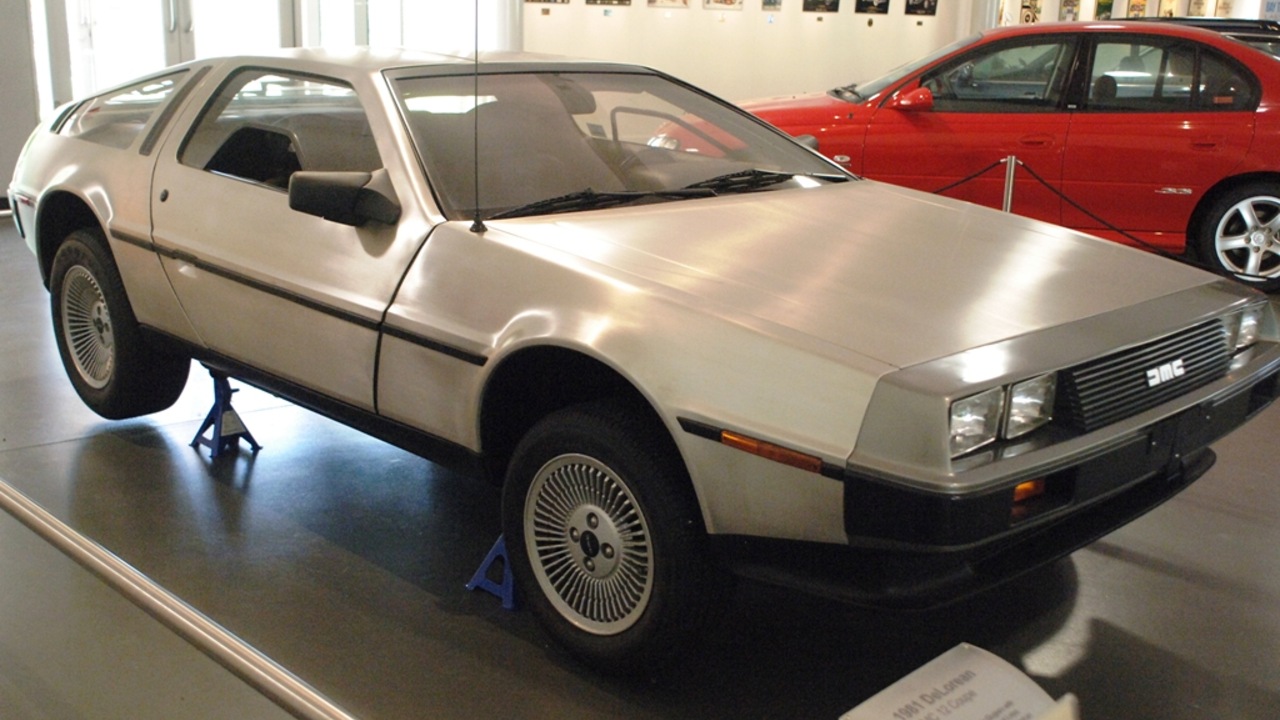
There is a strong symbolic charge in seeing a studio that helped define the look of the BMW M1 and the DeLorean now effectively run by a company whose core assets live in data centers. Italdesign has long been shorthand for the romance of Italian car design, with its history tied to brands like Alfa Romeo, Fiat, and Maserati, and to a vision of designers sketching by hand before sculpting full scale clay models. Handing control to a U.S. AI specialist signals that even this bastion of analog craft is being pulled into a world where algorithms and cloud infrastructure shape the earliest stages of a vehicle’s life.
One detailed description of the deal captures this contrast directly, noting that the transaction sounds almost symbolic because a legendary Italian design firm known for shaping the BMW M1 and the DeLorean now joins forces with a company whose tools largely live on servers instead of sketchpads. Another report underscores that Audi has sold a majority stake in the famous Italdesign studio to a U.S. based AI company, while coverage of the strategic partnership stresses UST’s focus on AI powered digital engineering. For me, the message is clear: the future of car design will be written as much in code as in curves, and Italdesign is being positioned as a showcase for how those two worlds can be fused.
How this deal fits into the wider shift toward software defined cars
Stepping back, Audi’s decision to let UST take charge of Italdesign Giugiaro fits into a broader industry shift toward software defined vehicles and AI driven development. Carmakers are under pressure to shorten development cycles, integrate complex digital features, and manage fleets of connected cars, all of which require capabilities that look more like those of a tech company than a traditional manufacturer. By partnering with UST and allowing it to run Italdesign, Audi is effectively outsourcing part of that transformation to a specialist while still keeping a stake in the outcome.
The Audi Group’s own framing of the partnership highlights that UST’s acquisition of a majority stake in Italdesign is meant to support the development of fully modern, digitally enabled vehicles, language that aligns with the industry wide push toward software defined architectures. Other reports describe the sale as a move toward digital era design exploration and emphasize that UST is an AI focused transformation company rather than a conventional supplier. When I connect those dots with Antonio Casu’s ambition to build both hardware and software for vehicles entirely in house, the picture that emerges is of Italdesign as a kind of experimental lab for the software defined car, where AI tools can be applied across styling, engineering, and embedded systems in a way that few traditional studios can match.
What to watch next as Italdesign’s AI era begins
Looking ahead, I will be watching three things to gauge whether this surprise handover delivers on its promise. First, whether Italdesign can actually accelerate project timelines and deliver more advanced digital features for clients like Audi and Lamborghini using UST’s AI platforms. Second, whether the studio can attract new customers that are less interested in heritage and more focused on software defined mobility, potentially including non traditional players. And third, whether Antonio Casu’s goal of uniting hardware and software development under one roof translates into concrete products rather than remaining an ambitious slogan.
The reporting so far suggests that all the ingredients are in place. Audi has sold a majority stake in Italdesign to UST while remaining a strategic partner and important client, Volkswagen and Lamborghini retain minority positions that keep the studio tied into a major automotive group, and UST brings AI powered digital engineering capabilities that are explicitly aimed at creating fully modern, digitally enabled vehicles. Italdesign, for its part, carries a legacy that stretches from the BMW M1 and DeLorean to contemporary concept cars, and now has a mandate to become the first company to create both the hardware and the software for a vehicle entirely in house. If that vision holds, Audi’s decision to hand control of Italdesign to a U.S. AI firm may come to be seen not as a retreat, but as an early bet on how car design will work in the age of algorithms.