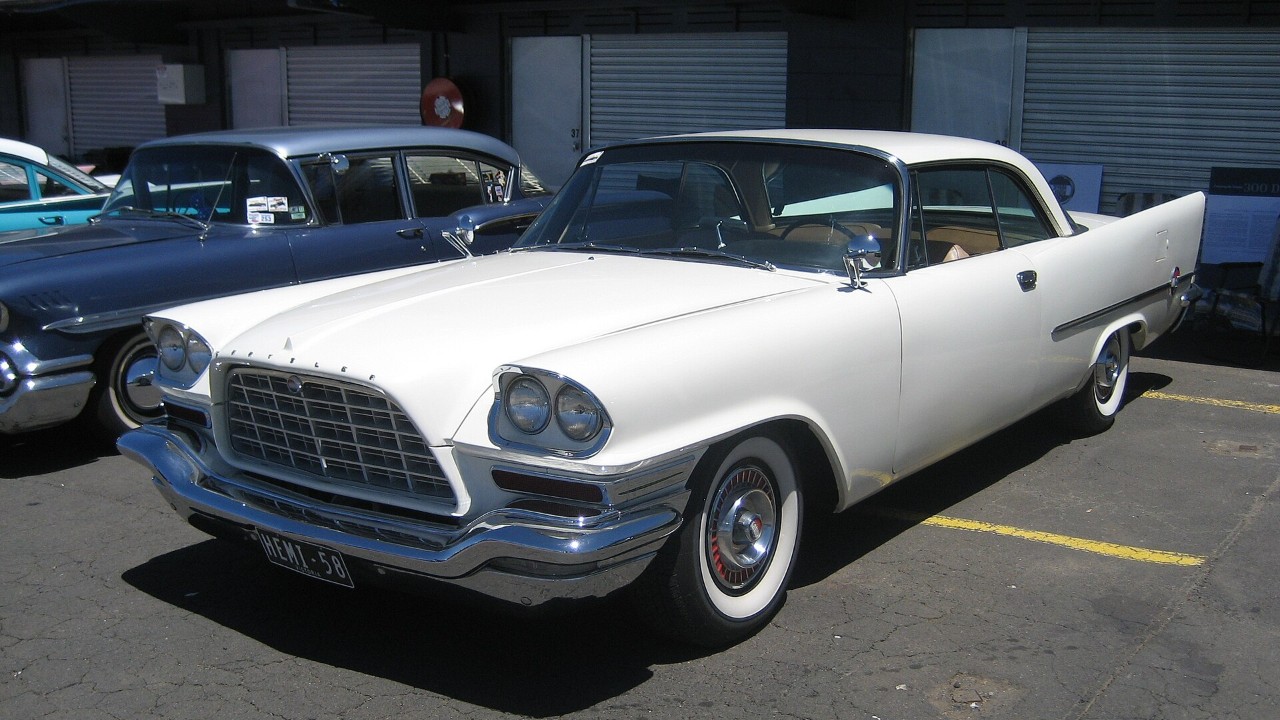
For 1958, a buyer of a Chrysler 300D could tick a box for electronic fuel injection. The system was the Bendix Electrojector, and Chrysler also offered it on the DeSoto Adventurer, Dodge D-500 and Plymouth Fury. Within months, however, most of those cars went back to dealers to have carburetors bolted on instead.
It was a very early attempt at the kind of injection nearly every modern car now uses. It failed because the electronics of the day could not survive under the hood.
Here is how the Bendix system worked, which cars got it, how many there were, and where the idea went next. The sources disagree on some numbers, so each one is attributed.
Where the Bendix Electrojector came from
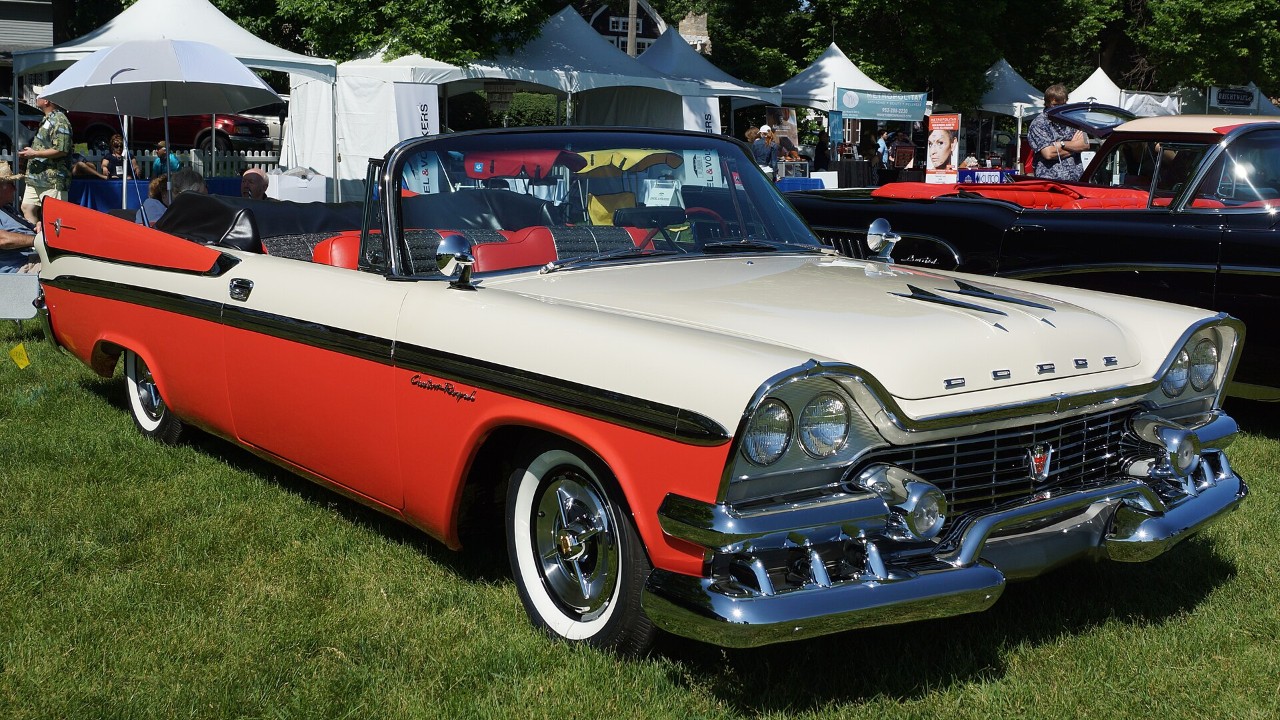
Bendix started on the design in 1951, drawing on its work with aircraft fuel injection, according to the Auto History Preservation Society. By contrast, a PistonHeads history of electronic fuel injection dates the start to 1953. The society says Bendix introduced the Electrojector in 1956.
American Motors got there first on paper. PistonHeads says AMC took up the system for its Rambler Rebel, due to launch in February 1957, and claimed it added 33 hp to the car’s 5.4-litre V8. Even so, supply problems meant no fuel-injected Ramblers reached the public.
Chrysler tested it next. A 300C hardtop wore the Bendix unit in factory tests in February 1957, the society reports. Then Chrysler made it an option on the 1958 300, Adventurer, D-500 and Fury.
How the system worked
The Bendix Electrojector was a true multipoint system, the society says. Eight solenoid-type injectors drew from a common fuel rail held at 20 psi. Several sensors measured what the engine was doing.
A compact “brain box” did the thinking. The society describes it as an analog computer that set how long each injector stayed open. A commutator added to the distributor routed the signal to each cylinder. As a result, each spray was timed to the opening of its intake valve.
PistonHeads lists the rest of the hardware. It included an electric fuel pump, temperature and pressure sensors, twin throttle bodies and a throttle position sensor. Those are the same basic parts found in later electronic injection.
What it did to a 1958 Chrysler 300D
The Chrysler 300D used a 392-cubic-inch V8, according to the Chrysler 300 Club’s 300D specifications. With carburetors, the club rates it at 380 hp at 5,200 rpm. With the Bendix system, it lists 390 brake horsepower at the same engine speed.
Converting a car was hands-on work. The society says dual four-barrel cars went to the DeSoto plant on Warren Avenue. There, workers removed the carburetors and fitted the injection manifold, the brain box, an in-tank electric fuel pump and a 40-amp generator.
The option was not cheap. PistonHeads puts the price at $637, while the society gives it as “$600+.” For context, the 300 Club lists the 300D hardtop at $5,173 before options.
How many cars got fuel injection
Nobody has one firm count. PistonHeads says 35 Electrojector cars reached customers. The society, however, quotes the DeSoto plant superintendent’s report for January 20 to July 15, 1958.
That report lists 35 Chrysler 300Ds, 12 Dodges, five DeSotos and two Plymouths. Meanwhile, the society adds that microfiche records show only 16 fuel-injected 300s. The safest reading is a few dozen cars across all four brands.
Why dealers swapped in twin carburetors
The weak point was the electronics. PistonHeads says the control unit’s capacitors “couldn’t tolerate under-bonnet conditions” and that the system needed constant adjustment. The society is more specific. It says paper-wrapped capacitors in the computer failed under constant swings in heat, cold and humidity.
The society also reports a stranger problem. Because the system sent its injector signals by amplitude modulation, powerful AM radio stations could override them.
According to the society, owners who complained got one answer: bring the car back and let the dealer reinstall the original twin carburetors. PistonHeads likewise says dealers swapped in dual-quad carburetors and retrofitted most of the cars. Notably, the society states that “Chrysler never did an official EFI recall.” Today, it says, one 300D and one Adventurer are believed to survive with their injection intact.
Where the Bendix idea went next
PistonHeads says Chrysler abandoned the system after that, but Bendix kept its patents. Then, in 1965, Bendix licensed them to Bosch. Bosch then built its first electronic injection system, D-Jetronic, around that groundwork.
The society also traces Bosch’s D-Jetronic back to the Bendix design. PistonHeads says D-Jetronic first appeared on the 1967 Volkswagen 1600. By 1990, the same article notes, electronic fuel injection had become practically standard on new cars.
More from Fast Lane Only
- Unboxing the WWII Jeep in a Crate
- 15 rare Chevys collectors are quietly buying
- 10 underrated V8s still worth hunting down
- Police notice this before you even roll window down
This article was created with the help of AI and was reviewed and edited by Fast Lane Only editors before publication.