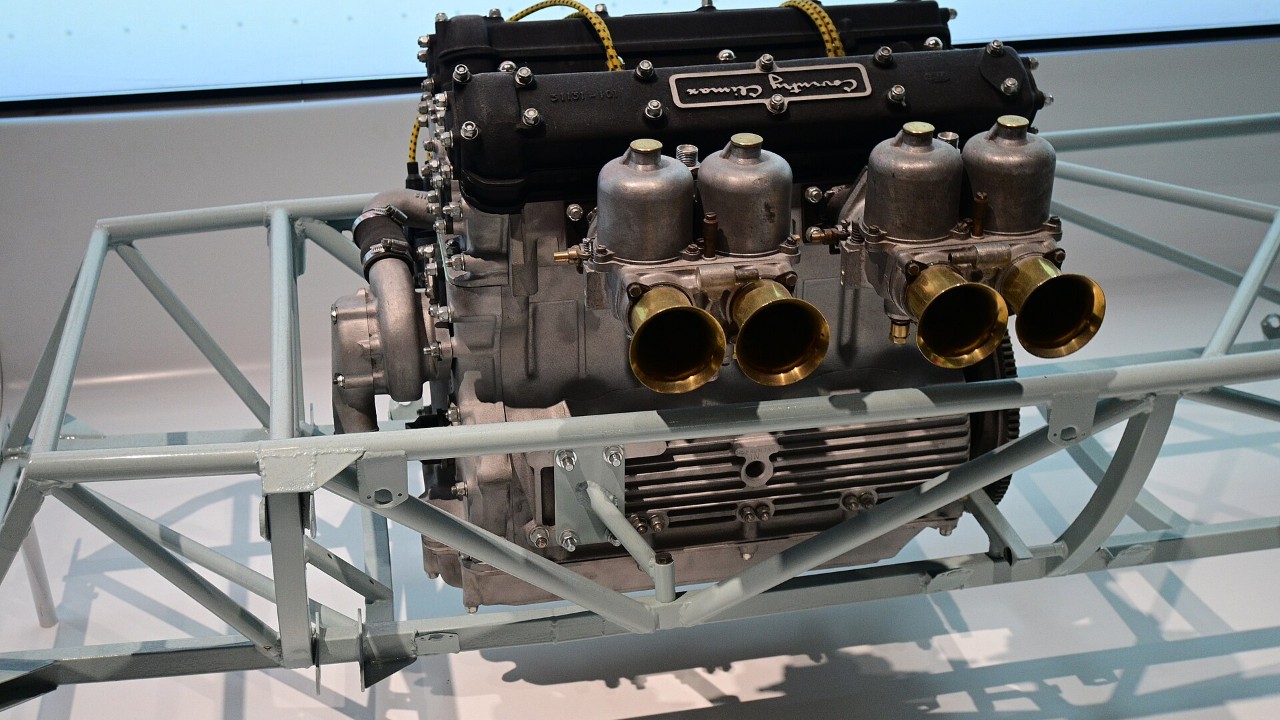
In 1950, Coventry Climax set out to build a lighter fire pump for the British military. Nine years later, its engines powered Jack Brabham to the Formula 1 World Championship. The route between those two points ran through a 1,020cc aluminum four-cylinder engine called the FW.
The pump engine itself never raced in a Grand Prix. Instead, it gave the company the design team, the know-how and the reputation that led to its racing engines. Here is how that happened, step by step.
Every figure in this story comes from engine histories and period race reports. Where those sources differ, the article says which one is speaking.
Coventry Climax before the fire pump
Pulham Lee, a former Daimler engineer, founded the company in 1903 to build engines for small carmakers, according to Grandprix.com’s Coventry Climax history. Early on, one of its engines powered a tractor on Shackleton’s 1914 Antarctic expedition. In the 1930s, its customers included Triumph, Morgan and Standard.
Hard times then pushed the business in a new direction. Leonard Lee, who had succeeded his father, began making water pumps for fire brigades, Grandprix.com says. That pump business is what brought the next big job.
The 1950 brief: twice the water, half the weight
In 1950, Britain’s Ministry of Defence asked for bids on a portable fire pump. According to Hagerty’s history of the engine, it had to move twice the water of an existing design at half the weight. In fact, the whole package could weigh no more than 160 kg, including the pump, fuel tank, battery and frame.
To meet that brief, Lee hired Jaguar engine designer Walter Hassan in 1950, Grandprix.com reports. Hagerty adds that Harry Mundy, formerly of the BRM Formula 1 team, joined as chief designer. Mundy also laid out the engine’s U-flow cylinder head.
The 1,020cc FW “Feather Weight” engine
The result was the FW, short for Feather Weight. Hagerty describes a 1,020cc inline four with an aluminum block and head and dry cast-iron cylinder liners. It also used a single overhead camshaft, three main bearings and an aluminum sump.
The FW made 36 hp at 3,500 rpm, and the engine weighed just 82 kg, according to Hagerty. That was modest power. However, it was a light, modern overhead-cam design, and that is what caught racers’ attention.
Grandprix.com says the FW appeared at the London Motor Show and drew interest from the motorsport world. Hassan then designed the FWA, a lightweight version meant for cars.
From pump engine to race engine
Hagerty says the FWA appeared at the 1953 Earls Court motor show. In car form, it grew to 1,097cc and made 71 hp at 6,000 rpm. By 1956, development had lifted it to 90 hp at 7,000 rpm, and Weber carburetors pushed it to 96 hp.
The first Coventry Climax racing engine ran at Le Mans in 1954 in a Kieft chassis, though it did not finish, Grandprix.com reports. Next came the FWB at 1,460cc and 108 hp, sized for the new 1,500cc Formula 2 class in 1956, according to Hagerty. Grandprix.com says it soon became the engine to have in Formula 2.
The family kept growing on the road as well. Hagerty says Climax built about 1,000 FWE engines of 1,216cc for the Lotus Elite from 1957 to 1963. Later, the Rootes Group built a derivative under license for the Hillman Imp from 1963 to 1976.
The FPF and the 1959 world title
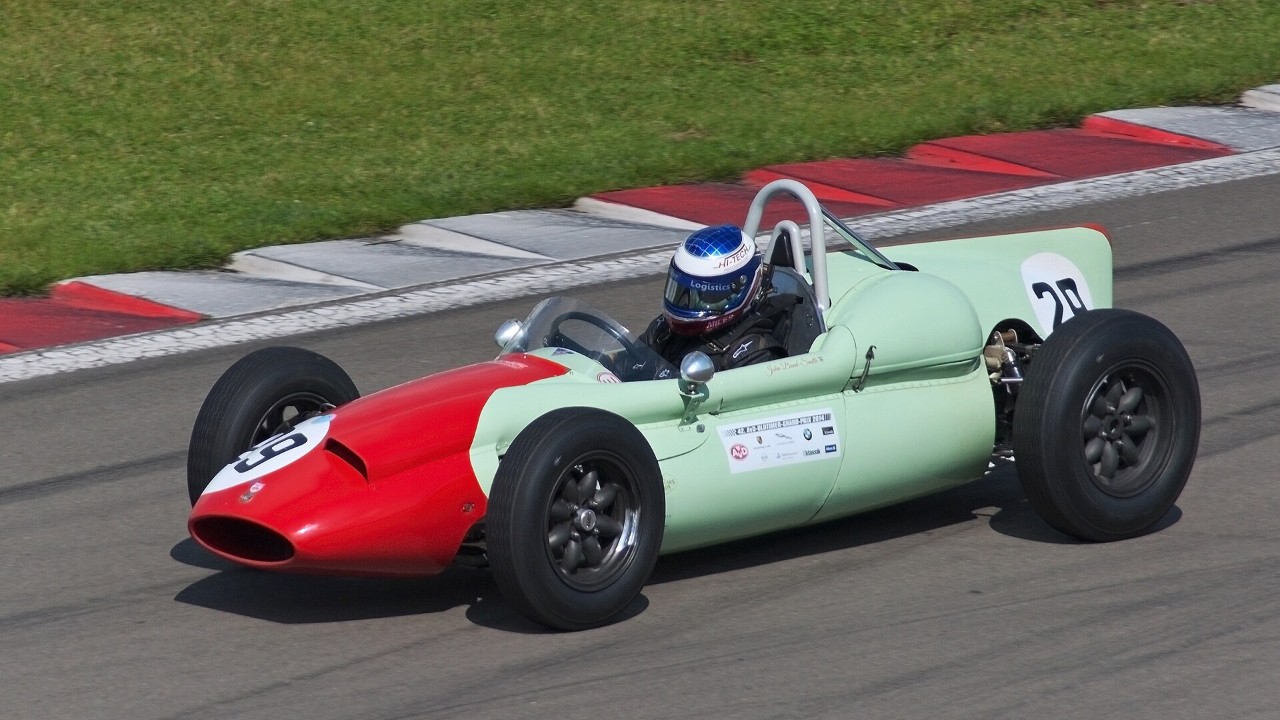
Formula 1 called for something bigger. Climax engines entered F1 in Cooper chassis, first the FWB and then a new four-cylinder racing design, the FPF, Grandprix.com says. Stirling Moss won the company’s first F1 race in Argentina in 1958 with a 1.9-liter version.
Then the full 2.5-liter FPF arrived in 1959. That year, Brabham won the World Championship in a Cooper-Climax, according to Grandprix.com.
He did it the hard way. At the final race at Sebring, Florida, on December 12, his Climax engine failed about 400 yards from the finish, Motor Sport magazine reports. Brabham pushed his Cooper to the line and finished fourth, enough to clinch the title. Bruce McLaren, also in a Cooper-Climax, won the race.
Motor Sport calls it the first title for Climax and the first for a rear-engined car. So the fire-pump company now had a world champion’s engine, even though the winning FPF was a separate racing design.
What Coventry Climax won, and how it ended
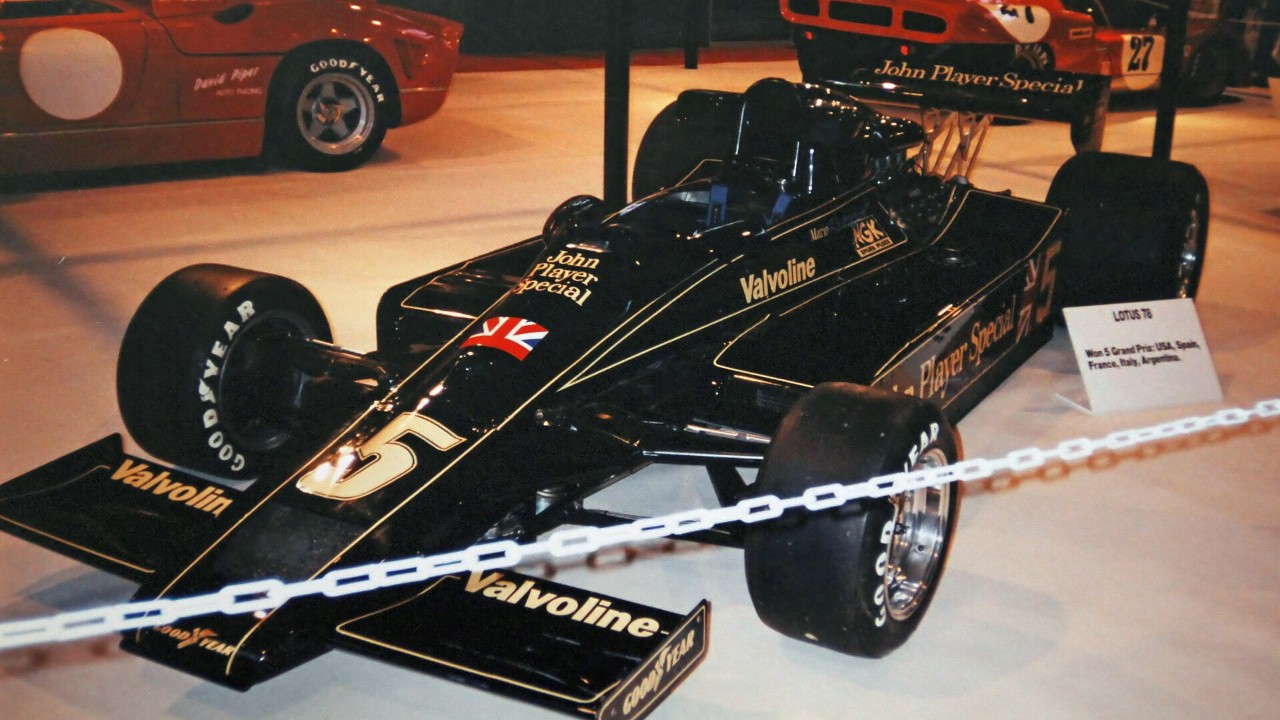
Hagerty lists Formula 1 titles for Coventry Climax engines in 1959, 1960, 1963 and 1965, with Cooper and Lotus. In addition, it counts Formula 2 titles in 1958, 1959 and 1960. Grandprix.com tallies 22 Grand Prix wins before the 3-liter formula began in 1966.
Jaguar took over the company in 1963, both sources say. Then, in 1966, Coventry Climax withdrew from building race engines. Hagerty says racing publicity had never covered the cost. Afterward, according to Grandprix.com, the company made engines for forklifts and military vehicles, notably the Chieftain tank.
More from Fast Lane Only
- Unboxing the WWII Jeep in a Crate
- 15 rare Chevys collectors are quietly buying
- 10 underrated V8s still worth hunting down
- Police notice this before you even roll window down
This article was created with the help of AI and was reviewed and edited by Fast Lane Only editors before publication.