The 1950s was a decade known for its bold automotive designs, with grilles playing a crucial role in defining a car’s aesthetic. These elements were not merely functional but served as the face of the vehicle, offering a glimpse into the craftsmanship and style of the era. Let’s explore some of the best-looking factory grilles that left a lasting impression during this iconic period.
Chevrolet Bel Air
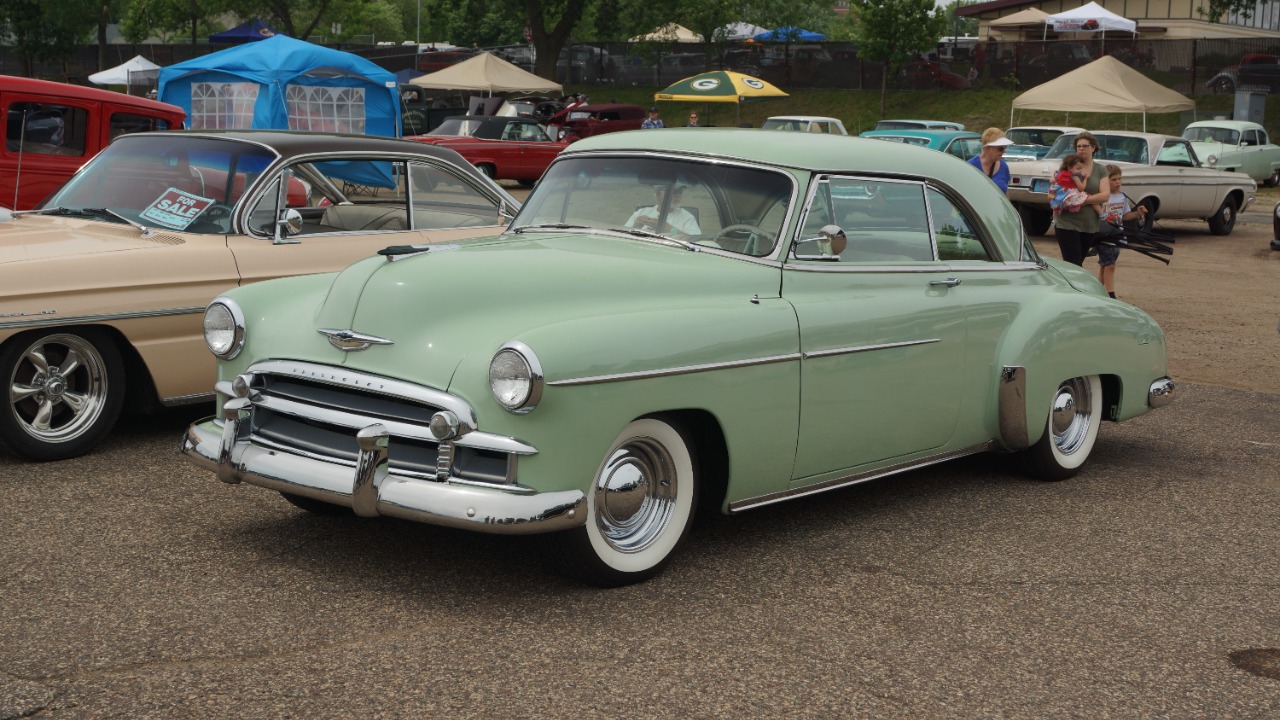
The Chevrolet Bel Air is a classic example of 1950s automotive style. Its grille, characterized by a wide chrome bar adorned with a Chevrolet emblem, exuded elegance and sophistication. This design element was both functional and ornamental, enhancing the car’s overall aesthetic appeal. The use of chrome was a staple in car design during this era, and the Bel Air’s grille perfectly exemplified this trend. Its horizontal slats gave the vehicle a sense of width and presence on the road, making it a standout in its class. The 1955-57 models of the Bel Air are especially celebrated for their grilles. These versions featured a central V-shaped badge, which became synonymous with Chevy’s design language. The grille’s intricate detailing and seamless integration with the car’s bumper spoke volumes about the attention to detail that went into its creation. It’s no wonder that the Bel Air remains a beloved icon among classic car enthusiasts.
Ford Thunderbird
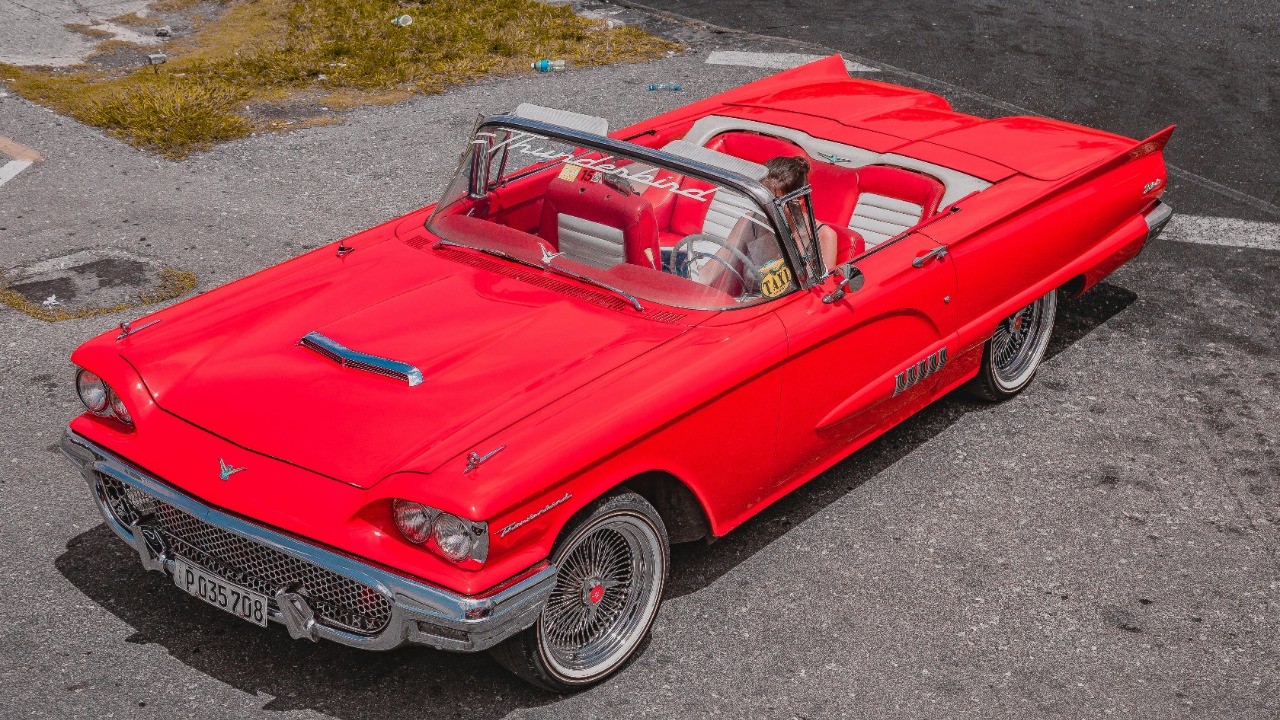
The Ford Thunderbird debuted in the mid-’50s and quickly became a symbol of personal luxury. Its grille was a significant contributor to its appeal, featuring a wide and open-mouthed design that exuded confidence. The horizontal bars were framed by circular headlights, giving the car a distinctive and aggressive look. This design was not just about aesthetics; it also provided efficient airflow to the engine, enhancing the vehicle’s performance. The Thunderbird’s grille design evolved over the years, but the early models of the ’50s remain iconic. The combination of chrome and mesh elements provided a striking contrast, while the overall design emphasized the car’s sporty nature. This balance of form and function was a hallmark of Ford’s design philosophy during the period.
Cadillac Eldorado
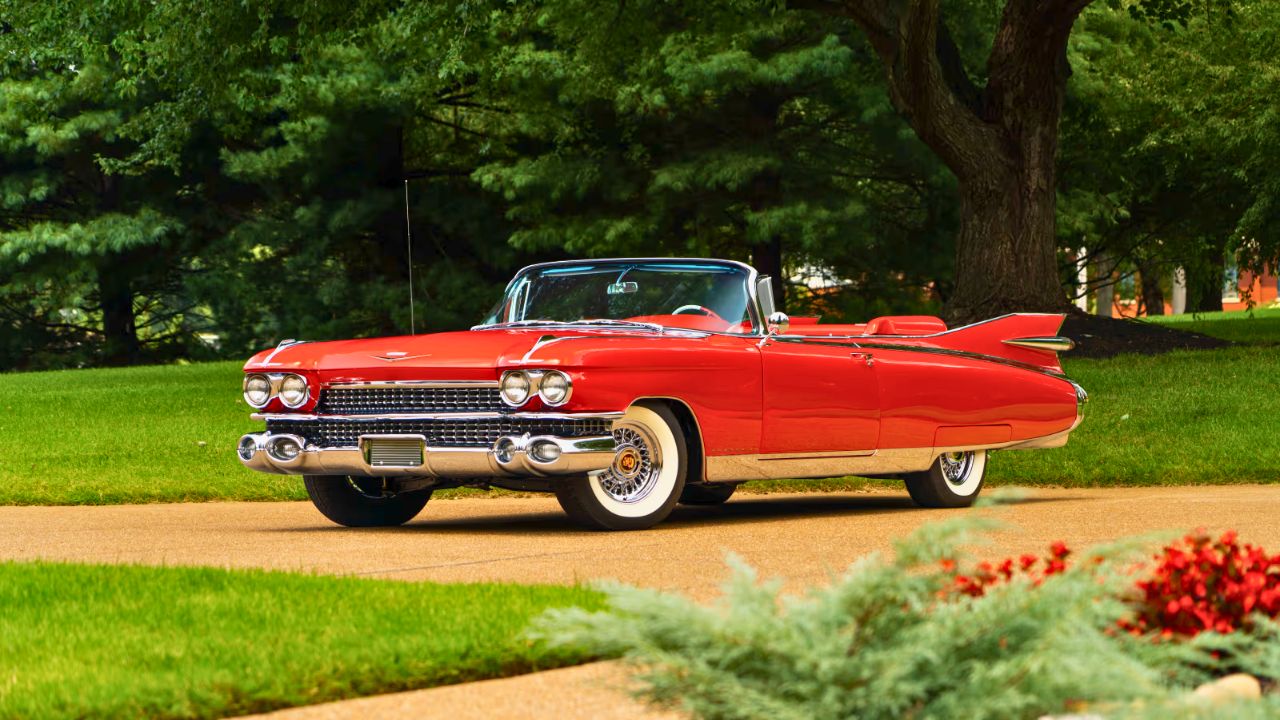
Cadillac’s Eldorado was the epitome of luxury in the 1950s, and its grille was a testament to this status. The grille featured a bold and expansive design with a distinctive egg-crate pattern that became a signature of Cadillac’s styling. This intricate pattern added depth and sophistication, reflecting the brand’s commitment to luxury and detail. The Eldorado’s grille was more than just a visual statement. It symbolized Cadillac’s innovation and leadership in the luxury automobile segment. The integration of the grille with the car’s front-end design, including its iconic tailfins, created a cohesive and memorable look that has stood the test of time.
Buick Roadmaster
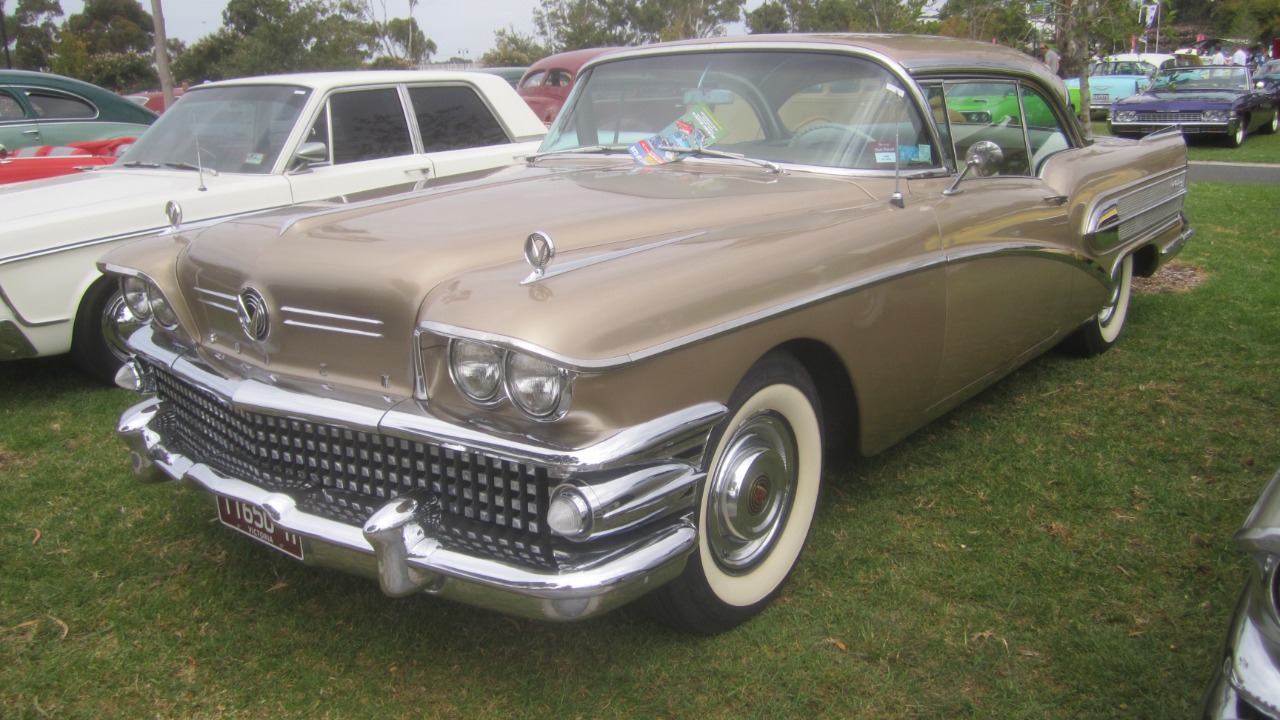
The Buick Roadmaster was another icon of the 1950s, with a grille that epitomized the era’s style. The Roadmaster’s grille was expansive and featured a series of vertical bars that provided a sense of grandeur and authority. This design was both practical and visually appealing, contributing to the car’s imposing presence. Buick’s attention to detail was evident in the Roadmaster’s grille, with each element carefully crafted to enhance the vehicle’s aesthetic. This grille design became a defining characteristic of Buick’s identity, symbolizing the brand’s commitment to elegance and performance. The Roadmaster’s grille remains a favorite among classic car collectors and enthusiasts.
Chrysler 300
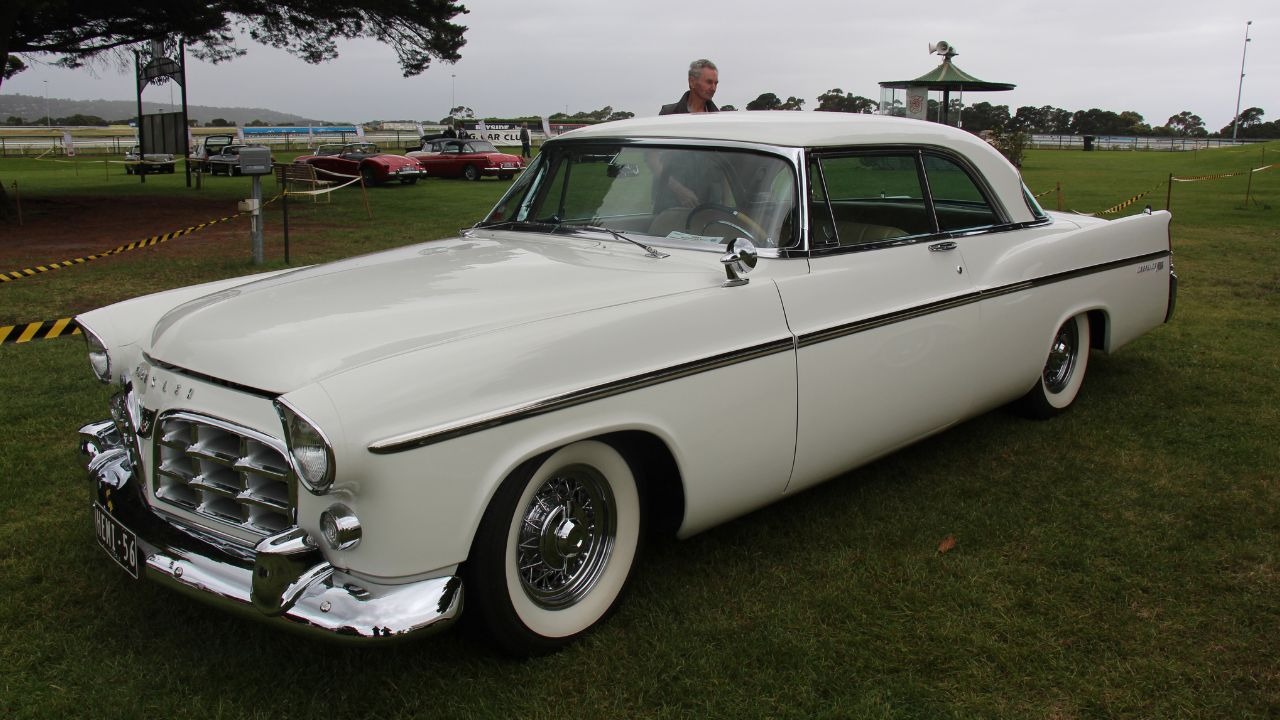
The Chrysler 300, known for its powerful performance and sleek design, featured a grille that perfectly matched its robust character. The grille was wide and low, with a mesh pattern that added a touch of aggression and sophistication. This design complemented the car’s overall aerodynamic shape, enhancing its sporty appeal. The 300’s grille was not just about looks; it played a crucial role in maintaining engine performance by allowing optimal airflow. This blend of form and function was a key aspect of Chrysler’s design philosophy, making the 300 a standout model of the 1950s. Its grille design continues to influence modern Chrysler vehicles, showcasing its lasting legacy.
Studebaker Commander
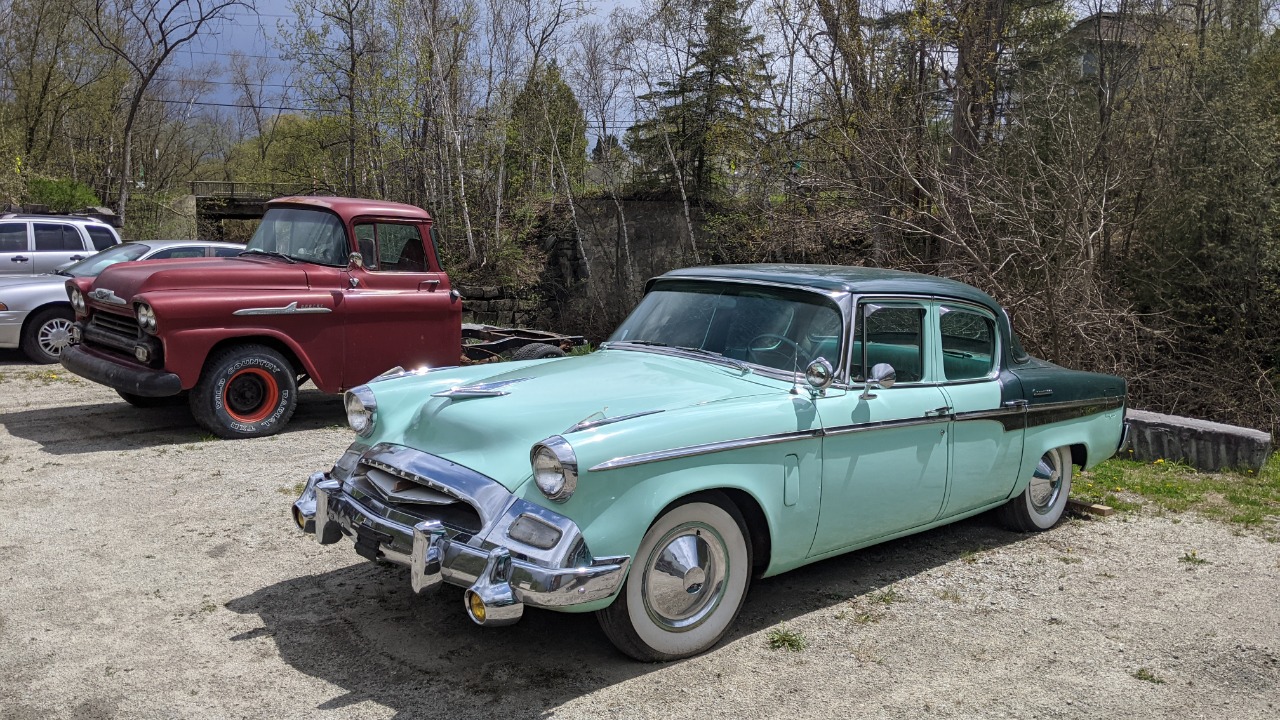
The Studebaker Commander was a unique presence on the roads of the 1950s, and its grille was a defining feature of its design. The Commander featured a chrome-laden grille with a bullet-nose center, a hallmark of Studebaker’s bold design approach. This distinctive element set the Commander apart from its contemporaries, making it a memorable part of automotive history. Studebaker’s design team embraced innovation, and the Commander’s grille reflected this spirit. The combination of chrome and body-colored elements provided a striking contrast that highlighted the car’s sleek lines. This attention to detail helped solidify the Commander as a classic car favorite.
Pontiac Bonneville
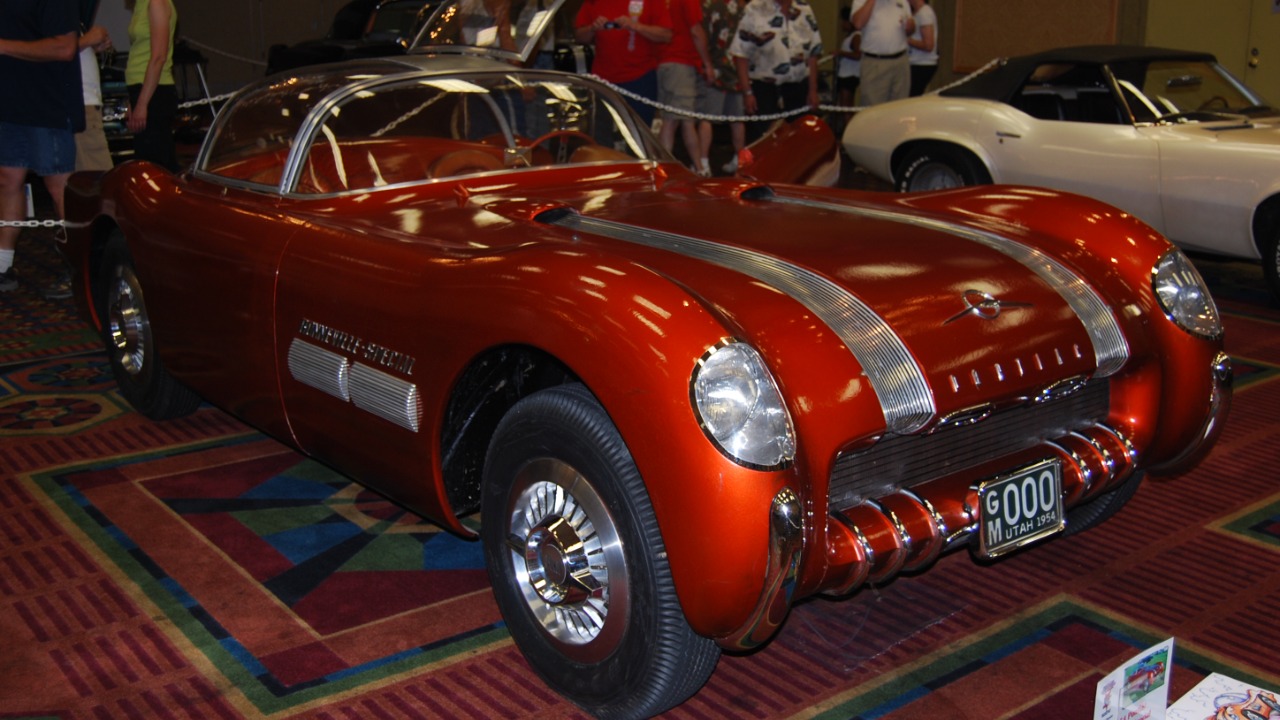
The Pontiac Bonneville was introduced as a high-performance vehicle, and its grille design emphasized this sporty nature. The Bonneville’s grille was wide and accented with chrome details, highlighting the car’s dynamic and aggressive stance. This design was a perfect match for the car’s powerful engine and performance capabilities. Pontiac’s commitment to style and innovation was evident in the Bonneville’s grille. The integration of the grille with the car’s front fascia created a seamless and cohesive look that remains influential in automotive design. The Bonneville’s grille is a testament to the creativity and craftsmanship that defined the 1950s automotive industry.