BMW is turning its cars into rolling AI companions, not just connected appliances. By bringing Amazon’s new Alexa Plus into its next generation of vehicles, starting with the 2026 BMW iX3, the company is betting that a more conversational assistant will change how drivers give commands, get information, and even argue over directions. Instead of tapping through menus, drivers will be able to talk to the car in full sentences and expect it to understand context, remember preferences, and coordinate with the rest of their Amazon world.
The move folds Alexa Plus into BMW’s own Intelligent Personal Assistant and its latest Panoramic iDrive cockpit, creating a single voice layer that can handle both car functions and cloud services. It is a shift that turns voice from a bolt‑on feature into the primary interface for navigation, entertainment, and everyday tasks, and it raises new questions about data, safety, and who really owns the relationship with the driver.
BMW’s Alexa Plus bet and what “generative in‑car AI” really means
BMW is positioning Alexa Plus as a milestone in human‑vehicle interaction, not just another software upgrade. The BMW Group describes the new system as generative in‑vehicle AI that sets “a new milestone in how people interact with their car,” with the technology slated to roll out across models running BMW Operating System X in the second half of 2026. In practice, that means the assistant is designed to handle open‑ended questions, follow‑up prompts, and multi‑step tasks, rather than the rigid command phrases that have defined most in‑car voice systems so far, a shift the company frames as a “new level of natural dialogue” inside the cabin.
Amazon’s side of the equation is Alexa Plus, described as a generative‑AI upgrade to Alexa that is less rigid and more conversational, with the ability to break down complex requests and reason through them. Reporting on the 2026 BMW iX3 notes that the voice assistant will be powered by Alexa Plus, with Amazon saying the end result is a system that can interpret layered instructions without forcing the driver to repeat themselves or jump between apps. BMW has said it is the first automaker to integrate Alexa Plus directly into its cars, and it is treating that early access as a strategic advantage in the race to define what generative AI looks like on the road.
Inside the 2026 iX3: Panoramic iDrive meets a new voice layer
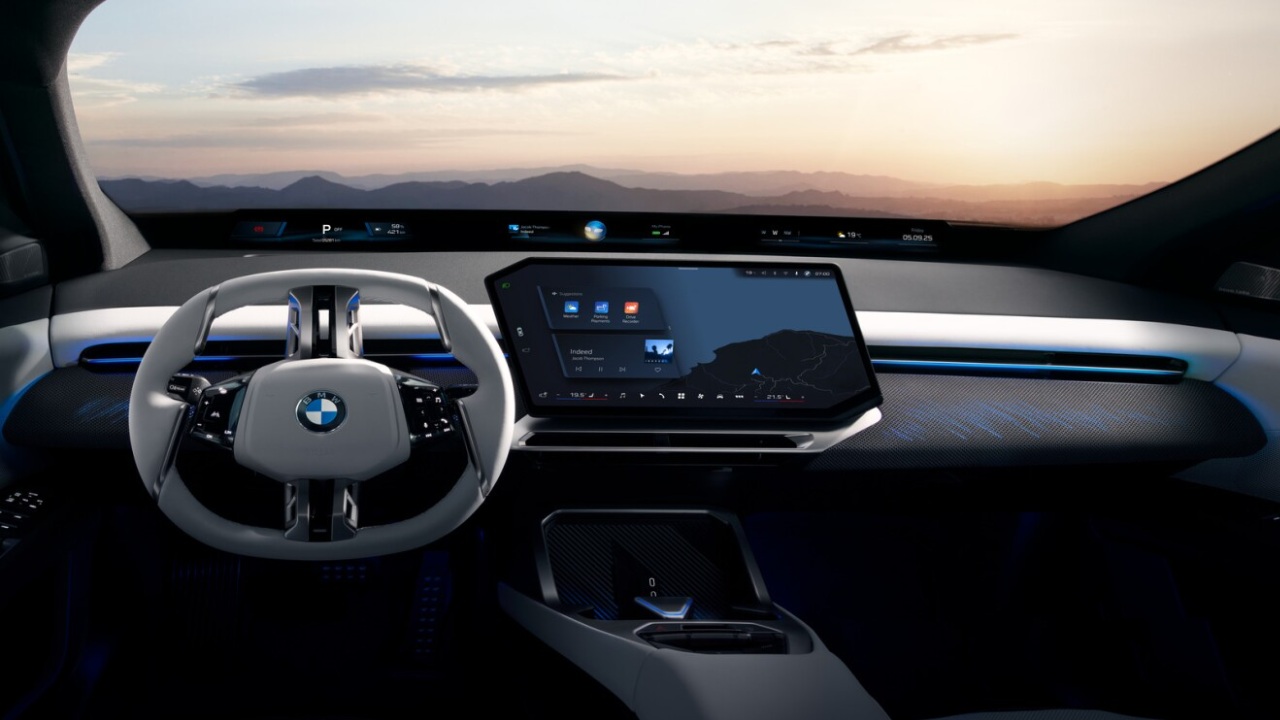
The 2026 BMW iX3 is the launchpad for this strategy, and its hardware is built to showcase it. At CES, BMW is previewing the iX3 alongside a new Panoramic iDrive setup that stretches a wide display across the dashboard and rethinks how information is layered in front of the driver. The company pitches Panoramic iDrive as a redefinition of the cockpit, with fewer physical controls and a stronger emphasis on voice and large‑format visuals, a combination that makes a more capable assistant feel less like a gadget and more like the primary control surface of the car.
In that environment, Alexa Plus is not just answering trivia or turning on the seat heaters, it is orchestrating navigation, media, and vehicle settings through natural speech. Coverage of the iX3 integration notes that the assistant is built in as the default voice layer, so drivers can ask for route changes, adjust climate zones, or search for charging stations without thinking about which app or menu tree those functions live in. BMW’s own description of its Intelligent Personal Assistant, now expanded to include Amazon Alexa technology, emphasizes that the AI can manage both car‑specific tasks and cloud‑based services, which is crucial when the cockpit is dominated by a single panoramic display and fewer physical buttons.
From rigid commands to real conversations in the cabin
The most immediate change drivers will notice is how they talk to the car. With Alexa Plus architecture working under the hood, BMW and Amazon say drivers will benefit from a more natural, conversational style of in‑vehicle interaction that can handle follow‑up questions and context. Instead of issuing clipped commands like “navigate home” or “temperature 70,” a driver could say something like “Find me a fast charger on the way to my sister’s place, but avoid toll roads and let me know if traffic gets bad,” and expect the assistant to parse the request, plan a route, and keep monitoring conditions without a series of separate prompts.
BMW’s own framing of its Intelligent Personal Assistant expansion underscores that the AI technology is meant to enable a new level of natural dialogue, with the system able to understand more complex phrasing and maintain a back‑and‑forth conversation. Reporting on Alexa Plus explains that Amazon’s generative upgrade is designed to be less rigid and more conversational, with the ability to break down complex requests and reason through them. In the car, that translates into fewer misunderstandings, fewer repeated commands, and a smoother handoff between tasks like navigation, media control, and smart‑home queries, which is why some early coverage describes the change as giving the car a “personality update” that can reduce friction, even in something as mundane as deciding which route to take.
How BMW and Amazon are splitting the work behind the scenes
Under the surface, BMW is not simply handing the keys to Amazon, it is layering Alexa Plus into its own digital architecture. The BMW Group describes the integration as an expansion of the BMW Intelligent Personal Assistant to include Amazon Alexa technology, with the AI running on BMW Operating System X and using artificial intelligence to interpret driver intent. That means core vehicle functions, from drive modes to climate control, still sit inside BMW’s own software stack, while Alexa Plus provides the generative language capabilities and access to the wider Amazon ecosystem.
Amazon, for its part, is supplying the Alexa Plus architecture and the cloud infrastructure behind it, including services such as AWS and Bedrock that power the generative models. Reporting on the partnership notes that BMW and Amazon announced the plan to bring Alexa Plus onboard as a way to deliver smarter navigation, better chat, and tighter integration with existing Amazon accounts. The 2026 BMW iX3 will launch with Amazon’s Alexa Plus as its built‑in voice assistant, and coverage of the system emphasizes that it is designed to work with a driver’s existing Amazon world, so routines, shopping lists, and smart‑home controls can follow them into the car without separate setup.
What this means for drivers, rivals, and the future cockpit
For drivers, the payoff is less about novelty and more about reducing friction in everyday use. With Alexa Plus integrated into the BMW Intelligent Personal Assistant, the car can act as a single point of contact for tasks that used to require juggling apps and screens. Reporting on the iX3 voice assistant notes that the system is meant to let drivers stay in one conversational flow instead of jumping around between apps, which matters when attention is already split between the road and the dashboard. Features like smarter navigation, more flexible chat, and the ability to coordinate with smart‑home devices promise fewer arguments over directions and less time spent poking at the Panoramic iDrive display.
The move also raises the stakes for other automakers and tech companies that are racing to define the next generation of in‑car interfaces. CES is typically where brands show off new screens, sensors, and bold visions of the future, but BMW’s Alexa Plus announcement shifts the focus to the invisible layer of AI that sits between the driver and all that hardware. The BMW Group has signaled that this generative in‑vehicle AI is an important step on its path to offering the technology across the entire BMW model range, and it is presenting the integration as a milestone in voice interaction. That puts pressure on rivals to decide whether to double down on their own assistants or strike similar deals with cloud providers, and it forces regulators and consumers to think harder about how much of their driving life they are comfortable routing through a single conversational AI.
More from Fast Lane Only: