After a decade of breathless predictions about an all-electric future, the global car market is quietly pivoting back toward gasoline and other combustion engines. From luxury V12s to revived truck icons and surging hybrids, automakers and buyers are signaling that internal combustion is not ready to exit the stage.
What is emerging instead is a messy, pragmatic middle ground, where policy reversals, consumer hesitation, and corporate strategy are combining to slow the electric vehicle revolution and give gas engines a second wind in markets far beyond the United States.
Policy whiplash and a global rethink of the all-EV timeline
The most powerful force behind the combustion comeback is not nostalgia, it is policy uncertainty. Governments that once pushed aggressive electric mandates are now softening their stance, and that shift is rippling through boardrooms and showrooms. New research from consulting company EY, cited in recent coverage, shows that car buyers across the globe are reconsidering earlier enthusiasm for fully electric models, with many who had previously leaned toward an EV now opting for combustion or hybrid alternatives instead.
That change in sentiment is reinforced by a wave of political and regulatory recalibration. Under President Trump, federal rules that had been designed to accelerate EV adoption have been weakened, and global automakers are slowing their electric rollouts as governments ease emissions targets and stretch out timelines for bans on combustion sales. A separate analysis of the electric vehicle industry describes how the sector has taken a “pummeling” in the past year, with The Brief noting that the Topline is a tougher environment for both the U.S. and global EV markets, a backdrop that makes long term all-electric bets look riskier than they did just a few years ago.
Consumers are cooling on pure EVs, from America to Asia
On the demand side, buyers are sending a clear message: they want more choice, not a forced march to battery-only cars. According to EY’s latest mobility research, summarized in reporting on how gas engines are making a comeback, roughly half of global car buyers now say their next vehicle will have a combustion engine, a sharp reversal from earlier surveys that showed a steady march toward electrification. That shift is not confined to America, where political debate over EV mandates is loudest, but is also visible in Europe and the Asia-Pacific region, where New research indicates a growing share of shoppers who had once favored EVs are now reconsidering.
China, the world’s largest auto market, illustrates the nuance. Chinese buyers are still purchasing large volumes of electric vehicles, yet analysts quoted in the same reporting note that these customers are less fixated on how their cars are powered and more concerned with price, features, and convenience. In other words, the powertrain is becoming a secondary consideration, which opens the door for combustion and hybrid models to compete aggressively on value. That ambivalence is echoed in commentary that Many Americans are reluctant to shift to an all-electric garage, a sentiment automakers are actively banking on as they recalibrate their product plans.
Automakers pivot back to gas, hybrids, and flexible powertrains
Automakers are not just reading the polls, they are rewriting their investment plans. Stellantis offers one of the clearest examples, committing $13 billion to a gas powered future in America and sidelining some of its most ambitious EV projects. The company’s strategy includes new internal combustion platforms and extended production timelines for existing engines, with production ramping up through 2029, a direct bet that U.S. buyers will not embrace all electric lineups as quickly as once forecast.
That strategic shift is mirrored in Stellantis’s brands. During 2025, Ram Trucks revived the HEMI engine, brought back the Hellcat powered TRX truck, and canceled its electric pickup, moves that would have been hard to imagine at the height of EV optimism. Other global players are making similar calls. Major car manufacturers are reversing their all electric strategies and reinvesting in internal combustion engines to maintain profitability, with reporting highlighting how companies like Ford and Japanese automakers are keeping ICE investments alive even as they continue to develop EVs. At the same time, Global automakers are slowing EV rollouts as governments ease mandates, and Honda’s decision to put some EV ambitions in the rearview while leaning harder into hybrids fits squarely into that pattern.
Hybrids surge as the compromise technology of choice
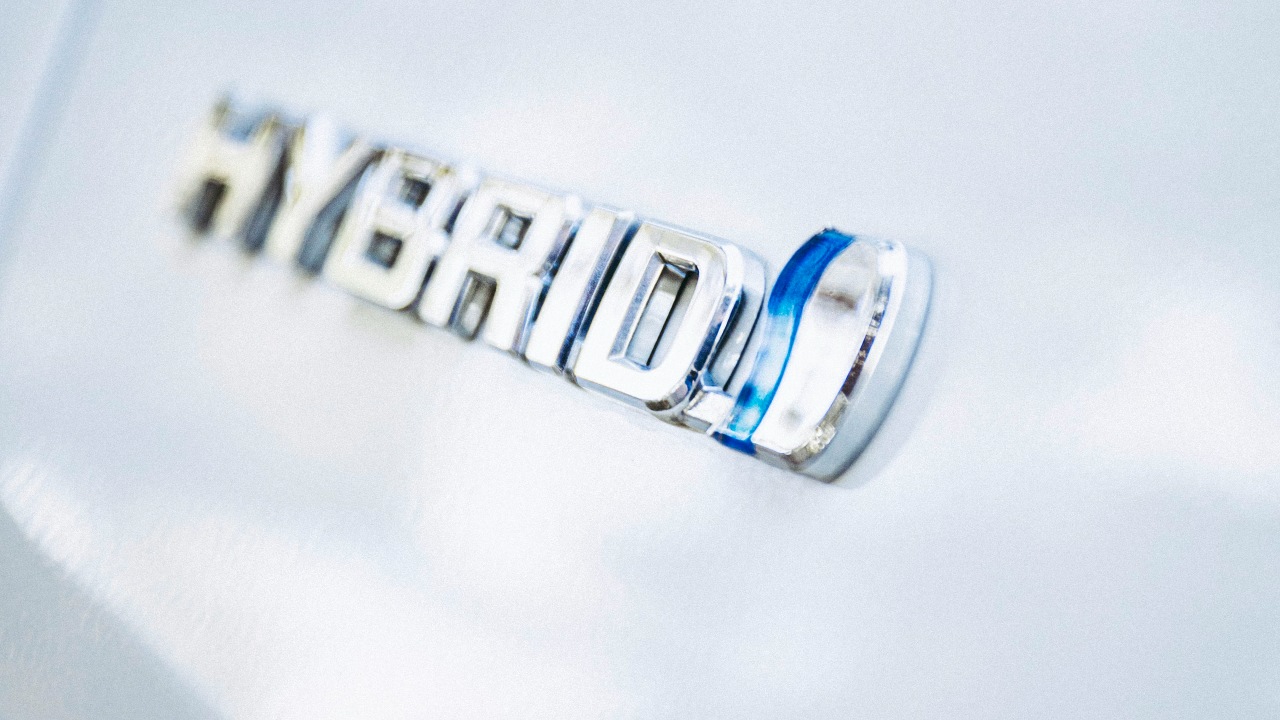
If pure gasoline and pure electric represent the extremes, hybrids are increasingly the middle lane that both buyers and manufacturers find most comfortable. With the realization that pure EVs will not take over the market anytime soon, hybrids of all varieties are filling the electric gap, as one year end industry review put it. That assessment is backed up by dealer level experience. Like many car dealers, Scott Kunes has described “EV whiplash,” noting that in one quarter he sold electric vehicles like ice cream, only to see demand cool sharply as inventory piled up and customers gravitated back to hybrids and plug in hybrids instead.
Automakers are responding by reshaping their lineups around this blended technology. A detailed discussion of 2025’s auto trends notes that hybrids and plug in hybrids are back in the spotlight, while the recent wave of EV production slowdowns is affecting nearly every major automaker, including Ford, Volkswagen, and Toy branded operations. Honda’s strategic pivot underscores the same reality, with executives aligning their plans with the broader industry trend of using hybrids to bridge a slower than expected transition to full electrification. For many buyers, hybrids offer a way to cut fuel use and emissions without the charging anxiety and infrastructure gaps that still dog battery only models.
Luxury, performance, and regional markets keep combustion aspirational
At the top of the market, the combustion comeback is not about compromise, it is about desire. Rolls-Royce executives have been explicit that they see very strong demand for V12 engines, and that where client demand continues for that engine, they will continue to produce Rolls-Royce models with it. That stance, reported in coverage of how the brand is revving up custom cars for the super rich as EV demand drops, shows that even as luxury marques experiment with electric flagships, they are not ready to abandon the emotional pull of large, powerful gas engines for their most loyal customers.
More broadly, combustion technology is evolving rather than standing still. Description of the four cylinder engine market highlights how Automakers like General Motors, Porsche, BMW, and Mercedes are investing in new or upgraded four cylinder engines that are more efficient and compatible with hybrid systems, a sign that internal combustion is being refined to coexist with electrification rather than be replaced overnight. In parallel, Regional Analysis of the automotive natural gas vehicle market notes that, Geographically, North America and Europe remain important segments, with natural gas powertrains positioned as lower emission alternatives in commercial fleets. Beyond light vehicles, Furthermore, gas to power demand is forecast to stabilize and potentially see a slight recovery of 1.7 to 1.8% in 2025 to 26, suggesting that gas infrastructure and expertise will remain central to the broader energy and mobility ecosystem.
Regional sales data also point to a more gradual shift than early EV boosters predicted. Full year 2025 growth in global light vehicle demand is expected to be in the range of 2 to 3%, a modest expansion that leaves little room for radical powertrain turnover. In South America, for example, volumes are still below their previous peak of 4.6 million units, which encourages manufacturers to prioritize affordable, proven combustion platforms over expensive new EV architectures. In this context, the resurgence of gas engines is less a backlash and more a reflection of economic and infrastructural realities that vary sharply from one region to another.
Dealers, drivers, and the politics of a slower transition
On the ground, retailers are amplifying the pushback against aggressive EV timelines. More than 5,000 dealerships across the U.S. signed an open letter urging federal and state officials to relax emissions rules and certain states’ EV sales requirements, arguing that customer demand is not keeping pace with regulatory targets. That kind of coordinated pressure matters, because dealers are the ones sitting across the desk from hesitant buyers who worry about charging access, resale values, and the long term reliability of new battery technologies.
The political backdrop reinforces those concerns. The Trump administration has already weakened several EV related mandates, and analysts note that these moves have encouraged companies to hedge their bets and keep combustion options in the pipeline. At the same time, industry wide EV slowdowns, from Ford to Volkswagen to Toy branded operations, are leading to plant adjustments and job impacts, such as the decision by General Motors to close a Georgia IT center that affected 900 employees, as part of a broader restructuring tied to changing EV production plans. In that environment, the return of gas engines, hybrids, and flexible powertrains looks less like a detour and more like the new baseline for a transition that will be slower, more uneven, and far more combustion friendly than early forecasts ever imagined.
More from Fast Lane Only: