Boost controllers are essential for anyone looking to maximize the performance of their turbocharged engines. These devices help regulate the amount of boost pressure generated by a turbocharger, ensuring that power levels are kept in check for reliability and performance. Whether you’re racing or just looking to enhance your driving experience, the right boost controller can make all the difference. Let’s explore some of the most effective types available today.
Electronic Boost Controllers
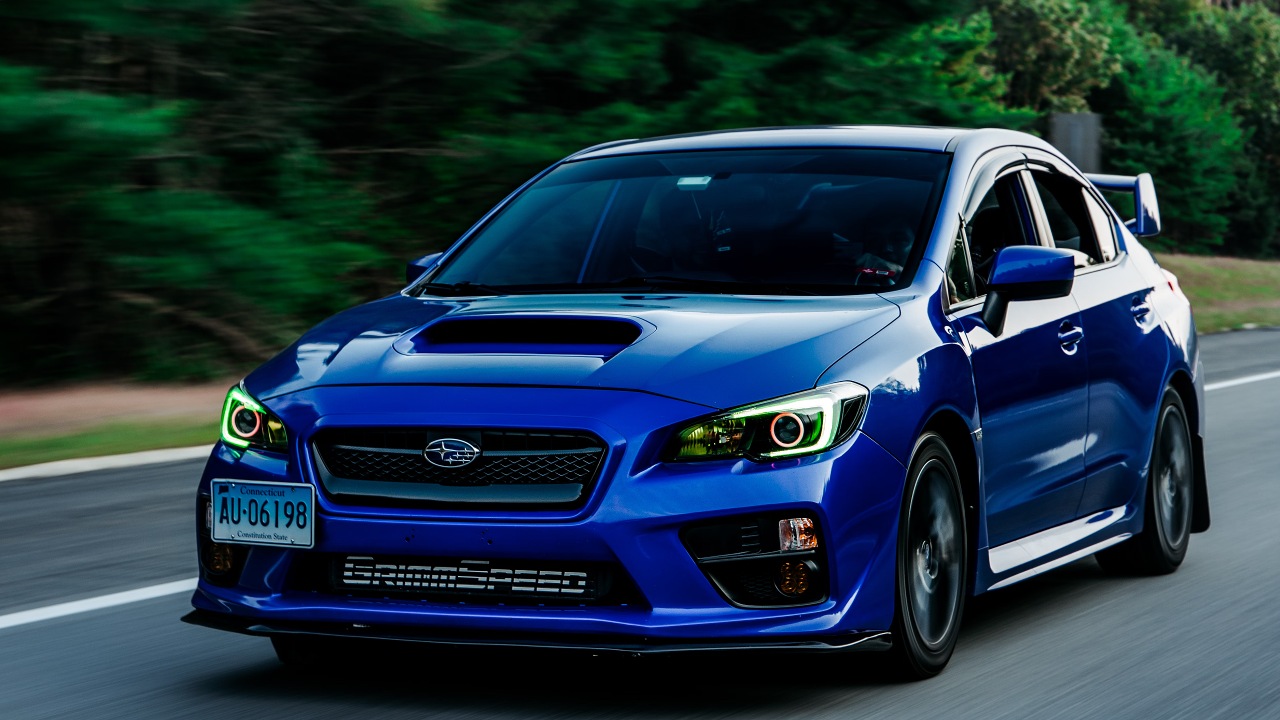
Electronic Boost Controllers (EBCs) offer precise control over boost levels, making them a popular choice for enthusiasts. They utilize electronic solenoids to adjust the turbo’s wastegate, allowing users to set customized boost levels for various driving conditions. For instance, the 2020 Subaru WRX benefits greatly from an EBC, as it allows drivers to fine-tune their boost settings for both daily driving and track days. With features like boost-by-gear and overboost protection, EBCs offer the versatility and safety that manual controllers can’t match.
Manual Boost Controllers
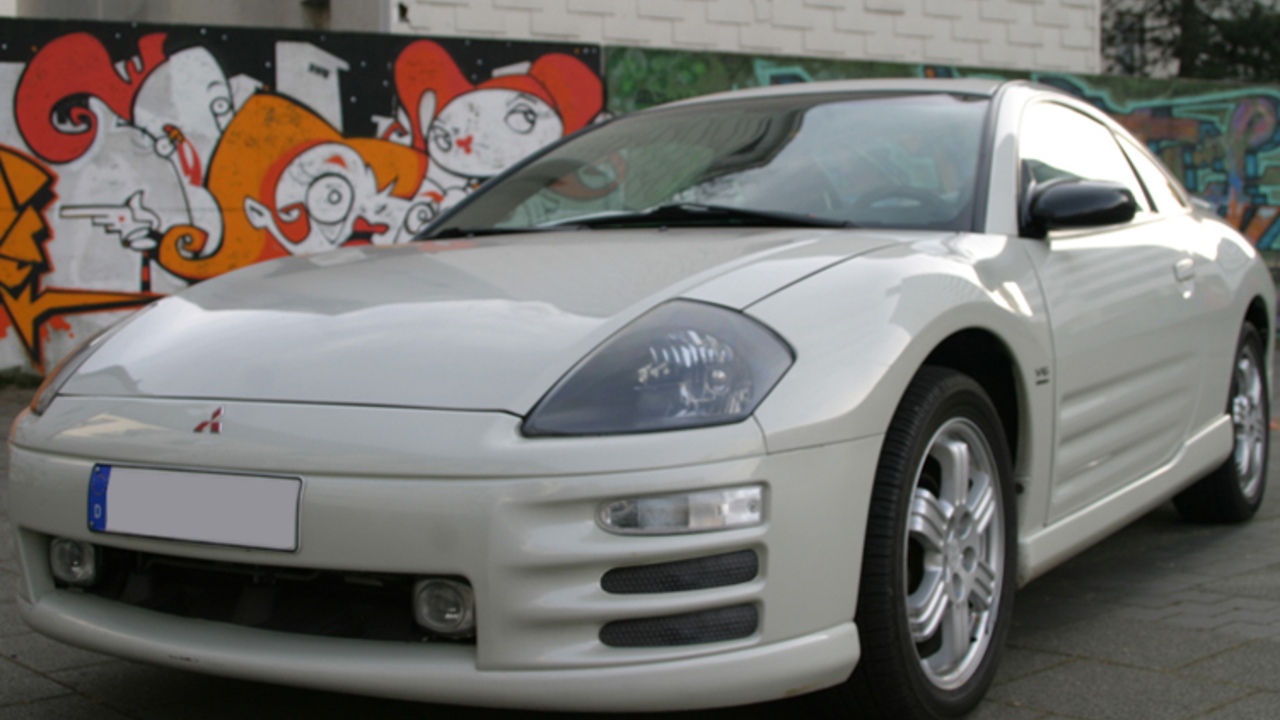
Manual Boost Controllers (MBCs) are a more straightforward and budget-friendly option for controlling boost pressure. They operate using a simple valve mechanism, which can be adjusted by hand to increase or decrease boost levels. The Mitsubishi Eclipse GS-T & GSX is a classic example where an MBC can be effectively utilized. While they lack the precision of electronic controllers, MBCs are ideal for those who prefer a more hands-on approach to tuning. They’re easy to install and adjust, making them a go-to for many budget-conscious tuners.
Dual-Stage Boost Controllers
Dual-Stage Boost Controllers allow drivers to switch between two preset boost levels, providing flexibility for different driving scenarios. This feature is particularly beneficial for vehicles like the 2015 Ford Mustang with EcoBoost 2.3L engine, where the driver might want a lower boost setting for street use and a higher setting for track events. With the flick of a switch, drivers can seamlessly transition between power levels, optimizing performance while maintaining fuel efficiency. This adaptability makes dual-stage controllers a favorite among those who frequently alternate between driving environments.
Ball and Spring Boost Controllers
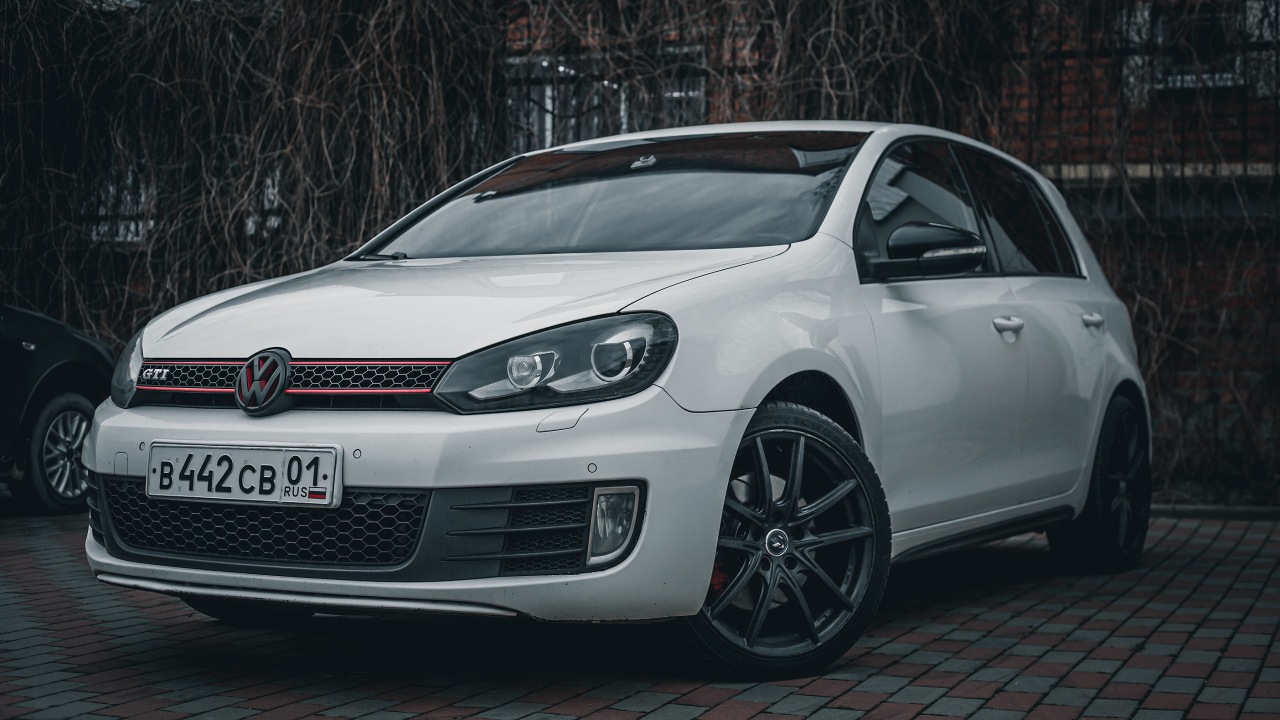
Ball and Spring Boost Controllers are a type of manual controller that uses a spring-loaded ball to control boost pressure. This design allows for a quicker spool of the turbo, as seen in the 2002 Volkswagen Golf GTI with 1.8T turbo. The ball and spring mechanism reduces the delay in boost response, making it an excellent choice for those seeking improved throttle response and quicker acceleration. Although they require occasional maintenance, their simple design and effectiveness make them a popular choice among DIY enthusiasts.
Solenoid-Based Boost Controllers
Solenoid-Based Boost Controllers use solenoids to manage boost pressure electronically. By regulating the air pressure to the wastegate, these controllers provide precise control over turbo boost levels. An excellent application of solenoid-based systems can be found in the 2018 Honda Civic Type R, where they help to optimize engine performance and fuel efficiency. These controllers are often integrated into more advanced electronic systems, providing features like boost-by-gear and overboost protection for enhanced engine safety and performance.
Integrated Boost Controllers
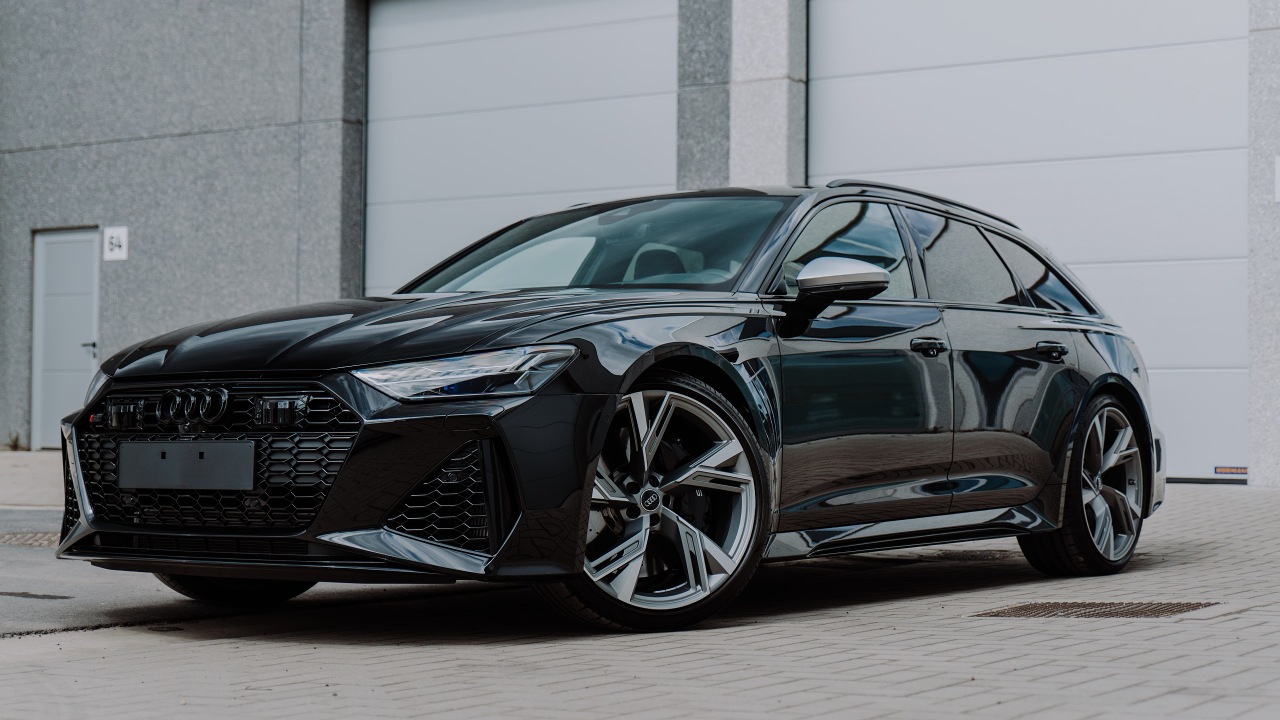
Integrated Boost Controllers are built into the engine management system, offering seamless control over boost pressure as part of the overall engine tuning. Vehicles like the 2021 Audi RS6 Avant benefit from this integration, as it allows for sophisticated control strategies that optimize power delivery and efficiency. These controllers often work in conjunction with other engine management features, such as ignition timing and fuel delivery, providing a comprehensive solution for maximizing performance without sacrificing reliability.
Boost Controllers with Built-in Gauges
Boost Controllers with Built-in Gauges offer the convenience of real-time boost level monitoring alongside control capabilities. This dual functionality is perfect for vehicles like the 2019 BMW M2, where drivers demand both performance and precision. With the integrated gauge, users can easily monitor boost pressure while making adjustments, ensuring optimal performance and preventing overboost conditions. This feature is especially valuable for track enthusiasts who need to keep an eye on their engine’s performance during high-stress driving scenarios.
Wireless Boost Controllers
Wireless Boost Controllers bring modern technology to the forefront by allowing users to control boost levels via a smartphone app. This innovation is particularly appealing for tech-savvy drivers, who appreciate the convenience of wireless connectivity. With features like remote adjustments and data logging, these controllers offer unprecedented flexibility and ease of use. The ability to fine-tune boost settings on the go makes wireless controllers an attractive option for anyone looking to modernize their vehicle’s performance management.