Brazil’s automotive history is a fascinating journey of innovation, adaptation, and cultural integration. From its early days to its current status as a major player in the global market, Brazil’s car industry has been shaped by unique factors over the decades. Discover the distinctive path that has defined Brazil’s automotive landscape.
The Origins of Brazil’s Automotive Industry
The introduction of automobiles to Brazil dates back to the late 19th and early 20th centuries, marking the beginning of a transformative era. The first cars arrived from Europe and the United States, bringing with them the influence of established automotive giants. These early vehicles were a novelty, primarily owned by the affluent, and set the stage for the country’s burgeoning interest in automotive technology.
Government policies played a crucial role in shaping the early automotive industry in Brazil. Import tariffs were strategically implemented to protect nascent local industries, while industrialization policies encouraged domestic production. Incentives and subsidies further bolstered the sector, laying the groundwork for a robust automotive industry that would eventually become a significant part of Brazil’s economy.
The Rise of National Automakers
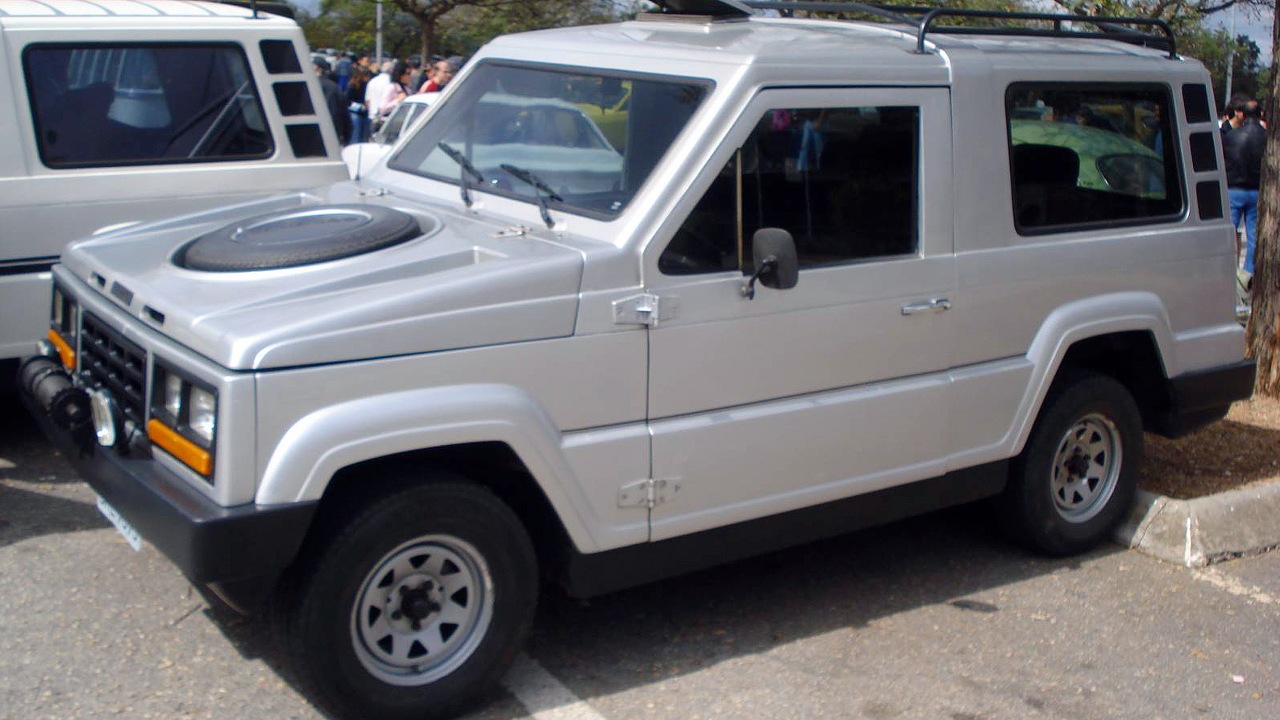
As the automotive industry matured, local brands began to emerge, with companies like Gurgel leading the charge. Founded in the 1960s, Gurgel became synonymous with Brazilian innovation, producing vehicles that catered to local needs and conditions. Despite facing challenges such as limited resources and competition from international brands, domestic manufacturers found success by focusing on niche markets and leveraging local expertise.
Partnerships with international companies further accelerated the growth of Brazil’s automotive industry. Joint ventures with global giants like Volkswagen and Fiat brought technological advancements and economic benefits. These collaborations not only enhanced the capabilities of local manufacturers but also integrated Brazil more deeply into the global automotive supply chain.
The Evolution of Car Culture in Brazil
Brazilian culture has had a profound impact on automotive design, with local aesthetics influencing everything from color choices to interior layouts. Car manufacturers have adapted to consumer preferences, creating vehicles that resonate with the Brazilian lifestyle. This cultural integration has helped shape a unique automotive identity that distinguishes Brazilian cars on the global stage.
Cars hold a significant place in Brazilian society, reflecting social dynamics and lifestyle choices. Popular events like the São Paulo Auto Show highlight the cultural importance of automobiles, drawing enthusiasts from across the country. These gatherings celebrate not only the latest automotive innovations but also the deep-rooted passion Brazilians have for cars.
Environmental and Economic Challenges
Brazil’s automotive industry has not been immune to the country’s economic fluctuations. Economic cycles have influenced production and sales, prompting manufacturers to develop strategies for resilience and recovery. By focusing on efficiency and innovation, the industry has managed to navigate turbulent times and maintain its competitive edge.
Environmental concerns have also driven significant changes in Brazil’s automotive sector. The shift towards sustainable solutions has led to the development of biofuels and alternative energy vehicles. Brazil has become a leader in biofuel technology, with ethanol-powered cars gaining popularity as a cleaner alternative to traditional gasoline engines.
The Future of Brazil’s Automotive Industry
Emerging trends and technologies are set to redefine Brazil’s automotive landscape. Digital transformation and automation are revolutionizing car manufacturing, while the rise of electric vehicles promises to reshape future mobility solutions. These advancements present both challenges and opportunities for Brazilian automakers as they adapt to a rapidly changing industry.
Looking ahead, Brazil’s position in the global automotive market appears promising. With a strong foundation and a commitment to innovation, the country is poised for growth and expansion. However, ongoing challenges such as economic volatility and environmental concerns will require continued adaptation and strategic planning to ensure long-term success.