None of the nine cars below is a Beetle or a bus. Instead, the list runs from the Volkswagen Type 34, a Karmann Ghia that never came to America, to a 420-hp W12 luxury sedan. Along the way, though, come early fuel injection, a pickup built in Pennsylvania and VW’s first full-time all-wheel drive in the U.S.
Each entry carries the production figure, engine or price that period tests and valuation records give for it. The order is chronological, so it runs from 1961 to 2004.
1. 1961–1969 Volkswagen Type 34 Karmann Ghia
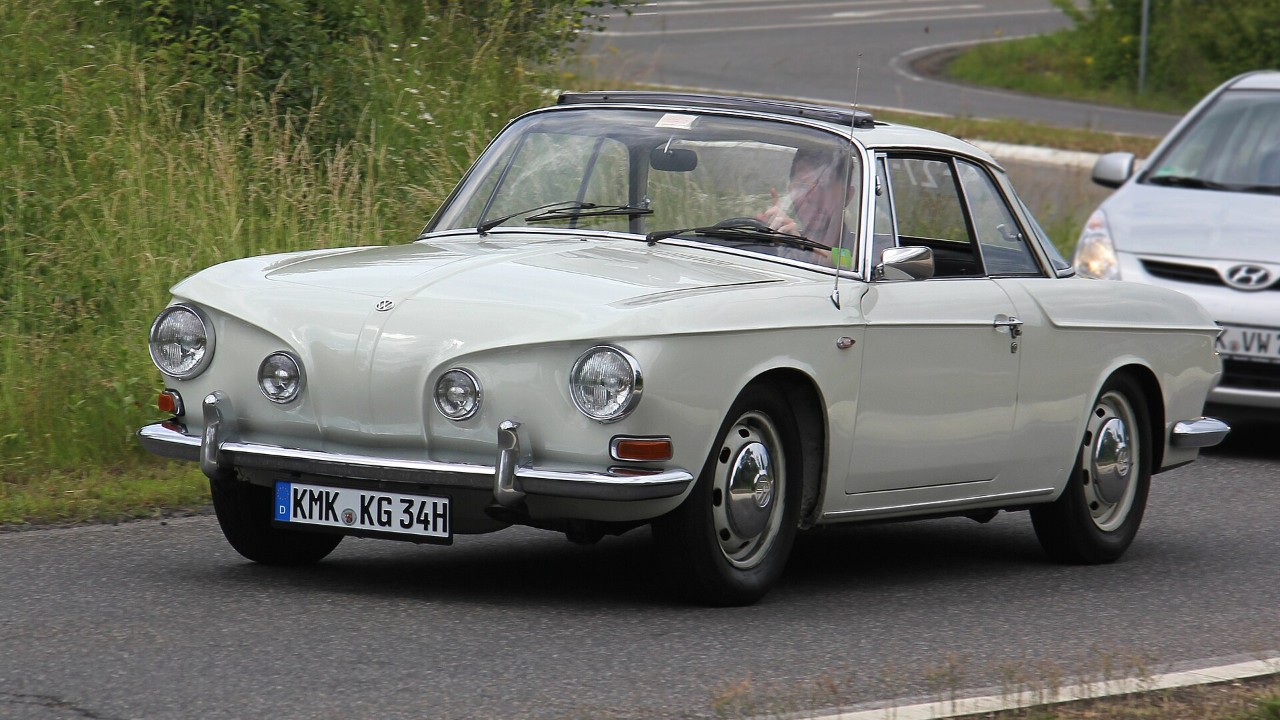
Volkswagen launched a second, larger Karmann Ghia in 1961 on its new Type 3 platform. Sergio Sartorelli of Carrozzeria Ghia shaped it, and American designer Tom Tjaarda gave it a more angular look. Its design also brought raised fender lines, an upright greenhouse and long overhangs.
It was also expensive. In Germany it cost DM 8,750, against DM 5,990 for VW’s own 1500 coupe, The Truth About Cars reports. Early cars used a 1,493 cc flat-four of about 53 hp, and a 66-hp 1,584 cc engine and front disc brakes arrived with the 1967 update. Volkswagen sold some 42,498 by 1969, yet it never offered the Volkswagen Type 34 in the United States.
2. 1968 Volkswagen Type 3 Squareback

For 1968, Volkswagen made a big change to the Type 3’s air-cooled flat-four. It dropped the twin carburetors and fitted electronic fuel injection instead. The system, in fact, was Bosch’s D-Jetronic.
That matters more than it sounds. Jalopnik calls the Type 3 the first car with electronically controlled fuel injection built in real numbers. By comparison, the 1957 Corvette’s injection was mechanical, and DeSoto’s 1958 electronic system reached only 35 cars.
3. 1974–1981 Volkswagen Scirocco

Karmann in Osnabrück needed a successor to the rear-engined Karmann Ghia, and the Scirocco was it. Giorgetto Giugiaro drew the 2+2 coupe, and he also drew the Golf. In fact, the Scirocco reached buyers about three months before the Golf was presented.
Journalists first saw it on February 24, 1974, and the public premiere followed at the Geneva show that March, Motor1 recounts. Its name refers to a hot wind blowing from the Sahara toward the Mediterranean. Later, from 1976, a 110-PS fuel-injected 1.6 joined the range. By February 1981, Karmann had built 504,153 first-generation cars.
4. 1979 Volkswagen Rabbit Pickup
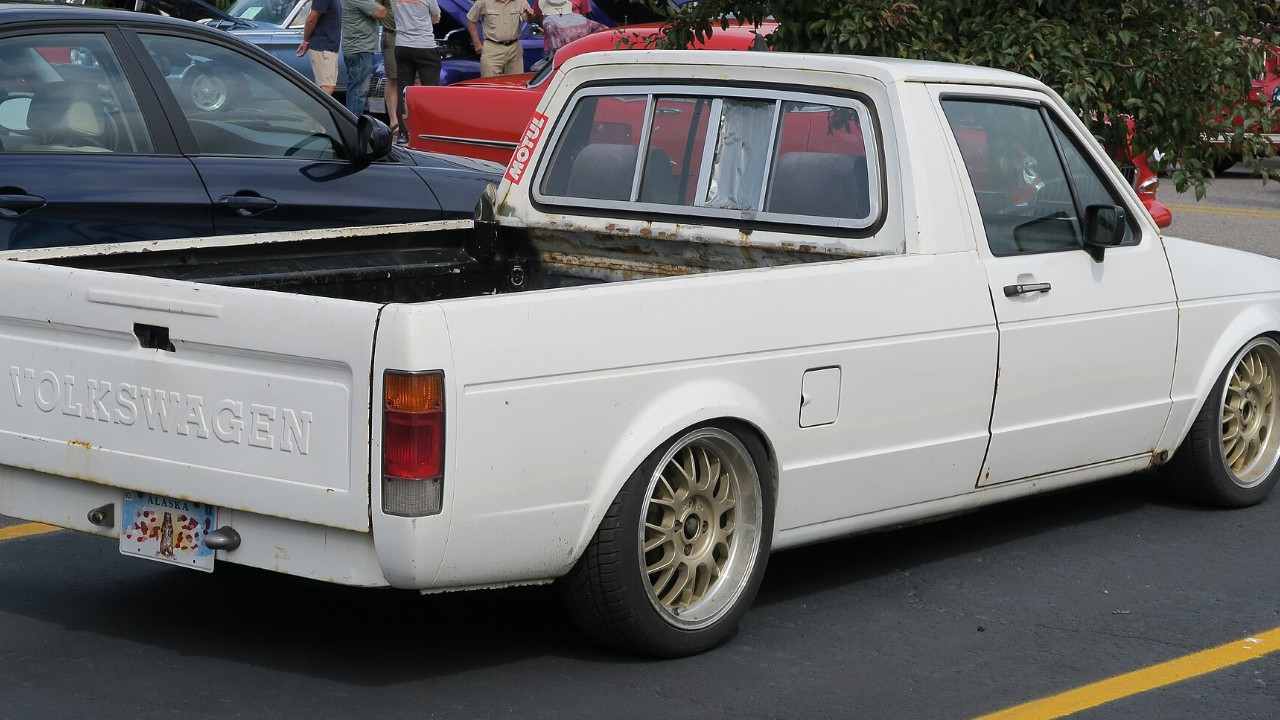
The small pickup that Europe knew as the Caddy actually started life in the United States. It appeared here in 1979 as a Rabbit. At first, Volkswagen built it at its Westmoreland plant.
Europe got it in 1982, and Volkswagen’s own newsroom lists a 625 kg payload. To carry that load, engineers redesigned the rear axle with longitudinal leaf springs. Its bed also measured 1.83 meters long. Later, the war in Yugoslavia stopped production at the Sarajevo plant in 1992 after 94,000 units. However, South Africa kept building the first Caddy until 2006.
5. 1983 Volkswagen Rabbit GTI
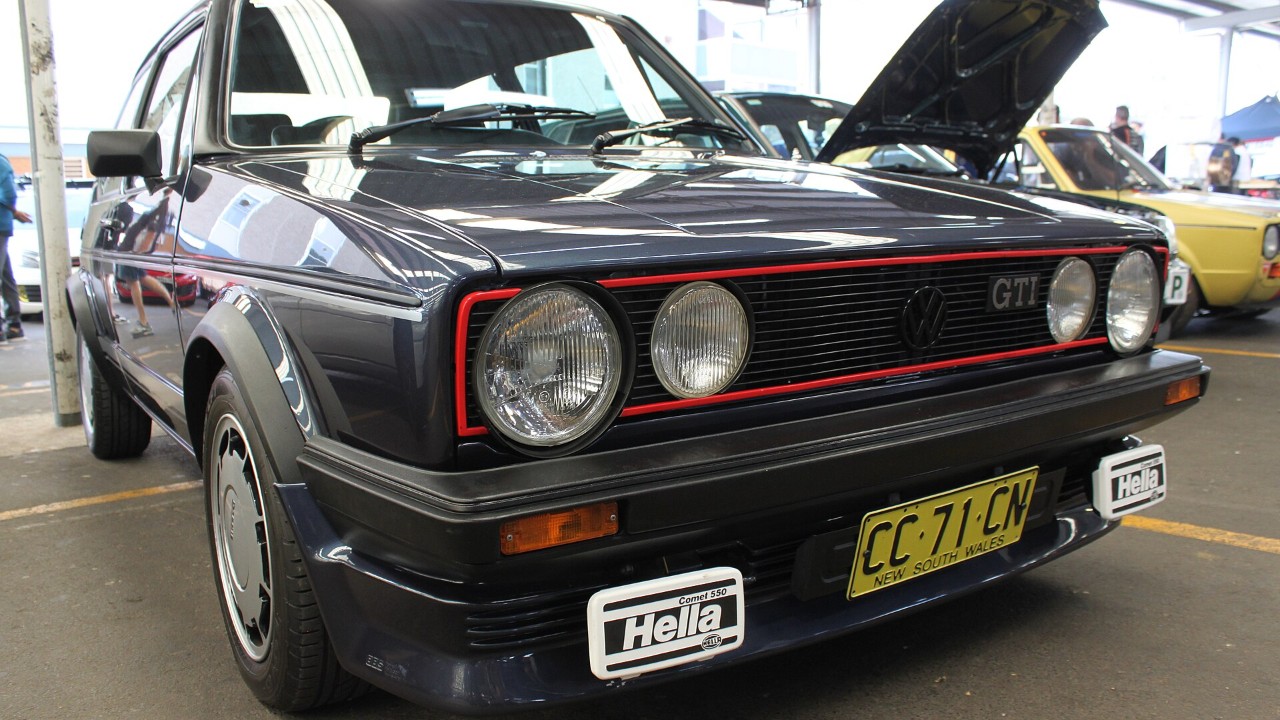
Europe had a Golf GTI for years before North America got one. When it finally arrived in 1982, it came from Pennsylvania, where VW had built the Rabbit since 1978. Buyers got a close-ratio five-speed and a dimpled shift knob.
Its fuel-injected 1.8-liter four made 90 hp and 100 lb-ft. Also, the car weighed about 2,000 pounds and reached 60 mph in under 10 seconds, according to Hagerty. At $8,000, it cost more than domestic hatchbacks. About 30,000 were built in two years, and a 31,000-mile car sold at Mecum in 2009 for $5,800.
6. 1986 Volkswagen Quantum Syncro

The Quantum was VW’s version of the Audi 4000 family. In Syncro form it borrowed Audi’s Quattro all-wheel drive under a new name. Power, meanwhile, came from a 2.2-liter Audi five-cylinder.
Writing in October 1985, the Christian Science Monitor called it the first VW nameplate sold in the U.S. with full-time all-wheel drive. Without a turbo, the five made about 118 hp, notes Hagerty’s look at a 1986 Syncro wagon.
7. 1990–1994 Volkswagen Corrado
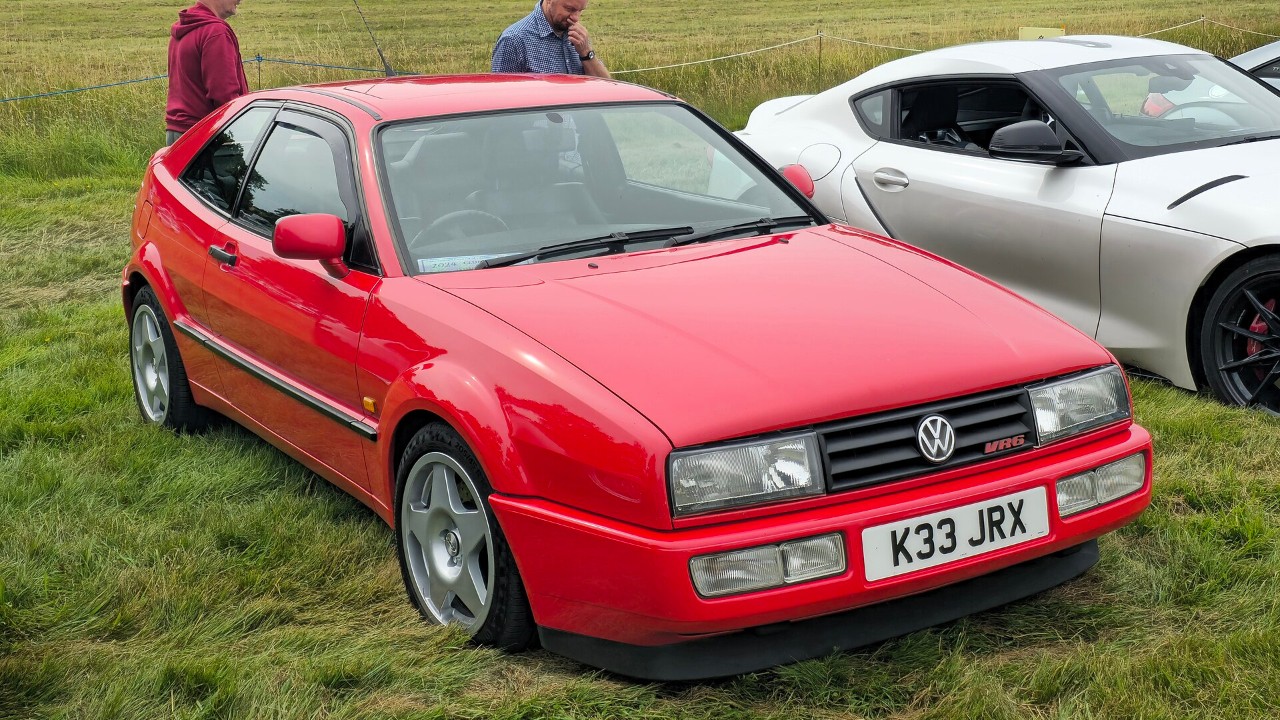
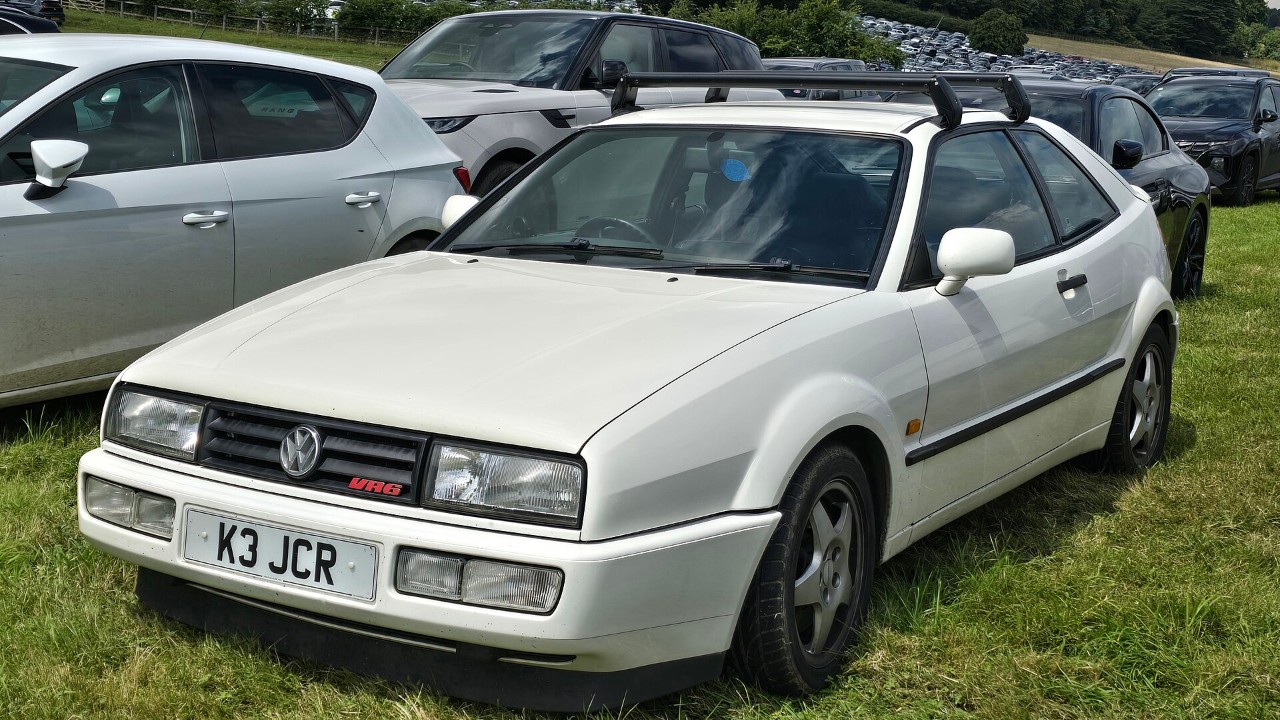
The Corrado’s rear spoiler worked on its own. It rose once the car passed 45 mph and folded away below 12 mph. Under the hood, early U.S. cars used a supercharged 1.8-liter G60 rated at 158 hp, and the later VR6 made 178 hp.
Sales, however, were always small. North America took about 3,000 to 4,000 a year through 1992, then just over 2,000 in 1993. Only 1,514 came over for the final year, 1994, according to Hagerty. Today, its valuation tool lists an average value of $8,500.
8. 2004 Volkswagen Golf R32

The R32 took a bored and stroked 3.2-liter version of VW’s narrow-angle VR6. It made 240 hp and 236 lb-ft. Then a Haldex system sent that power to all four wheels through a six-speed manual.
In MotorWeek’s test, it ran 0 to 60 mph in 6.1 seconds and the quarter-mile in 14.5 seconds at 97 mph. Then there was the price, $29,675. That was about $7,000 more than a GTI VR6, but it still undercut a Subaru WRX STi.
9. 2004 Volkswagen Phaeton W12
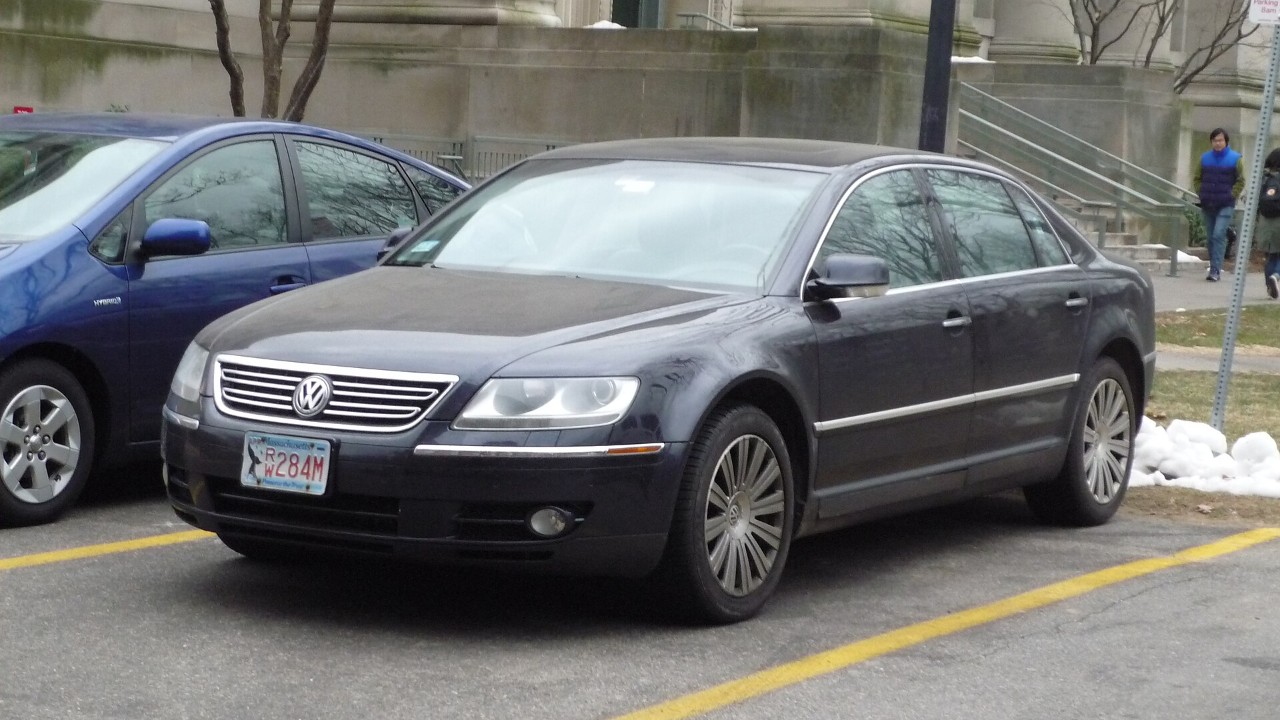
Volkswagen finished the Phaeton at its Transparent Factory in Dresden. The W12 version carried a 6.0-liter twelve rated at 420 hp and 406 lb-ft. It also came standard with 4MOTION all-wheel drive and a five-speed automatic.
Pricing started high. MotorWeek listed the W12 at $95,215, and a $3,000 gas guzzler tax took it to $98,215. By comparison, the V8 Phaeton started at $65,215.
More from Fast Lane Only