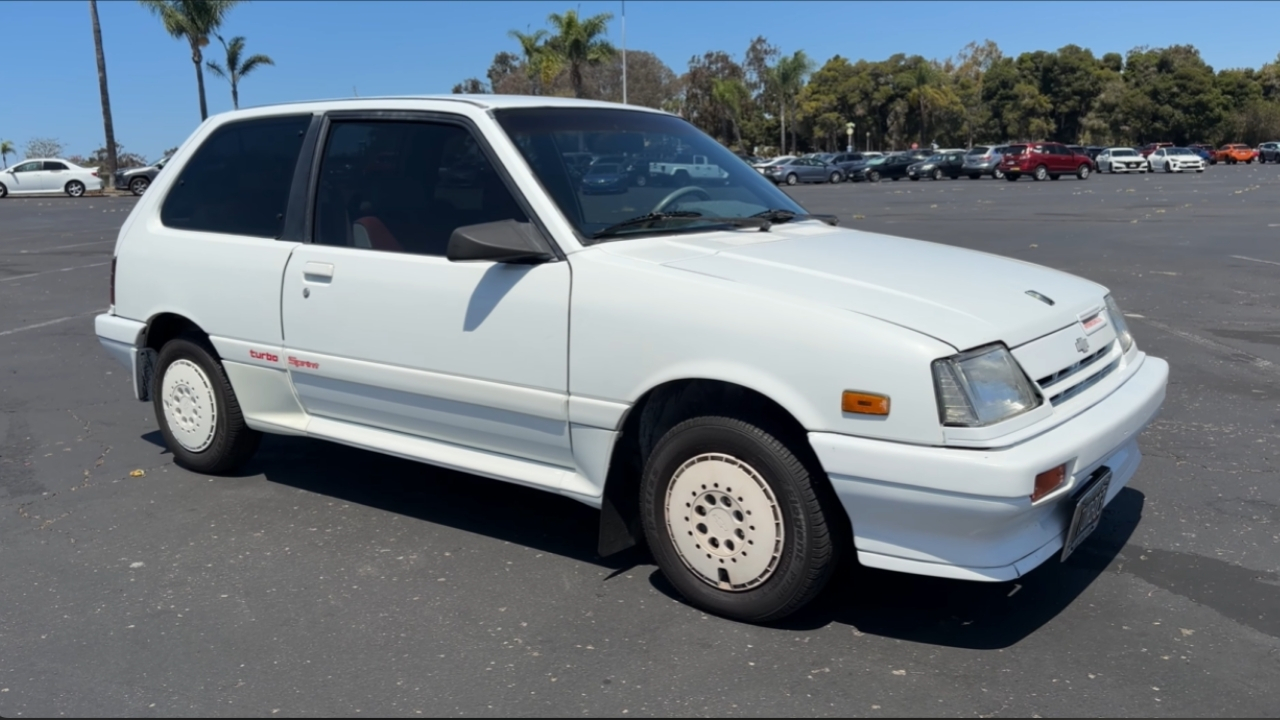
It was one of those clean, satisfying car-buying moments. Papers signed, keys in hand, the new-to-them vehicle shining just enough to make the whole thing feel like a win. The buyer pulled out of the dealership, merged into traffic, and thought, “Alright, this is going to be good.”
Then, before the first highway exit even showed up, something started making noise. Not the cute kind of “new car quirks” noise, either—more like a steady reminder that the honeymoon period was over before it even started. And that’s where a feel-good purchase can quickly turn into a confusing, stressful question: what now?
A sound you can’t un-hear
It usually begins subtly: a rattle over bumps, a whine that rises with speed, a scraping sound when turning, or a thump that seems to appear right when you relax your shoulders. At first, the buyer might try to explain it away. Maybe it’s something in the trunk, maybe the road’s rough, maybe it’s just “different” from the old car.
But sounds have a way of getting louder when you’re paying attention. And when it starts within minutes of leaving the lot, it’s hard not to feel like the car knew it was free and decided to confess everything at once. The tricky part is that the noise could be anything from a loose heat shield to a more serious issue like wheel bearings, brakes, or suspension wear.
What buyers tend to do in the first 10 minutes
The first move is often denial, followed quickly by turning the radio down. Then comes the window test: window up, window down, then both, as if the car is going to be shy and stop making the sound if nobody’s looking. If it’s still there, the buyer might start mentally replaying the test drive and wondering if they missed it—or if it wasn’t happening yet.
There’s also the awkward reality that the buyer is now technically off the lot, which can feel like crossing an invisible line. People worry they’ve lost leverage the moment the tires touch public road. That’s not always true, but it’s a common fear, and it’s why that first reaction matters more than most folks think.
Why it can happen even after a “fine” test drive
Sometimes the noise was there all along but didn’t show up under test-drive conditions. A short loop at low speeds won’t always reveal a bearing hum, a brake squeal that appears when hot, or a vibration that only shows up at 65 mph. A car can feel perfectly solid for ten minutes and then start telling a different story once it’s driven like a normal car.
Other times, it’s simple timing. A loose plastic liner might shift after a curb cut, or a small exhaust bracket might start vibrating once the system heats up. Not every early noise is catastrophic, but it’s fair to expect a vehicle to make it past the first exit without sounding like it’s auditioning for a percussion section.
The dealership’s perspective (and what that means for you)
Dealerships hear about post-sale noises all the time. Some are legitimate mechanical problems; some are misunderstandings; some are “it only happens on this one stretch of road” mysteries that vanish the moment a technician rides along. Because of that, the response can range from helpful and immediate to cautious and procedural.
The key thing to remember is that a dealership’s first questions aren’t automatically a sign of resistance. They’ll want specifics: when it happens, how fast, turning or braking, hot or cold, smooth road or bumpy. The more clearly the buyer can describe it, the faster it becomes a solvable problem instead of a vague complaint.
What matters most: timing, paperwork, and how it’s reported
If the noise starts right away, timing is on the buyer’s side—at least in terms of credibility. “It began before I reached the first exit” paints a pretty clear picture. It suggests the issue existed at delivery or was present immediately afterward, which is hard to shrug off as normal wear-and-tear from the buyer’s driving.
Paperwork matters too. Some used cars are sold “as-is,” some come with a limited warranty, and some have short dealer guarantees. Even “as-is” doesn’t always mean “anything goes,” but it does change the playbook, especially depending on local consumer protection rules. The buyer’s best move is to report the issue right away, in writing if possible, and keep the conversation simple and factual.
What the noise could be (the usual suspects)
A rattle that pops up quickly can be something loose: a heat shield, an underbody panel, a wheel well liner, or even something as silly as a jack handle not clipped down. These are annoying, but often cheap and fast to fix. They also tend to show up exactly as described—almost immediately, often at certain speeds or on bumps.
A hum or growl that changes with speed can point to tires (cupping, uneven wear) or wheel bearings. A squeal during braking could be worn pads, glazed rotors, or a stuck caliper. A clunk during turns or over bumps could suggest sway bar links, ball joints, or strut mounts—things that might’ve been borderline during inspection and crossed into “obvious” the moment the car hit real roads.
What a buyer should do right then (without making it worse)
First: don’t ignore it and hope it goes away. If it’s loud, grinding, or tied to braking or steering, the safest move is to pull over somewhere safe and take a quick look—checking for anything dragging, a loose panel, or a tire that looks off. No one needs to play mechanic on the shoulder, but a basic visual check can prevent damage.
Next: document it. A short video with sound, plus a note of speed, road type, and whether the car was turning or braking, can be surprisingly powerful. Then contact the dealership immediately—call, follow up by text or email, and ask for the next available service appointment or for someone to ride along to confirm the noise.
What “good” resolution looks like
In the best cases, the buyer returns, a technician hears it right away, and it’s fixed same-day. Maybe it’s a loose shield or a worn part the dealership agrees to address as a goodwill repair. The car goes back to being what it was supposed to be: a new purchase, not a new project.
Sometimes it takes a little longer. Intermittent noises can be tough, and the first inspection might not reproduce it. That’s when clear documentation and a calm, persistent approach matter—keep a timeline, keep copies of messages, and keep the focus on getting the vehicle back to the condition that was represented at sale.
The bigger takeaway: early noises aren’t “normal,” they’re information
A noise that starts before the first exit is your car waving a flag, not whispering a personality trait. It doesn’t automatically mean you bought a lemon, but it does mean you should treat the situation as time-sensitive. The sooner it’s reported and verified, the more likely it is to be handled quickly and fairly.
And if nothing else, it’s a reminder that the real test drive sometimes begins after the paperwork. The good news is that most of these stories don’t end with disaster—they end with a repair order, a fixed rattle, and a buyer who can finally turn the radio up for the right reasons.
More from Fast Lane Only
- Unboxing the WWII Jeep in a Crate
- 15 rare Chevys collectors are quietly buying
- 10 underrated V8s still worth hunting down
- Police notice this before you even roll window down
*Research for this article included AI assistance, with all final content reviewed by human editors.