It started like a hundred other vehicle stories: a confident “It’s fine,” a quick errand, and the kind of optimism that only exists right before a dashboard light flickers on. The truck, according to the person behind the wheel, had “no issues.” Then it went out for its very first tow and immediately disagreed.
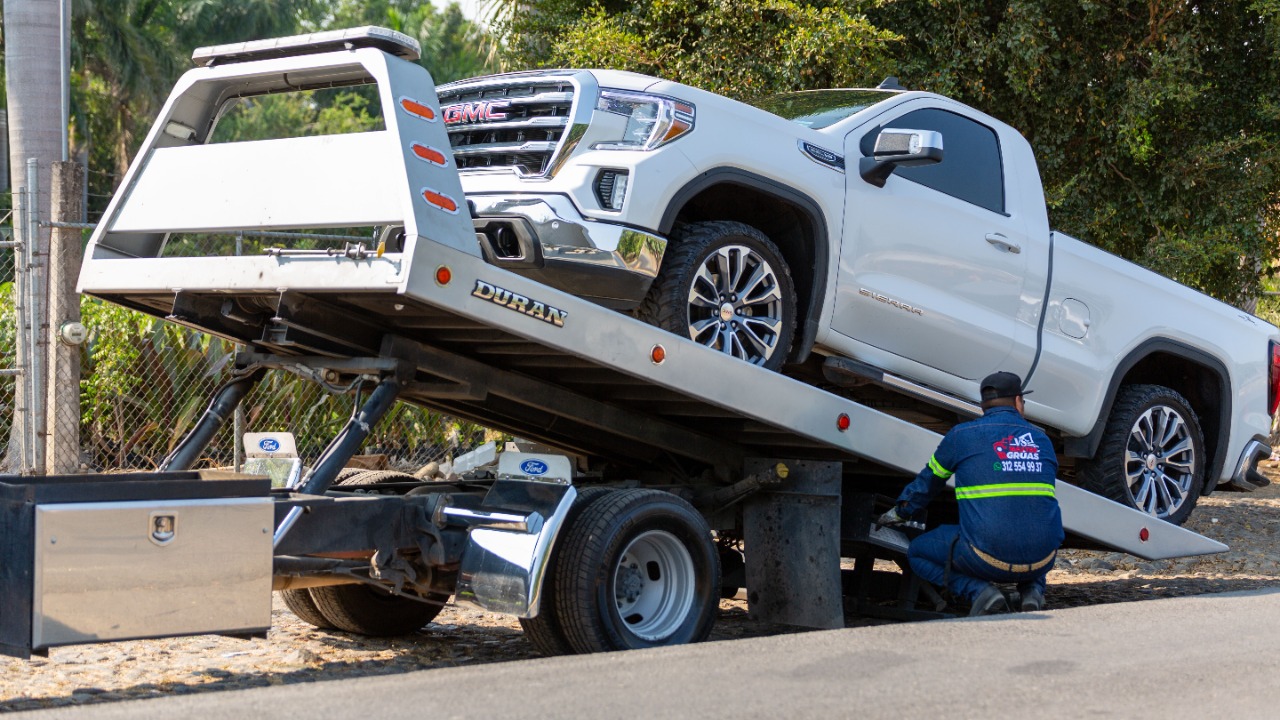
By the end of the day, there was a tow truck for the tow truck (the irony never gets old), a phone full of photos of leaking fluid, and a very quiet ride home. Nobody set out to be dramatic. The truck simply decided to make a point.
A Simple Tow Job Turned Into a Surprise Test
The plan wasn’t wild: hook up a modest load, do a short trip, come back with a small victory and maybe a little extra confidence in the truck. It wasn’t meant to be a stress test or a “see what breaks first” experiment.
But towing has a way of turning “mostly fine” into “oh, that’s new.” It adds weight, heat, and strain in all the places that don’t complain during a regular grocery run. And if something’s already a little worn, towing tends to be the moment it finally stops being polite about it.
The First Signs: A Smell, a Sound, and That Weird Feeling
The first hint was subtle: a smell that didn’t belong, somewhere between hot metal and burnt toast. Then came a sound that was hard to describe—part whine, part grind, and very much not part of the playlist.
Drivers often talk about a “weird feeling” before they can name the exact issue. The steering feels heavier, the shifts feel delayed, or the engine works harder than it should. It’s not always dramatic at first, but it’s the vehicle’s way of saying, “Hey, I’m not loving this.”
Why Towing Exposes Problems So Fast
Towing puts extra demand on the engine, transmission, cooling system, and brakes all at once. Even if the truck runs smooth unloaded, pulling weight can push temperatures up and reveal weak spots fast.
The transmission is usually the first suspect when a “perfectly fine” truck suddenly acts up while towing. Heat is the enemy, and towing can generate a lot of it—especially if the fluid is old, the level is low, or the truck doesn’t have adequate cooling.
Suspension and steering components can also make their complaints known the moment the rear end squats under load. A worn bushing or tired shock might not be obvious until the truck starts behaving like it’s on a gentle trampoline. And brakes? They don’t get to “sort of work” when there’s extra weight behind you.
The Moment It Became “Not Drivable”
At some point, the situation shifted from “we should keep an eye on this” to “we should pull over.” That might’ve been when the temperature gauge climbed, when the truck started slipping between gears, or when a warning light popped on like it had been waiting for its cue.
Once towing problems show up, continuing to drive can turn a fixable issue into a wallet-punishing one. Overheated transmission fluid can lose its ability to protect internal parts, and what started as a minor leak can become a cascade. The safest move is usually the least convenient one: stop and get help.
The Tow That Nobody Wanted to Schedule
Calling for a tow after a first tow attempt is a special kind of humbling. It’s also incredibly common, especially with used trucks that haven’t been tested under load in a long time.
This is where the story tends to split into two moods: frustration and relief. Frustration because plans are wrecked, and relief because at least the failure happened close to home, not halfway up a mountain pass. If a truck is going to reveal a secret, it’s better it does it in daylight with cell service.
What Mechanics Usually Check After a Towing Breakdown
Once it’s at a shop, the first step is often a basic inspection with an eye toward heat and fluid. Mechanics typically check transmission fluid level and condition, look for leaks, and scan for trouble codes—even if the dash light isn’t currently on.
Cooling is another big one. Radiators, fans, thermostats, hoses, and coolant condition all matter more when towing, and an older cooling system can get overwhelmed quickly. Some trucks also rely on separate transmission coolers, which can clog or fail in ways that don’t show up during normal driving.
Brakes and bearings also get attention after towing trouble. Overheated brakes can warp rotors or glaze pads, and wheel bearings under load can go from “a little noisy” to “please don’t drive this” in one trip. A good shop will check for play, unusual wear, and heat damage.
How “No Issues” Happens (Without Anyone Lying)
Most of the time, nobody is trying to mislead anyone. “No issues” often means “it starts, it drives, and it hasn’t scared me yet.” If the truck hasn’t towed recently, the owner may genuinely have no idea what’s waiting under stress.
There’s also a very human factor: people get used to gradual changes. A slightly longer shift, a tiny vibration, or a mild fluid smell can become background noise over months. Then towing turns up the volume, and suddenly it’s impossible to ignore.
A Few Lessons That Come Cheap (Compared to Repairs)
The first is simple: towing is its own category of driving, and a truck that’s “fine” unloaded isn’t automatically tow-ready. A quick pre-tow check—fluids, tire pressures, lights, hitch setup—can catch a lot before the road does.
The second is to trust early warning signs. If it smells hot, sounds wrong, or feels off, pulling over early can save a transmission, not just an afternoon. And yes, it’s annoying, but it’s less annoying than explaining to a mechanic why you “just kept going for a bit.”
The third lesson is that expectations should match the truck’s actual setup. Towing capacity numbers assume proper equipment and good condition: healthy cooling, solid brakes, correct hitch, and the right kind of trailer connection. A truck can be strong and still be unprepared, kind of like showing up to a hike in dress shoes.
What Happens Next for the Truck
After an incident like this, the next steps usually depend on what failed and how quickly it was caught. Sometimes it’s a straightforward fix—fluid service, a cooler line leak, a new hose, or a sensor that finally quit at the worst time.
Other times, the first tow exposes wear that’s been building for years. That can mean deeper transmission work, cooling system upgrades, brake repairs, or suspension refreshes before the truck is truly tow-ready again. The good news is that once the weak link is found, it can be addressed directly instead of guessed at.
As for the original “no issues” claim, it tends to become one of those household quotes that lives forever. Not in a mean way—more like a friendly reminder that vehicles are full of surprises. Especially trucks, especially towing, and especially when confidence shows up before the maintenance does.
More from Fast Lane Only
- Unboxing the WWII Jeep in a Crate
- 15 rare Chevys collectors are quietly buying
- 10 underrated V8s still worth hunting down
- Police notice this before you even roll window down
*Research for this article included AI assistance, with all final content reviewed by human editors.