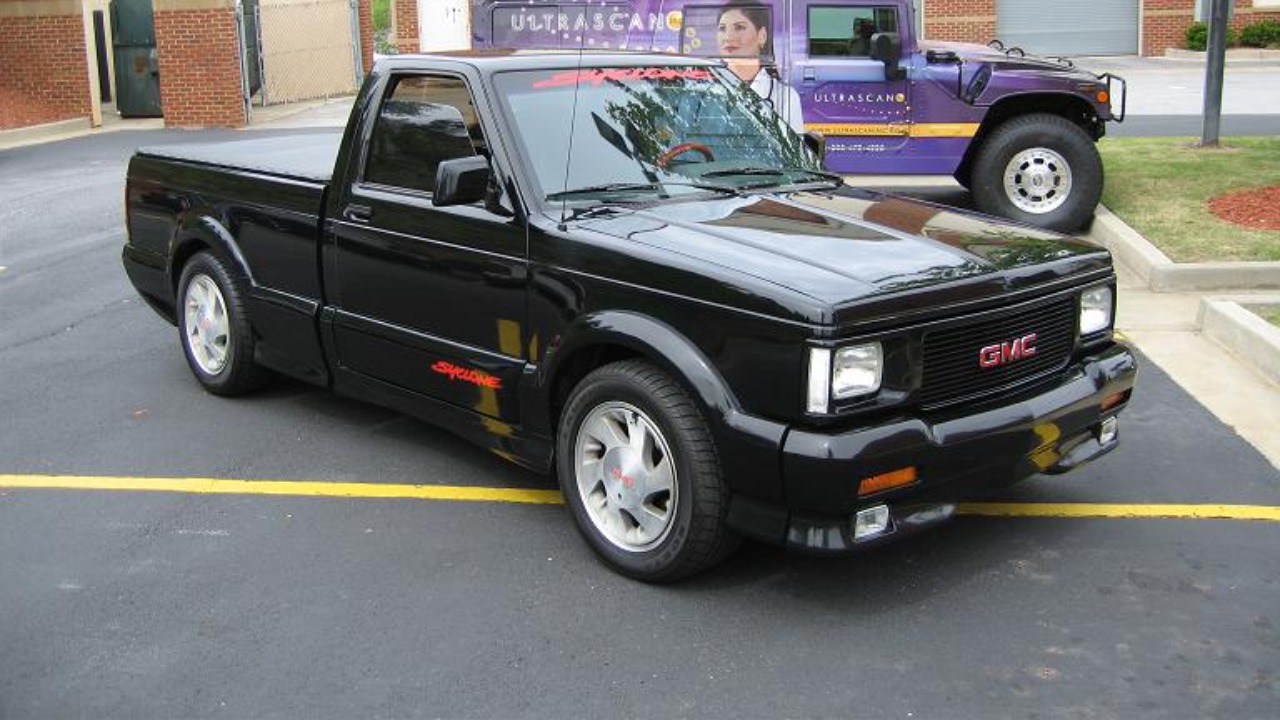
The GMC Syclone, a high-performance pickup launched in the early 1990s, has become a legend in automotive history. GMC dealers played a crucial role in shaping the Syclone’s enduring legacy, transforming it from a niche vehicle into an iconic symbol of performance and innovation.
Origins of the GMC Syclone
The GMC Syclone emerged from a unique convergence of engineering innovation and market demand in the early 1990s. Initially conceptualized as a sporty variant of the standard GMC Sonoma pickup, the Syclone was designed to challenge preconceptions about what a truck could be. With a turbocharged 4.3-liter V6 engine generating 280 horsepower and 360 lb-ft of torque, it offered blistering acceleration that rivaled many sports cars of its time. Its all-wheel-drive system and short bed distinguished it from other trucks, making it a standout in a market dominated by traditional workhorses.
The development of the Syclone was a collaborative effort between GMC engineers and marketing teams. Engineers focused on creating a vehicle that could deliver performance and utility, while marketing strategists devised plans to position the Syclone as a lifestyle choice rather than just a truck. This synergy culminated in a vehicle that was not only powerful but also exuded youthful exuberance, appealing to a demographic eager for speed and style.
The Role of GMC Dealers in Marketing
GMC dealers stepped into the spotlight to promote the Syclone effectively to potential buyers. They employed various strategies, including targeted advertising campaigns and hands-on experience events. Many dealers organized test drive events where potential customers could experience the Syclone’s performance firsthand. These events often featured timed laps on closed courses, allowing enthusiasts to feel the thrill of the Syclone’s capabilities. The excitement generated at these events played a crucial role in converting curious onlookers into buyers.
Additionally, GMC dealers developed unique marketing campaigns that showcased the Syclone’s performance metrics. Billboards and print ads highlighted its impressive 0-60 mph time of just 4.3 seconds, while television commercials emphasized its sporty design and powerful engine. Some dealers even created promotional videos featuring Syclones racing against sports cars, effectively illustrating the truck’s performance prowess. Dealer testimonials further contributed to the buzz; satisfied customers shared their experiences, which helped to humanize the Syclone and create a community around it.
Customer Engagement and Community Building
Beyond marketing, GMC dealers played a significant role in fostering a vibrant community of Syclone enthusiasts. Many dealers organized local car clubs and events that brought Syclone owners together. These gatherings often included truck shows, races, and meet-ups, allowing owners to share their passion for the Syclone. The camaraderie fostered by these events not only strengthened customer loyalty but also created a network of support for Syclone owners looking to enhance their vehicles.
Feedback from these gatherings was invaluable to GMC dealers. Customer insights frequently led to refinements in the Syclone experience, from minor modifications to suggested performance upgrades. For instance, many dealers would gather information on performance parts that Syclone owners sought, which informed their inventory and service offerings. Success stories of Syclone owners who achieved remarkable feats—such as winning local races or completing impressive modifications—were often highlighted in dealer newsletters, further encouraging engagement and community involvement.
Performance Upgrades and Customization
The aftermarket scene surrounding the GMC Syclone flourished, thanks in part to the support of GMC dealers. As performance enthusiasts sought to push their vehicles to new limits, dealers began offering a range of performance upgrades and customization options. These included turbocharger upgrades, enhanced exhaust systems, and suspension modifications designed to improve handling and power delivery. Not only did these offerings cater to existing owners, but they also attracted new customers interested in customizing their trucks for unique performance needs.
One notable example of customization is the work done by various dealers who collaborated with aftermarket companies to produce performance kits specifically designed for the Syclone. This included tuning services that maximized the truck’s potential while maintaining reliability. Case studies from satisfied customers illustrated how these modifications transformed their Syclones into formidable racing machines, capable of outperforming many vehicles on the track. The ability to personalize their trucks added an extra layer of appeal to potential buyers, further solidifying the Syclone’s reputation as a performance powerhouse.
The Syclone Legacy and Its Impact on the Automotive Industry
The influence of the GMC Syclone on the automotive industry cannot be overstated. Launched during a time when the market was shifting toward more performance-oriented vehicles, the Syclone set a precedent for future performance trucks. Its success paved the way for models like the Ford Lightning and the Dodge Dakota R/T, which sought to replicate the combination of utility and speed that the Syclone offered. The Syclone’s legacy also extended into the realm of performance SUVs, inspiring manufacturers to develop vehicles that combined off-road capability with high-performance features.
Today, the Syclone remains a highly sought-after vehicle among collectors and enthusiasts. Its limited production run (only 2,995 units were made) has turned it into a rare find, often commanding premium prices at auctions. Automotive experts frequently cite the Syclone’s unique blend of performance and practicality as a significant milestone in truck history. The Syclone has not only earned a place in automotive lore but also continues to inspire future innovations in the performance truck segment.
Lessons from the Syclone Experience
The story of the GMC Syclone offers key takeaways for automotive marketing and dealer engagement. One of the most significant lessons is the importance of creating a sense of community around a vehicle. By fostering local clubs and events, GMC dealers were able to build a loyal customer base that contributed to the Syclone’s enduring legacy. Engaging customers in meaningful ways—whether through events, feedback, or personalized service—can create a powerful bond that extends beyond the initial sale.
Moreover, the Syclone experience highlights the value of integrating customer feedback into product development. GMC dealers demonstrated that listening to customers can lead to enhancements that improve the overall ownership experience. Future automotive innovations can learn from this approach, as customer involvement can be a driving force in refining products and services.
The GMC Syclone serves as a compelling case study for how effective marketing, community engagement, and customer support can elevate a vehicle from a simple product to a legendary icon. The lessons learned from the Syclone saga remain relevant to today’s automotive landscape, reminding us of the power of passionate communities and innovative thinking in shaping the future of the industry.
More from Fast Lane Only
- Unboxing the WWII Jeep in a Crate
- 15 rare Chevys collectors are quietly buying
- 10 underrated V8s still worth hunting down
- Police notice this before you even roll window down
*Research for this article included AI assistance, with all final content reviewed by human editors.