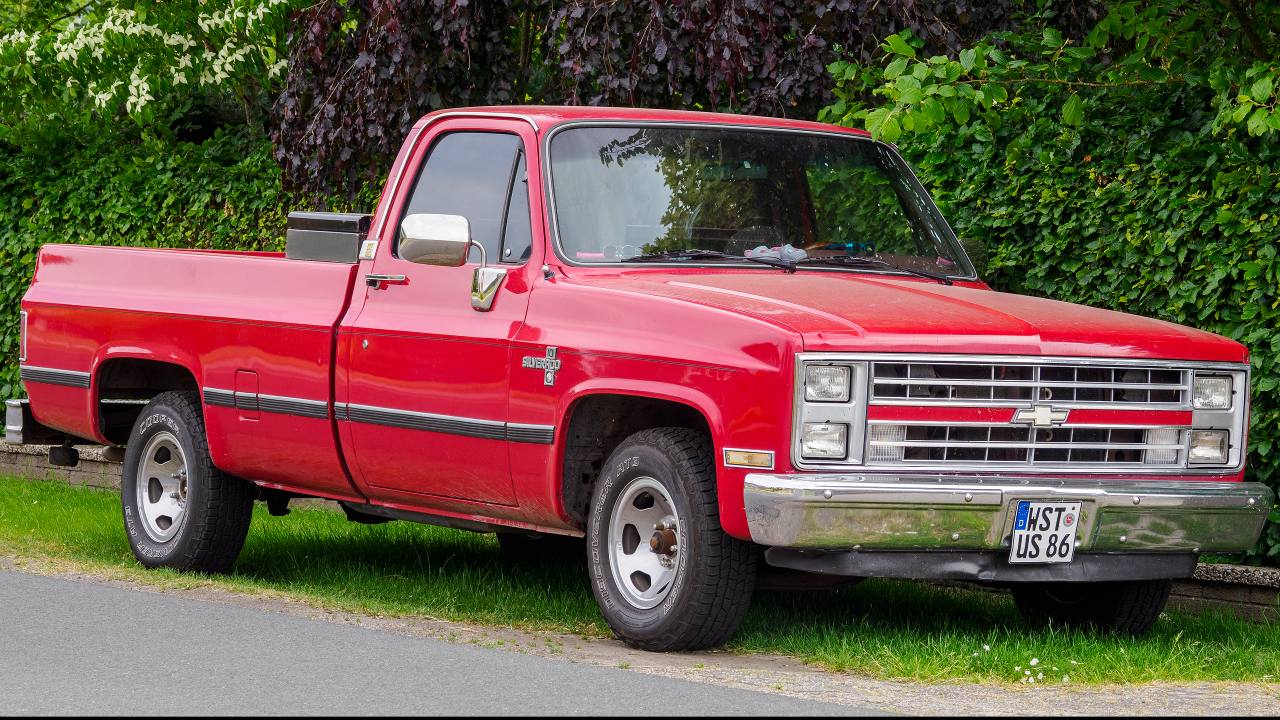
It started the way a lot of long-distance car buys start: a promising listing, a handful of photos taken at just the right angles, and a seller insisting the truck was “mint condition.” The buyer drove six hours to see the Silverado in person, expecting a clean, ready-to-work pickup that wouldn’t surprise them later. The test drive felt solid, the paint looked shiny, and the seller’s confidence did the rest.
Then the first real rainstorm hit on the drive home. And that’s when the “mint condition” story began to melt—slowly at first, then all at once, like a leaky cooler you didn’t know was cracked. By the time the wipers were working overtime, the cabin was starting to tell a very different story.
The Listing Looked Perfect (Because Listings Usually Do)
The ad called it “garage kept,” “no issues,” and “ready for anything,” which is basically the used-truck version of “trust me.” The photos showed clean body lines, glossy paint, and an interior that looked like it had never met a muddy boot. It wasn’t priced like a steal, either, which can make a listing feel more believable.
The buyer did what most people do when they’re excited: asked a few questions, got reassuring answers, and decided it was worth the trip. The seller said it had never been in an accident, never had leaks, and didn’t need anything. Six hours later, the Silverado was parked in front of them, looking the part.
The Test Drive Was Fine—Maybe a Little Too Fine
On dry pavement, a lot of problems stay politely hidden. The truck started right up, idled smoothly, and didn’t throw any warning lights. The steering felt normal, the brakes were decent, and nothing clunked loudly enough to raise alarms.
There were small hints, though—things that are easy to shrug off when you’ve already invested a whole day. A faint musty smell that could’ve been “just old truck stuff.” Slightly foggy headlight lenses. Carpet mats that looked newer than the rest of the interior, like they were trying a little too hard.
Rain Has a Way of Finding the Truth
The storm didn’t announce itself dramatically at first. It was light rain, then steady rain, then the kind of rain that turns your windshield into a moving watercolor painting. And that’s when the buyer noticed the first odd thing: the inside of the windshield started fogging fast, even with the defroster running.
Then came the drip. Not a dramatic waterfall—just a quiet, persistent drop landing near the top of the passenger-side dash. A few minutes later, it wasn’t just one spot. Water was working its way down the A-pillar trim, and the floor on the passenger side started feeling damp.
At highway speed, wind pressure can push water into places it won’t show up in a driveway inspection. A compromised windshield seal, a poorly installed replacement windshield, clogged sunroof drains (if equipped), or a cracked seam in the body can all turn into surprise indoor plumbing. The Silverado was suddenly less “mint” and more “moist.”
That “Fresh Interior” Smell? It Was Trying to Cover Something
Once the cabin started getting wet, the musty smell stopped being subtle. It smelled like damp carpet that never fully dried—because it probably hadn’t. The buyer pulled into a gas station, lifted the floor mat, and found that the carpet underneath was already darkened with moisture.
That’s the part that tends to sting: it wasn’t just an unlucky seal failure on the way home. A lot of signs pointed to a long-running issue—newer mats, a strong air freshener vibe, and just enough cleaning to make the inside look “fresh” without addressing why it might’ve needed a deep clean in the first place.
What Leaks Like This Usually Mean
Cabin leaks aren’t always catastrophic, but they’re rarely harmless. Water inside a vehicle can soak insulation, rot carpet padding, and invite mold, especially if it’s been happening for months. It can also find wiring connectors under the dash or under the carpet, which is where “minor leak” turns into “why are my electronics acting haunted?”
In trucks, windshield leaks are a common culprit, especially if the windshield was replaced and the adhesive bead wasn’t laid correctly. Another frequent cause is a blocked cowl drain area at the base of the windshield, where leaves and debris build up and redirect water into the cabin. Sometimes it’s even a body seam or door seal that looks fine until it’s hit with real rain and real wind.
The Paperwork Problem: “As-Is” Doesn’t Mean “Anything Goes”
In many private-party sales, the vehicle is sold “as-is,” which generally means the buyer accepts the risk of unknown issues. But “as-is” doesn’t automatically excuse intentional misrepresentation. If someone says “no leaks” and they know it leaks, that can cross a line depending on local laws and what evidence exists.
The buyer kept texts and screenshots of the listing, including the “mint condition” description and the direct answers about leaks. That documentation matters, especially if the situation escalates into a dispute. Even if it never goes to court, a clear record can change how a seller responds when confronted.
What the Buyer Did Next (And What Most People Should Do)
First, they documented everything: photos of the wet carpet, a video of water dripping during the storm, and close-ups of any staining around trim pieces. They also wrote down the time, weather conditions, and when the leak appeared. It’s not fun, but it’s the difference between “trust me” and proof.
Next, they had a shop do a leak test, the kind that uses controlled water flow and sometimes smoke or air pressure to pinpoint where it’s coming in. It’s surprisingly hard to diagnose leaks by guessing, and replacing random seals can turn into an expensive game of whack-a-mole. A proper test can reveal whether it’s a windshield bond issue, a cowl drain problem, or something more structural.
Then they contacted the seller calmly, with receipts and evidence. Not a rant, not an accusation, just: “Here’s what happened in the first rainstorm, here’s what the shop found, and here’s what it will cost.” Sometimes that’s enough to get a partial refund or a contribution toward repairs—especially if the seller realizes the buyer has a solid paper trail.
How to Spot This Before You Commit to a Long Drive
If a listing says “mint,” ask for specific, boring proof. Request photos of the floorboard under the mats, the corners of the headliner near the windshield, and the door sills. Ask whether the windshield has ever been replaced, and if so, where it was done.
When you arrive, do a quick water check even if the sky is blue. Bring a bottle of water and gently pour it along the top edge of the windshield and around the corners while someone sits inside and watches. It’s not a perfect test, but it can reveal obvious seal problems without needing a thunderstorm to do the detective work.
Also, trust your nose. A heavy air freshener cloud, a “just shampooed” smell, or that damp-basement note can be a clue that someone’s been fighting moisture. And if the carpet feels unusually stiff or the mats look brand new compared to everything else, it’s worth asking why.
A Shiny Truck Can Still Have a Hidden Storm Cloud
The Silverado looked great in photos and behaved fine on a dry test drive, which is exactly why this kind of surprise is so common. Water intrusion doesn’t always announce itself until conditions are just right. Unfortunately, “just right” often happens when you’re already hours away, headed home, and watching raindrops become evidence.
The good news is that leaks are often fixable, and a careful inspection can catch many of them before money changes hands. The not-so-fun truth is that “mint condition” is sometimes more of a vibe than a fact. And as this buyer learned, the weather is a brutally honest inspector.
More from Fast Lane Only
- Unboxing the WWII Jeep in a Crate
- 15 rare Chevys collectors are quietly buying
- 10 underrated V8s still worth hunting down
- Police notice this before you even roll window down
*Research for this article included AI assistance, with all final content reviewed by human editors.