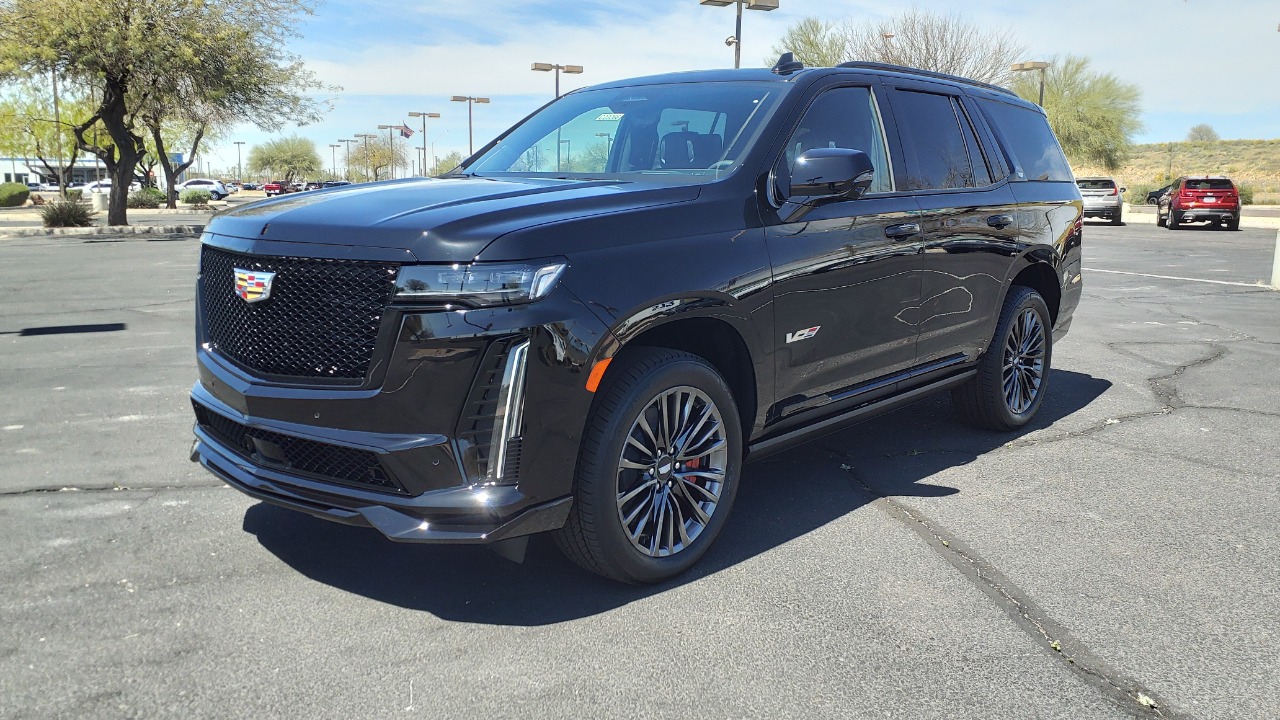
The Cadillac Escalade did not simply join the luxury SUV class; it reset the terms of engagement. By turning a full-size utility vehicle into a rolling statement of status and technology, Cadillac changed what affluent buyers expected from a tall, three-row machine almost overnight. The result was a model that reshaped its segment and, in the process, helped rescue its parent brand from the margins of relevance.
From its first generation to the latest electric variants, the Escalade has stood in for the massive Cadillac sedans that once defined American prestige. Instead of chrome-laden land yachts, the company’s flagship presence moved onto truck-based underpinnings, wrapped in sharp styling and loaded with features that rivaled high-end limousines. That shift did more than follow demand for SUVs; it redefined luxury itself as something that could tow, haul, and dominate the road while still delivering a plush, almost theatrical experience.
The urgent birth of a luxury icon
The Escalade arrived as a rapid response to a competitive shock. Cadillac faced a direct challenge when the Lincoln Navigator showed that buyers would pay premium prices for a large, lavishly trimmed SUV. Company history shared by Cadillac confirms that the Cadillac Escalade was introduced specifically to answer the growing popularity of luxury SUVs, particularly the Lincoln Navigator, which had quickly become a symbol of upscale family transport. Cadillac needed an SUV that could stand shoulder to shoulder with its rival on size, presence, and perceived opulence.
In 1999, Cadillac entered the luxury SUV segment with the first-generation Escalade, marking the beginning of the brand’s SUV story. That model gave Cadillac a credible answer to the Navigator almost immediately, even if it initially shared much with existing truck platforms. According to historical accounts, GMC created the first Escalade for Cadillac, and later developed its own luxury SUV strategy under the Denali label. The urgency of that first Escalade, and its quick transformation into a distinct Cadillac statement, set the tone for how aggressively the nameplate would pursue luxury leadership.
From big SUV to modern flagship
Over the following decades, the Escalade evolved from a hastily prepared rival into the de facto flagship of Cadillac. Reporting on the model’s impact notes that in the 21st Century the role of the massive Cadillac has been filled not by a car, but by an SUV, with the Escalade described as one of the company’s most important and profitable vehicles. Analysts recount how this single model helped stabilize the brand’s finances and image, arguing that while other nameplates struggled, the Escalade became the center of gravity for the brand’s identity.
The transformation reached a new phase with the arrival of an all-electric Escalade variant. A detailed history of the model highlights 2024 as the debut of the first all-electric Escalade, describing how General Motors has framed Cadillac’s future as an electric brand while still treating the Escalade as central to its strategy. The same historical overview shows how each generation added more technology, more interior refinement, and greater road presence. In effect, the Escalade became the bridge between Cadillac’s traditional image of excess and its push into an electrified, tech-led future.
Raising the bar for luxury SUVs
The Escalade did not merely compete in the luxury SUV space; it forced rivals to rethink what their own flagships should be. A comparison prepared for shoppers in Sherman Oaks, California, positions the Escalade directly against the Lincoln Navigator and highlights how the Cadillac leans into a bolder design, advanced cabin technology, and a distinctive driving character. That analysis underscores how the Escalade set expectations for features such as expansive digital displays, high-end audio systems, and intricate interior lighting that many buyers now see as standard in this price bracket.
Dealer research from Colorado Springs goes further, describing how the model has matured over roughly twenty-five years since it was introduced as Cadillac’s first SUV. A dealership page notes that since it was introduced 25 years ago as Cadillac’s first SUV, the Escalade has continued to evolve, now offering the ability to tow up to 8,100 pounds while still serving as a full-luxury family vehicle. That blend of capability and indulgence, once rare, has become a template that competitors from the United States, Europe, and Asia have tried to emulate, often benchmarking their own models against the Escalade’s mix of towing figures, interior comfort, and technology.
From street status to electric future
The Escalade’s cultural footprint has been amplified by its visibility in music, film, and social media, where it often appears as a shorthand for success. Video reviews and owner walkarounds on platforms such as YouTube have reinforced that image by showcasing the SUV’s imposing stance, intricate LED lighting, and lavish interiors to millions of viewers. One widely viewed clip that focuses on a high-spec example highlights how an Escalade review can function as entertainment as much as consumer advice, lingering on details such as ambient lighting, third-row comfort, and the commanding view from the driver’s seat. Another video walkaround spends significant time on the digital instrument cluster and curved infotainment screen, reinforcing the perception that the SUV is as much a technology showcase as a people mover.
More from Fast Lane Only