Canada has thrown open a new front in the global electric vehicle race, inviting China’s biggest battery-car makers to set up shop just across the border from the United States. By sharply cutting tariffs and carving out a generous import quota, Ottawa is betting that cheaper Chinese EVs can accelerate its climate goals and build a homegrown supply chain, even if that means irritating Washington.
As I look at the details, what jumps out is how deliberately Canada has positioned itself as a bridge between China’s industrial scale and North America’s hungry car market. The policy is structured to pull in both Chinese brands and Western automakers that build in China, and it is already reshaping investment plans, trade tensions and the competitive map for drivers from Vancouver to Vermont.
The tariff flip that rewired North America’s EV map
For years, Canada moved in lockstep with the United States on Chinese electric cars, matching the 100% tariff that President Joe Biden imposed on imported Chinese models and effectively shutting them out of the market. Earlier this year, that alignment ended when Canada and China agreed to drop Ottawa’s levies on Chinese EVs from 100% to 6.1% on the first 49,000 vehicles imported annually, a sharp reset that instantly made Canada the softest landing spot for Chinese-built cars in the G7. The new quota is explicitly framed as a way to bring in lower cost models while Canada tries to build out its own EV supply chain with Chinese capital and technology.
Officials in Ottawa had previously followed the U.S. in imposing a 100% tariff on EVs from China and a 25% duty on some other products, but they now argue that the new arrangement with China and its automakers is essential if Canada is serious about electrifying its fleet at scale. The deal, described as a Historic Trade Reset, is tightly structured around price, with the biggest benefits aimed at consumers buying imports priced under $35,000, and it signals that Canada is willing to diverge from Washington when climate policy and industrial strategy collide.
Why Ottawa is rolling out the red carpet for Chinese EV giants
From Canada’s perspective, courting Chinese EV makers is less about geopolitics and more about catching up in a race it has been losing. The government has been explicit that the quota of 49,000 vehicles is meant to bring in affordable Chinese models while also luring factories, battery plants and research centers that can anchor a domestic industry. Reporting on the deal notes that the wave of new projects is coming as Chinese firms look to expand beyond a saturated home market, and Canadian officials are eager to turn that outward push into a long term manufacturing career path for local workers.
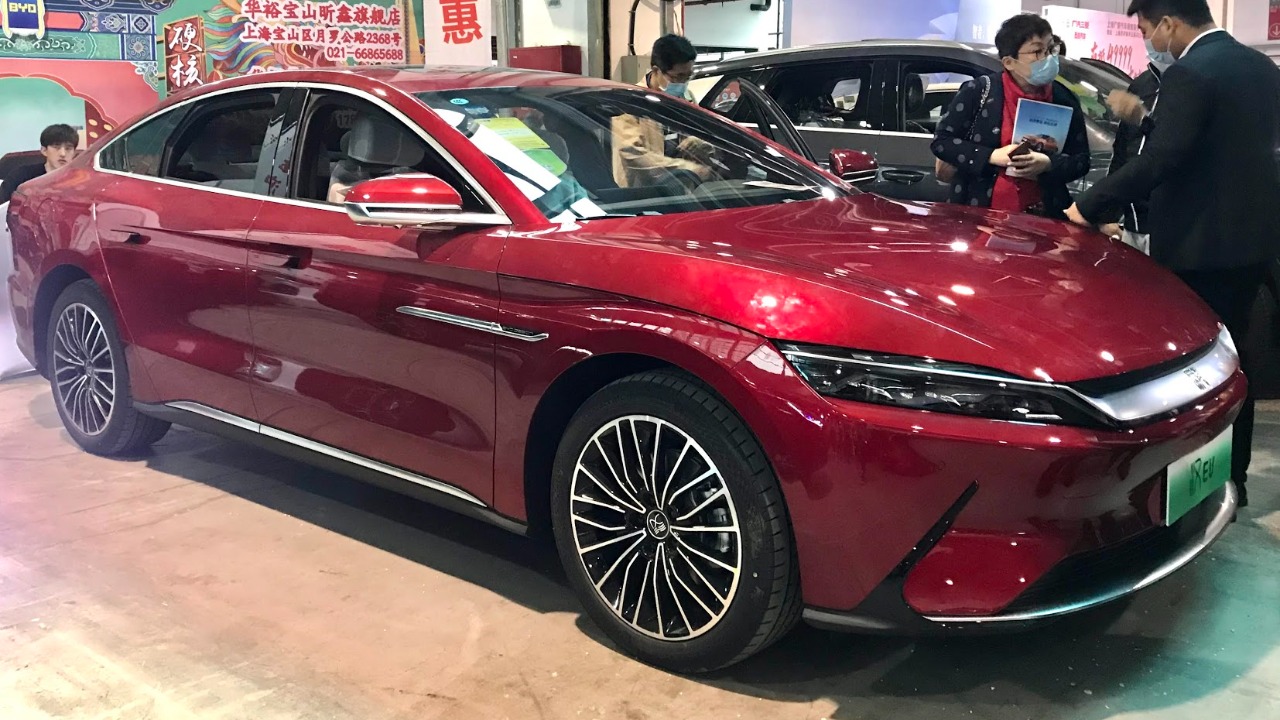
In practice, that means Canada is not just inviting finished cars, but also the companies behind them, from battery specialists to full line automakers. Analysts already see Top Chinese EV into the country, with BYD, short for Build Your Dreams, frequently cited as the most likely early mover because it is now the world’s largest pure play EV maker. Even before the tariff cut, a Chinese EV manufacturer like BYD was exploring entry to Canada despite the earlier tariff wall, which suggests that the new, friendlier regime could quickly translate into bricks, mortar and jobs on Canadian soil.
BYD, Tesla and the new cast of cross border winners
Once the tariff flip was announced, attention immediately swung to which companies would benefit first from the new Canadian gateway. Canada and China jointly confirmed that their trade agreement would allow up to 49,000 Chinese electric vehicles into the Canadian market each year, and that the quota is designed around lower priced models that can undercut existing offerings. That structure naturally shines a spotlight on BYD, which has built its global reputation on compact, aggressively priced EVs and is already being highlighted as a likely entrant into BYD into the mix of brands that could soon be selling in Canadian showrooms.
The surprise early winner, though, may be Tesla, which has quietly built a global production network that includes a major plant in Shanghai. Analysts point out that Tesla equipped its Shanghai factory to export to Canada in 2023, and that the company already has a deep Canadian sales network that Chinese newcomers will need years to match. Now, it ships Model Ys produced in Berlin to Canada, while cheaper Model 3 variants are mostly built in China, giving Tesla a unique ability to arbitrage production locations and tariff regimes as the new rules settle in.
Washington’s alarm and the fear of a back door into the U.S.
On the American side of the border, the reaction has been swift and skeptical. U.S. officials have already warned that Canada’s decision to allow imports of 49,000 Chinese EVs is “problematic,” arguing that it could undermine the high tariff wall that Washington built to keep Chinese cars out of the domestic market. The concern is that vehicles entering under the Canadian quota could eventually find their way south, either directly or by encouraging Chinese firms to use Canada as a staging ground for parts and technology that feed into U.S. bound products, a fear that has been amplified in Companies focused reporting on the cross border auto trade.
Legal and security experts in the United States are also raising alarms about how the Canadian move could affect their own market. One analysis notes that the quota relates to low priced Chinese EVs around 33,000 dollars or less, which makes them highly competitive in the Canadian market and potentially attractive to U.S. buyers if any cross border leakage occurs. A separate commentary framed the debate in starker terms, arguing that, Whether or not the worst fears about data collection and remote interference are realized, perception matters and that The United States has already signaled that China’s role in critical infrastructure like vehicles will be scrutinized far more aggressively than Ottawa seems prepared to do.
How Canada is trying to manage the blowback while locking in investment
Canadian officials are not blind to the geopolitical risks, and they have been working to reassure Washington that the new policy is not meant to undercut U.S. tariffs. Instead, they have emphasized that the vehicles imported into Canada in 2026 will likely be EVs made in China by North American or Asian companies, including brands like Tesla and Polestar, rather than a flood of unfamiliar Chinese badges. A senior source stressed that Instead of acting unilaterally, Canada notified the U.S. administration that changes were coming to Chinese EV tariffs, an attempt to keep the dispute from spilling into broader trade retaliation on Canadian vehicles and parts.
At the same time, Ottawa is leaning into the narrative that this is about building a resilient North American supply chain, not just importing cheap cars. The government has highlighted that the deal with China is meant to secure investment in everything from battery materials to assembly plants, and that the tariff cut from 100% to 6.1% on the first 49,000 vehicles is a tool to attract that capital. Commentators sympathetic to the policy argue that Canada Slashes Chinese EV Tariffs, Breaking With the U.S. in this way could ultimately strengthen the region’s ability to compete with Europe and Asia, especially if the wave of investment from Chinese firms translates into long term manufacturing careers for Canadian workers rather than a short term import surge.
More from Fast Lane Only