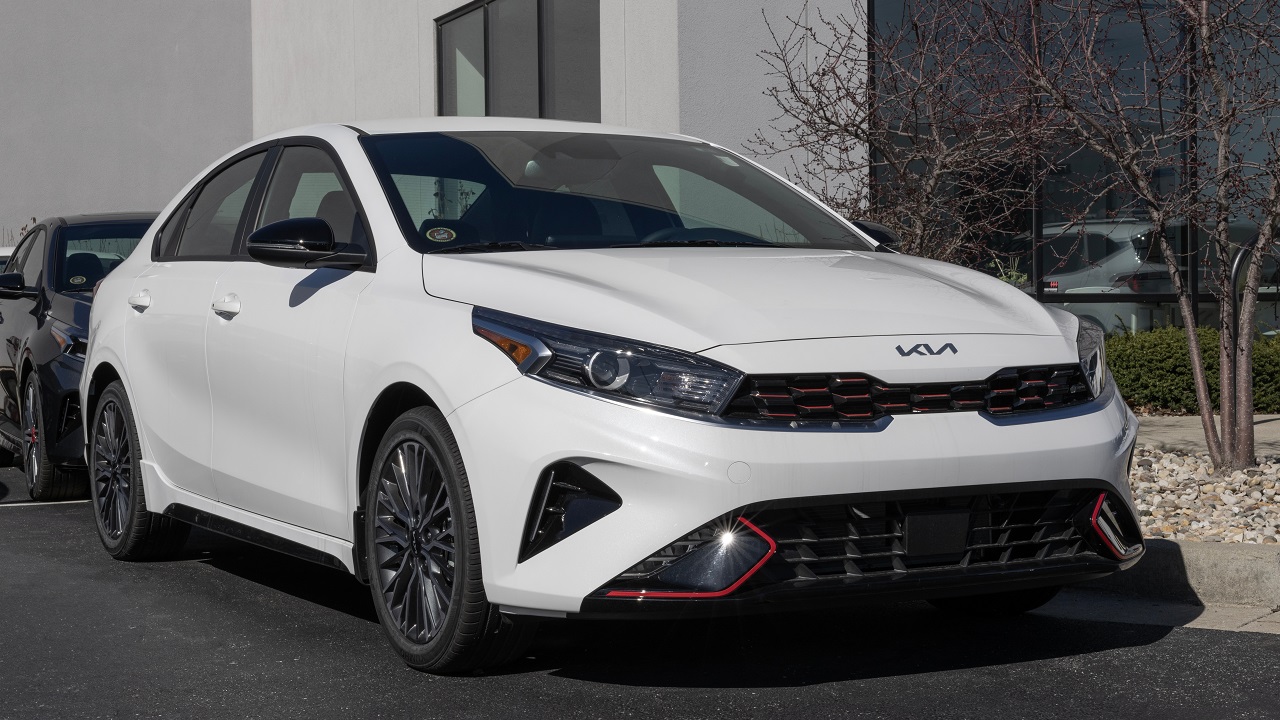
Car dealerships have long been known for their savvy sales tactics, and these strategies continue to evolve with the times. Whether you’re buying a 2025 model or looking at pre-owned options, understanding these dealership tricks can help you navigate the buying process more effectively. Let’s delve into some of the most persistent tactics still in play today.
Limited-Time Offers
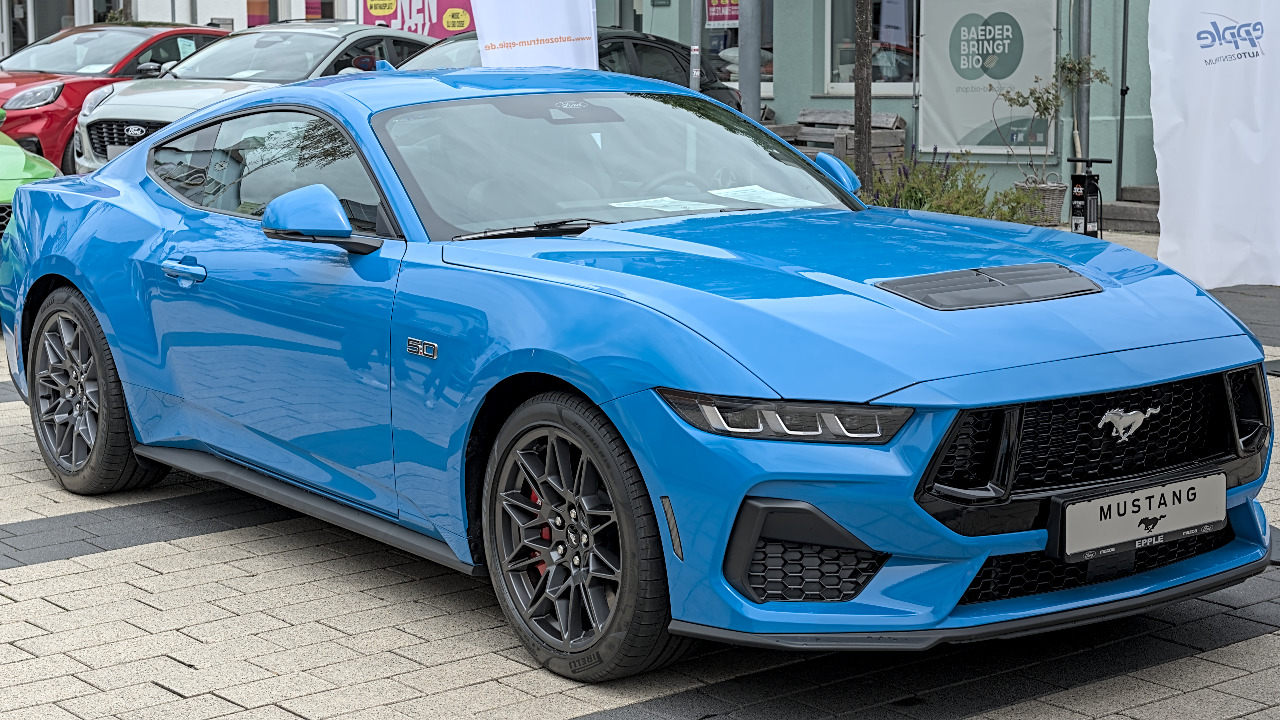
One of the most common tactics you’ll encounter at a car dealership is the limited-time offer. These deals are designed to create a sense of urgency, encouraging buyers to act quickly to secure a perceived bargain. For instance, many dealerships might offer a significant discount on the 2025 Ford Mustang for a “holiday weekend special.” However, it’s essential to verify whether these offers are genuinely limited or just a sales ploy to close a deal quickly.
Understanding the true value of these offers can save you from making hasty decisions. In many cases, similar discounts may be available at other times of the year, so research is key. Check out resources like U.S. News Best Car Deals to compare deals across different dealerships and find the best time to buy.
Trade-In Appraisal Tactics
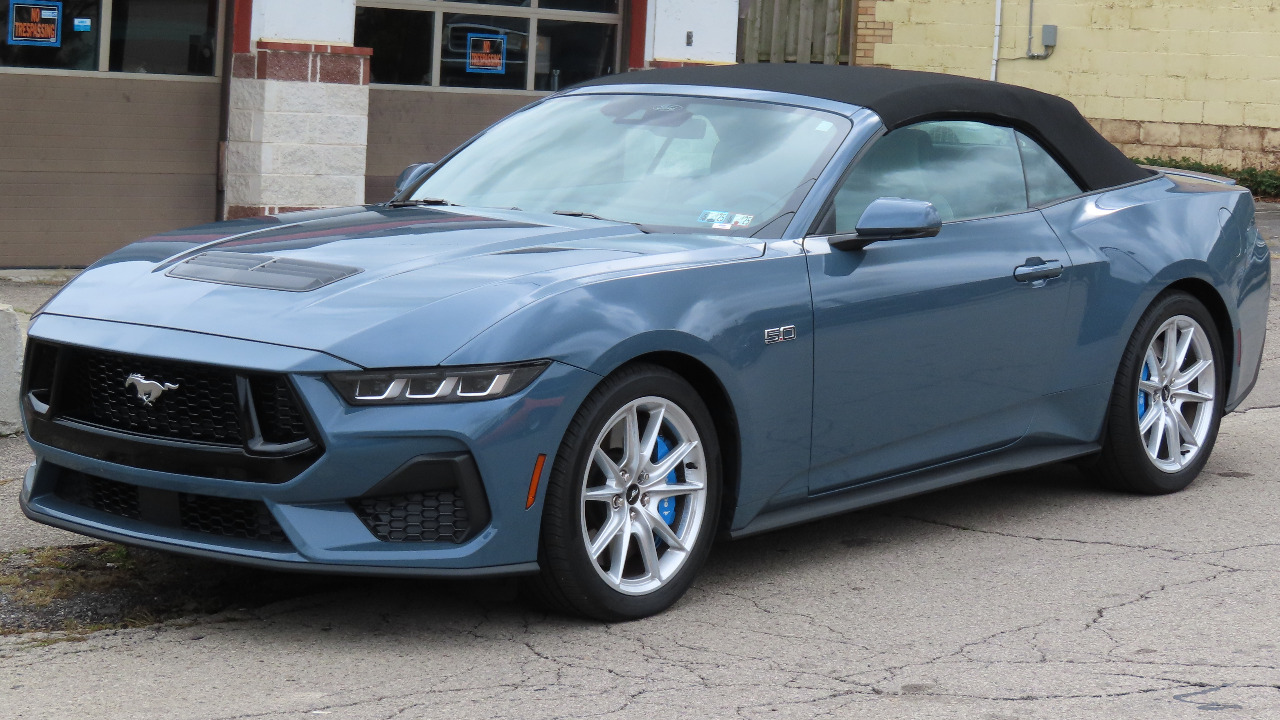
Dealerships often use trade-in appraisals as a way to sweeten the pot for potential buyers. By offering a seemingly generous trade-in value for your current vehicle, they aim to make the overall deal more attractive. However, it’s crucial to know your car’s true market value before stepping into the dealership. Online resources like Kelley Blue Book and Edmunds can provide accurate estimates.
Be wary of lowball offers or inflated appraisals that are contingent on purchasing a vehicle at a higher price. Always negotiate the trade-in and new vehicle prices separately to ensure you get a fair deal on both fronts.
The Monthly Payment Focus

Focusing on monthly payments rather than the total vehicle cost is a classic dealership trick. By shifting the conversation to what you can afford monthly, salespeople can make a deal seem more affordable by extending loan terms, which could lead to paying more in interest over time. It’s important to keep the focus on the total cost of the vehicle, including interest and fees.
Before visiting the dealership, use a loan calculator to understand the relationship between loan term, interest rate, and monthly payment. CNBC Select offers insights into choosing the best car loans, which can help you make informed decisions regarding financing options.
The “Four-Square” Worksheet
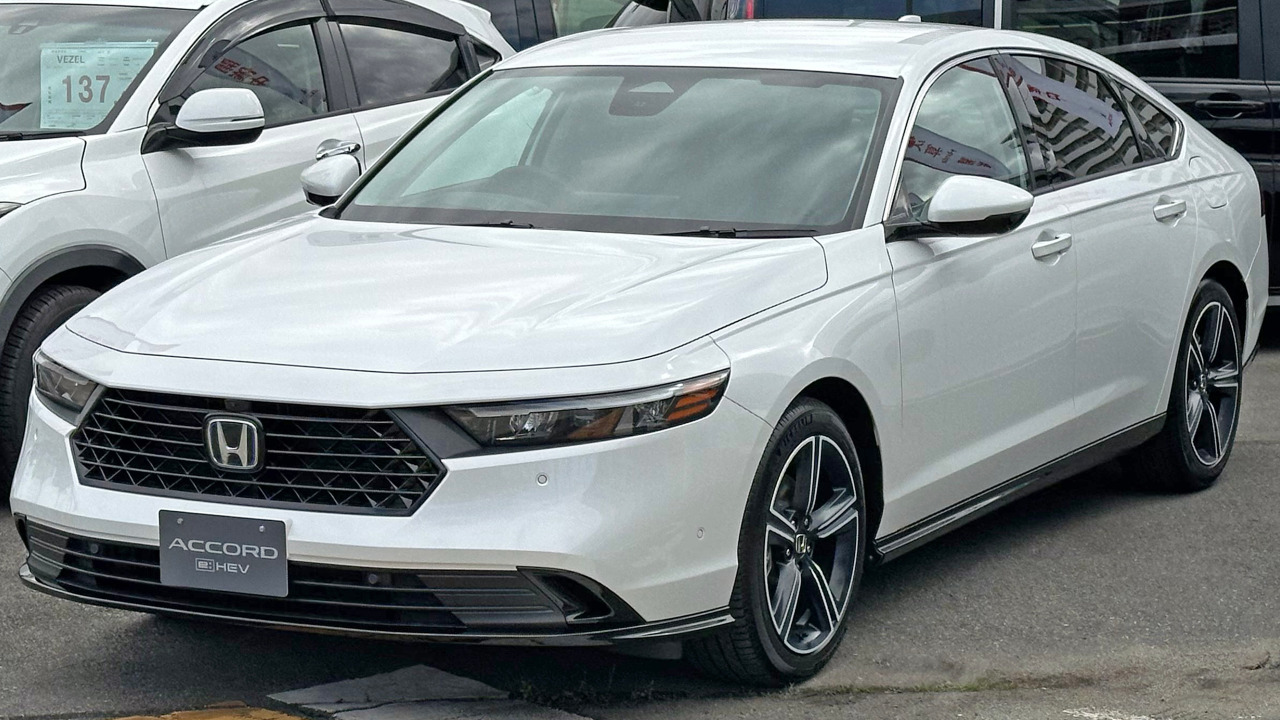
The “four-square” worksheet is a negotiation tool commonly used by dealerships to break down the deal into four areas: trade-in value, purchase price, down payment, and monthly payments. This tactic can easily confuse buyers if they’re not paying attention to the overall cost. Each square can be manipulated to make a deal seem better than it is.
To counter this, focus on negotiating each component independently. Understand the fair market values and don’t be afraid to walk away if the numbers don’t add up. Keeping an eye on the bigger picture will prevent you from getting lost in the details of the worksheet.
Pre-Approval Pressure
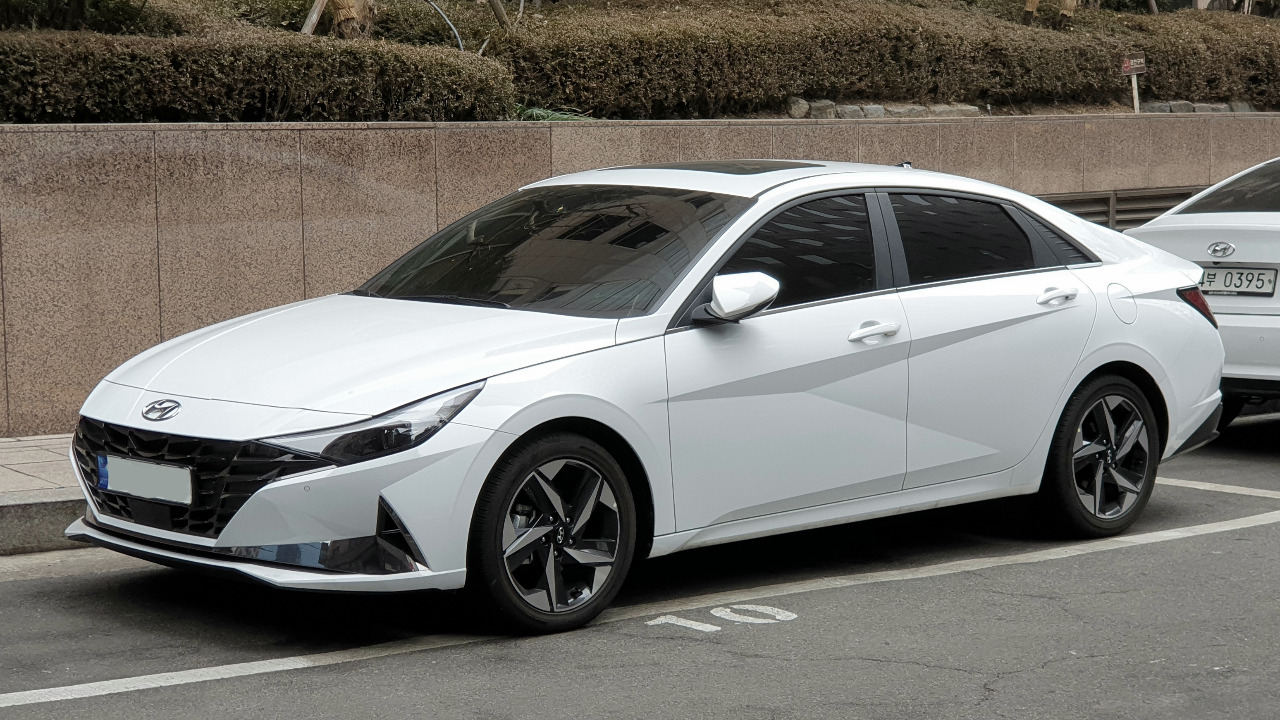
Pre-approval pressure is a tactic where salespeople push buyers to get pre-approved for financing through the dealership’s preferred lender. While this might seem convenient, it’s not always in the buyer’s best interest. It’s important to shop around and explore different financing options to find the best rates.
Check with your bank or credit union for pre-approval offers before heading to the dealership. This will give you a better idea of the rates you qualify for and more leverage during negotiations. Resources like Automotive News offer tips on navigating the finance and insurance aspects of car buying.
Free Add-Ons and Accessories
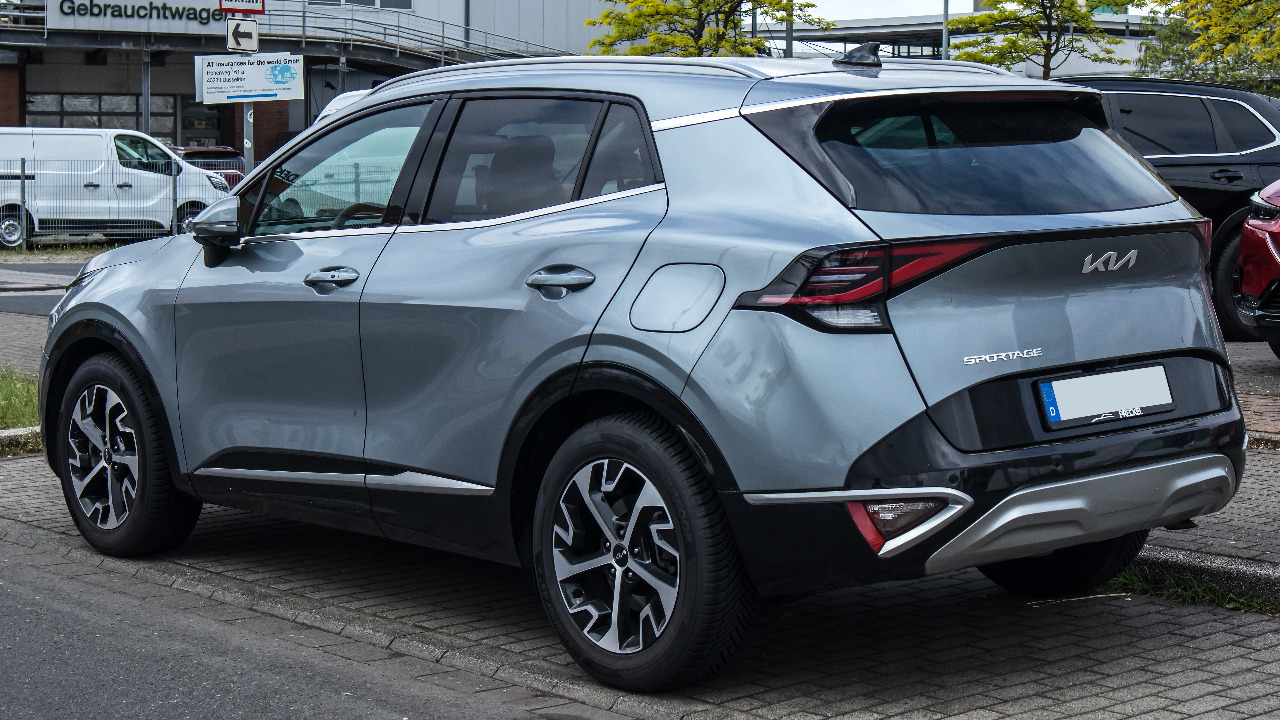
Offering free add-ons or accessories is a common way for dealerships to make a deal more appealing. These can range from floor mats to high-end sound systems. While these extras may seem like a bonus, they’re often factored into the total cost of the vehicle, meaning you’re still paying for them in some form.
If you’re interested in any add-ons, negotiate their inclusion without increasing the vehicle’s price. Be clear about what you want and what you’re willing to pay for, ensuring that these extras truly add value to your purchase.
Extended Warranty Pitches
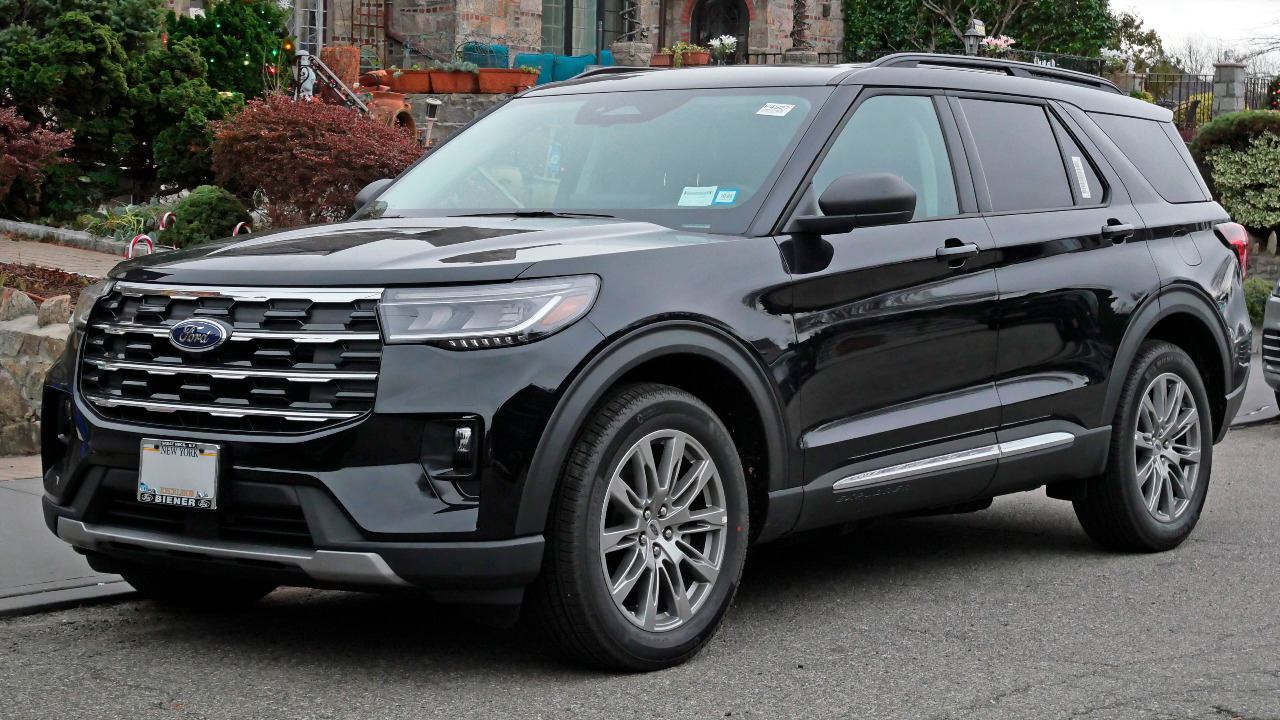
Extended warranties are often pitched as a must-have, providing peace of mind for the buyer. However, these warranties can be expensive and may not cover as much as you’d expect. Before agreeing to an extended warranty, evaluate whether it’s necessary for your situation and if it offers substantial coverage.
Research independent warranty providers and compare their offerings with what the dealership presents. This ensures you get comprehensive coverage at a fair price. Always read the fine print to understand what is included and any exclusions that may apply.
The Test Drive Persuasion
The test drive is an opportunity for salespeople to create an emotional connection between the buyer and the vehicle. By highlighting features and benefits during the drive, they aim to make you fall in love with the car. While a test drive is essential, it’s important to remain objective and not let emotions cloud your judgment.
Use the test drive to evaluate the vehicle’s performance, comfort, and features. Pay attention to your needs and preferences, and don’t hesitate to test drive multiple cars to make a well-rounded decision.
The “Only One Left” Strategy
The “only one left” strategy is designed to create urgency by suggesting that a particular vehicle is in high demand. This can pressure buyers into making a quick decision for fear of missing out. However, dealerships often have access to a network of vehicles, so there’s rarely just one option available.
Remain calm and verify the availability of similar models at other dealerships. If a salesperson insists there’s only one left, consider this a red flag and take your time to explore other options.
The MSRP Comparison
Dealerships often compare the sale price to the Manufacturer’s Suggested Retail Price (MSRP) to make a deal look more appealing. While this comparison can be helpful, the MSRP is merely a guideline and not reflective of the true market value.
Research the average selling price of the model you’re interested in to understand what others are paying. Websites like Edmunds and TrueCar provide valuable insights into real-world pricing, helping you negotiate better deals.
The “Out-the-Door” Price
The “out-the-door” price includes all fees, taxes, and charges, giving you a clearer picture of the total cost. However, some dealerships might exclude certain fees from this price to make it seem more attractive. Always ask for a detailed breakdown of what the out-the-door price includes.
Understanding each component of the total price can help you identify hidden fees or charges that inflate the cost. Don’t hesitate to question any unfamiliar fees and negotiate where possible to secure the best deal.
The Waiting Game Negotiation

The waiting game is a classic negotiation tactic where the salesperson leaves you waiting, hoping you’ll become impatient and agree to their terms. This strategy is designed to wear you down, making you more likely to accept a less favorable deal.
To counter this, remain patient and use the time to review your options. Bring along research materials or discuss your strategy with a partner. Patience and preparedness can turn the waiting game to your advantage, ensuring you leave with a deal that meets your expectations.
Like Fast Lane Only’s content? Be sure to follow us.