Catalytic converter theft has gone from a nuisance crime to a major financial hit for car owners, and now it is starting to reshape how vehicle history is reported. Carfax is beginning to treat some converter theft claims as potential accident damage, a shift that could ripple through used car pricing, insurance decisions, and consumer trust in vehicle history reports.
As I look at how this change emerged, it is clear that a single high dollar theft case exposed a gray area in Carfax’s system and pushed the company to tighten how it labels serious losses. The result is a new warning flag that can follow a vehicle long after the stolen part has been replaced.
How a $9,672 theft exposed a gap in Carfax’s damage logic
The turning point came when a pickup owner discovered that replacing a stolen catalytic converter cost exactly $9,672, yet the incident did not show up as damage on the truck’s Carfax report. Instead, the loss was treated as a routine service entry, even though the repair bill rivaled the cost of a minor collision. That disconnect raised an obvious question for buyers and sellers: if a five figure parts theft is invisible as “damage,” what else might be missing from a supposedly comprehensive history.
When pressed on that case, a Carfax spokesperson explained that theft of part of a vehicle is generally categorized as a stolen event rather than physical damage, and that is why the converter replacement appeared as a service issue rather than an accident or structural repair. The company also noted that, in its view, there was no structural or accident related harm to the truck, so the event did not meet its internal threshold for a damage label. That explanation followed Carfax’s long standing logic, but it also highlighted how a narrow definition of damage can leave consumers with an incomplete picture of serious losses.
Why catalytic converter theft now triggers an accident damage flag
In response to growing scrutiny, Carfax has started to treat some catalytic converter thefts as potential accident damage events, especially when the repair documentation suggests more than a simple bolt off, bolt on replacement. In at least one pickup case, the converter theft now appears in the report under accident damage, even though the truck was never in a crash. That shift reflects a recognition that the financial and mechanical impact of these thefts can rival traditional collision repairs, and that buyers expect to see that level of disruption clearly labeled.
The company’s own report materials emphasize that it aggregates data from police reports, insurance claims, and service records to identify damage events, and catalytic converter theft is now being swept into that net when the loss is significant enough. If an insurer pays out nearly $10,000 to restore a truck’s exhaust system, or a repair shop codes the work as damage related, Carfax’s systems can now translate that into an accident damage flag. For shoppers scanning a listing for a 2019 Toyota Tacoma or a 2020 Ford F-150, that means a converter theft may show up in the same section as a fender bender, even if the body and frame were untouched.
What this means for used car buyers and sellers
For buyers, the new treatment of converter thefts adds another layer of complexity to reading a Carfax report. A single accident damage entry might once have signaled a front end collision or a side impact, but now it could also reflect a high dollar catalytic converter replacement. I have to look more closely at the service descriptions and line items, asking whether the flagged event involved structural repairs, airbag deployment, or simply a stolen exhaust component that was replaced with original parts.
Sellers, especially private owners and small dealers, are likely to feel the impact in pricing and negotiation. A pickup that shows accident damage tied to a converter theft may draw lower offers from buyers who assume the truck was in a crash, even if the underbody and frame are perfectly straight. That creates pressure on sellers to document the repair with invoices and photos, and to explain that the damage flag stems from theft rather than driver error. In a market where a clean Carfax can add thousands of dollars to the value of a late model Honda CR-V or Subaru Outback, a theft related damage entry becomes a new point of friction.
The gray area between theft, damage, and consumer expectations
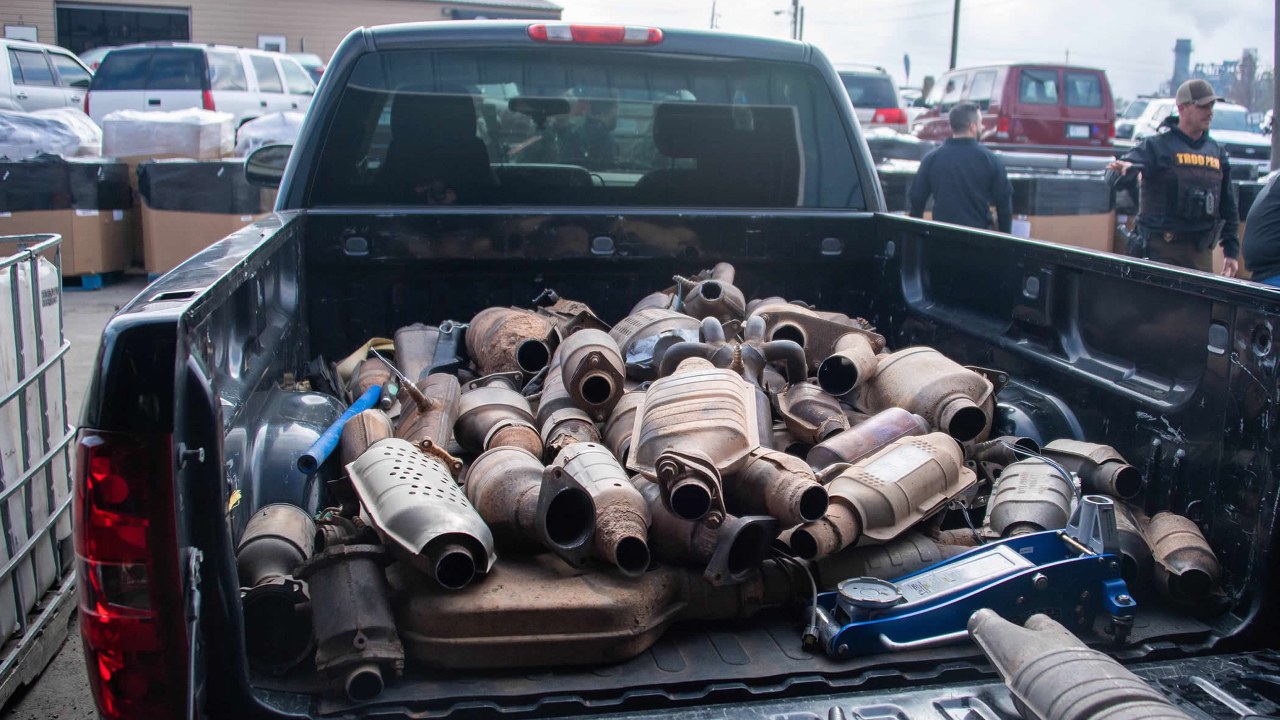
The deeper issue is the blurry line between what Carfax considers theft and what consumers intuitively see as damage. The company’s earlier stance, that theft of part of a vehicle is generally a stolen event rather than damage, made sense in a world of stolen radios or missing wheels that could be swapped without long term consequences. Catalytic converters are different. They are tied into emissions systems, oxygen sensors, and underbody components, and thieves often cut them out with saws that can nick fuel lines or wiring harnesses. Even when the repair is clean, the sheer cost of a $9,672 replacement feels like more than a minor service visit.
From a buyer’s perspective, I expect a vehicle history report to surface any event that meaningfully affects the car’s value, safety, or long term reliability, regardless of whether it came from a crash, vandalism, or theft. When a converter theft is hidden in the service section, it forces shoppers to read between the lines and decode repair jargon. By moving some of these incidents into the accident damage category, Carfax is aligning its labels more closely with consumer expectations, but it is also stretching the definition of “accident” in ways that can confuse people who assume that word always means a collision.
How owners can protect themselves in the new reporting landscape
For current owners, the evolving treatment of converter thefts on Carfax reports is a reminder to document everything and think ahead about resale. If a catalytic converter is stolen from a 2018 Chevrolet Silverado or a 2021 Kia Sportage, I would keep detailed invoices, photos of the underbody before and after repair, and any insurance paperwork that clarifies there was no structural or frame damage. That documentation becomes crucial when a future buyer pulls a report, sees an accident damage flag, and asks what really happened.
It also underscores the value of preventive steps that can reduce the risk of theft and the chance of a permanent black mark on a vehicle history report. Converter shields, secure parking, and VIN etching on the converter itself are not just anti theft measures, they are tools to avoid a costly event that might later be interpreted as damage. As Carfax refines its systems and folds catalytic converter theft into its damage logic, owners, buyers, and sellers all have to become more fluent in how these reports are generated, what each label really means, and how a single stolen part can echo through the life of a vehicle long after the repair is complete.