Most cars are built to move units. These weren’t. They were engineered with one goal: win races. Whether it was Le Mans, the WRC, NASCAR, or DTM, these machines were purpose-built to dominate the competition—not to keep dealers busy or meet quarterly sales goals.
Some were barely street legal. Others existed only because the rulebook required a few “production models.” But none of them were practical or profitable in the traditional sense. They were tools, sharpened for speed, and they left a mark that had nothing to do with showroom success.
Ford GT40 – Built for Revenge, Not the Lot

The GT40 wasn’t designed to move units—it was designed to humiliate Ferrari at Le Mans. After a failed buyout, Ford went racing with a mission, and the GT40 delivered four consecutive wins at Le Mans from 1966 to 1969.
Under the hood, the Mk II version packed a 427-cubic-inch V8 pushing over 485 hp and brutal torque, tailored for endurance. The car was expensive, complex, and impractical for street use. Ford didn’t care. They wanted Ferrari’s crown—and they took it.
Porsche 917 – Overkill in Aluminum and Magnesium

The 917 wasn’t just fast—it was borderline terrifying. Powered by a flat-12 that eventually grew to 4.9 liters and 630+ horsepower, it became a monster at Le Mans and helped cement Porsche’s legacy in endurance racing.
Porsche built it only to meet the FIA’s 25-unit homologation rule. Early versions were unstable at speed, but once they figured out the aerodynamics, it was unstoppable. No one bought a 917 to commute. It was a weapon—built for long straights and high stakes.
Dodge Daytona – NASCAR’s Aero Outlaw
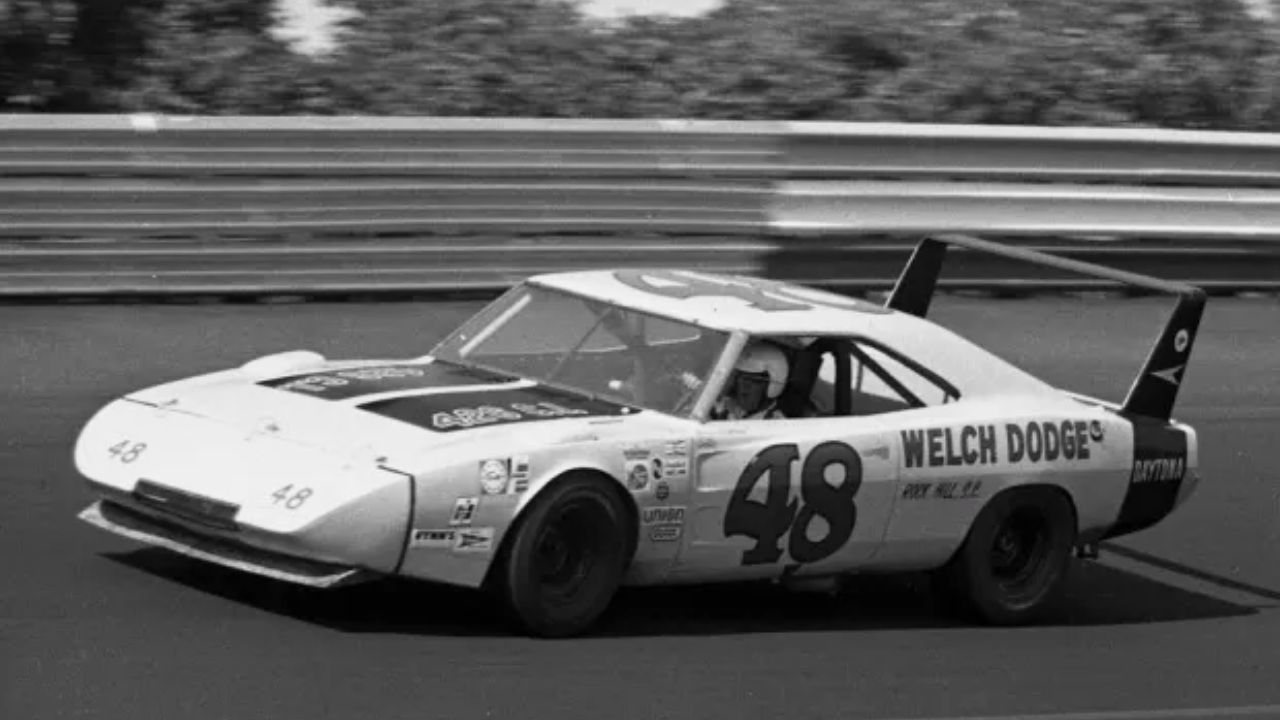
The 1969 Dodge Charger Daytona was designed with one thing in mind: beat Ford at superspeedways. With its nose cone, 23-inch rear wing, and slippery drag coefficient, it was the first NASCAR car to break 200 mph.
Dodge had to build a street version to qualify it for racing, but they weren’t expecting showroom demand. With a 426 HEMI or 440 Magnum under the hood, it was barely streetable. It existed to win at Talladega and Daytona—not sell on Monday.
Lancia Delta S4 – Group B’s Wildest Creature

The Delta S4 was Lancia’s entry into the insane Group B rally era. With both a supercharger and turbocharger feeding its 1.8L inline-four, it made 480+ hp in race trim and rocketed from 0 to 60 in under 2.5 seconds—on dirt.
It had a tube-frame chassis, lightweight panels, and minimal concessions to road use. Lancia made just enough for homologation, but the S4 was never meant for dealerships. It was a race tool—unstable, violent, and tragic. Its role in Group B’s end is part of its legacy.
Nissan R390 GT1 – Homologation in Name Only
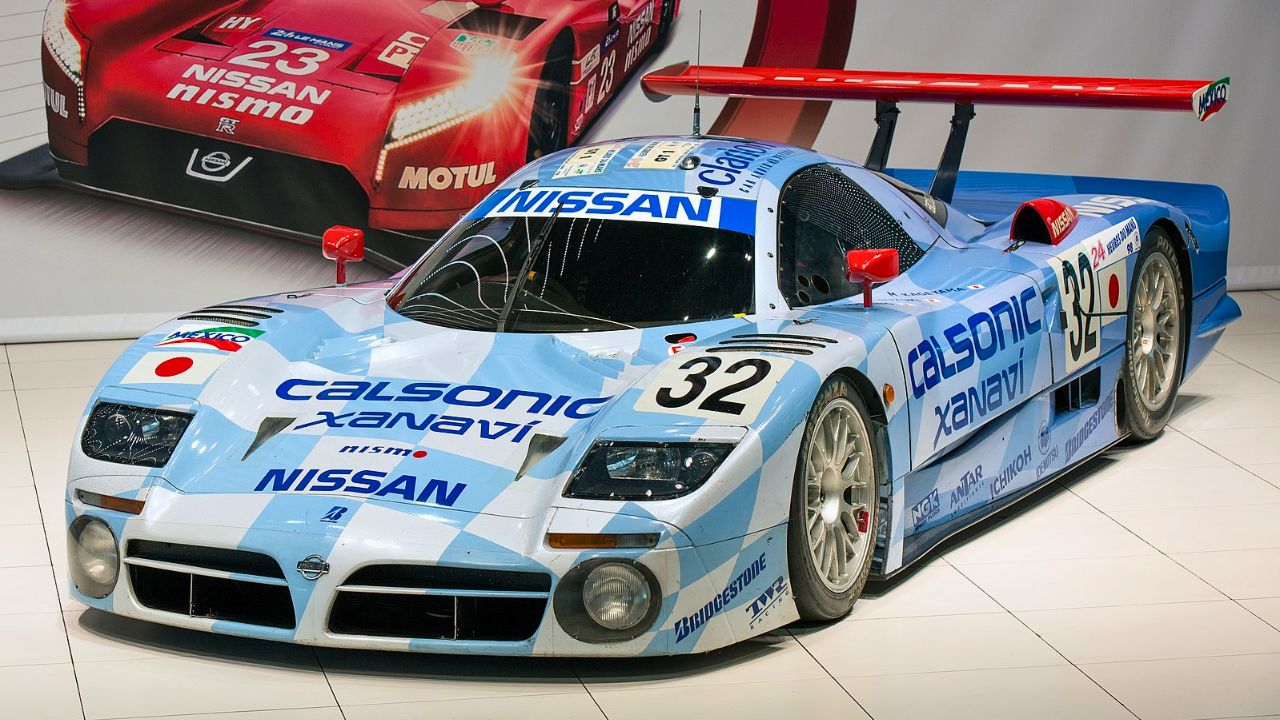
Built for the 24 Hours of Le Mans in the late ’90s, the R390 GT1 was Nissan’s attempt to challenge Porsche and Mercedes on the world stage. The road car version? A single unit built to meet regulations—never sold to the public.
Its 3.5L twin-turbo V8 made around 550 horsepower, and its carbon fiber body kept weight in check. The R390 wasn’t created for profit—it was a loophole special, existing only so Nissan could enter its race version. The one street car lives in Nissan’s own museum.
Mercedes 190E 2.5-16 Evo II – DTM’s Precision Tool
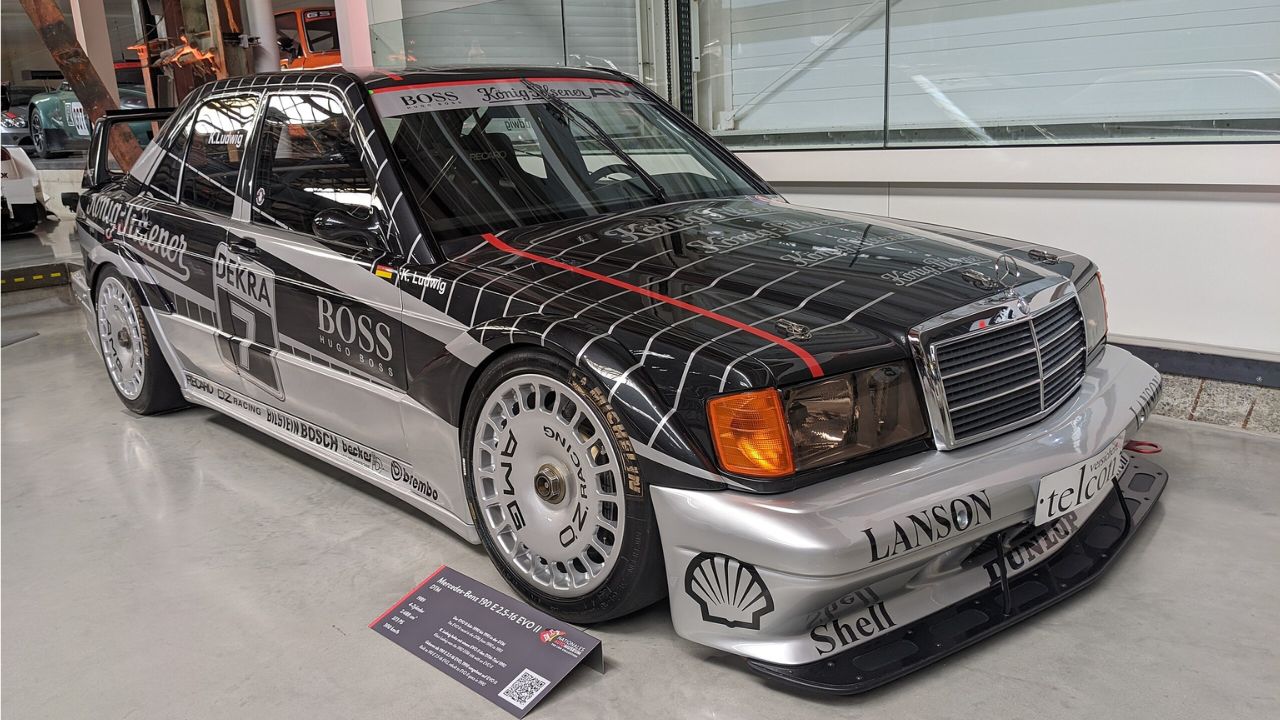
The Evo II was built to dominate German touring car racing, not suburban errands. With its high-revving 2.5L inline-four pushing 235 hp, massive wing, and box flares, it looked—and handled—like a track machine.
Just over 500 were built to qualify for DTM, and every part was engineered with lap times in mind. This wasn’t a volume car. It was a homologation strategy, crafted to edge out BMW in one of the most competitive series of its era.
Ferrari 250 GTO – The Million-Dollar Race Ticket
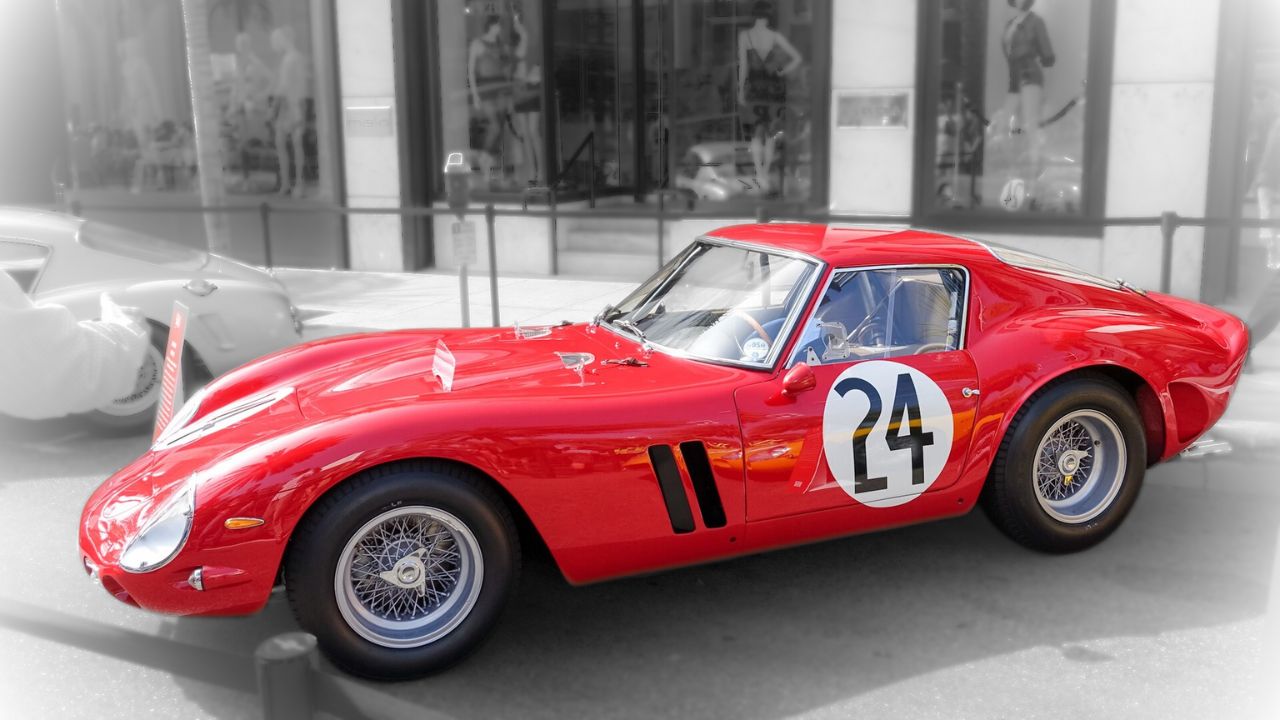
Back in the early ’60s, Ferrari’s 250 GTO wasn’t just a collector piece—it was a tool for winning FIA GT races. Its 3.0L V12 made around 300 hp, and it featured a lightweight body designed for speed and stability.
Ferrari only built 36 units, and most were sold to hand-picked customers who’d actually race them. The GTO’s street manners were secondary. It was built to keep Ferrari on top at the track. The fact that they’re now worth tens of millions? That came later.
Plymouth Superbird – Too Fast for Its Own Good
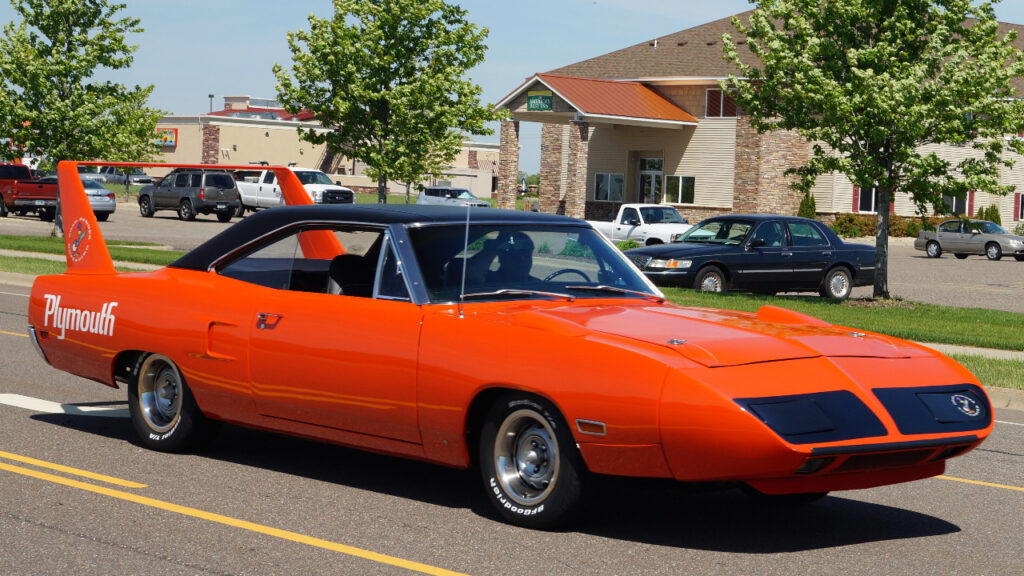
Much like the Daytona, the 1970 Plymouth Superbird was built to beat Ford and Chevrolet at their own game in NASCAR. The nose and high rear wing were optimized for superspeedway speed—not showroom floors.
Equipped with either the 426 HEMI or 440 Super Commando, it was a beast in a straight line. But it was so over-the-top that many dealers struggled to sell them. Some were even converted back to regular Chargers. It was a racer’s tool, not a marketing win.
Toyota GT-One – Le Mans First, Sales Later

The Toyota GT-One was built for one race: Le Mans. Designed by ex-Formula 1 engineers, it featured a carbon monocoque and a 3.6L twin-turbo V8 making over 600 hp. It looked like a prototype—and drove like one too.
To satisfy homologation, Toyota built two road-going examples. Neither was sold publicly. The GT-One was a legal technicality wrapped around a purebred race car. It didn’t exist to be driven on the street—it existed so Toyota could chase a Le Mans title.
Ford RS200 – Rally Power Without Restraint

The RS200 was Ford’s all-wheel-drive answer to Group B chaos. Mid-engine, turbocharged, and with around 450 hp in race trim, it had serious credentials. The road-going versions made closer to 250 hp—but they weren’t really road cars.
Ford built 200 to meet rules, but it was clear the RS200 was made for the rally stage. With a composite body and trick drivetrain, it was unlike anything else Ford had built. You could buy one—barely—but it was never meant for the average driver.
Like what you read? Here’s more by us:
*Created with AI assistance and editor review.