Supercars are supposed to be loud in every sense, yet some of their most brilliant engines have spent the 21st century hiding in plain sight. While auction darlings and Nürburgring lap records hog the spotlight, a handful of powertrains quietly rewrote the rulebook on performance, character, and technology without ever getting the credit they deserve.
I want to shine a very bright light on those overlooked masterpieces, the engines that turned “underrated” supercars into cult favorites and future classics. From hybrid V6s to wild plug-in V8s and old-school boosted V10s, these are the powerplants that changed the game even as the market looked the other way.
The hybrid V6 that everyone underestimated: Acura NSX
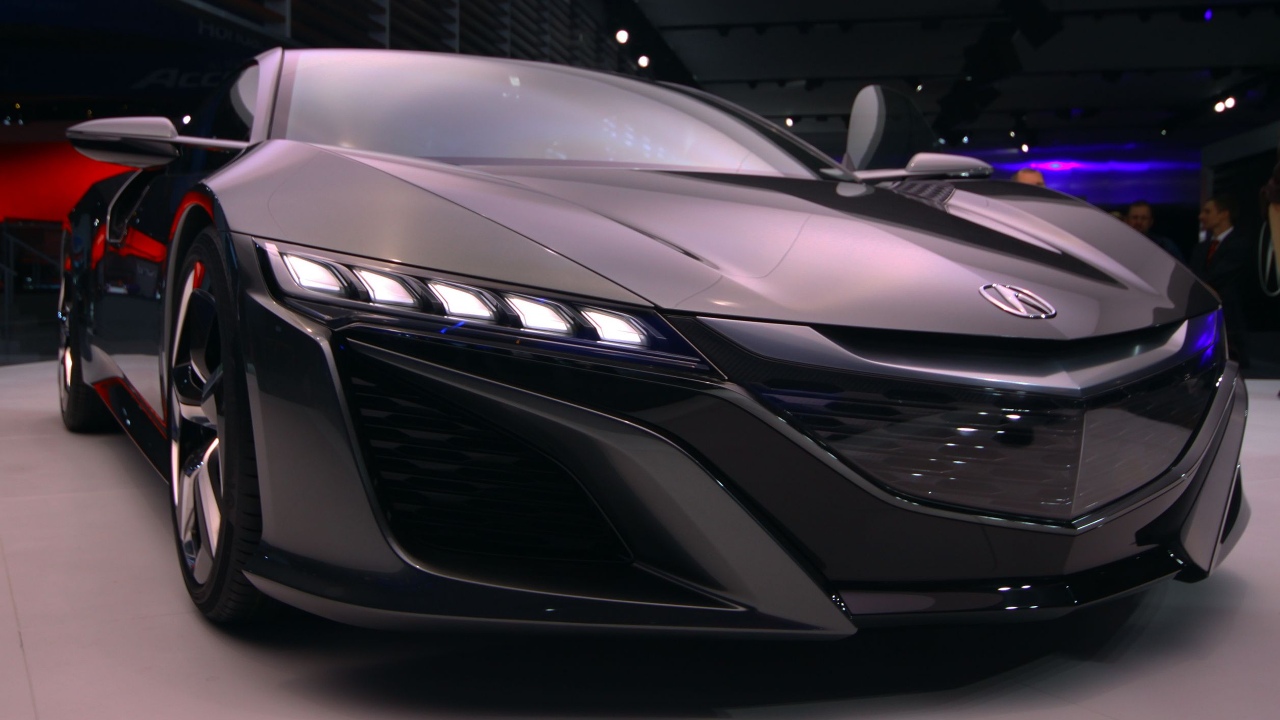
If there is a single 21st century supercar engine that enthusiasts chronically underrate, it is the twin-turbo V6 hybrid in the second-generation Acura NSX. On paper it sounds almost modest next to screaming V10s and V12s, yet in reality it blends internal combustion and electric torque in a way that feels almost telepathic. The mid-mounted V6 works with three electric motors to deliver instant shove out of corners, and the calibration is so seamless that the car feels like one continuous surge rather than a gas engine with electric “assistance.”
I see that disconnect between spec sheet and seat-of-the-pants experience reflected in how often the Acura NSX is described as “much underrated” even in detailed reviews of the 2022 model, which note that The NSX is better than ever in Type S guise. That final Type S evolution turns the wick up further, with extra power and sharper responses that commentators have called one of the most underrated supercar experiences of recent years, a sentiment echoed in video coverage that flatly calls the Acura NSX “one of the most underrated supercars” and praises how the latest NSX “turns it up to 11” with its power jump. Even auction listings for a 2017 Acura NSX lean into the same theme, describing the car as “one of the most underrated supercars on the market” while highlighting its “incredible performance” and “impressive handling,” proof that the hybrid V6’s brilliance is finally starting to be recognized even as values remain relatively sensible.
The plug-in V8 that rewrote hypercar rules: Koenigsegg Regera
At the other end of the subtlety spectrum sits the Koenigsegg Regera, a car that looks every bit as wild as its numbers, yet whose powertrain still does not get the mainstream respect it deserves. Under that sculpted body is a twin-turbo V8 paired with a sophisticated hybrid system, but the real magic is how it ditches a traditional gearbox entirely. Instead of rowing through ratios, the Regera uses a direct-drive setup that lets the engine and electric motors pour power straight to the wheels, turning the usual idea of a hypercar transmission on its head.
I find it telling that even in the social media age, where outrageous specs usually guarantee instant fame, The Koenigsegg Regera is still being called “arguably the most underrated hypercar” precisely because it “overthrows convention” with its hybrid system and lack of a conventional gearbox. That same coverage points out how this layout delivers “blistering 0–” style acceleration, underlining that the V8 and its electric partners are not just a science project but a devastatingly effective performance package. When a car this radical can still be described as underrated, it is a clear sign that its powertrain is operating on a level the broader market has not fully processed yet.
The supercharged V8 that turned a GT into a missile: Mercedes-Benz SLR McLaren
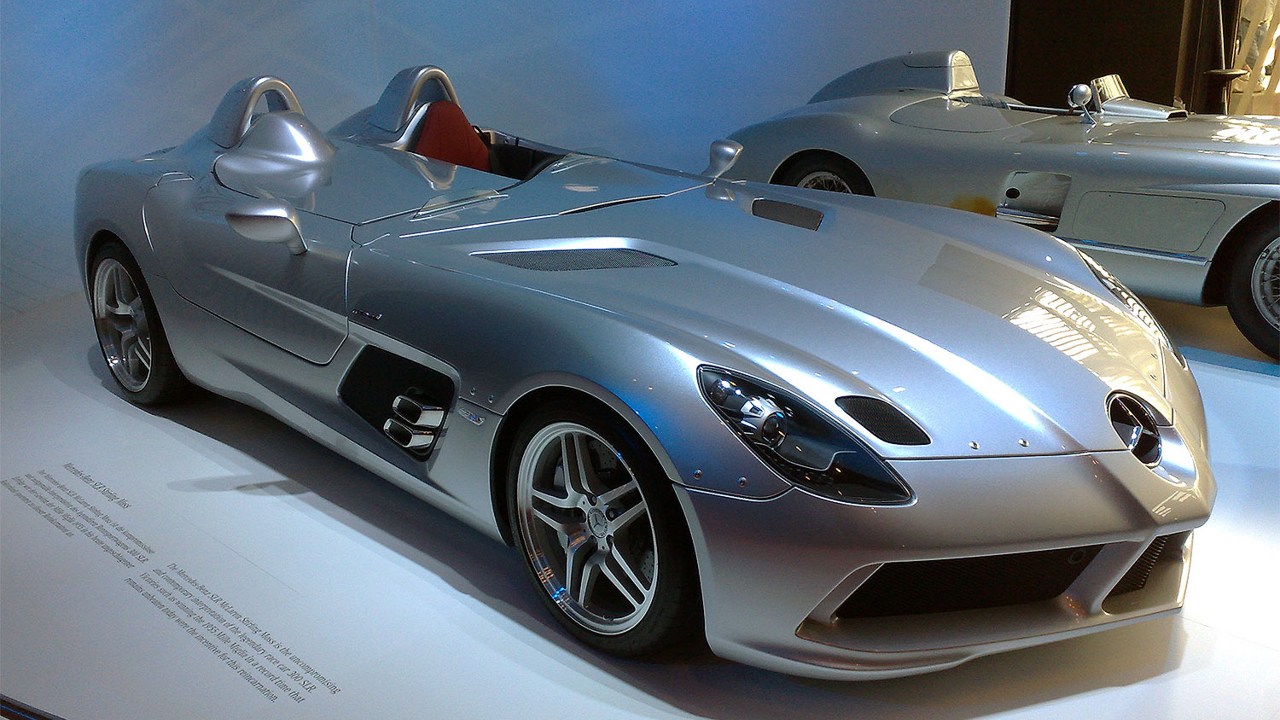
Long before plug-in hypercars and torque-vectoring hybrids, the Mercedes-Benz SLR McLaren quietly delivered one of the most charismatic engines of the modern era. Its hand-built supercharged V8 did not chase stratospheric revs or headline-grabbing hybrid complexity, it focused on brutal, ever-present torque wrapped in a surprisingly refined character. In an age when many supercars demanded sacrifice, the SLR’s engine let the car be both a long-legged grand tourer and a ferocious straight-line weapon.
Reporting on the SLR’s unique place in the supercar world emphasizes that it was not just a track toy but “also a grand tourer,” a dual personality made possible by that supercharged V8’s blend of low-end shove and high-speed composure. Writers who revisit the car today stress that there is “no other supercar like” the SLR, and that is not hyperbole, it is a reflection of how rare it is to find a powertrain that can cruise with near-luxury smoothness one moment and then deliver explosive acceleration the next. In a market that often prizes lap times over long-distance ability, this engine’s breadth of talent has been easy to overlook, which is exactly why I see it as one of the century’s most underappreciated powerplants.
The V10 that made “undervalued” a compliment
Some engines are underrated not because enthusiasts dislike them, but because the market has not caught up to their significance. That is the story behind several early 21st century supercars that now show up on lists of the Most Undervalued Supercars, where their performance and engineering far outstrip their current price tags. At the heart of many of these cars are naturally aspirated V10s and V8s that deliver a kind of analog intensity modern turbocharged and hybrid setups struggle to replicate.
Analyses of the Most Undervalued Supercars point out that these cars “captured the hearts of enthusiasts” with “jaw-dropping performance” and exclusivity, yet still trade for surprisingly attainable money compared with newer halo models. The engines are central to that equation, because they offer a visceral soundtrack and throttle response that feel increasingly rare in a world of downsizing and electrification. When I look at how buyers are now hunting for the best second hand supercars, I see the same pattern: guides stress that the best second hand supercars are often “those underrated models that deliver exceptional performance without the inflated price tags,” and that older powertrains can “offer more exclusivity than their newer counterparts.” In other words, the market is finally waking up to the idea that being overlooked for a decade can turn a great engine into a future icon.
The sleeper DNA: underrated performance engines outside the spotlight
Not every underrated supercar engine lives in a car with scissor doors and a six-figure sticker. Some of the most interesting powerplants of the 21st century started life in so-called sleepers, cars that look relatively ordinary but hide serious performance potential. These engines matter to the supercar conversation because they often share technology, architecture, or philosophy with more exotic cousins, and they show how great engineering can be disguised under everyday sheet metal.
One standout example is the Volkswagen 3.2-Liter VR6, a compact, narrow-angle six that has powered everything from hot hatchbacks to stealthy performance sedans. Coverage of underrated engines in the sleeper world highlights this “3.2-Liter” unit with a “Closeup of a 3.2-Liter Volkswagen” VR6, underscoring how its smooth power delivery and tuning potential have made it a cult favorite. The same reporting notes how this engine helped turn cars like the Golf GTI into genuine performance threats, a point echoed in broader rundowns of underrated modern performance cars that single out models such as the “2000 Volkswagen Golf GTI” and its VR6 as machines every enthusiast should drive. When I connect those dots, I see a clear throughline: the engineering that makes a humble hatchback shock supercars in a straight line is the same mindset that, when turned loose on a clean-sheet project, creates the kind of underappreciated supercar engines I have been celebrating.
Why underrated engines are the ones to watch
Across all of these examples, from the Acura NSX hybrid V6 to The Koenigsegg Regera’s gearbox-free V8 and the old-school thunder of the Mercedes-Benz SLR McLaren, a pattern emerges. The engines that age best are often the ones that were slightly out of step with their era, either too complex, too subtle, or too multi-talented to fit neatly into the hype cycles of their launch years. They did not always win the spec-sheet arms race, but they changed how cars felt to drive, and that is what ultimately sticks with people.
That is why I pay close attention when detailed buyer guides and enthusiast deep dives keep circling back to “underrated” and “undervalued” performance machines. Whether they are calling the Acura NSX “one of the most underrated supercars on the market,” arguing that The Koenigsegg Regera is “arguably the most underrated hypercar,” or reminding readers that the best second hand supercars are often the ones everyone else overlooked, they are all pointing to the same truth. The most exciting engines of the 21st century are not always the loudest in the showroom, but they are the ones that, years later, still feel ahead of their time every time you press the throttle.