
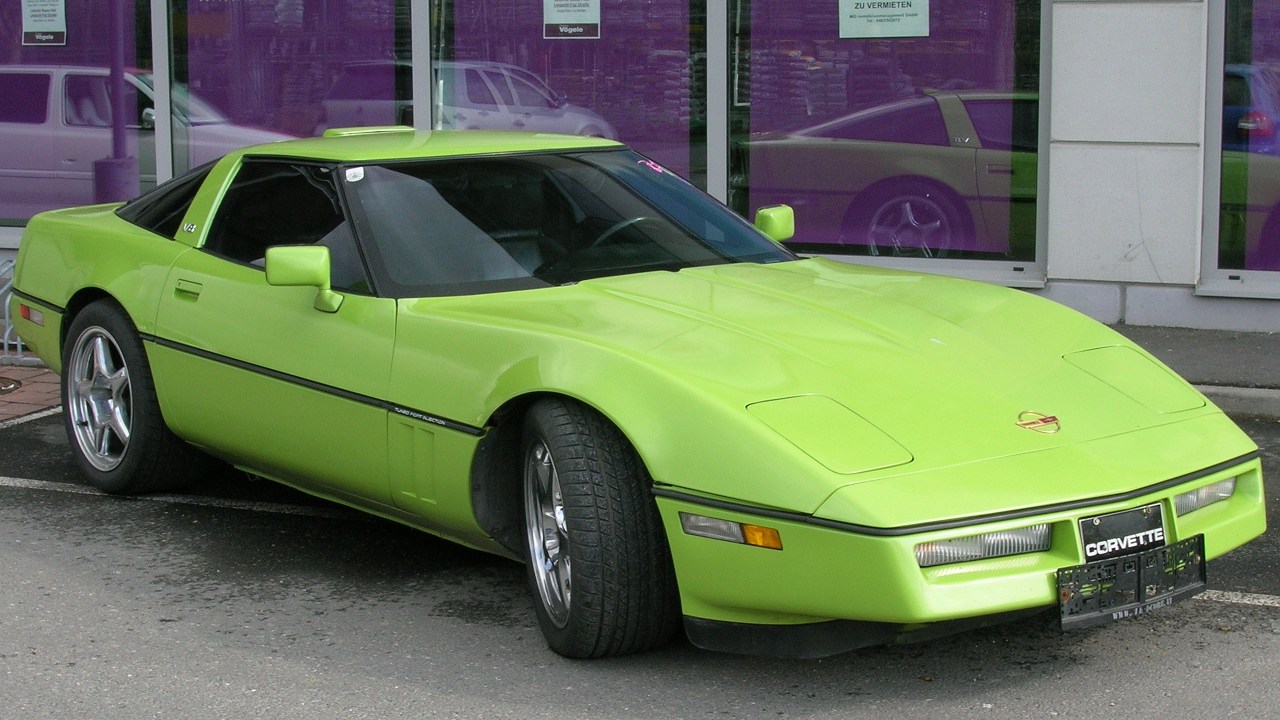
Automakers have a long history of building cars that arrive a decade before buyers are ready for them. The technology works, the engineering is sound, yet the market shrugs because the price, infrastructure, or culture has not caught up. I see the same pattern repeating across electric drivetrains, digital dashboards, and even basic safety systems that were once dismissed as gimmicks before becoming non‑negotiable.
Looking back at these misaligned launches is a useful way to understand how innovation really lands in the showroom. The cars that felt “too advanced” at the time often mapped out the next era of driving, even if they sold in tiny numbers or vanished after a single generation.
Early hybrids and EVs that arrived before the charging era
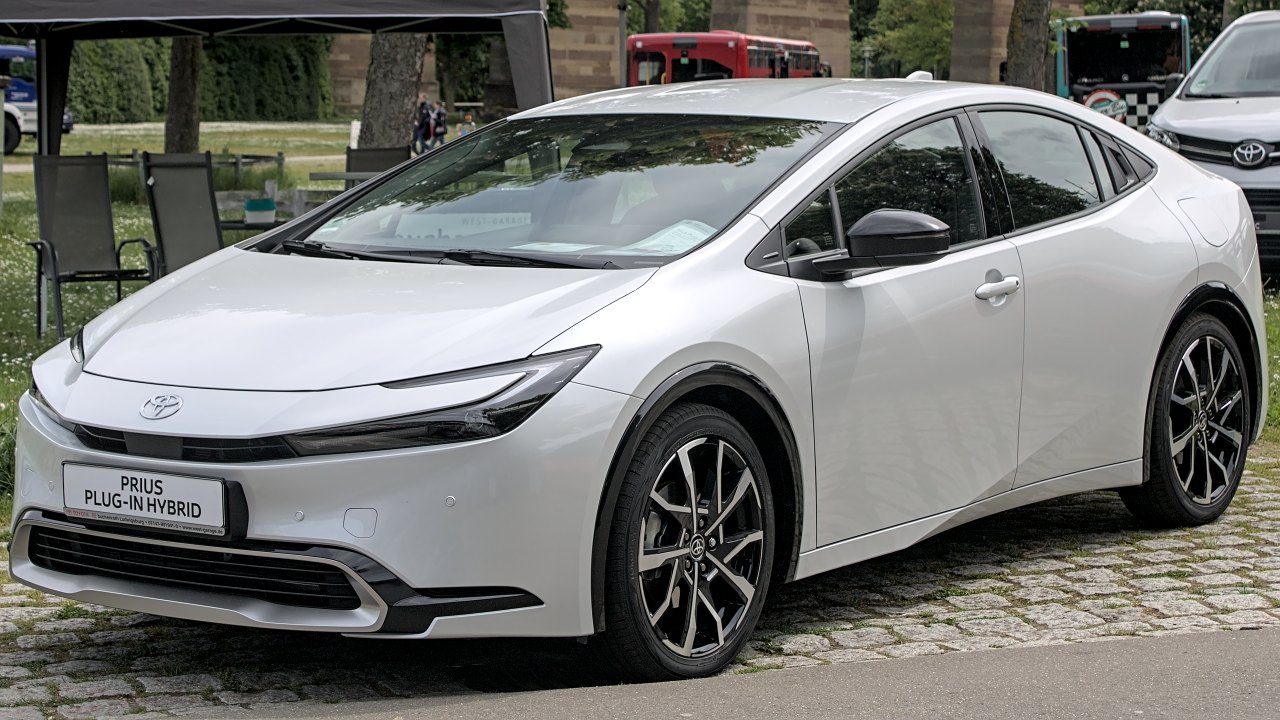
The first modern wave of hybrids and electric cars proved that cleaner drivetrains were technically viable long before buyers were ready to reorganize their lives around plugs and battery ranges. Models like the original Toyota Prius and early plug‑ins showed that fuel savings and lower emissions were achievable, but they asked drivers to accept higher upfront prices, unfamiliar dashboards, and in some cases limited performance. That tradeoff made sense for a narrow slice of early adopters, not for the broader market that still judged value by horsepower and pump prices.
As charging networks expanded and battery costs fell, the same basic ideas that once felt niche moved into the mainstream. Later generations of hybrid systems, along with fully electric models, benefited from more mature lithium‑ion packs, better energy management software, and a growing web of public chargers that reduced range anxiety. The shift from curiosity to core product line did not happen because the concept changed, but because the surrounding ecosystem finally supported daily use at scale, something early hybrids and EVs had to live without.
Digital dashboards and connectivity that outpaced drivers’ comfort zones
Long before touchscreens became the default, a handful of cars experimented with digital dashboards and connected features that felt closer to consumer electronics than traditional gauges. Early implementations replaced analog dials with pixelated displays, added complex menu trees, and in some cases integrated navigation and communication tools that drivers had never seen in a vehicle. The technology worked, but the learning curve was steep, and many buyers preferred the familiarity of physical knobs and simple speedometers.
Over time, smartphones and tablets trained people to expect software‑driven interfaces everywhere, including behind the wheel. Automakers refined their systems with clearer graphics, faster processors, and more intuitive layouts, turning what once felt like a science‑fiction cockpit into a normal part of commuting. The early digital clusters and connected services that struggled for acceptance now look like rough drafts of the fully integrated infotainment suites that dominate new‑car interiors.
Advanced safety tech that buyers dismissed as optional extras
Some of the most transformative automotive innovations arrived first as expensive options that many buyers unchecked on the order form. Early versions of adaptive cruise control, lane‑keeping assistance, and automatic emergency braking were often bundled in premium packages, marketed as conveniences rather than as core safety tools. Drivers who were used to full control over steering and braking sometimes viewed these systems with suspicion, worrying about false alarms or unwanted intervention.
As crash data accumulated and regulators took notice, the perception of these features shifted from luxury add‑ons to essential protections. Automakers improved sensor accuracy and tuning, and independent tests highlighted how much they reduced the severity and frequency of collisions. What had once been a hard sell at the dealership gradually became standard equipment across entire lineups, illustrating how safety technology can be “too advanced” for buyers only until real‑world evidence and better calibration make its value impossible to ignore.
Early semi‑autonomous driving that felt like a leap too far
When the first semi‑autonomous driving systems reached showrooms, they promised to handle highway cruising, traffic jams, and even lane changes with minimal driver input. On paper, this was a logical extension of existing driver‑assist features, but in practice it asked people to trust software with tasks they had always done themselves. The gap between the technology’s capabilities and public comfort was wide, especially when high‑profile incidents raised questions about overreliance and misuse.
Manufacturers responded by tightening driver‑monitoring requirements, clarifying system limits, and refining how these features engaged and disengaged. Over time, the idea of a car that can center itself in a lane or maintain distance in stop‑and‑go traffic has become less radical, even if full autonomy remains out of reach. The early systems that felt unnerving to many buyers now look like the first step in a gradual, heavily supervised evolution rather than a sudden handover of control.
Luxury tech showcases that priced themselves out of mass adoption
High‑end models have long served as rolling laboratories for features that would not make financial sense in mainstream cars. Complex air suspensions, night‑vision cameras, and elaborate multi‑screen entertainment systems often debuted in luxury flagships where buyers were willing to pay for novelty. The problem was that these showcases sometimes arrived so far ahead of broader demand that they remained confined to a tiny segment, reinforcing the perception that such technology was extravagant rather than practical.
As production costs dropped and suppliers scaled up, many of these once‑exclusive features filtered down into more affordable vehicles. What started as a costly experiment in a halo model could eventually appear as a mid‑trim option in a family SUV, reframed as comfort, safety, or convenience rather than as a party trick. The luxury cars that initially seemed out of touch with everyday needs often served as the proving ground that made later mass‑market adoption possible, even if their own sales volumes never justified the investment on their own.

Leave a Reply