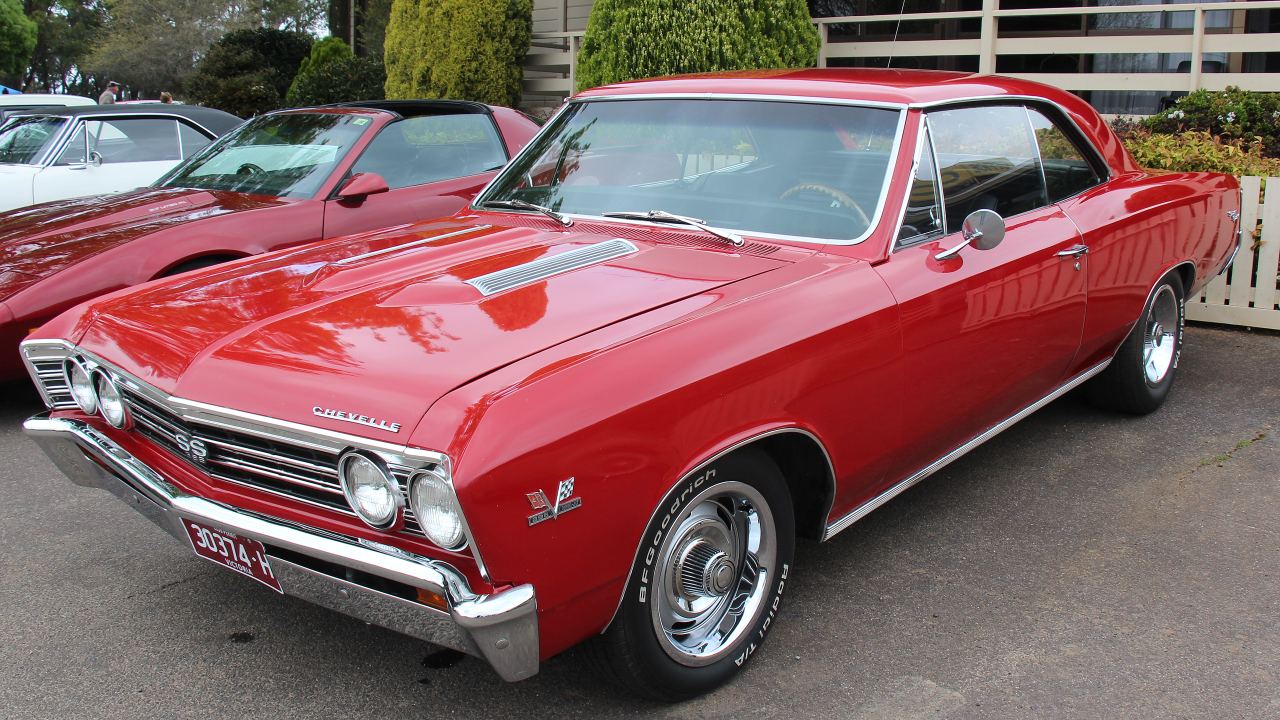
The Chevelle Malibu SS 396 arrived at a turning point in the American muscle car story, when midsize coupes suddenly had the power and presence to challenge full-size performance icons. Understanding when Chevrolet moved the Malibu SS into big-block territory, and how rare those early cars are, is essential to making sense of the prices collectors are paying today. I want to trace that shift from trim package to serious performance model, then connect it directly to the current market values that have pushed the most desirable examples into six-figure territory.
From Malibu trim package to serious performance contender
When Chevrolet first used the Malibu SS name, it was not yet the fire-breathing big-block that enthusiasts picture today. The Malibu SS started life as a trim package for the Chevelle, built around bucket seats, a console, and extra brightwork rather than raw power, as detailed in period descriptions of The Malibu SS. That early positioning matters, because it shows how quickly Chevrolet pivoted once the muscle car race intensified and buyers began demanding more than appearance upgrades. The Chevelle name itself was still finding its place in the lineup, and the Malibu SS badge was a way to dress up a practical midsize platform before the engineers were allowed to unleash its full potential.
By the mid 1960s, Chevrolet was facing direct pressure from Ford and Chrysler, whose own midsize performance cars were gaining traction. That competition pushed Chevrolet to move the Malibu SS beyond cosmetic upgrades and into genuine high performance. The shift set the stage for the arrival of the 396 cubic inch big-block in the Chevelle line, transforming the Malibu SS from a stylish cruiser into a car that could run with the quickest machines of its day. The escalation was not just about horsepower bragging rights, it was about keeping the Chevelle relevant in a market that was suddenly obsessed with quarter-mile times.
The pivotal 1965 Chevelle Malibu SS 396 Z16
The real turning point for the Malibu SS came when Chevrolet quietly created a limited run of big-block cars that previewed what the SS 396 would become. In 1965, the company built a small batch of Chevelle Malibu SS 396 Z16 models, each fitted with a 396 cubic inch engine and aimed squarely at the emerging muscle car market. Contemporary histories of The History of the 1965 Chevelle SS 396 Z16 describe how this package introduced the Mark IV big-block architecture to the Chevelle line, turning the previously mild-mannered Malibu SS into a serious performance car. The 396 engine was the centerpiece, and its presence in a midsize body signaled that Chevrolet was ready to compete head-on in the muscle car wars.
Production of the Z16 was extremely limited, which is a key reason collectors obsess over these cars today. A detailed profile of the 1965 Chevrolet Chevelle Malibu SS 396 Z16 notes that it was One of 201 Z16 Chevelles produced, with some examples finished in factory Tuxedo Black and fully Documented with original paperwork. That scarcity, combined with the car’s role as the first Malibu SS to carry the 396, makes the Z16 a bridge between the early trim-package cars and the full SS 396 series that followed. It is also why the Z16 name carries such weight in auction catalogs and valuation guides.
1966 SS396 series and the evolution of Chevelle performance
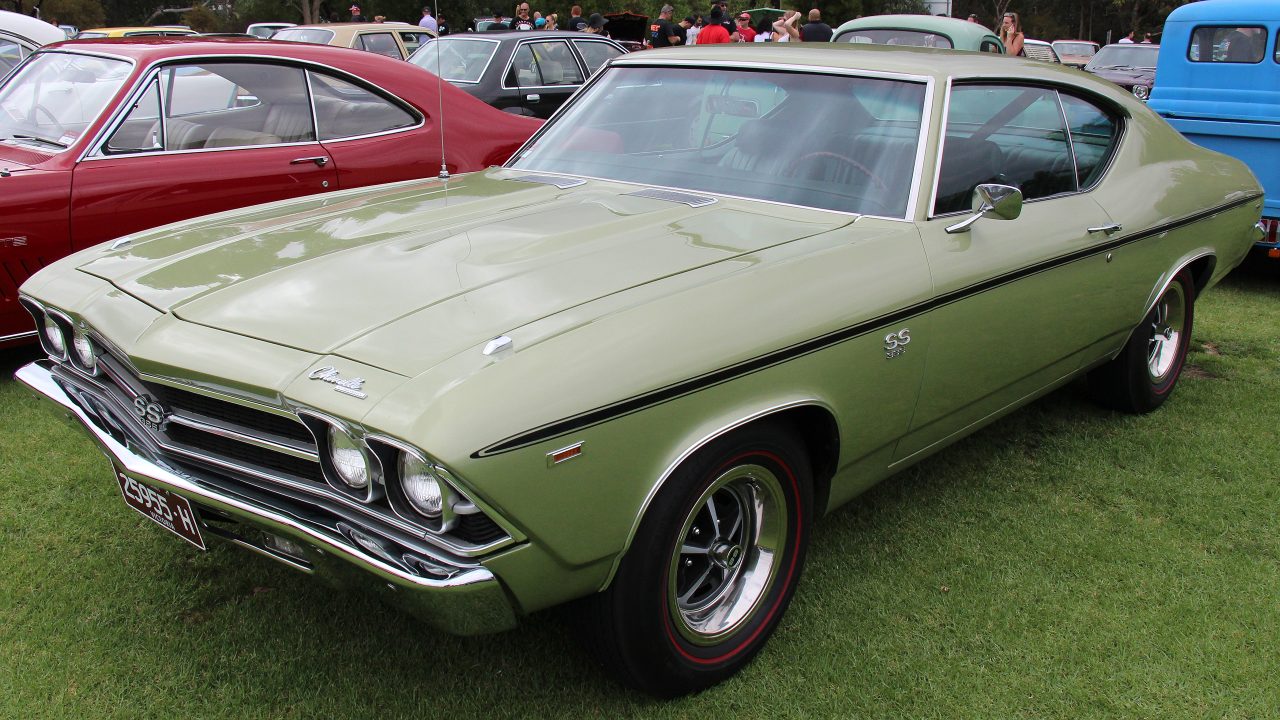
After testing the waters with the Z16, Chevrolet committed to a full production run of big-block Chevelles. Historical overviews of the model line explain that the 1966 SS396 Series marked the start of a dedicated SS 396 line, running from 1966 through 1968 and firmly establishing the Chevelle as a muscle car benchmark. In this period, the SS 396 was no longer just a Malibu trim but a distinct performance model with its own identity, styling cues, and engine options. The move reflected how quickly the market had shifted since the Malibu SS first appeared as a comfort and appearance package.
Performance data from period tests and retrospectives underline how serious the 1966 SS 396 had become. A detailed feature on the 1966 Chevelle SS396, published on Feb 29, 2008, describes how the car delivered strong acceleration and a range of Chevelle Engines that gave buyers multiple performance levels. That same piece frames the SS 396 as a defining Musclecar for America, highlighting how the Chevelle name had evolved from a practical midsize into a performance icon. By the time these SS 396 models were on sale, Chevrolet had clearly stepped up to the challenge from Ford and Chrysler, and the Malibu SS 396 lineage was firmly established in the public imagination.
How rarity and documentation drive Malibu SS 396 values
The limited production of early Malibu SS 396 models, especially the Z16, is a central driver of their current market values. Collectors place a premium on cars that can be traced back to factory records, and the Z16’s tiny run of 201 units, often Documented with original window stickers and build sheets, makes each surviving example a known quantity. When a car can be proven to be an authentic 1965 Chevrolet Chevelle Malibu SS 396 Z16, rather than a clone or tribute, it sits at the top of the value hierarchy. That is why auction descriptions emphasize details like factory Tuxedo Black paint and original drivetrains.
Later SS 396 models, including the broader 1966 SS396 series, are more common but still benefit from the performance reputation built by the Z16. Historical summaries of the Chevelle line note that in 1965 the SS received an upgrade to its power, with a new L79 350 horsepower engine becoming standard for that year’s Z16 models, as described in a Sep 22, 2024 overview of the car’s evolution. That same source explains how the 1966 SS396 Series carried the big-block story forward, running from 1966 through 1968 and cementing the SS 396 badge in enthusiast culture. As a result, even non-Z16 SS 396 cars trade on the halo created by that first limited run, and well-documented examples with correct 396 engines and original equipment command strong prices relative to other Chevelle variants.
Recent market benchmarks for the 1965 Chevelle Malibu SS 396
Current valuation data shows just how far the best Malibu SS 396 examples have climbed. A recent entry in a major valuation tool for the 1965 Chevrolet Chevelle Malibu SS highlights a standout sale in North America. At a GAA event listed for Classic Cars, a 1965 Chevrolet Chevelle Malibu SS 396 in Standard configuration brought $222,500. The record notes that this sale took place on Nov 8, 2025 and that the car carried a 400 M condition rating, underscoring that top-tier, highly original examples can reach deep into six-figure territory. That figure reflects not only the car’s condition but also the enduring appeal of the 396-powered Malibu SS in the collector market.
Valuation tools also track how these cars perform across different auction houses and regions, and the pattern is consistent: documented 1965 Malibu SS 396 cars, especially those tied to the Z16 specification, sit at the top of the Chevelle value chart. The same dataset that records the $222,500 sale in North America also notes other transactions in Nov, reinforcing that demand is not limited to a single headline-grabbing car. When I look at those numbers alongside the production figure of 201 Z16 units and the broader history of the 1966 SS396 Series, the market picture is clear. Collectors are paying a premium for the earliest big-block Malibu SS cars because they represent the moment Chevrolet turned a comfortable midsize into a full-fledged muscle car, and that historical significance is now fully priced into the auction results.