The evolution of automotive technology has always been a fascinating journey, with certain vehicles showcasing features that seem light-years ahead of their time. Some cars have introduced groundbreaking technologies long before they became standard, highlighting the industry’s visionary capabilities. This exploration of automotive history reveals the remarkable foresight of engineers and designers who dared to dream beyond the present.
The Trailblazers of Automotive Innovation

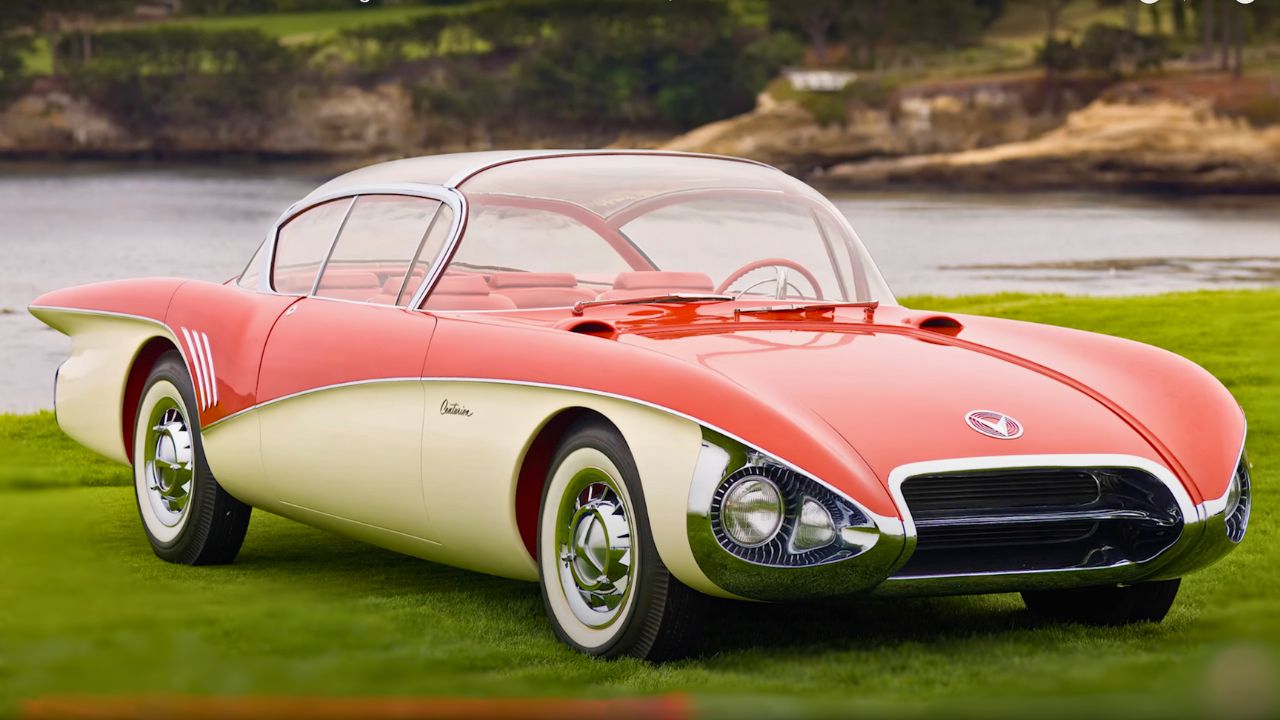
The 1956 Buick Centurion was a concept car that introduced features that would not become mainstream for decades. It was equipped with a rearview camera, a feature that only became common in the 21st century. This innovation was part of a broader vision to enhance driver awareness and safety. Additionally, the Centurion featured radar navigation, a precursor to the GPS systems that are now ubiquitous in modern vehicles. These technologies demonstrated a forward-thinking approach to automotive design, emphasizing safety and convenience.
Another early innovator was the 1938 Phantom Corsair, a vehicle that broke the mold with its aerodynamic design and advanced dashboard features. The Corsair’s streamlined body was a departure from the boxy designs of its time, offering a glimpse into the future of automotive aesthetics. Inside, the dashboard was equipped with push-button controls, a novel concept that would later become a standard feature in many cars. The Phantom Corsair’s futuristic design and technological advancements made it a standout in automotive history.
The 1963 Chrysler Turbine was a pioneering vehicle that explored alternative fuel technology with its turbine engine. Unlike traditional internal combustion engines, the turbine engine could run on a variety of fuels, including diesel, kerosene, and even vegetable oil. This flexibility highlighted the potential for alternative energy sources in automotive design, a concept that has gained significant traction in recent years with the rise of electric and hybrid vehicles. The Chrysler Turbine’s innovative approach to fuel technology was ahead of its time, paving the way for future developments in eco-friendly transportation.
Revolutionizing Safety Standards
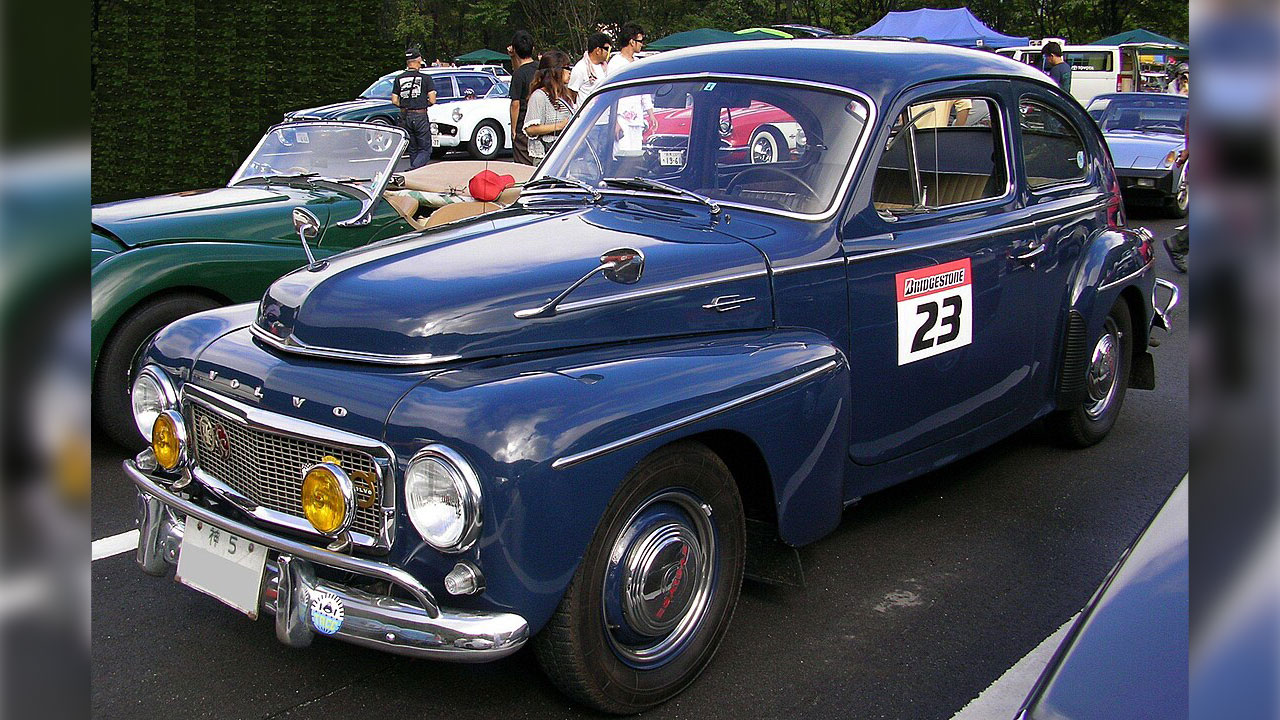
The 1959 Volvo PV544 was a game-changer in automotive safety with the introduction of the three-point seatbelt. This simple yet revolutionary design significantly improved passenger safety by distributing the forces of a collision across the chest, pelvis, and shoulders. The three-point seatbelt has since become a standard safety feature in all vehicles, saving countless lives and setting a new benchmark for automotive safety standards. Volvo’s commitment to safety innovation has continued to influence the industry, underscoring the importance of protective measures in vehicle design.
In 1971, the Citroën SM introduced advanced braking systems and self-leveling suspension, further revolutionizing automotive safety and comfort. The SM’s braking system featured a high-pressure hydraulic setup that provided superior stopping power and responsiveness. Meanwhile, the self-leveling suspension ensured a smooth ride by automatically adjusting the vehicle’s height based on road conditions and load. These innovations not only enhanced the driving experience but also set new standards for vehicle safety and performance, demonstrating Citroën’s dedication to pushing the boundaries of automotive technology.
Infotainment and Connectivity Ahead of Its Time
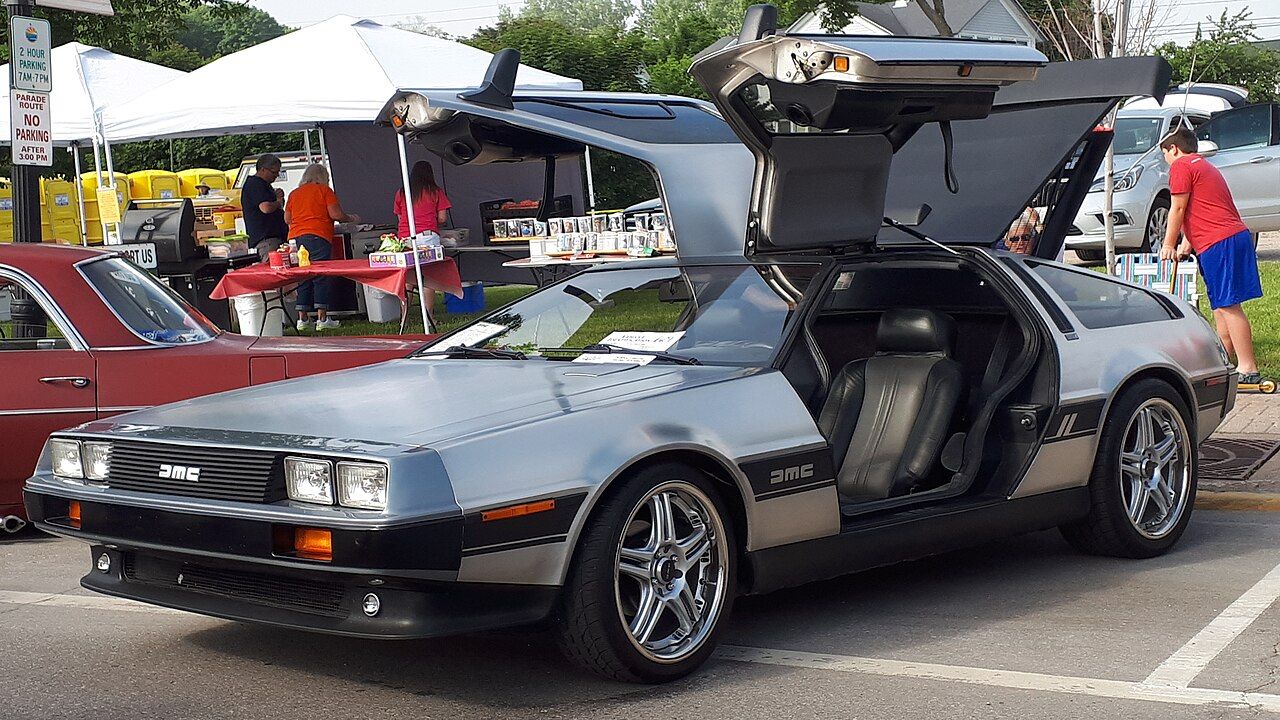
The 1981 DMC DeLorean, famously known for its role in the “Back to the Future” film series, was more than just a pop culture icon. It incorporated digital displays and a futuristic aesthetic that set it apart from other vehicles of its era. The DeLorean’s sleek design and innovative features captured the imagination of car enthusiasts and moviegoers alike, highlighting the potential for technology to transform the driving experience. Its digital displays were a precursor to the advanced infotainment systems that are now standard in modern vehicles, offering a glimpse into the future of automotive connectivity.
The 1989 Mazda Eunos Cosmo was a trailblazer in automotive infotainment with the debut of the first GPS navigation system in a commercial car. This groundbreaking feature allowed drivers to access real-time navigation information, revolutionizing the way people traveled. The Eunos Cosmo’s GPS system was a significant advancement in automotive technology, paving the way for the sophisticated navigation systems that are now an integral part of modern vehicles. Mazda’s innovative approach to infotainment demonstrated the potential for technology to enhance the driving experience and improve convenience for drivers.
Eco-Friendly Innovations Long Before Their Time
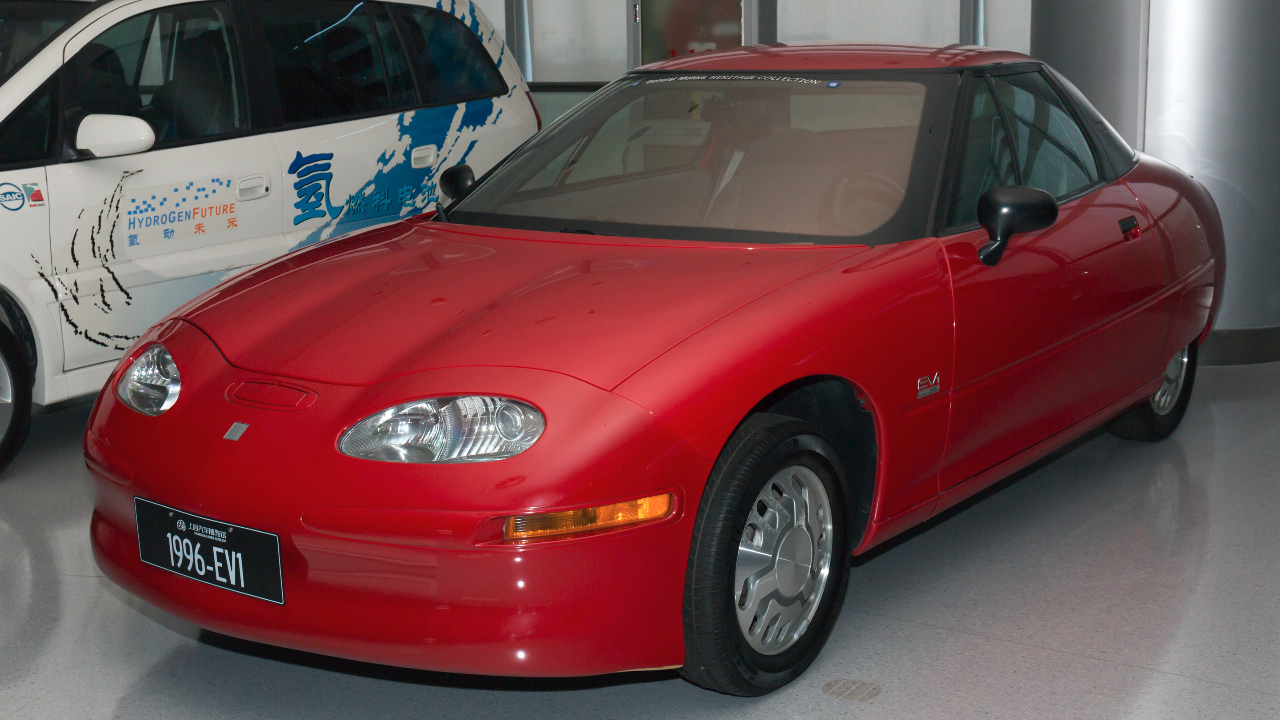
The 1996 General Motors EV1 was a pioneering vehicle that helped trailblaze the electric vehicle movement. As one of the first mass-produced electric cars, the EV1 showcased the potential for electric propulsion to reduce emissions and reliance on fossil fuels. Despite its limited production run, the EV1 left a lasting impact on the automotive industry, inspiring future developments in electric vehicle technology. General Motors’ commitment to exploring alternative energy sources set the stage for the widespread adoption of electric vehicles in the 21st century.
The 2000 Honda Insight was another early adopter of eco-friendly technology, featuring a hybrid powertrain that combined a gasoline engine with an electric motor. This innovative design improved fuel efficiency and reduced emissions, making the Insight a leader in environmentally conscious automotive design. Honda’s focus on sustainability and efficiency demonstrated the potential for hybrid technology to transform the automotive landscape, paving the way for the widespread adoption of hybrid vehicles in the years to come.
Visionary Concepts that Pushed Boundaries
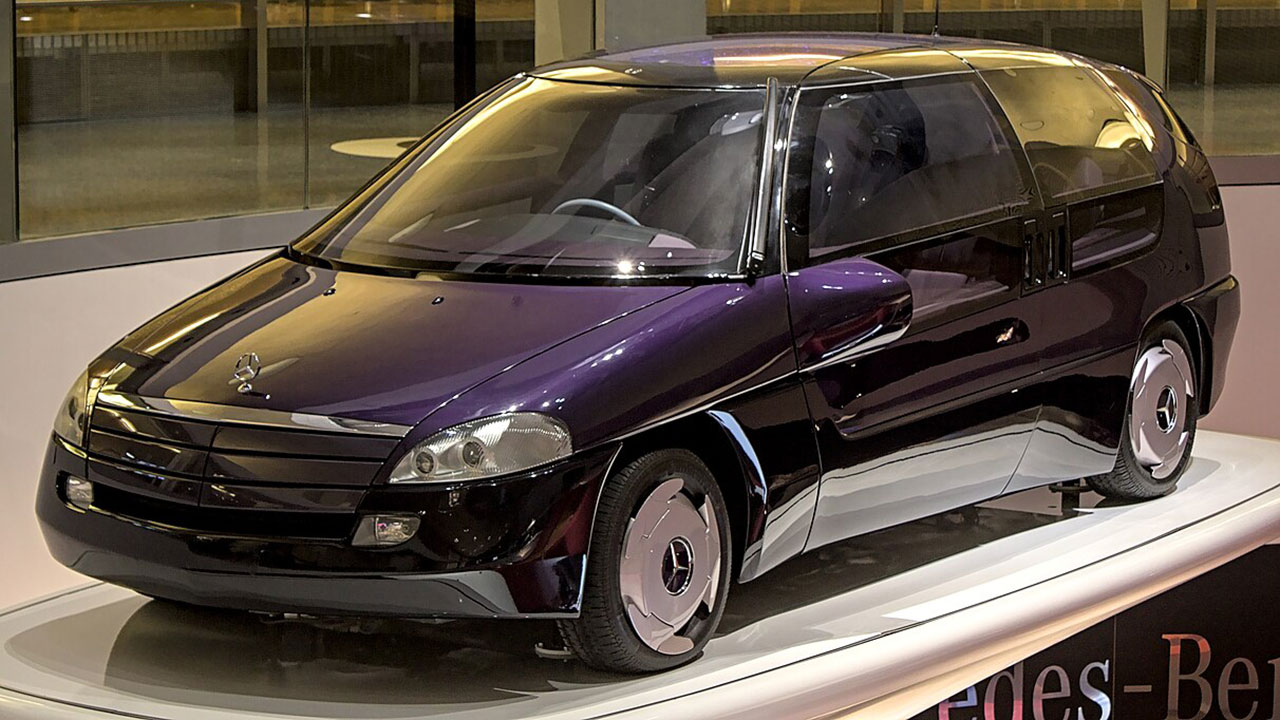
The 1994 Mercedes-Benz F 100 was a visionary concept car that predicted the future of autonomous driving and voice command systems. The F 100 featured advanced technologies such as radar-based cruise control and voice-activated controls, offering a glimpse into the future of automotive innovation. These features laid the groundwork for the development of autonomous vehicles and advanced driver assistance systems, highlighting Mercedes-Benz’s commitment to pushing the boundaries of automotive technology.
The 1986 Buick Riviera was another trailblazer in automotive innovation, featuring touchscreen interfaces and interactive digital displays. These cutting-edge technologies offered a new level of convenience and connectivity for drivers, setting the stage for the development of modern infotainment systems. The Riviera’s innovative design demonstrated the potential for technology to enhance the driving experience, paving the way for future advancements in automotive connectivity and user interface design.
Like Fast Lane Only’s content? Be sure to follow us.
Here’s more from us:
*Created with AI assistance and editor review.