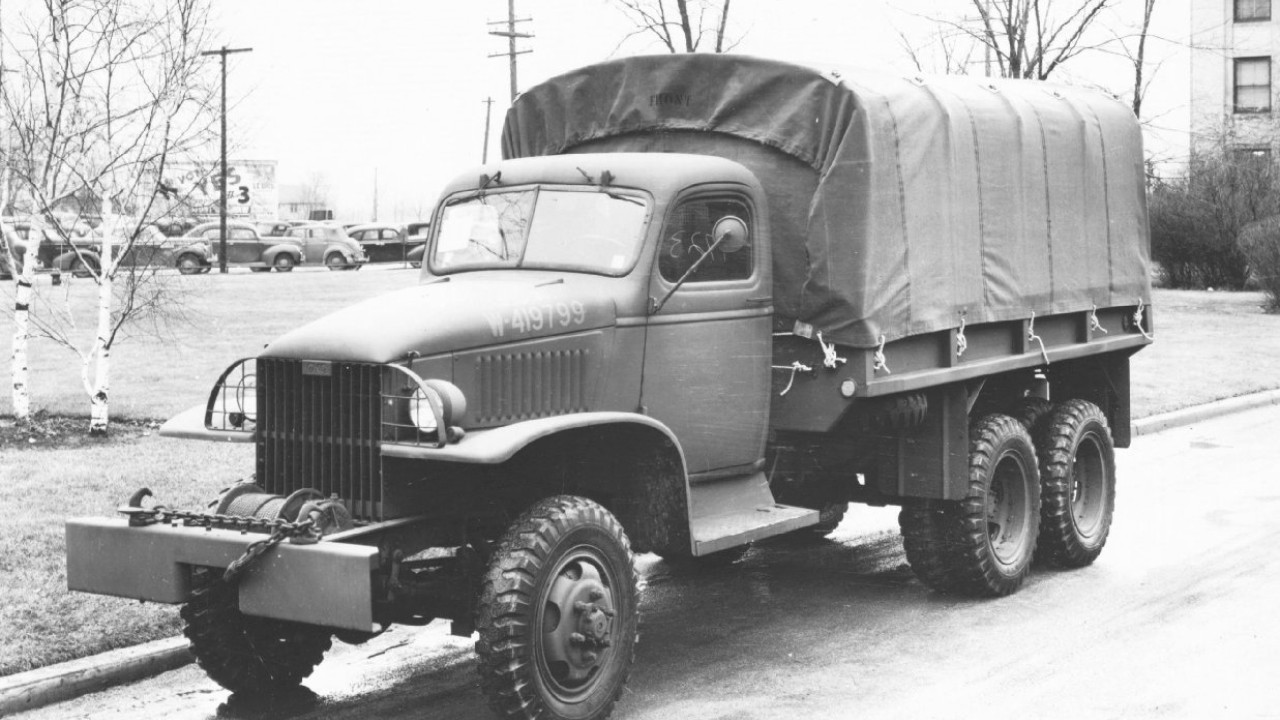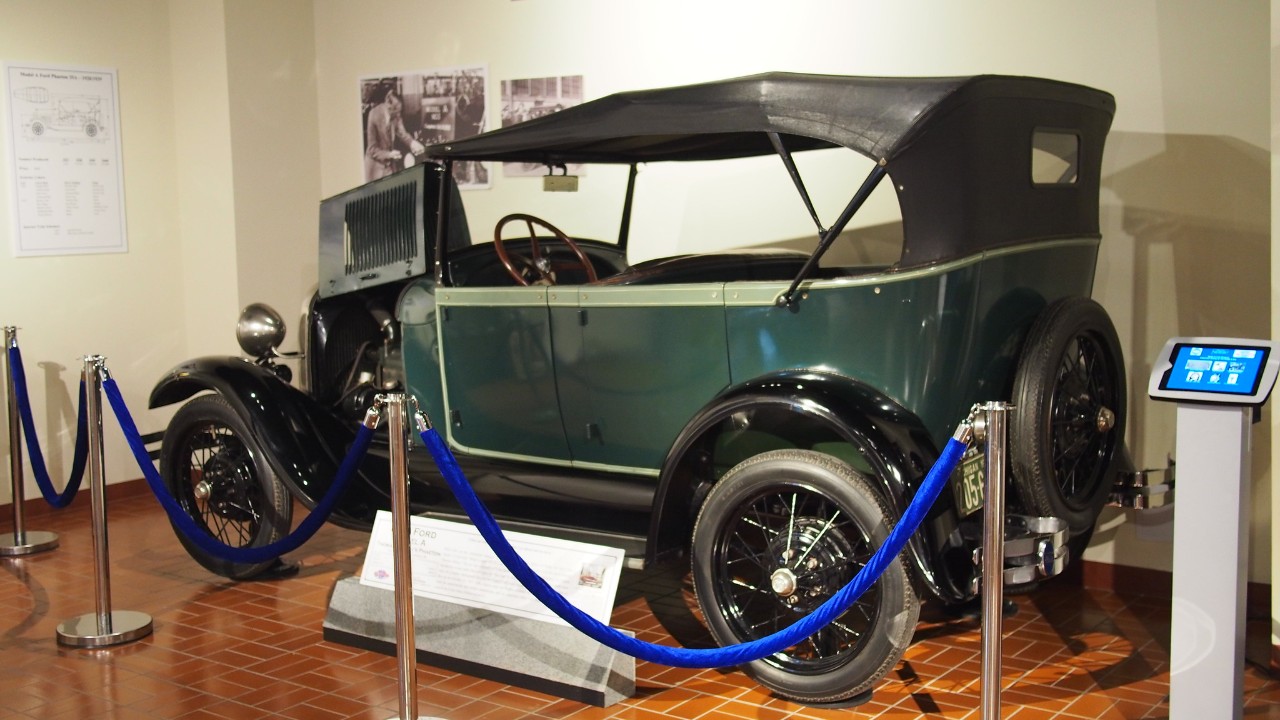
Amphibious cars, vehicles capable of traveling on both land and water, have captured the imagination of inventors and adventurers for over a century. These unique vehicles have evolved from early experimental models to modern-day innovations, reflecting both technological advancements and changing societal needs. This exploration of amphibious cars delves into their historical development, cultural impact, and potential future.
The Pioneering Days of Amphibious Vehicles
The concept of amphibious vehicles dates back to the late 19th and early 20th centuries, when inventors began experimenting with designs that could traverse both land and water. One of the earliest known attempts was by Oliver Evans, an American inventor who created the “Orukter Amphibolos” in 1805. Although not a car in the modern sense, this steam-powered vehicle could navigate both land and water, setting a precedent for future innovations. As technology progressed, the early 20th century saw a variety of prototypes, each attempting to improve upon the limitations of their predecessors.
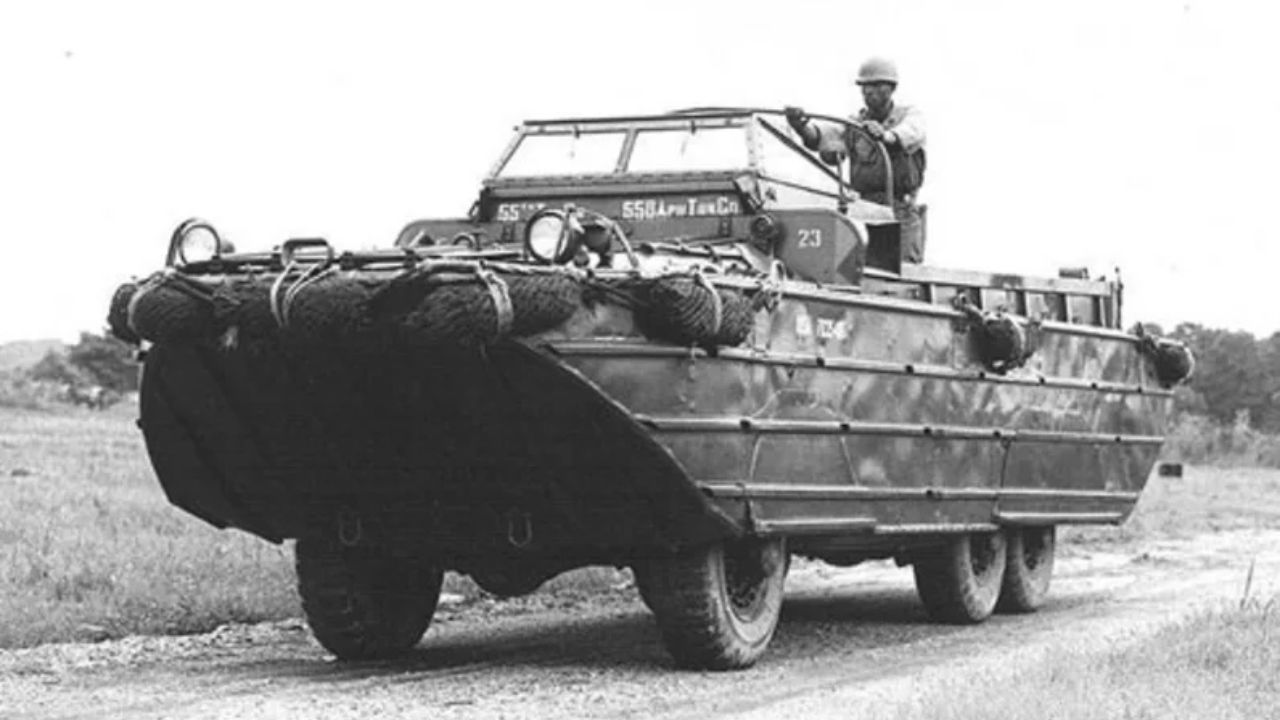
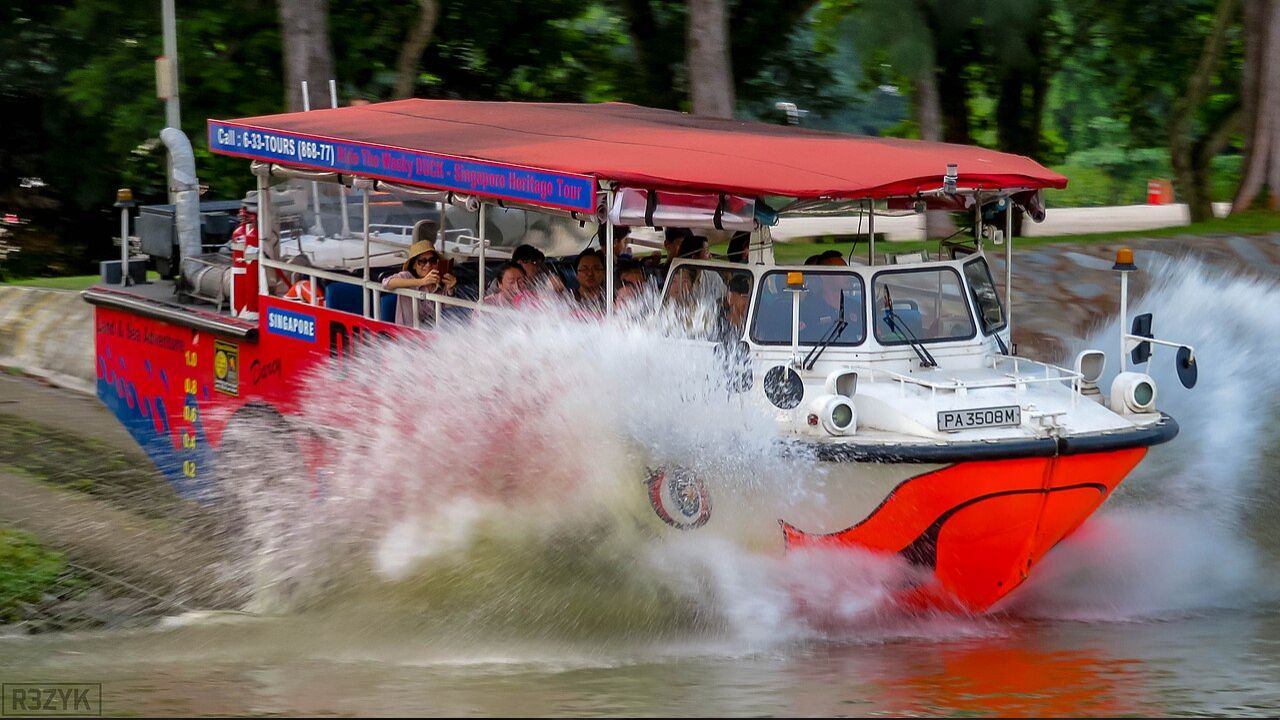
World War II marked a significant turning point in the development of amphibious vehicles. The demands of wartime logistics necessitated the creation of vehicles that could efficiently transport troops and supplies across diverse terrains. The DUKW, commonly known as the “Duck,” was a six-wheel-drive amphibious truck used by the U.S. military. It played a crucial role in operations such as the Normandy landings. Similarly, the German Schwimmwagen, a four-wheel-drive amphibious car, was widely used by the Wehrmacht. These vehicles demonstrated the strategic value of amphibious technology and spurred further innovation in the field.
The Golden Age of Amphibious Cars
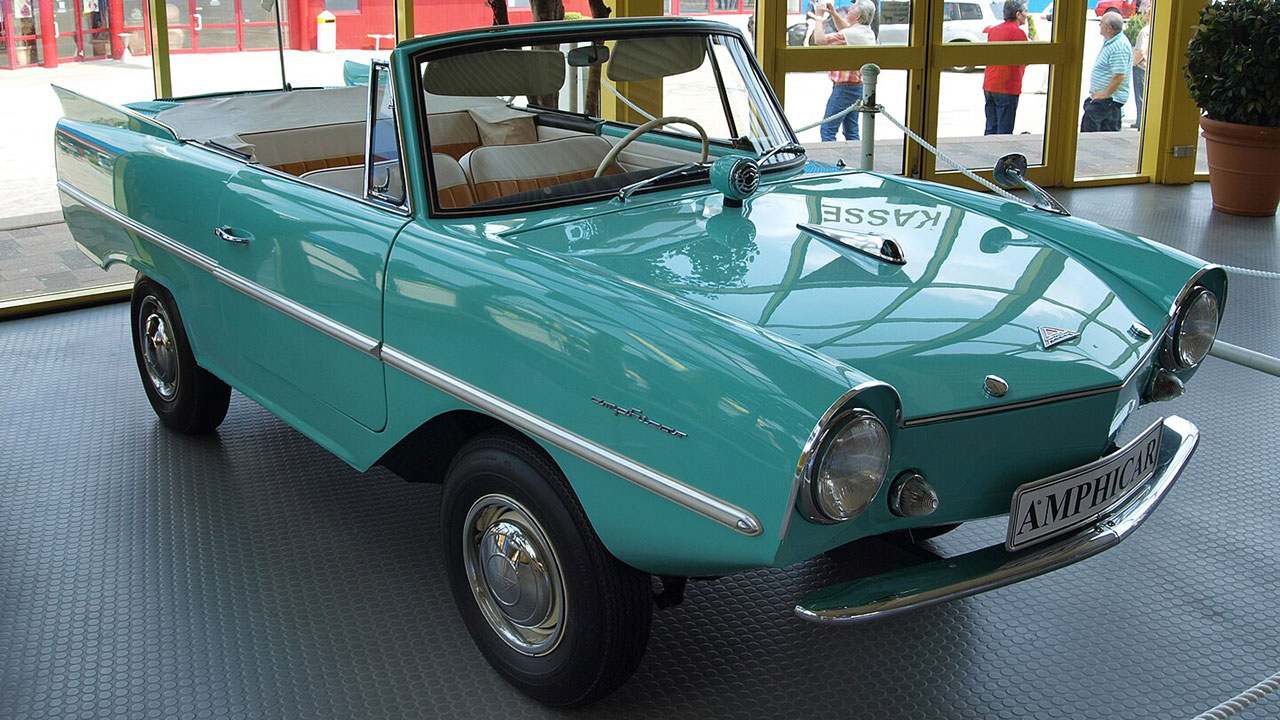
The 1960s witnessed a surge in the popularity of amphibious cars, driven by a combination of technological advancements and cultural fascination. The Amphicar, produced in West Germany from 1961 to 1968, became an iconic symbol of this era. Capable of reaching speeds of 70 mph on land and 7 knots on water, the Amphicar captured the public’s imagination with its unique dual capabilities. Despite its novelty, only about 4,000 units were produced, highlighting the niche appeal of such vehicles.
Amphibious cars during this period were more than just transportation; they represented a spirit of adventure and innovation. The public was captivated by the idea of seamlessly transitioning from road to water, and these vehicles became a cultural phenomenon. They appeared in films, television shows, and advertisements, further embedding themselves in the popular consciousness. However, despite their allure, amphibious cars faced significant challenges that limited their widespread adoption.
Challenges and Limitations
Creating effective amphibious cars presented numerous engineering and design challenges. Ensuring buoyancy while maintaining roadworthiness required innovative solutions, often leading to compromises in performance. Safety was another major concern, as the vehicles needed to be stable and reliable in both environments. Propulsion systems had to be versatile enough to function efficiently on land and water, adding complexity to the design process.
Market limitations also played a significant role in the struggles faced by amphibious cars. The cost of production was high, and the vehicles often required specialized maintenance, making them impractical for the average consumer. Additionally, the niche appeal of amphibious cars meant that they struggled to compete with traditional vehicles in terms of sales. These factors contributed to the limited commercial success of amphibious cars, despite their innovative nature.
Modern Innovations and Uses
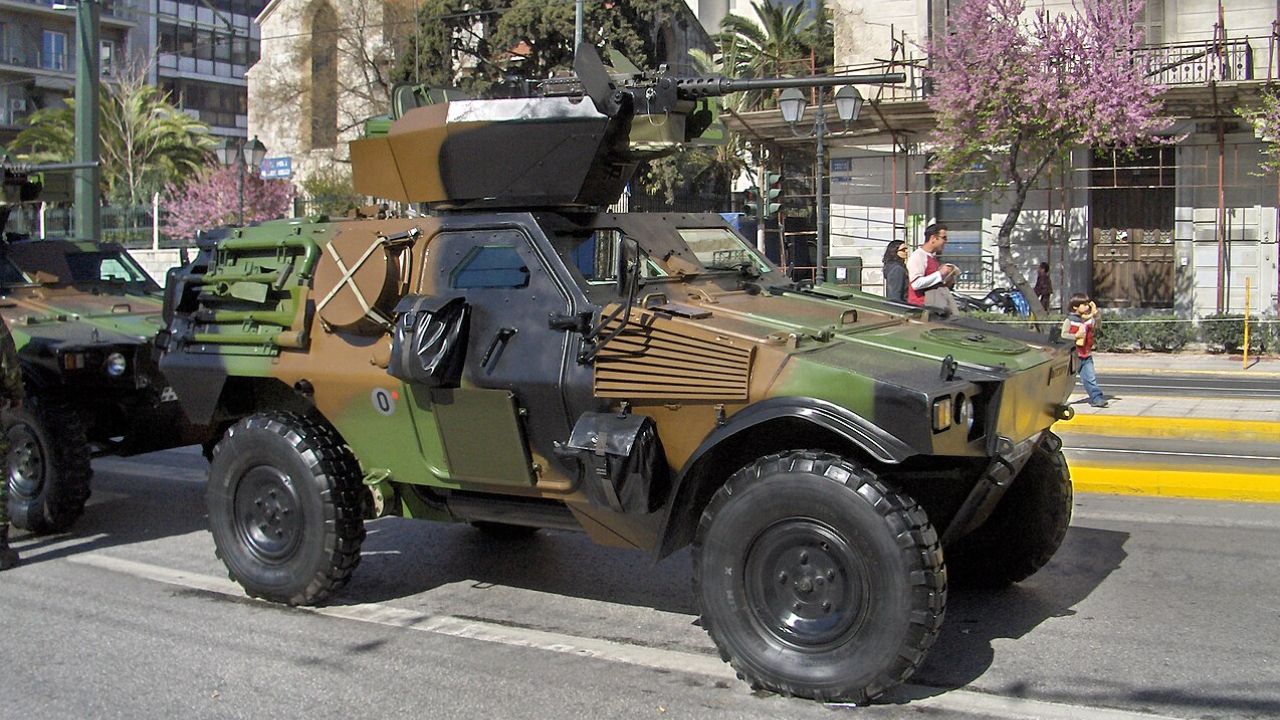
In recent years, advancements in materials and design have led to renewed interest in amphibious vehicles. Modern technologies have addressed many of the challenges faced by earlier models, resulting in more efficient and reliable designs. Lightweight materials and improved propulsion systems have enhanced performance, while advancements in safety features have increased their appeal.
Today, amphibious vehicles are used in a variety of applications, from military operations to recreational activities. The military continues to explore amphibious technology for strategic purposes, while recreational models offer enthusiasts the thrill of exploring both land and water. Additionally, niche commercial markets, such as tourism and emergency response, have found value in the versatility of amphibious vehicles, further expanding their potential uses.
The Future of Amphibious Transportation

Looking ahead, several emerging trends could shape the future of amphibious transportation. Environmental considerations are increasingly important, prompting the development of eco-friendly designs that minimize environmental impact. Advances in autonomous technology also hold promise, with the potential to enhance safety and efficiency in amphibious vehicles.
While the mainstream adoption of amphibious vehicles remains uncertain, their unique capabilities continue to intrigue both consumers and manufacturers. Overcoming existing barriers, such as cost and practicality, will be crucial for their widespread acceptance. As technology continues to evolve, amphibious vehicles may yet find a more prominent place in everyday transportation, offering a glimpse into a future where land and water travel are seamlessly integrated.
Like Fast Lane Only’s content? Be sure to follow us.
Here’s more from us:
*Created with AI assistance and editor review.