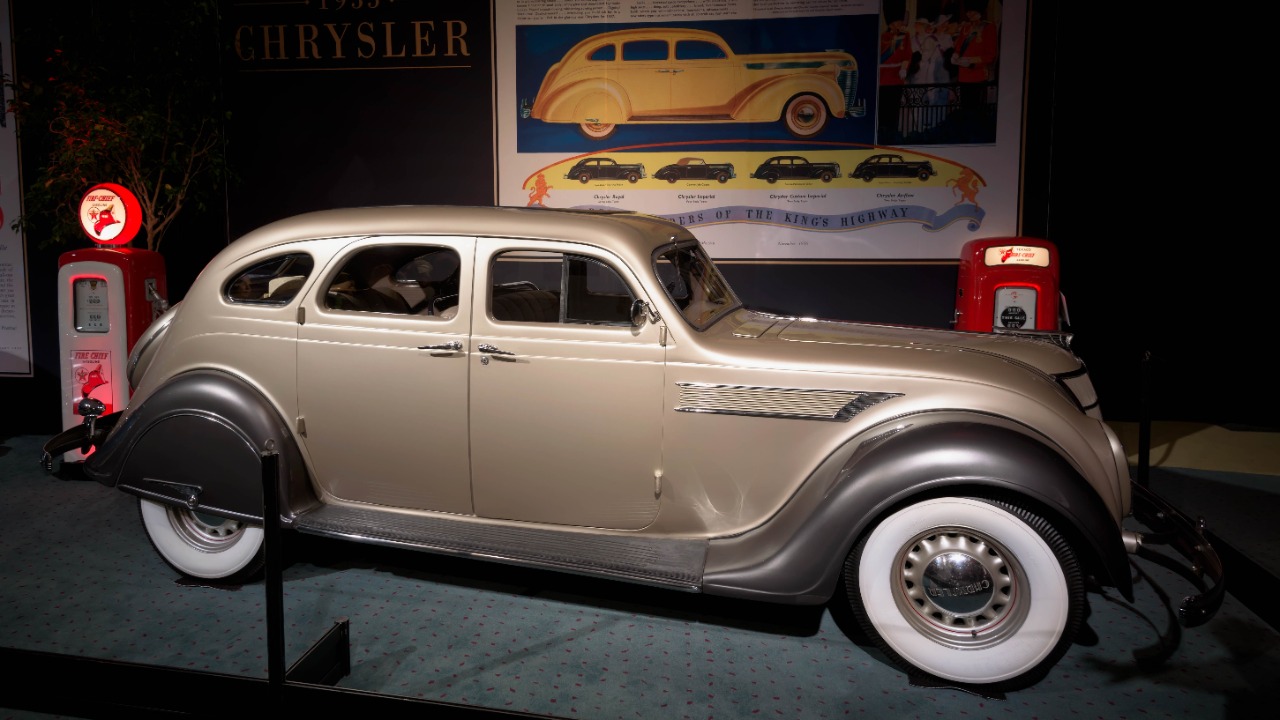
In the world of automotive design, seating configurations have historically followed a conventional path, usually featuring front and rear rows. However, some car manufacturers have dared to stray from the norm, offering innovative and unusual seating layouts in their production vehicles. These unique designs impact both aesthetics and functionality, challenging traditional concepts of car interiors.
The Evolution of Car Seating Layouts
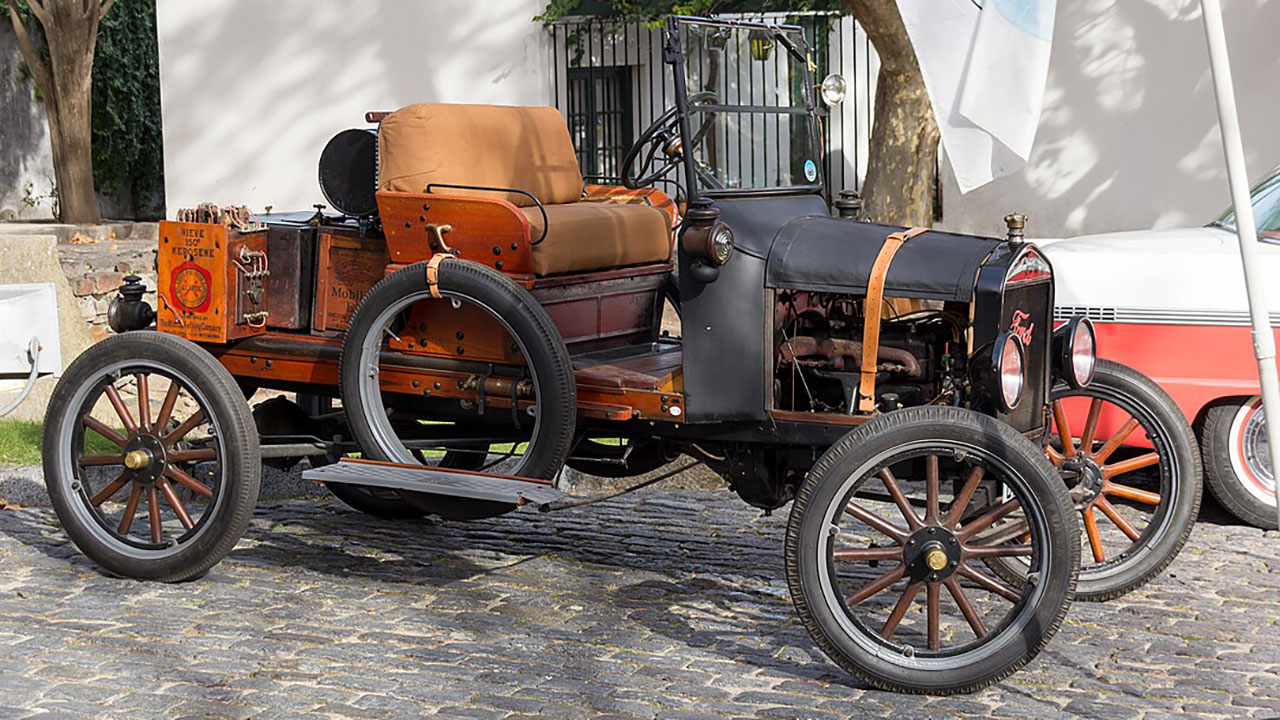
Traditional seating arrangements in cars have evolved significantly since the early days of the automobile. The Ford Model T, introduced in 1908, set the standard with its simple, utilitarian design featuring a straightforward front and rear bench seat layout. As cars became more sophisticated, mid-century sedans adopted more comfortable and spacious seating, reflecting the growing importance of passenger comfort and convenience.
Safety regulations and consumer preferences have played crucial roles in shaping standard seating configurations. The introduction of seat belts, airbags, and other safety features necessitated changes in seat design and placement. Additionally, consumer demand for more luxurious and ergonomic interiors has driven manufacturers to innovate beyond the traditional two-row setup.
Early experiments with unconventional seating layouts often met with mixed reactions. Some designs, like the rear-facing third row in station wagons, gained popularity for their novelty and practicality. However, other attempts, such as the side-facing seats in some compact cars, were less successful due to safety concerns and limited appeal.
The Three-Seater Front Row
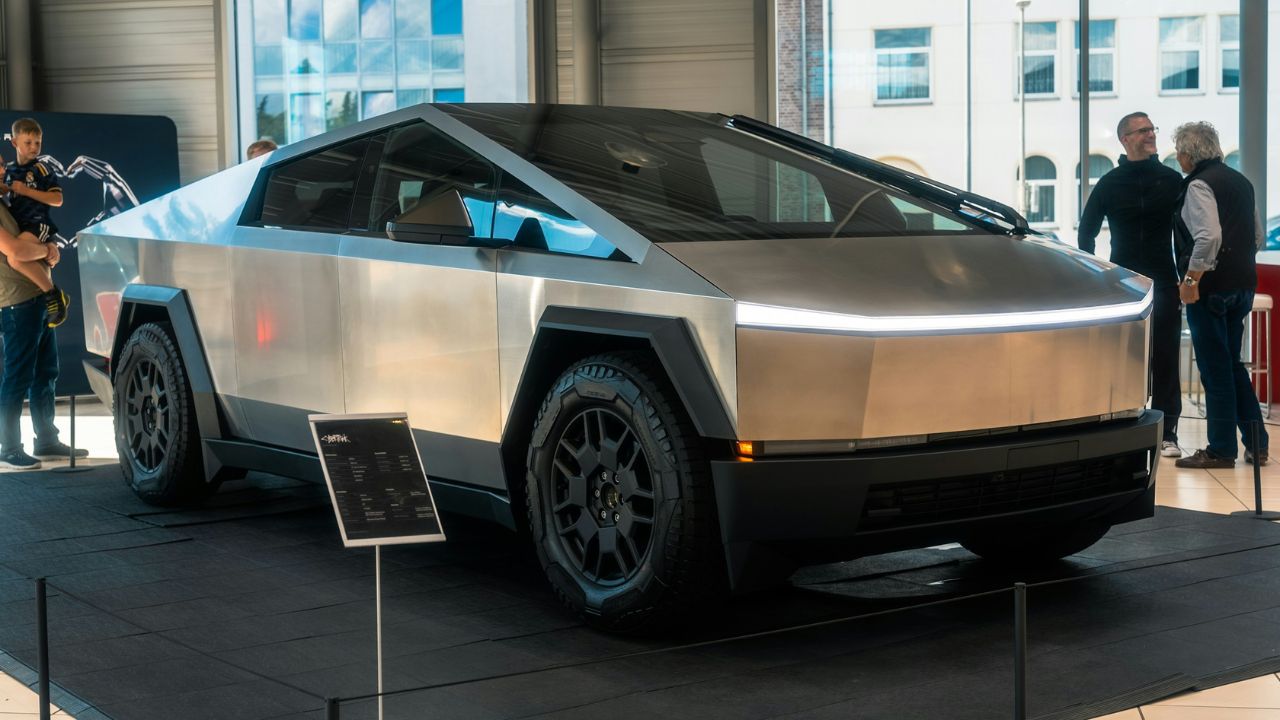
The three-seater front row, commonly seen in classic cars and trucks, offered practicality and a sense of openness. Bench seats allowed for an additional passenger in the front, making them popular in family vehicles and work trucks. This design was particularly prevalent in American cars during the mid-20th century, where space and comfort were paramount.
In recent years, some modern car manufacturers have revisited the three-seater front row concept. Tesla, for instance, has explored this layout in its Cybertruck, aiming to combine retro charm with modern technology. This revival reflects a growing interest in maximizing interior space and offering flexible seating options.
While the three-seater front row can enhance passenger capacity, it also poses challenges in terms of driver comfort and vehicle control. Ensuring that the driver has easy access to controls and maintains a clear view of the road is essential. Manufacturers must carefully balance these factors to create a functional and comfortable driving experience.
Staggered and Asymmetrical Seating
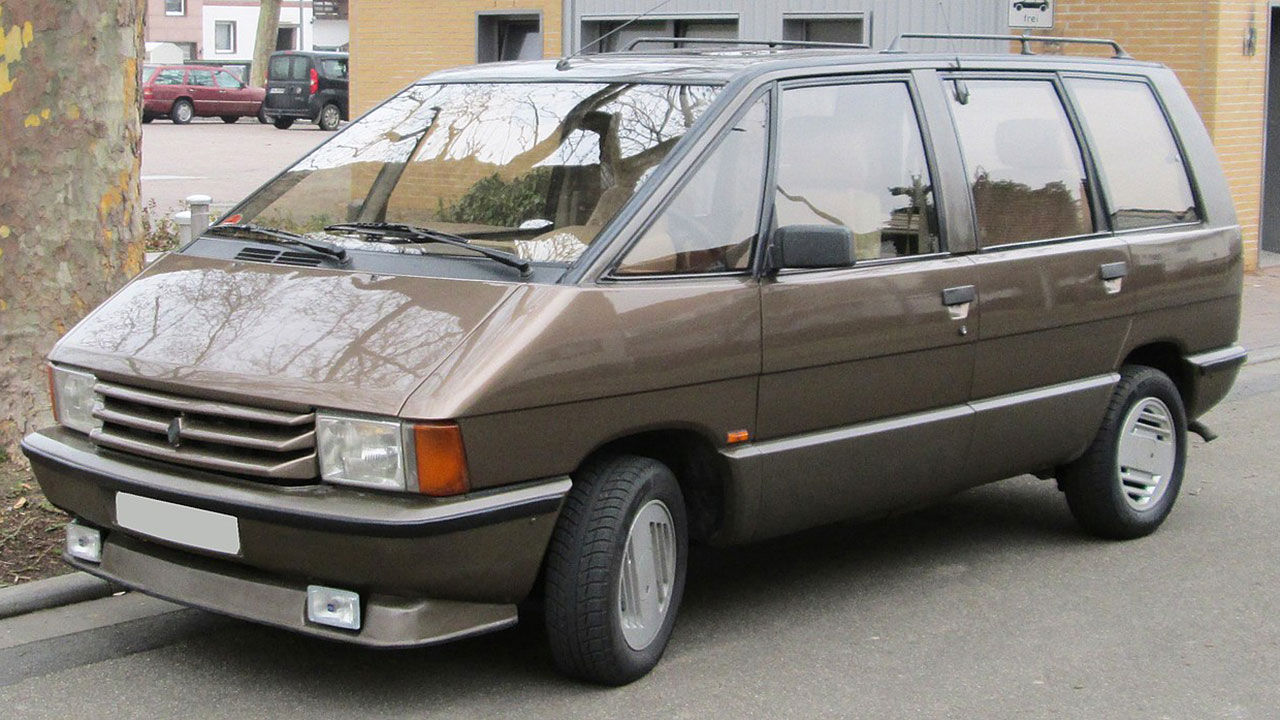
Staggered seating arrangements, where seats are positioned at different heights or offsets, have transitioned from concept to reality in some innovative car designs. These layouts aim to improve visibility and comfort for all passengers, creating a more dynamic and engaging cabin environment. By staggering seats, manufacturers can offer each passenger a unique perspective and enhanced legroom.
Asymmetrical seating designs also consider psychological and ergonomic factors. By breaking away from the traditional linear arrangement, these layouts can create a more intimate and interactive space. Passengers may feel more connected to each other and the driver, enhancing the overall travel experience.
A notable example of successful implementation is the Renault Espace, which experimented with staggered seating to great effect. This model demonstrated how thoughtful design could transform the interior space, offering both practicality and a sense of novelty that appealed to consumers.
Rotating and Swivel Seats
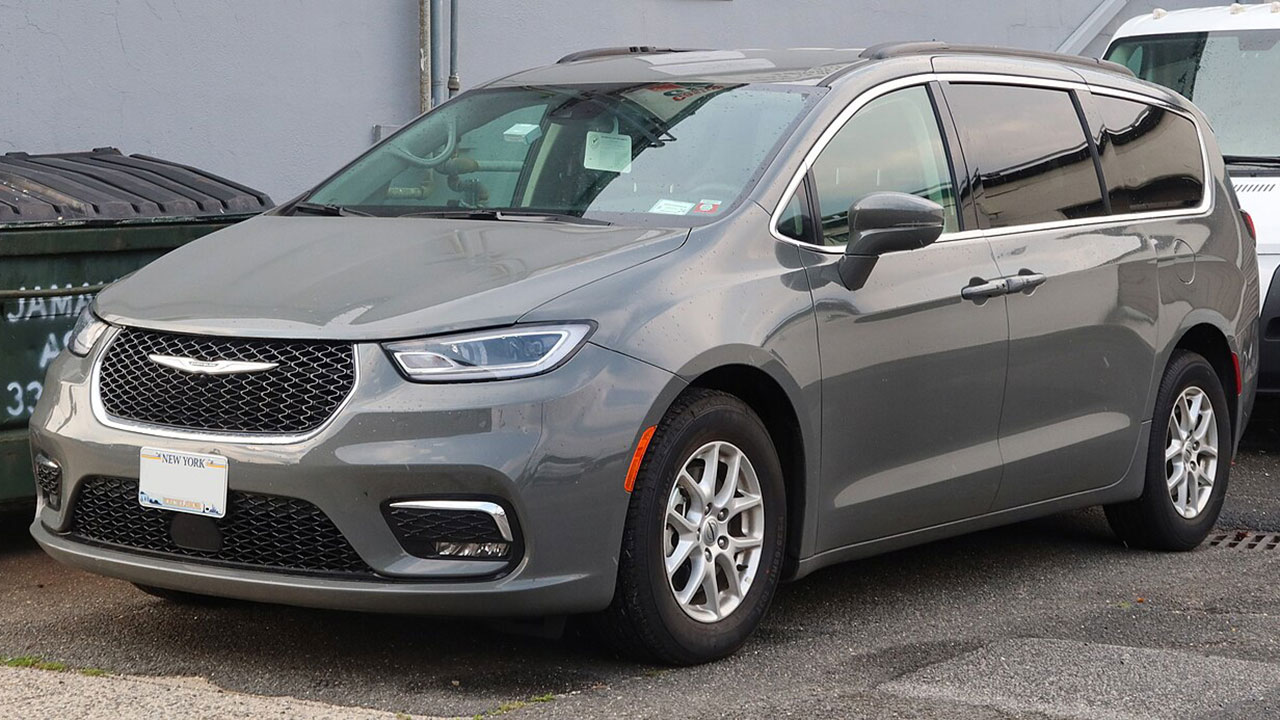
Rotating and swivel seats have long been a feature of concept cars, but they have also found their way into production models, enhancing accessibility and social interaction within the cabin. These seats allow passengers to turn and face each other, creating a more communal atmosphere that is particularly appealing in family vehicles and luxury cars.
Implementing swivel seating in production cars presents technical challenges, such as ensuring safety and maintaining structural integrity. Manufacturers have developed innovative solutions, such as locking mechanisms and reinforced seat bases, to address these issues while preserving the functionality and appeal of rotating seats.
Models like the Chrysler Pacifica have successfully incorporated rotating seats, receiving positive feedback from consumers who appreciate the added flexibility and convenience. These designs highlight the potential for swivel seats to redefine the in-car experience, making journeys more enjoyable and interactive.
Centralized Driver Positions
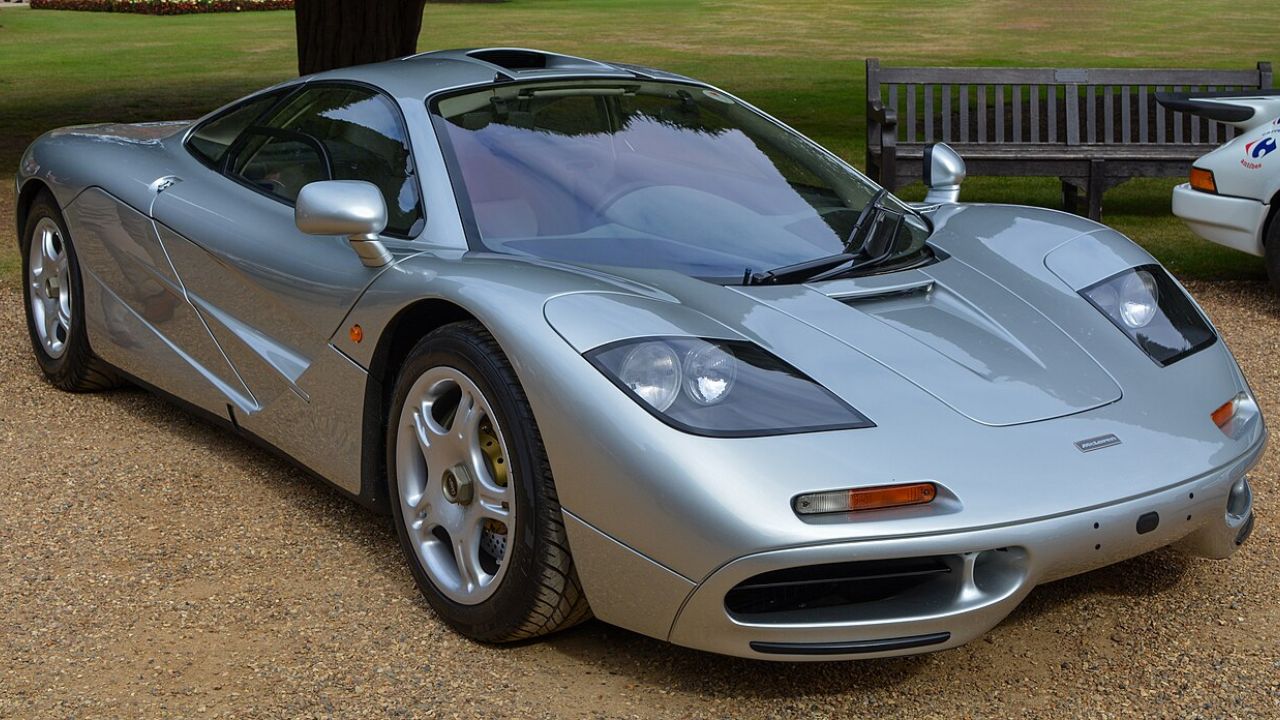
Placing the driver in the center of the vehicle is a bold design choice that offers unique advantages. This layout can improve weight distribution and enhance driving dynamics, providing a more balanced and responsive handling experience. It also offers the driver an unobstructed view of the road, which can enhance safety and situational awareness.
The McLaren F1 is a prime example of a production car that utilized a centralized driver position. This iconic supercar, introduced in the 1990s, featured a three-seat layout with the driver in the center and two passenger seats flanking slightly behind. This configuration not only contributed to the car’s legendary performance but also created a distinctive and memorable driving experience.
While centralized driver positions are rare in mainstream vehicles, they continue to inspire designers seeking to push the boundaries of automotive design. By challenging conventional norms, these layouts offer a glimpse into the future of car interiors, where innovation and functionality go hand in hand.
Like Fast Lane Only’s content? Be sure to follow us.
Here’s more from us:
*Created with AI assistance and editor review.