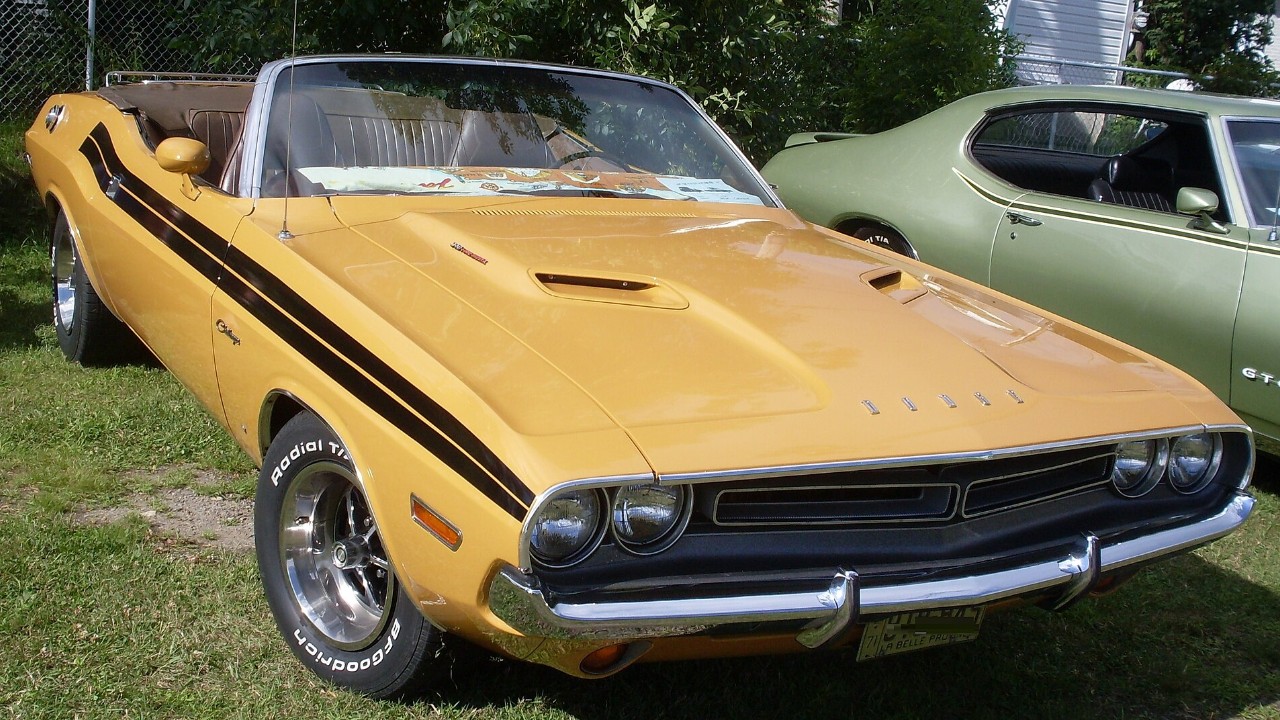
Dodge built the last Challenger convertible of the original run in 1971, and it built only 1,857 of them that year. That car opens our list, because the forgotten Challengers are often the most interesting ones. The name has lived three lives. First came the E-body muscle car of 1970 to 1974, then a small Mitsubishi-built coupe, and finally the retro car that returned in 2008.
Everyone knows the Hemi cars and the Hellcats. But the badge also went on V6 cruisers, appearance packages and a Japanese four-cylinder that most fans skip right over. Those are the cars that rarely make the magazine covers. In our view, they also tell the fuller story of what a Challenger can be.
So these are our picks: 10 Challengers we’d never sell at any price, in order of model year. The specs and production figures come from period road tests, auction records and model histories. The “never sell” part is our own opinion, and we explain it for each car.
1. 1971 Dodge Challenger 383 convertible
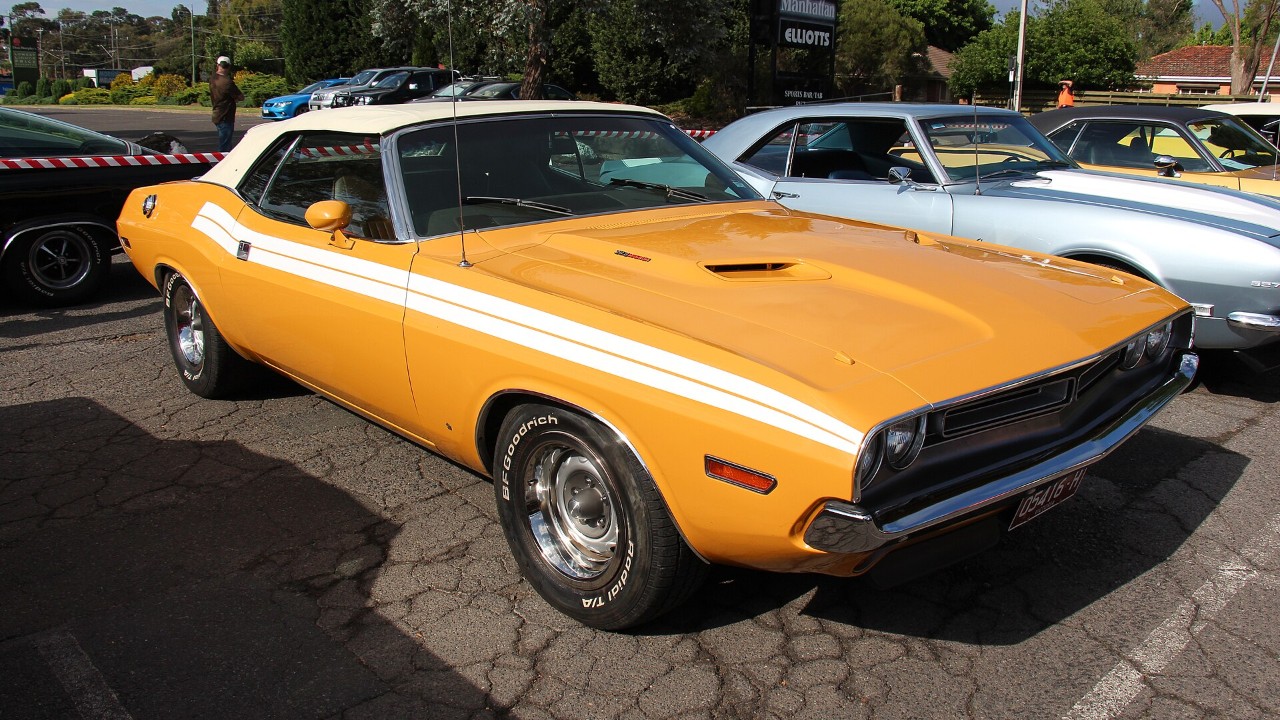
Model year 1971 was the last for the open Challenger of the first generation. Dodge built 83 six-cylinder convertibles and 1,774 with V8s that year. Then the Challenger convertible disappeared for 1972, although a few late cars reportedly wore the 1972 front end. For 1971, the car also wore its own split grille.
The 383 makes this one a sensible muscle car rather than a trophy, and it suits a convertible’s relaxed pace. The two-barrel version carried a rating of 275 gross hp. Meanwhile, the four-barrel Magnum made 300 gross hp and came standard on the R/T. The shaker hood scoop also bowed out after 1971, so this was the final year for several classic Challenger touches at once.
There is a famous footnote, too. For the 1971 Indianapolis 500, Dodge dealers ordered 50 Hemi Orange Challengers. According to Old Cars Weekly, the pace car and its backup were the only 383-powered Challengers built for the race. Our take: a 383 Challenger convertible from the last open year is rare, usable and full of history. We’d keep it forever, and if you find one, a documented 383 car with its original drivetrain is the one to chase.
2. 1973 Dodge Challenger Rallye hardtop
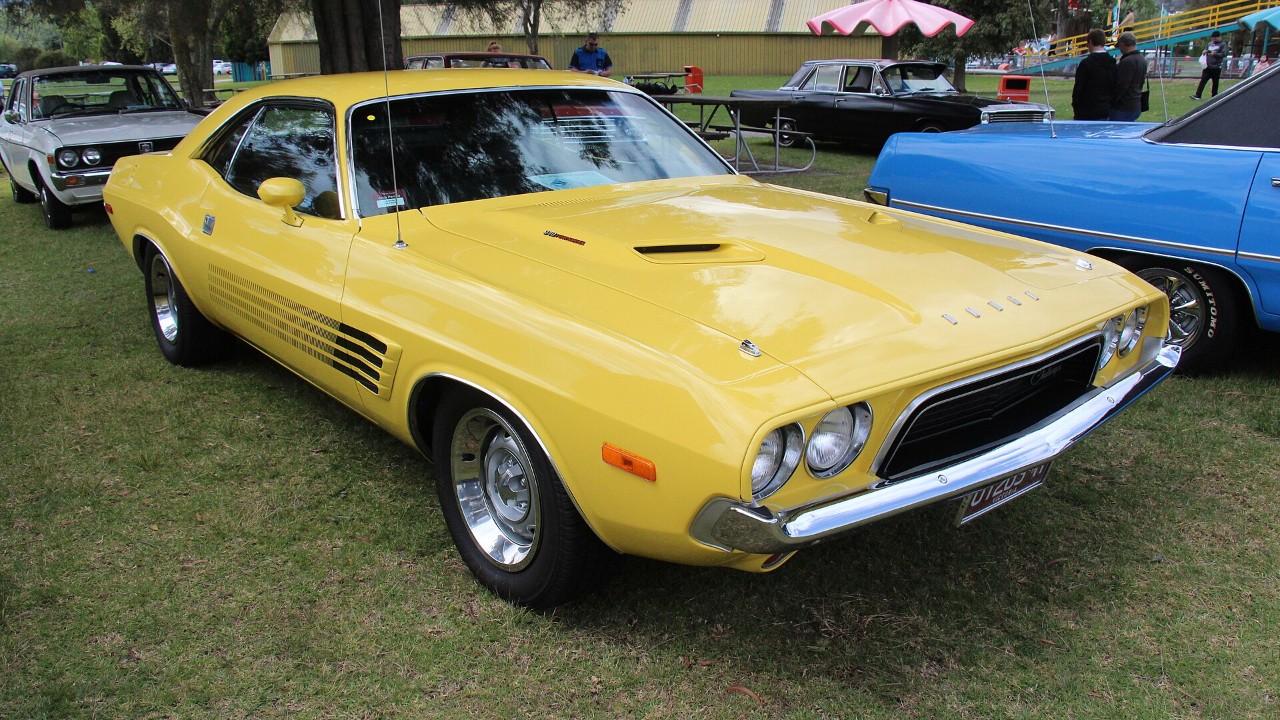
For 1972, Dodge retired the R/T and replaced it with the Challenger Rallye. The new package added four simulated vents on each front fender. It also brought matte black strobe stripes along the sides. Under the hood, a 318 V8 came standard, while a 340 with a four-barrel, dual exhausts and a performance cam topped the list.
By 1973, emissions rules had cut that 340 to 240 net hp. In addition, new federal rules brought 5-mph bumpers with large bumper guards. Dodge also dropped the 225 six that year, so every 1973 Challenger had a V8. Overall production rose slightly to 27,930 cars, all of them hardtops, after 22,919 in 1972.
Why would we never sell one? Because the Rallye is the honest survivor of the muscle car’s last stand. It kept the long hood and the low, wide stance, even as the big-block options vanished. In our eyes, it looks almost as good on the road as a 1970 car. In our view, a well-kept 340 Rallye is the smart buy that turns into a forever car once you drive it.
3. 1981 Dodge Challenger
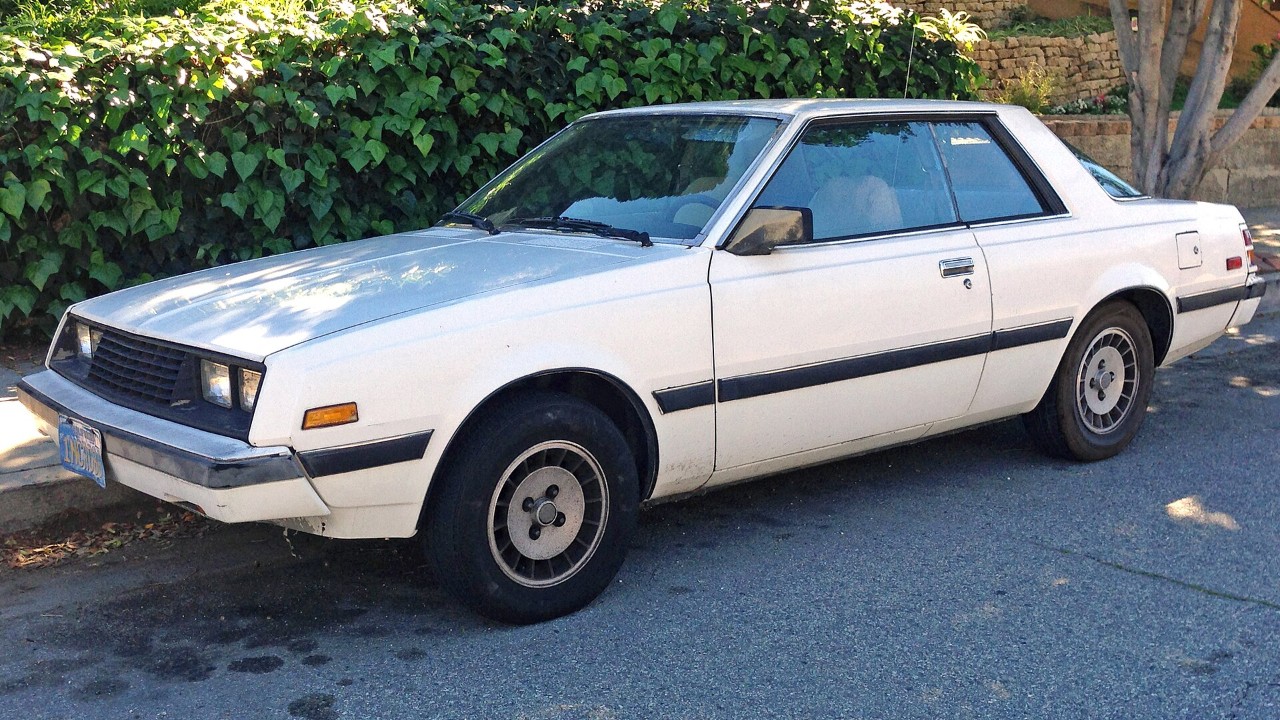
Dodge revived the Challenger name in 1978 on a rebadged Mitsubishi Galant Lambda coupe. At first, dealers sold it as the Dodge Colt Challenger. For 1981, the car got an updated body, and Plymouth sold its twin as the Sapporo. It was a light, rear-wheel-drive coupe rather than a muscle car.
According to Autoblog, the only engine for 1981 was the Astron 2.6-liter four, rated at 105 hp. The car that story covered had a five-speed manual. That engine family also powered the Dodge Aries K and the Mitsubishi Starion. Mitsubishi also pioneered balance shafts to calm the vibration of a big four like this one.
The car sold through 1983, when the Conquest replaced it. In fact, Autoblog found its example in a Denver-area self-service wrecking yard and called it very rare. A Colorado 24 Hours of Lemons team pulled a few parts from it, and the writer expected the rest to meet the crusher. Our take: this is the Challenger that most fans forget on purpose. That is exactly why we’d hang on to one. It shows how the name kept going through the lean years, and it offers light, rear-drive fun in a small package.
4. 2006 Dodge Challenger Concept
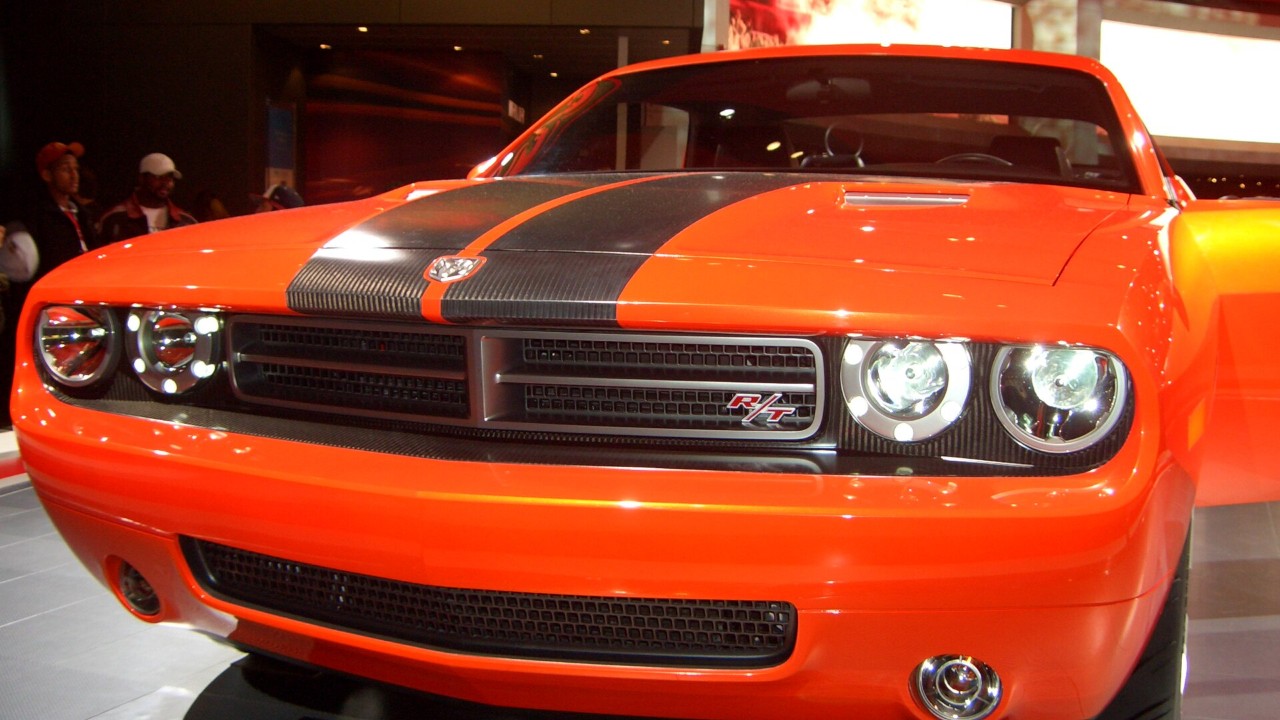
Dodge unveiled the Challenger Concept at the 2006 North American International Auto Show in Detroit. Its styling borrowed heavily from the 1970 Challenger R/T. Under the skin, it used a shorter-wheelbase version of Chrysler’s LX rear-drive platform, the same family as the 300C.
According to Top Gear, the concept had a 6.1-liter Hemi V8 rated at 425 bhp. It also had a six-speed manual and a pistol-grip shift handle. Inside, ribbed leather seats echoed the original car, and the body sat on rear-wheel drive like the 1970 R/T. At the time, Dodge said the production version would go on sale in the United States in 2008.
Of course, nobody can buy this one, and that is the point of including it. The concept is the car that previewed the name’s return. Two years later, the production Challenger followed it into showrooms. Our take: if the keys to the show car ever landed in our hands, no offer would pry them loose. It is the founding document of the modern Challenger, and it deserves a garage, not an auction block. In our view, every retro Challenger that followed owes its face to this car.
5. 2008 Dodge Challenger SRT8
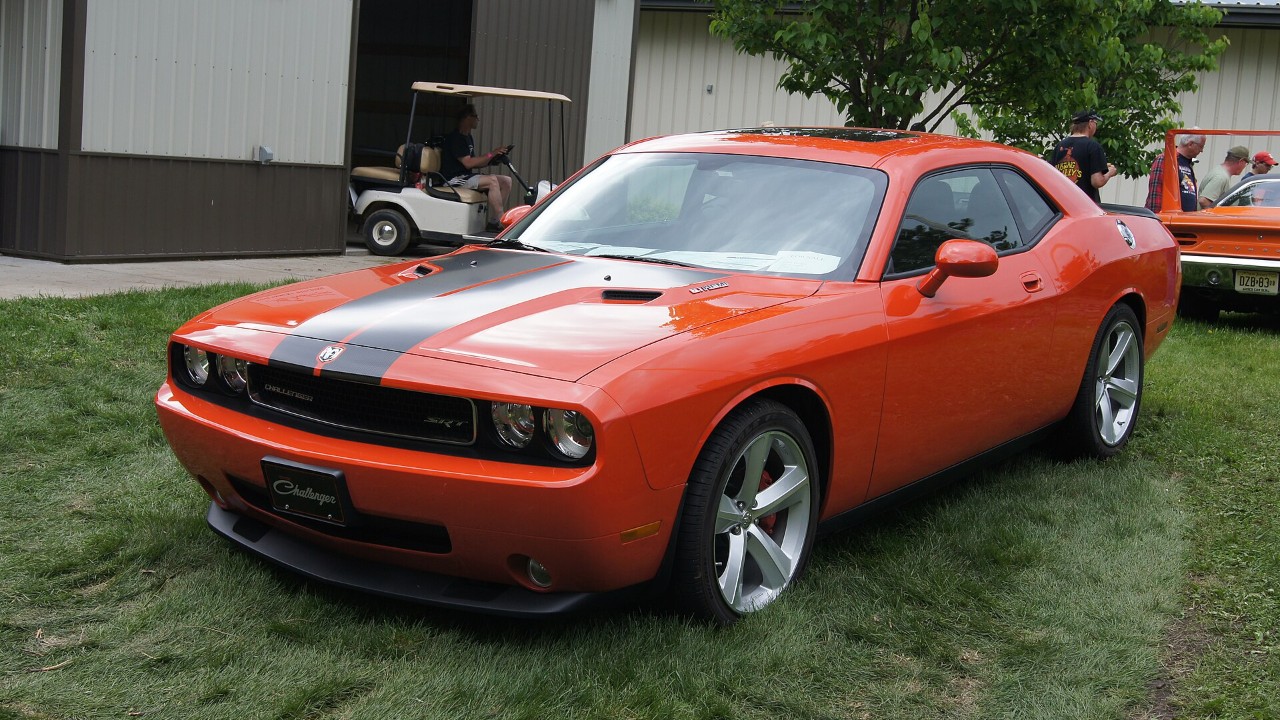
When the production car arrived for 2008, Dodge sold it in only one form. Every 2008 Challenger was an SRT8 with the 6.1-liter Hemi and a five-speed AutoStick automatic. According to Motorious, Dodge limited U.S. production that year to 6,400 cars.
That Hemi made 425 hp and 420 lb-ft of torque. Buyers could choose from three colors: Hemi Orange, Brilliant Black Crystal Pearl Coat and Bright Silver Metallic. A dual-snorkel hood and carbon-fiber stripes came standard. In Motorious’s account, a one-owner Hemi Orange car with 11,000 miles headed to auction as First Edition number 3054. Motorious also cited 0-60 mph times in the low five-second range and quarter-mile runs under 14 seconds.
We’d never sell a 2008 because it is the first year of the modern Challenger. It also has the purest launch formula: one engine, one trim, three colors and no V6 option. Later cars made more power, of course. But in our view, the 2008 marks the moment the retro muscle car became real. Keep the miles low and the paint original, because the launch colors are part of the story.
6. 2009 Dodge Challenger SE
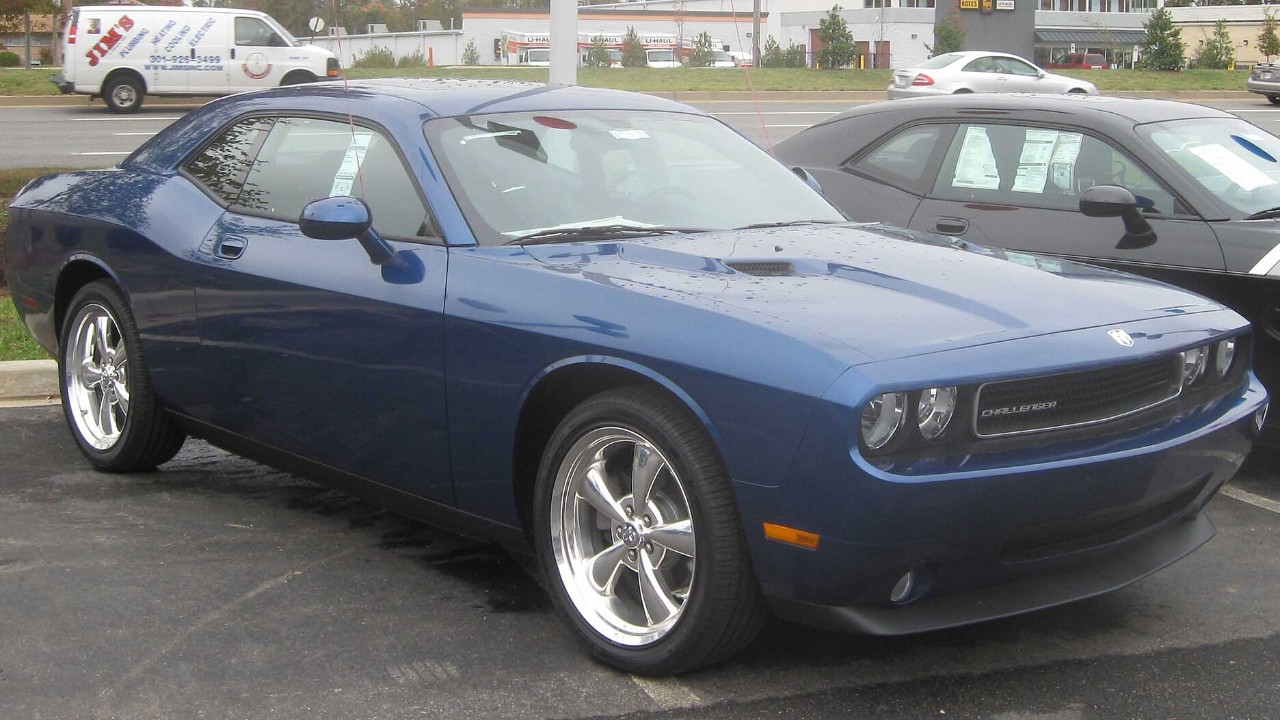
For 2009, Dodge widened the lineup, and the SE became the entry point. It used a 3.5-liter V6 rated at 250 hp and 250 lb-ft of torque. That was a long way from the Hemi, but it put the retro body within reach of far more buyers.
The SE wore the same long-hood, short-deck shape as the SRT8. In other words, buyers got the look without the Hemi’s appetite. For many people, that look was the whole reason to buy a Challenger. The SE simply let them do it for less money, and with more relaxed running costs than a 6.1-liter V8.
So why would we hold onto one? First, it is the original V6 Challenger, the first time the retro car came without a V8. Second, it represents a smart decision: selling the style to people who did not need the speed. In our view, that makes it an unsung hero of the modern era. For more on that comeback, read how the Dodge Challenger became a second-chance success story. If you find a stock one with low miles, keep it that way.
7. Dodge Challenger R/T Classic
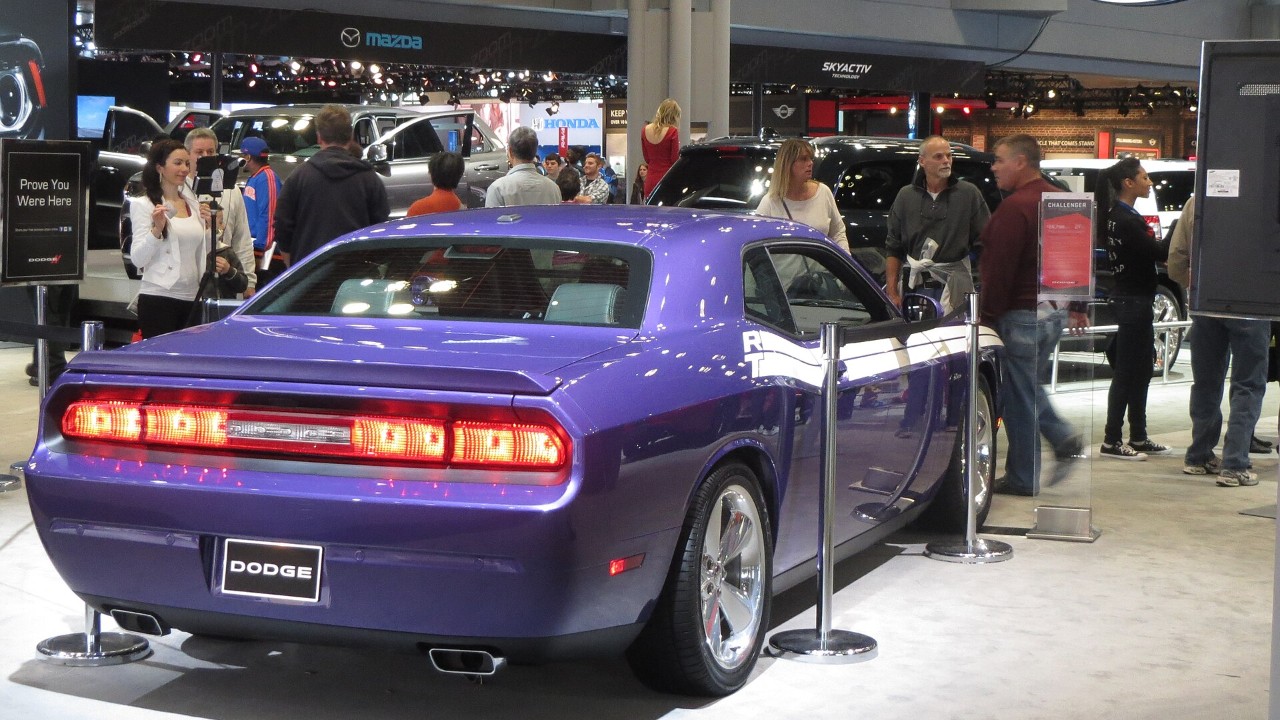
Dodge started building the R/T Classic in February 2009. It took the 5.7-liter Hemi R/T and dressed it in more period-style details. Script “Challenger” badges went on the front panels. Black or white R/T stripes ran along the body, and 20-inch heritage-style Torq-Thrust wheels finished the look.
A five-speed automatic came standard. However, buyers could order a six-speed manual with a pistol-grip shifter, a direct nod to the original cars. That mix of a modern Hemi and old-school trim is what sets the Classic apart from a regular R/T. It looks like a 1970 car at 30 paces, yet it starts every morning and runs the air conditioning all summer.
Our take: the R/T Classic is the Challenger for people who want the 1970s mood without the 1970s maintenance. In a bright factory color, it turns heads as well as any original. For the backstory of the car it imitates, read why the 1970 Dodge Challenger gave Mopar a different kind of muscle car. We’d keep a six-speed Classic for good, because the pistol grip alone is worth the price of admission.
8. 2013 Dodge Challenger Rallye Redline
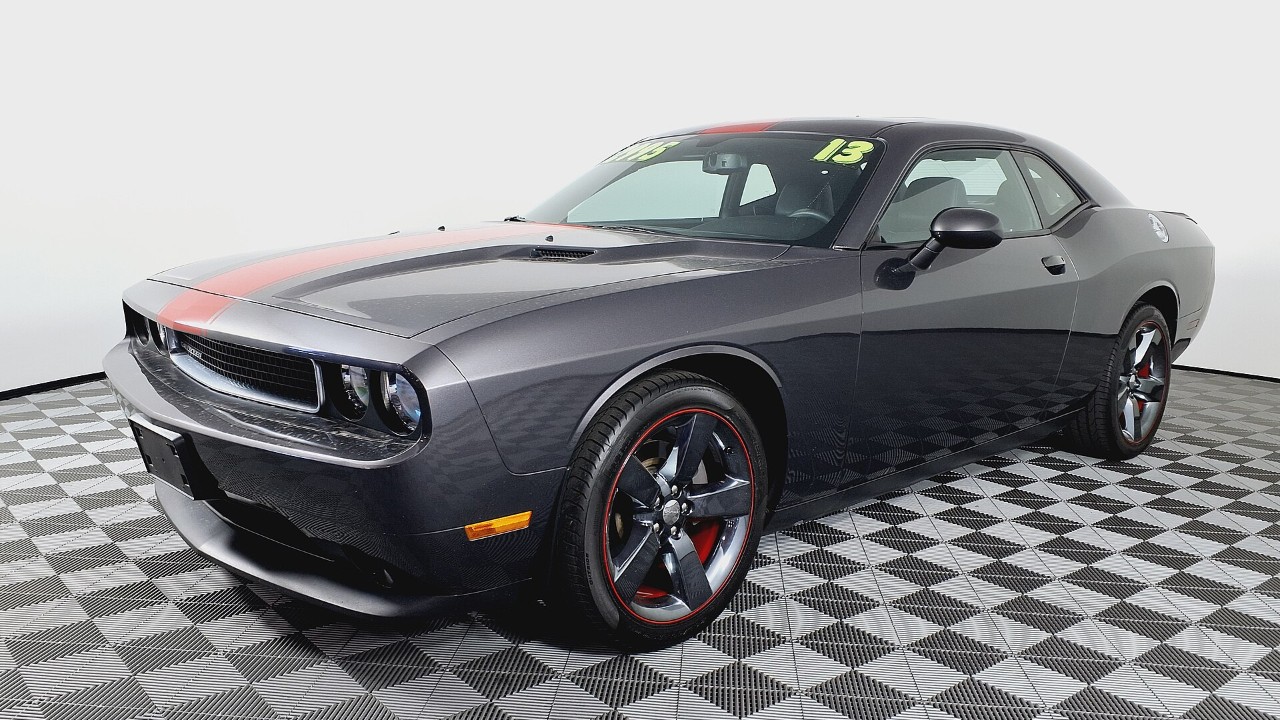
The Rallye Redline revived a name from the 1970s for the V6 car. Dodge based it on the SXT Plus trim. Then it added black chrome 20-inch wheels with Redline Red accents, a performance suspension and upgraded brakes. A 3.06 rear axle ratio sharpened the response, and buyers could add Radar Red Nappa leather inside.
In other words, Dodge built a handling package for the car most people assumed was the slow one. The V6 remained the V6. Even so, the better brakes and suspension changed how the car felt on a back road. It also gave the base Challenger a look of its own, rather than a stripped-down version of the R/T.
We’d never sell a Rallye Redline because it is the forgotten middle child of the modern lineup. Few people remember the package, and fewer can identify those wheels at a glance. If you find one, keep the Redline wheels and the red leather, since those details make the car. Our take: if you own one, you own a small piece of Dodge history that most collectors have not noticed yet.
9. 2014 Dodge Challenger R/T Shaker
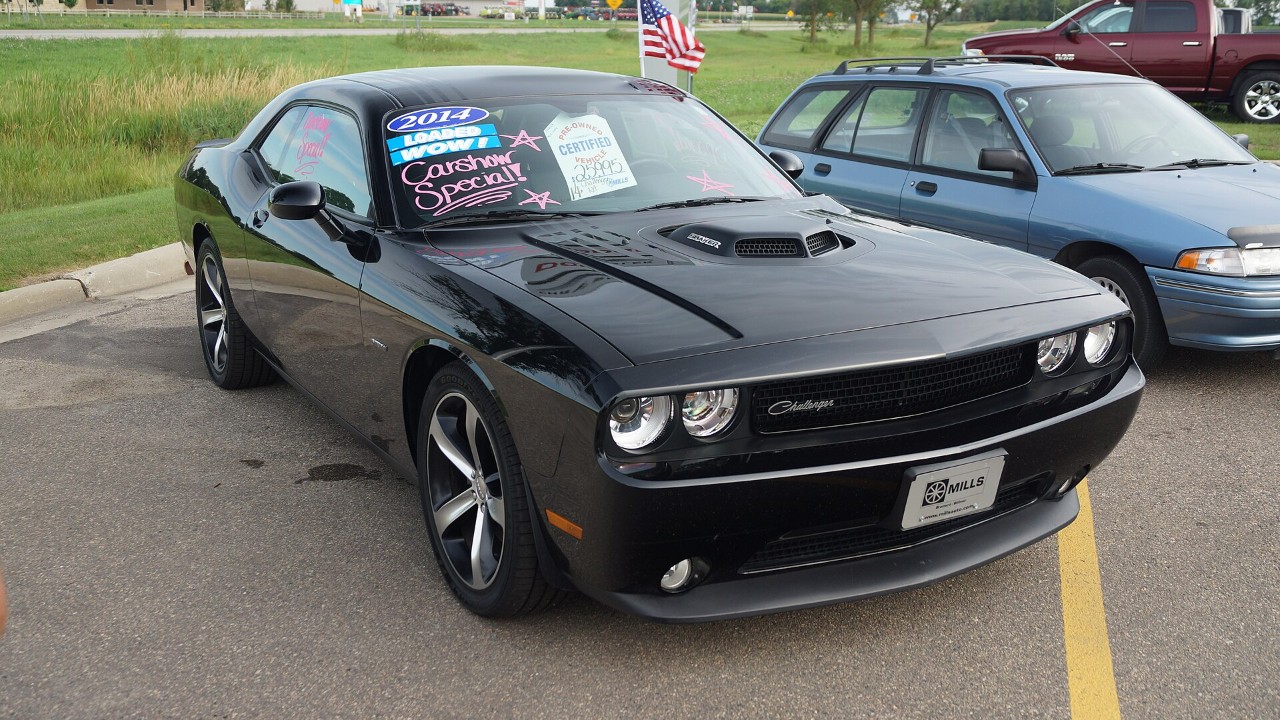
The original shaker scoop bowed out after 1971. Dodge brought it back for the 2014 R/T Shaker, unveiled at the SEMA Show in Las Vegas. According to Cars.com, the satin black scoop works and pokes through the hood. It also moves with engine torque, rocking between gear changes on manual cars.
Underneath, the R/T Shaker kept the manual R/T’s 5.7-liter V8, rated at 375 hp and 410 lb-ft. A cold-air intake fed it through a conical filter and a new air box. Cars.com listed the price at $36,995, including the Super Track Pak. That package added high-performance steering gear, a stiffer suspension and Goodyear Eagle F1 Supercar tires.
Our take: the 2014 Shaker is the car that linked the two eras most directly. The same hood scoop that ended with the 1971 Challenger convertible came back here, and it still shakes at a stoplight. That theater is the whole reason we’d keep one. Combine it with a manual, and you have a modern Challenger that feels like it has a pulse. We would not take any reasonable offer. If you shop for one, look for the Super Track Pak cars, since that package came bundled in the advertised price.
10. 2017 Dodge Challenger GT
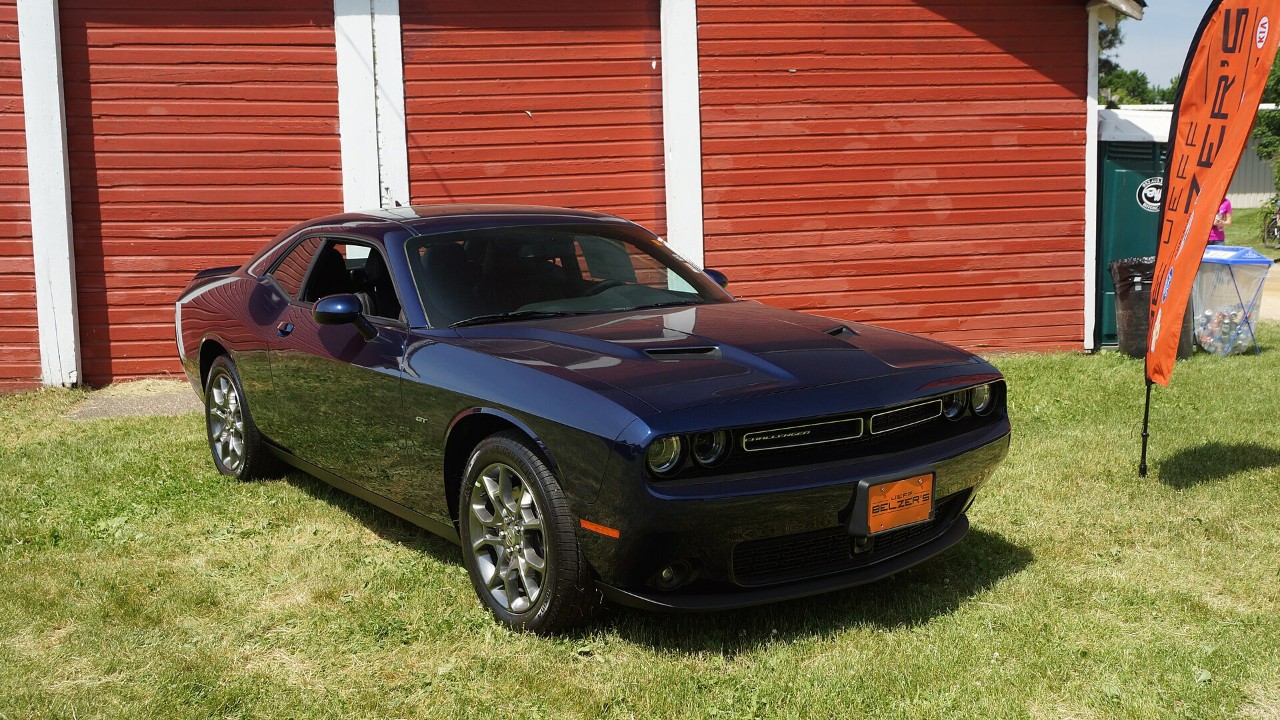
The Challenger GT arrived for 2017 as the first all-wheel-drive Challenger. At the time, it was the only two-door muscle car with available all-wheel drive. Dodge based it on the SXT Plus and borrowed the same all-wheel-drive system from the Charger sedan.
According to Kelley Blue Book, the GT paired the 3.6-liter V6 with an eight-speed automatic. That engine made 305 hp and 268 lb-ft of torque. The EPA rated the GT at 18 mpg city and 27 highway. Its original sticker price was $34,490, and KBB noted that prices started just under $34,500.
Why would we never sell it? Because it is the Challenger that works in January. Snowbelt owners finally had a muscle coupe they could drive all year, without parking it from November to April. The system works only with the V6, so the GT never had a Hemi. In our view, that makes the GT the most practical Challenger of all, and practical is not a word fans usually attach to this car. When it went on sale, the GT carried an original sticker of $34,490, with a 305-hp V6 driving all four wheels.
More from Fast Lane Only