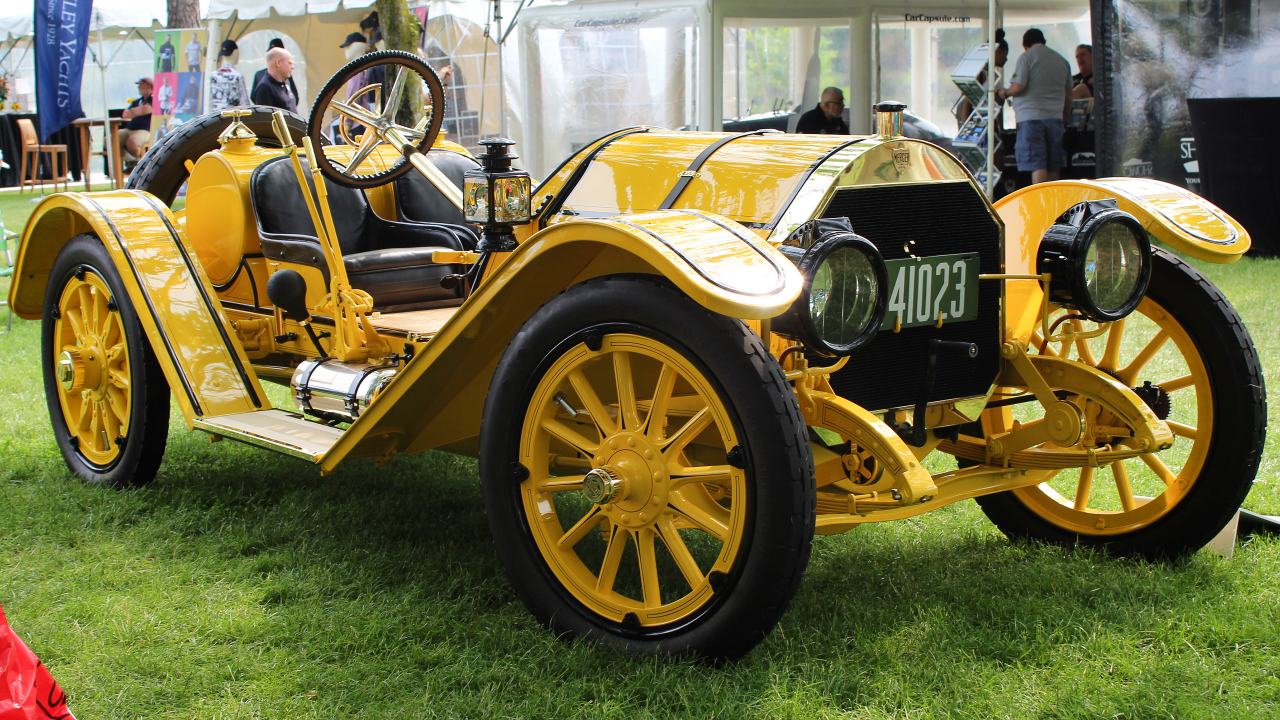
Owning a brass-era automobile, typically manufactured between 1890 and 1919, is a unique and rewarding experience that connects enthusiasts to the dawn of the automotive industry. However, these vintage vehicles present a distinct set of challenges that require dedication and expertise. Enthusiasts must navigate a landscape filled with hurdles that demand not only passion but also a considerable amount of time and resources to manage these classic machines.
Maintenance and Restoration
One of the primary challenges of maintaining a brass-era automobile is the availability of parts. With vehicles such as the 1912 Ford Model T or the 1909 Cadillac Model 30, sourcing original or compatible components can be a daunting task. The rarity and age of these vehicles often mean that parts are no longer manufactured, leading owners to search extensively through niche markets or vintage car shows. In some cases, custom fabrication of parts is necessary, requiring a level of craftsmanship that is increasingly rare.
Restoring a brass-era automobile demands a specialized set of skills and knowledge. Unlike modern vehicles, which utilize computer diagnostics and standardized components, cars from this era rely on technologies that many contemporary mechanics may not be familiar with. This gap in expertise can make finding a qualified restorer a significant challenge. For example, restoring the intricate workings of a 1915 Rolls-Royce Silver Ghost requires an understanding of early automotive engineering principles, as well as hands-on experience with vintage materials and techniques.
Ongoing maintenance is crucial to keep these cars in working order. Unlike modern cars, which benefit from automated maintenance reminders and widely available service centers, brass-era automobiles such as the 1914 Stutz Bearcat require regular and meticulous attention. This maintenance is often more complex and time-consuming, involving tasks such as hand-lubricating engine parts and adjusting mechanical brakes. The commitment to keeping these vehicles operational is significant, but for many owners, it is a labor of love that connects them to automotive history.
Storage and Preservation
Proper storage is essential for preserving the condition of brass-era automobiles. Vehicles like the 1908 Buick Model 10 are particularly susceptible to damage from humidity and temperature fluctuations. As a result, owners must invest in climate-controlled storage facilities to prevent rust and deterioration. This requirement can drive up the cost of ownership, as suitable storage spaces are not only expensive but also limited in availability.
The space requirements for storing a brass-era car can also pose a challenge. These vintage vehicles often require more space than contemporary models, partly due to their design and the need to accommodate spare parts and maintenance equipment. Securing adequate storage space can be a significant hurdle, especially for urban collectors who may not have easy access to large garages or warehouses.
Preservation techniques play a crucial role in maintaining the vehicle’s original condition. Owners must employ specific methods and materials to care for the brass and other vintage components. For example, the brass trims on a 1911 Stanley Steamer need regular polishing to maintain their shine. Using the wrong cleaning products can cause irreversible damage to these delicate parts, emphasizing the importance of using appropriate preservation techniques.
Driving and Usability
Ensuring that a brass-era car is roadworthy involves overcoming numerous obstacles. Vehicles like the 1913 Mercer Raceabout were not designed with modern safety standards in mind, lacking features such as seat belts and airbags. Owners must ensure that these cars are safe to drive on today’s roads, which often involves adding aftermarket safety features or making modifications that respect the vehicle’s historical integrity.
The limited usability of brass-era automobiles is another challenge for owners. Cars from this era, such as the 1917 Chevrolet Series 490, were not designed for modern traffic conditions. Their limited speed capabilities and outdated technology often result in restricted driving experiences. Many owners choose to drive these cars only during special events or on less congested roads to minimize risks and maximize enjoyment.
Fuel and fluid requirements for brass-era automobiles have also evolved over time. The formulations of fuels and lubricants have changed significantly since the early 1900s. For example, a 1910 Packard Model 18 may require a custom fuel mixture to run efficiently, as modern gasoline formulations can be too harsh for its engine. This necessitates finding specialized suppliers or creating custom blends, adding another layer of complexity to the ownership experience.
Financial Considerations
The financial commitment required to own a brass-era automobile is substantial. The initial purchase price of a vehicle like the 1915 Pierce-Arrow Model 66 can be high, reflecting its rarity and historical significance. This investment is often just the beginning, as ongoing maintenance and restoration costs can add up over time.
Insuring a vintage car can also present challenges. Standard auto insurance policies do not typically cover the unique needs of brass-era vehicles. Owners must seek out specialized insurance providers that cater to classic cars, which can be more expensive and complex. These policies often require detailed appraisals and may impose usage restrictions to minimize risk.
While brass-era automobiles can appreciate in value over time, potential buyers must carefully evaluate the financial commitment involved. The market for these vehicles can be unpredictable, and the costs associated with their upkeep can be significant. However, for many enthusiasts, the opportunity to own a piece of automotive history justifies the investment.
Community and Expertise
Engaging with support networks is essential for brass-era car owners. Clubs and online communities dedicated to vehicles like the 1914 Detroit Electric Model 47 offer valuable resources for sharing knowledge and sourcing parts. These groups provide a sense of camaraderie and support that can be invaluable for navigating the challenges of ownership.
Access to expertise is another critical aspect of managing a brass-era automobile. Finding skilled craftsmen and mechanics with experience in vintage cars can be difficult. Owners must often rely on a network of specialized contacts to locate the necessary expertise to maintain and restore their vehicles.
Participation in events such as car shows and rallies offers owners opportunities to connect with fellow enthusiasts. These events require a commitment of time and resources but provide a platform to showcase their vehicles and share their passion with the community. For many owners, the chance to drive their brass-era car in a parade or display it at a prestigious show is a rewarding part of the ownership experience.