Owning a prewar car is more than just a hobby; it’s a journey into the past that offers a unique blend of history, craftsmanship, and community. These vintage vehicles, built before World War II, attract enthusiasts for their classic design and the challenges they present in terms of maintenance and restoration. We’ll explore the realities of owning a prewar car, from the thrill of the drive to the intricacies of upkeep.
The Allure of Prewar Cars
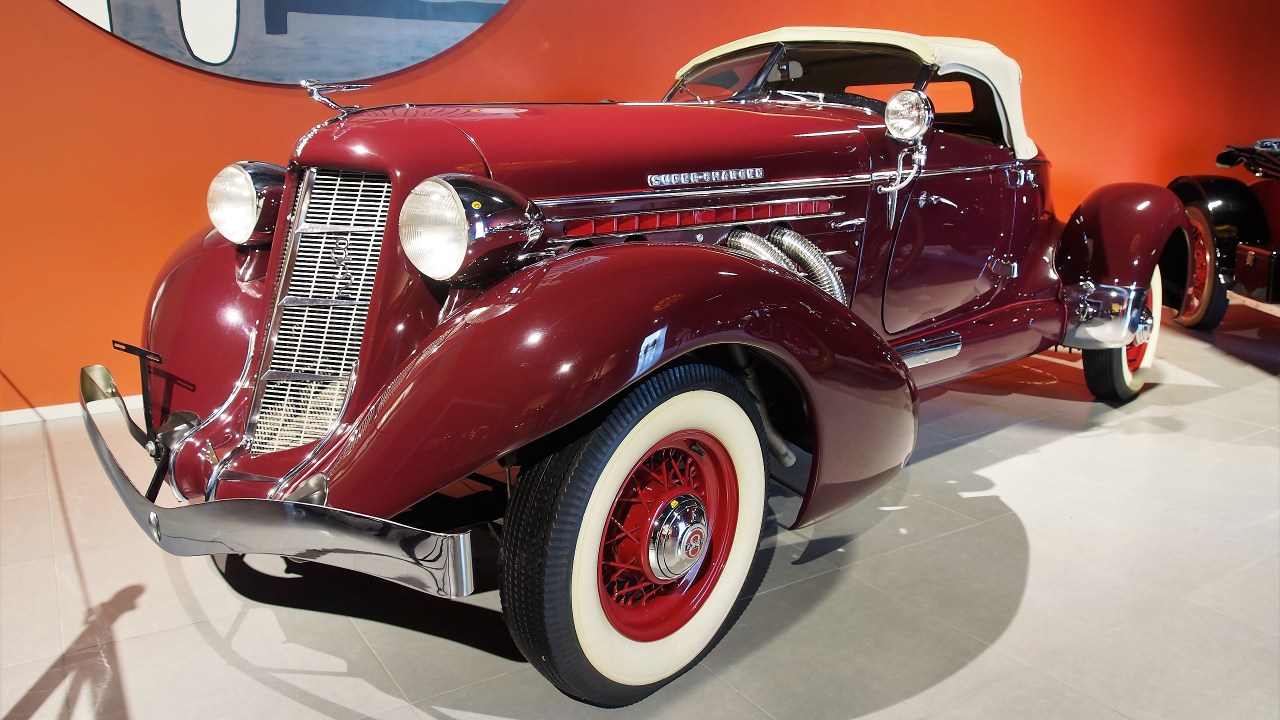
The allure of prewar cars lies in their timeless design and craftsmanship. Take the 1936 Auburn 852, for example. Its sweeping lines and elegant details showcase a level of artistry that modern vehicles often lack. The use of high-quality materials, such as hand-crafted wood interiors and durable chrome fittings, emphasizes the pride and skill of the artisans who built these machines. Each curve and detail speaks to an era where design was about more than just functionality; it was a statement.
Beyond their aesthetic appeal, prewar cars hold significant historical value. These vehicles are tangible connections to a bygone era, reflecting the culture and technological advancements of their time. During the 1930s, cars like the Ford Model A symbolized economic recovery and innovation. Owning a prewar car allows me to preserve and celebrate this rich history, transforming each drive into a rolling museum exhibit.
The Search and Acquisition Process
Finding the right prewar car is an adventure in itself. I remember hunting for a 1929 Duesenberg Model J, scouring classic car auctions, online forums, and even estate sales. Locating a vehicle in good condition often requires patience and a keen eye for detail. It’s essential to evaluate the authenticity and originality of the car, checking for matching numbers and documentation that verifies its history.
However, the financial implications of acquiring a prewar car are considerable. Beyond the initial purchase price, there are costs associated with restoration, maintenance, and storage. For instance, acquiring a classic like the 1934 Packard Twelve might seem like a dream, but it’s important to consider potential pitfalls, such as hidden rust or non-original parts, which can significantly affect the car’s value and require expensive repairs.
Restoration Challenges
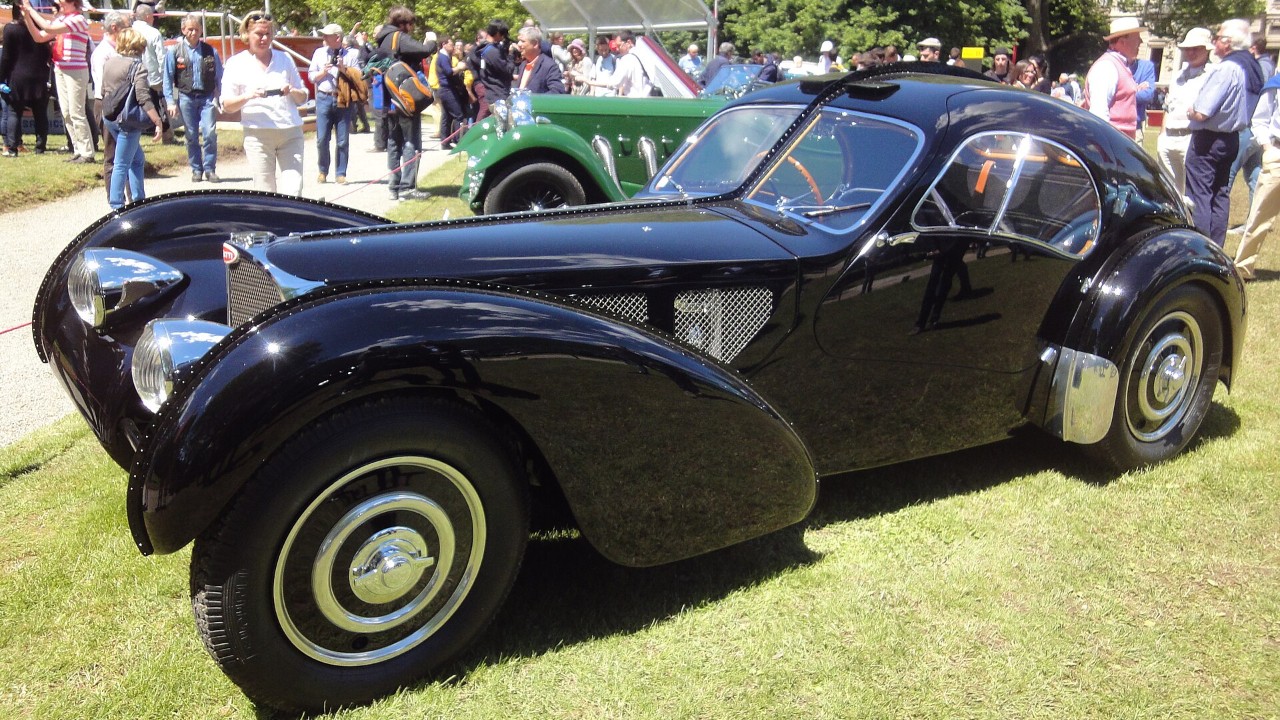
Restoring a prewar car, such as a 1938 Bugatti Type 57, presents unique challenges. Sourcing authentic parts can be a daunting task, as original components are rare and often expensive. It’s not uncommon to spend months searching for a specific part, like an original carburetor or a period-correct steering wheel. This process requires patience, persistence, and sometimes deep pockets.
The restoration journey demands a certain level of mechanical knowledge or access to skilled professionals. Many enthusiasts, myself included, have had to learn the intricacies of vintage mechanics to keep our cars running. Alternatively, building a relationship with a knowledgeable mechanic who specializes in prewar vehicles can be invaluable. Their expertise can mean the difference between a successful restoration and a costly mistake.
Maintenance and Upkeep
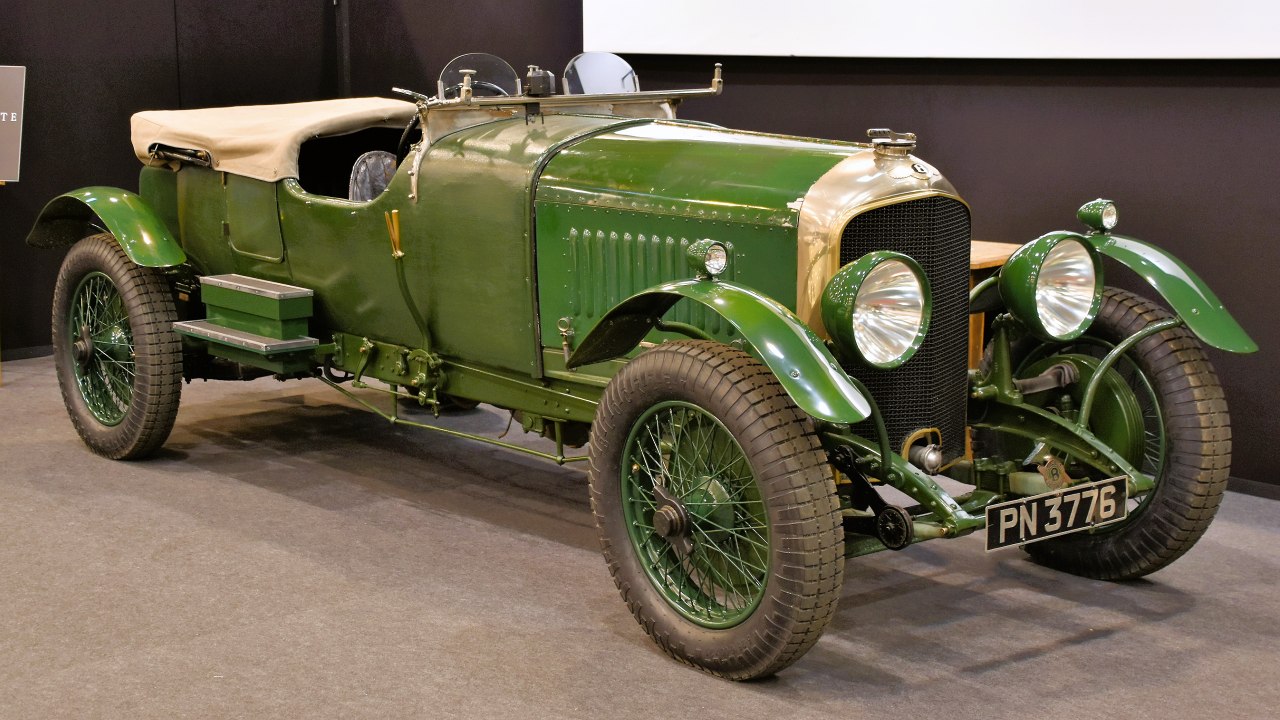
Maintaining a prewar car, like a 1927 Bentley 4½ Litre, requires dedication and routine care. Regular maintenance routines, such as oil changes, brake inspections, and fluid checks, are crucial to keeping these classic vehicles in top condition. Unlike modern cars, which are designed for minimal maintenance, prewar cars demand ongoing attention to ensure reliability and performance.
Common issues with prewar cars include electrical problems and fuel system complications. For example, the wiring in a 1931 Cadillac V-16 can be prone to wear, necessitating regular inspections and repairs. Similarly, carburetor adjustments are often required to keep the engine running smoothly. Understanding these typical problems and their solutions is a vital part of the ownership experience.
The Driving Experience
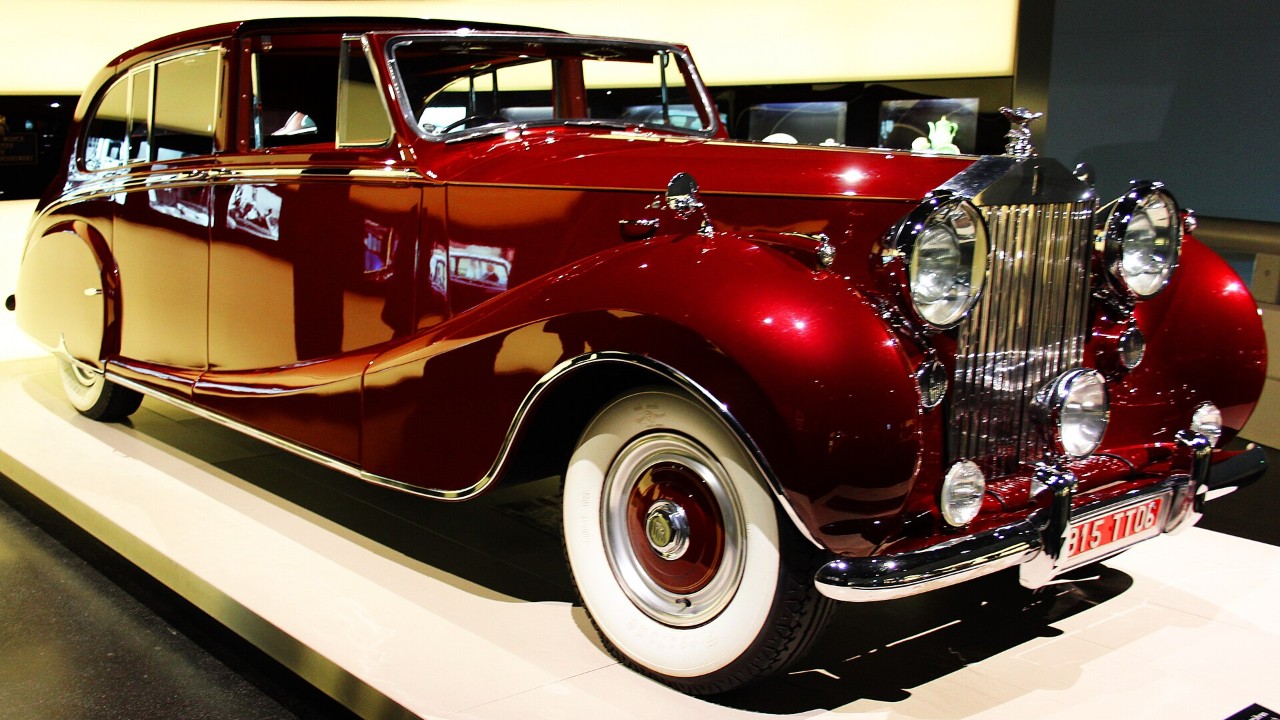
Driving a prewar car is an unparalleled experience. Behind the wheel of a 1935 Rolls-Royce Phantom II, I feel connected to the road in a way that modern vehicles cannot replicate. The steering is heavy, and the brakes require a firm foot, offering a tactile and engaging driving experience. The sound of the engine and the feel of the gearbox transport me back to a time when driving was an art form.
However, driving these cars also comes with limitations and safety considerations. Prewar vehicles lack modern safety features, such as airbags and crumple zones, making them more vulnerable in accidents. Additionally, the older technology can pose challenges, such as unreliable brakes or limited top speeds. It’s essential to drive with caution and respect the vehicle’s capabilities and limitations.
Community and Events
Owning a prewar car opens the door to a vibrant community of enthusiasts. Joining clubs and organizations, such as the Antique Automobile Club of America, offers invaluable benefits. I’ve connected with fellow owners of the 1932 Ford V-8, exchanging tips, sharing stories, and building friendships that transcend the cars themselves. These groups often provide resources and support for restoration projects and maintenance challenges.
Participating in shows and rallies is another highlight of owning a prewar car. Events like the Pebble Beach Concours d’Elegance offer opportunities to showcase these classic vehicles and share their beauty with a wider audience. Rallies, such as the Great Race, allow owners to enjoy their cars in a competitive and social setting, celebrating the joy of driving and the heritage of these remarkable machines.
Insurance and Legal Considerations
Understanding vintage car insurance is crucial for any prewar car owner. Policies for a 1939 Alfa Romeo 6C are tailored to the unique needs of classic cars, covering aspects like agreed value and limited mileage. It’s important to work with an insurer who specializes in vintage vehicles to ensure adequate coverage and protection.
Navigating regulations for antique vehicles can also be complex. Compliance with local laws, such as emissions standards or registration requirements, varies by region. For instance, some areas may require special plates or annual inspections for a 1925 Hispano-Suiza H6B. Staying informed about these regulations is essential to avoid legal issues and keep your vehicle roadworthy.
Investment Potential
Prewar cars can be a worthwhile investment, with many models appreciating in value over time. The 1930 Mercedes-Benz SSK, for example, has seen significant increases in market value, making it a sought-after collector’s item. Understanding market trends and the factors that influence prices, such as rarity and historical significance, can help guide investment decisions.
However, the classic car market is not without risks and uncertainties. Economic fluctuations and changing collector preferences can impact values. Investing in a 1928 Stutz Black Hawk, while potentially lucrative, requires careful consideration and a long-term perspective. It’s important to approach these investments with caution and a genuine passion for the vehicles themselves.
The Emotional Connection
For many, owning a prewar car is about more than just the vehicle; it’s about building a legacy. A family heirloom like a 1937 Cord 812 can carry significant personal and familial significance, representing cherished memories and shared experiences. The emotional connection to these cars is profound, often passed down through generations.
The joy of preservation is a driving force for many enthusiasts. Restoring and maintaining a piece of automotive history offers immense satisfaction, knowing that you are preserving a relic of the past. The pride of owning a prewar car, like a 1924 Bugatti Type 35, comes from the knowledge that you are keeping history alive, sharing its stories with future generations, and celebrating the artistry and innovation of a bygone era.