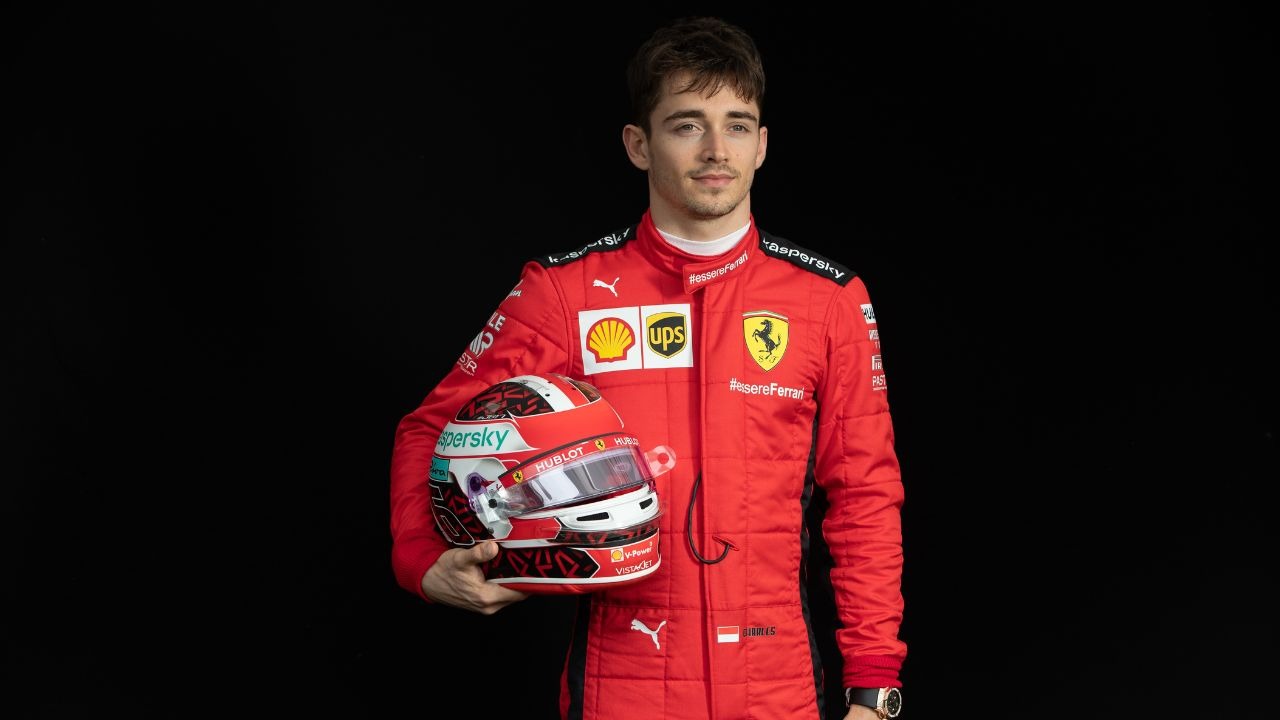
Charles Leclerc has added a $3.1 million slice of Ferrari history to a garage already packed with some of Maranello’s wildest modern machinery. Instead of another hybrid hypercar, the Ferrari Formula 1 star has opted for a classic, trading cutting edge power for something slower, rarer and far more analog. For you, as a fan or collector, his choice is a window into how the sport’s elite really think about performance, heritage and what makes a car worth this kind of money.
By stepping away from the latest tech and into a multi‑million‑dollar classic, Leclerc is making a statement about feel and connection that goes beyond lap times. You see it in the way he talks about modern F1 machinery, in the cars he has bought over the past two seasons, and in the specific details of this latest Ferrari, from its period-correct paint to the way it sounds compared with the turbo‑hybrid he races on Sundays.
The $3.1 million statement parked in Leclerc’s garage
Leclerc’s newest prize is a Ferrari classic valued at roughly $3.1 million, a car that sits closer to the brand’s golden era than to the hybrid age you watch him race in now. Reporting around the deal describes it as a £2.5million purchase, a figure that converts to just over that $3.1 million mark and underlines how far he is willing to go to secure the right car. The move echoes earlier chatter around a Jun video that framed a similar outlay as the answer to what you buy when you already drive for Ferrari.
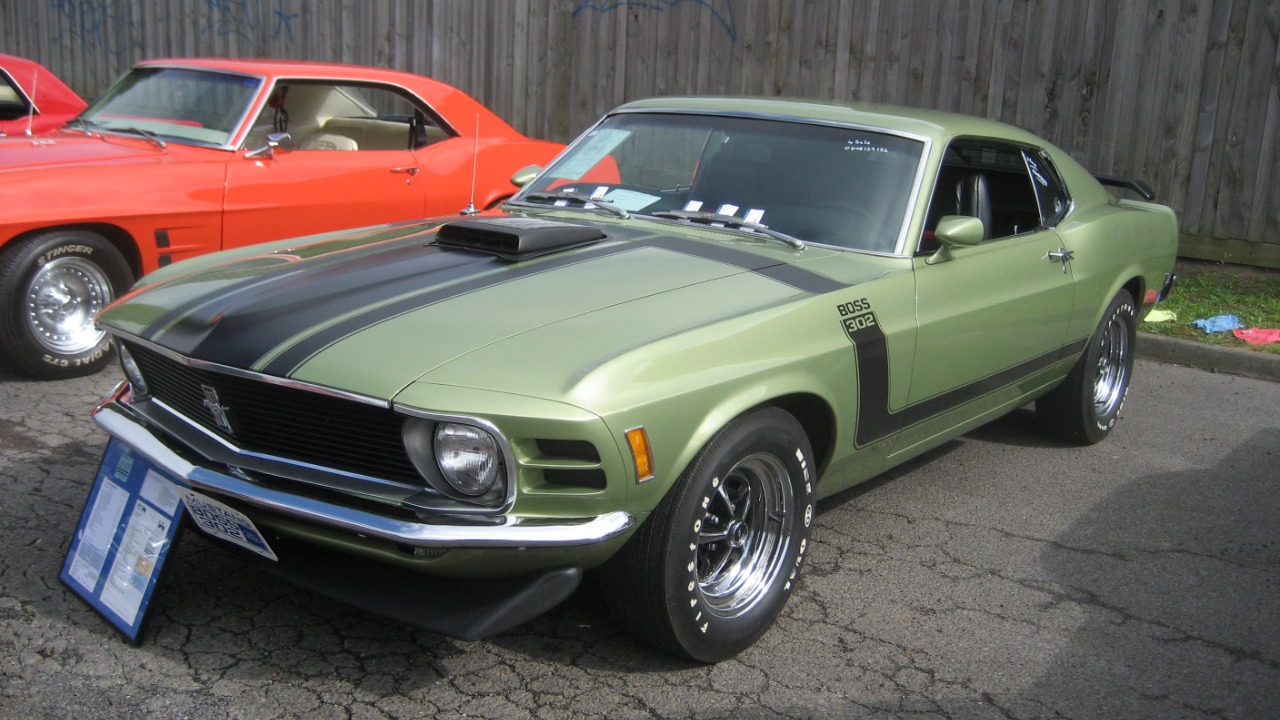
The car itself is described as a £2.5million Ferrari classic finished in a distinctive Verde Pino shade, a specification that instantly separates it from the red cars you are used to seeing on track. Coverage of the purchase notes how £2.5million and that deep green paint combine to place the car firmly in the realm of serious collectors rather than casual fans. For you, that price tag is not just a number, it is a signal that Leclerc is curating a long‑term collection rather than chasing short‑term hype.
From Fiorano thrills to a taste for classics
Leclerc’s appetite for older Ferraris did not appear overnight. He first sampled a historic model at Fiorano, Ferrari’s private test track, and came away “blown away” by the experience, according to a clip that shows him driving behind a pair of 250 LM cars and reacting to the rawness of the machinery. That early run at Fiorano, shared in the same context as the 250 LM reference, helped set the tone for how he now talks about feel and feedback, and it is the same language you hear from seasoned collectors when they describe why an older car matters.
The YouTube coverage that tracks his garage evolution even leans into this narrative, with one segment explaining how “charlotte Clair” added a $2.5 million classic Ferrari to his collection, a playful misnaming that still underlines the scale of the purchase. In that clip, Clair is said to have answered the question of what you buy when you are already racing for Ferrari by choosing something steeped in history rather than another modern supercar. When you connect that with the latest £2.5million acquisition, you see a clear throughline: Leclerc is chasing the sensations he first felt in that early Fiorano run, not just the numbers on a spec sheet.
Modern F1 power versus classic feel
To understand why a driver at the peak of his career would pivot toward a classic, you need to look at how Leclerc describes his current Formula 1 machinery. After sampling Ferrari’s SF‑26 in Barcelona, he was candid that the new generation of 2026 cars is “not the most enjoyable” he has driven, a verdict that cuts through the usual corporate optimism. His comments about the SF‑26 focus on the compromises baked into the new rules, from weight to aerodynamics, and they give you a direct comparison point with the purity he finds in older cars.
Those remarks were reinforced in a separate breakdown of his Barcelona test, where Charles Leclerc explained that the new Formula 1 regulations force drivers and engineers to “think outside the box” just to extract some enjoyment from the package. When you put that alongside his willingness to spend £2.5million on a classic Ferrari, the contrast is stark: in the day job he is wrestling with complex hybrid systems and aero tricks, while in his own time he is paying a premium to experience unfiltered steering, a manual gearbox and an engine that talks directly to him rather than to a bank of sensors.
A garage that maps Ferrari’s modern era
Leclerc’s latest classic sits alongside a growing fleet of modern Ferraris that already reads like a condensed history of the brand’s recent output. Earlier in his collecting run he commissioned a Tailor Made Ferrari Daytona SP3, a limited‑run hypercar that cost around $3 million and was built to his exact specification. That car, highlighted in a feature urging you to Check Out Charles and his New Tailor Made Ferrari Daytona, shows you how deeply he is embedded in Ferrari’s bespoke program, long before he turned to a vintage purchase.
In 2024 alone, he also bought three Ferrari supercars, capped by a Ferrari SF90 XX Stradale that cost a reported $1 million, a figure that would be eye‑watering for most collectors but is just one line item in his growing portfolio. That spree is detailed in coverage noting how Ferrari and the SF90 XX Stradale have become recurring themes in his personal life, with the Stradale singled out for its staggering $1 million price. When you add the £2.5million classic to that list, you are looking at a driver who is not just a brand ambassador but a serious investor in the full spectrum of Ferrari performance, from track‑focused hybrids to historically significant road cars.
Inside the paddock: how the classic fits his F1 reality
Leclerc’s decision to embrace a classic also makes more sense when you place it in the context of his current Formula 1 environment. He and Lewis Hamilton have already completed the first laps in Ferrari’s 2026 car at the team’s test track, an event that underscored how much of his professional life is spent inside a tightly controlled, highly technical bubble. Reports on that shakedown describe how Lewis Hamilton and turned those early laps at Fio, with the run framed as part of Ferrari’s broader Formula 1 program rather than a pure driving thrill.
At the same time, detailed analysis of his feedback on the SF‑26 shows how he is constantly weighing regulations, tyre behaviour and energy deployment, rather than simply enjoying the act of driving. One breakdown of his comments from Formula testing in Barcelona highlights how he contrasted the SF‑26 with the cars he drove when he first arrived in Formula 1, suggesting that the newer machines have lost some of the immediacy he values. When you step back and look at that reality, the appeal of a classic Ferrari that he can drive on his own terms, without engineers poring over data, becomes obvious.
More from Fast Lane Only