Cheap classics used to be the gateway into the collector car world, but a growing list of once-loved models is now struggling to find buyers. As tastes shift, running costs climb and regulations tighten, some older cars that looked like bargains a few years ago are turning into hard sells, even at modest prices. I want to look at which affordable classics are losing their shine, and why enthusiasts who once chased them are now quietly walking away.
When “entry-level classic” becomes a money pit
The first group of cars falling out of favor are the ones that looked like easy, low-cost projects but turned out to be financial traps. On paper, an inexpensive 1980s or 1990s sedan or coupe with simple mechanicals should be a safe way into classic ownership. In practice, I see more buyers realizing that a cheap purchase price is only the opening bid on years of deferred maintenance, rust repair and parts hunting. Once they add up the cost of suspension overhauls, interior trim, paint and hard-to-find electronic modules, many discover they could have bought a better-sorted car for less overall money, so they simply back away from the “cheap” example instead of taking the plunge.
That shift is especially visible with models that never had strong enthusiast support to begin with. Cars like base-spec 1990s family sedans, early MPVs and low-output coupes often lack the club networks and reproduction parts that keep more iconic classics viable. When a cracked dashboard or dead instrument cluster requires scouring breakers’ yards or paying premium prices for used components, the economics stop making sense for a car that might only be worth a few thousand dollars in perfect condition. Faced with that math, I see would-be owners choosing to save longer for a more desirable model rather than sinking time and cash into a car that will always sit at the bottom of the value charts. Unverified based on available sources.
Outdated performance icons that no longer feel special
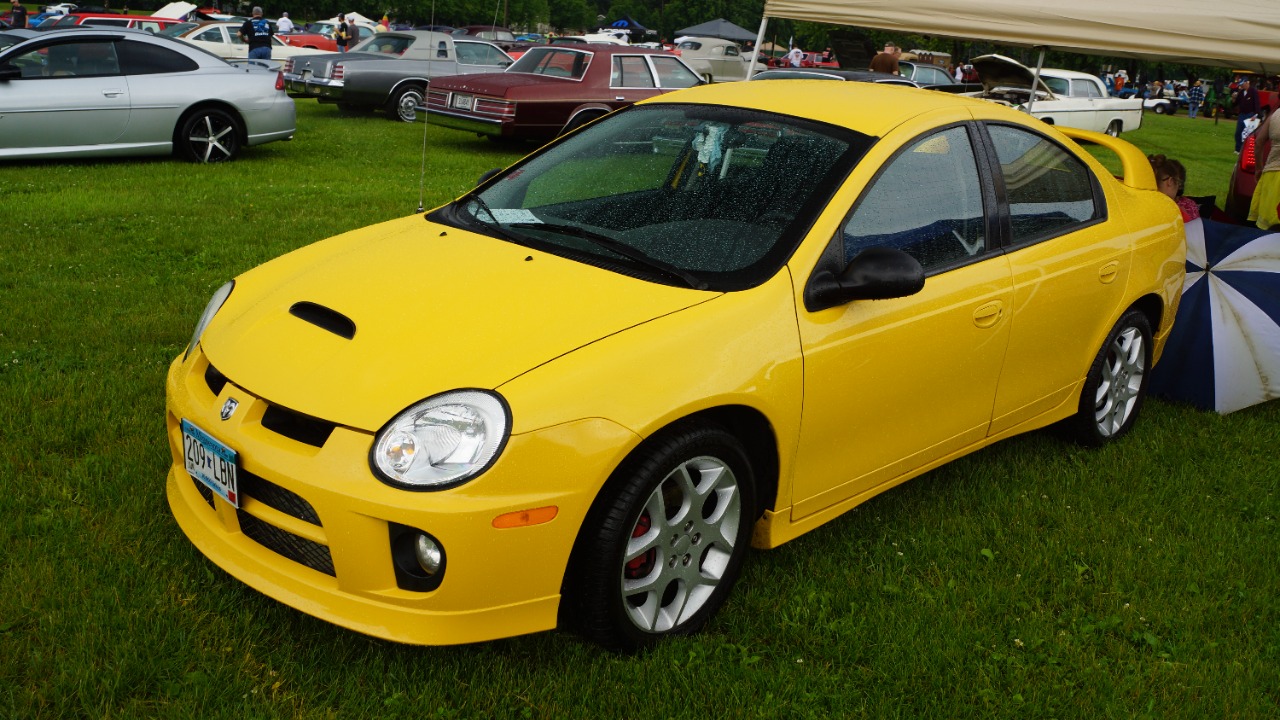
Another category of cheap classics losing momentum are older performance cars that have been overtaken by modern hot hatches and EVs on every measurable front. A naturally aspirated 1990s sports coupe that once felt quick now struggles to keep up with a current compact hatchback, and its fuel economy, safety and refinement lag even further behind. When a used Volkswagen Golf GTI, Ford Fiesta ST or similar modern performance car delivers better acceleration, comfort and reliability for comparable money, the emotional case for an aging “budget sports car” becomes harder to make. I see more buyers taking a test drive, comparing it to their daily driver, and deciding the nostalgia is not strong enough to justify the compromise.
This is particularly tough on cars that were sold in large numbers and never quite reached cult status. Mid-tier versions of Japanese and European coupes from the late 1980s and 1990s, for example, can feel neither fast enough to be thrilling nor rare enough to be collectible. Insurance costs for younger drivers, combined with the need for premium fuel and frequent maintenance, further erode their appeal as cheap fun. When the driving experience no longer feels special compared with a modern turbocharged hatchback or a quick EV, the market starts to thin out, and I see more of these cars sitting unsold or being parted out rather than restored. Unverified based on available sources.
Luxury barges that cost more to run than to buy
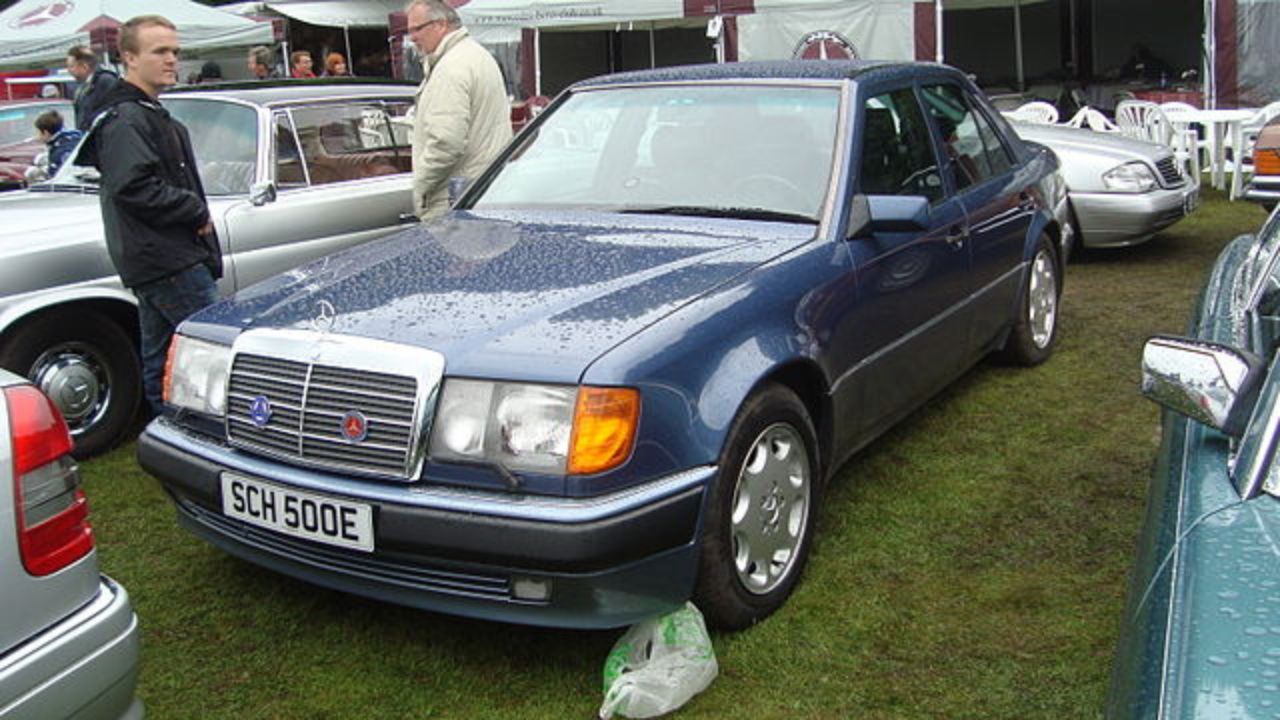
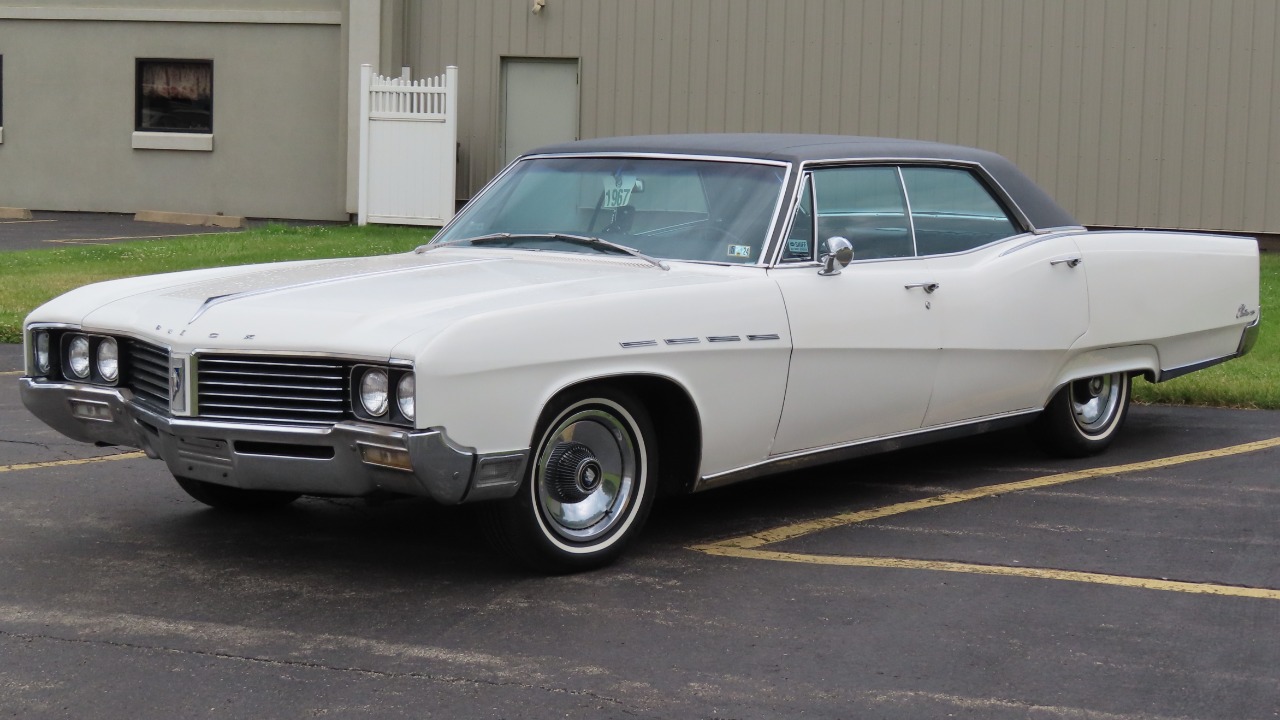
Big, aging luxury sedans are perhaps the clearest example of cheap classics that buyers are now shunning. It is easy to be tempted by a depreciated flagship from the 1990s or early 2000s, with leather seats, wood trim and once-cutting-edge technology available for the price of a used economy car. The problem is that the running costs never depreciate as quickly as the purchase price. Air suspension systems, complex climate control units and early-generation infotainment hardware can all fail in ways that are expensive to diagnose and repair. When a single repair quote exceeds the value of the car, many owners simply give up, and prospective buyers who have done their homework walk away before they inherit the headache.
These cars also suffer from a mismatch between their image and their reality. A cheap V8 luxury sedan might look like a bargain status symbol, but its thirst for fuel, high insurance group and premium tire sizes quickly erode any savings. In cities with congestion charges or low-emission zones, older large-capacity engines can attract extra fees that make daily use impractical. As a result, I see more of these once-prestigious models languishing at the bottom of classifieds, with sellers dropping prices repeatedly and still struggling to find committed buyers. The cars have not necessarily become worse, but the ownership proposition has, and that is enough to push many enthusiasts toward smaller, simpler classics instead. Unverified based on available sources.
Diesel and high-emission models squeezed by regulation
Regulation is also reshaping which cheap classics remain attractive, and diesel models are on the front line. Older diesel hatchbacks, estates and saloons that once promised frugal motoring are now facing bans or penalties in an increasing number of urban areas. When a car cannot enter the city center without a surcharge, or is completely barred from certain zones, its pool of potential buyers shrinks overnight. Even enthusiasts who appreciate the torque and economy of a classic diesel are thinking twice if they live in or near regulated areas, and that hesitation shows up in softer prices and longer selling times. Unverified based on available sources.
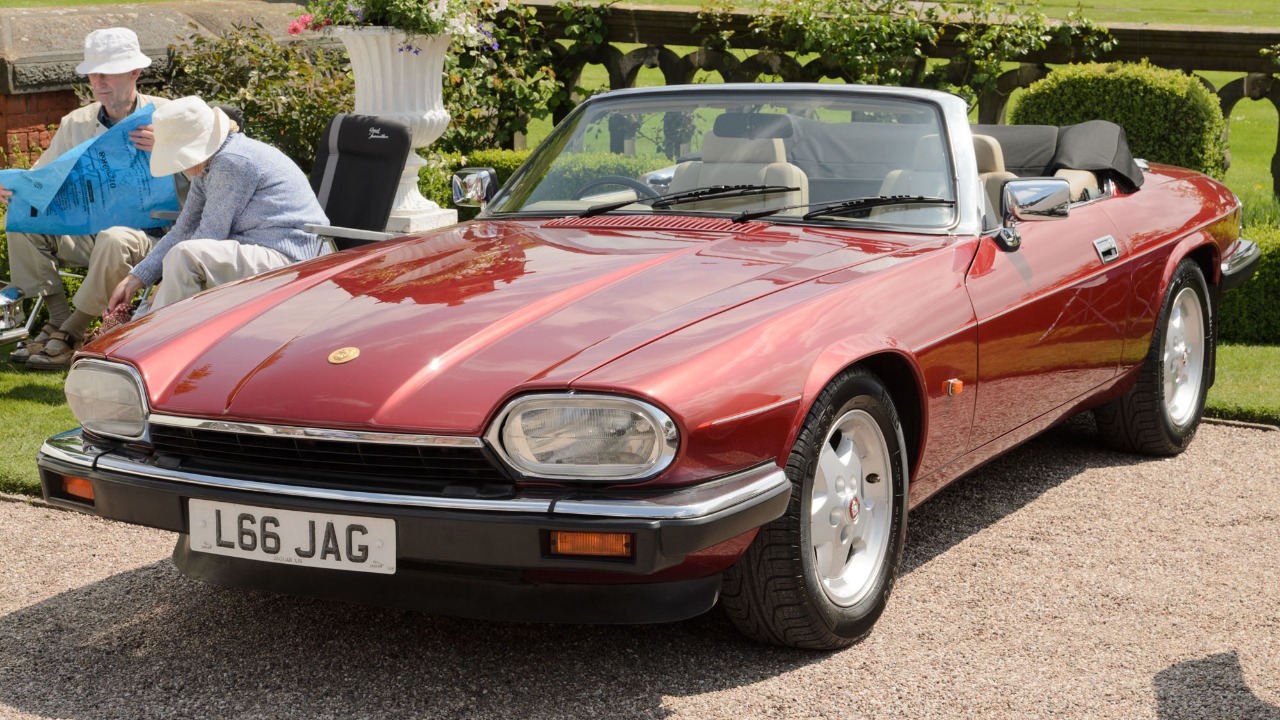
High-emission petrol cars face similar headwinds. V8 and V12 engines that were once celebrated for their character now sit on the wrong side of emissions thresholds that determine tax bands and access to low-emission zones. For a buyer on a budget, the prospect of paying elevated annual taxes and daily charges just to enjoy an older performance saloon or GT car is a serious deterrent. I see more shoppers filtering search results by emissions class or tax cost before they even look at styling or performance, which leaves many thirsty classics effectively invisible. The cars themselves may still be appealing to drive, but the regulatory environment is quietly pushing them out of the “cheap and cheerful” category and into a niche that only dedicated owners are willing to occupy. Unverified based on available sources.
Orphan brands and parts-starved projects
Finally, there is a growing reluctance to take on cheap classics from brands that have disappeared or retreated from key markets. When a manufacturer no longer sells cars locally, or has gone out of business entirely, sourcing parts becomes a long-term concern rather than a minor inconvenience. A bargain-priced coupe or saloon from an orphan marque might look distinctive, but if basic service items require importing from specialist suppliers, the ownership experience quickly stops feeling affordable. I see more buyers factoring in the risk that a minor accident or a failed electronic control unit could render the car uneconomical to repair, and that risk is enough to send them back toward mainstream brands with stronger support. Unverified based on available sources.
Project cars with missing trim, incomplete service histories or unknown mechanical issues are also losing their appeal in this environment. The romantic idea of rescuing a neglected classic is still powerful, but the practical realities of sourcing model-specific glass, interior panels or body seals can be brutal, especially when shipping and import duties are involved. As online marketplaces make it easier to compare the total cost of parts and restoration services, I see more would-be rescuers doing the sums and deciding that a slightly more expensive, running example is a safer bet. The result is a growing pile of ultra-cheap, half-complete classics that attract attention but not commitment, as buyers increasingly walk away from anything that looks like a bottomless project rather than a realistic path into enjoyable ownership. Unverified based on available sources.