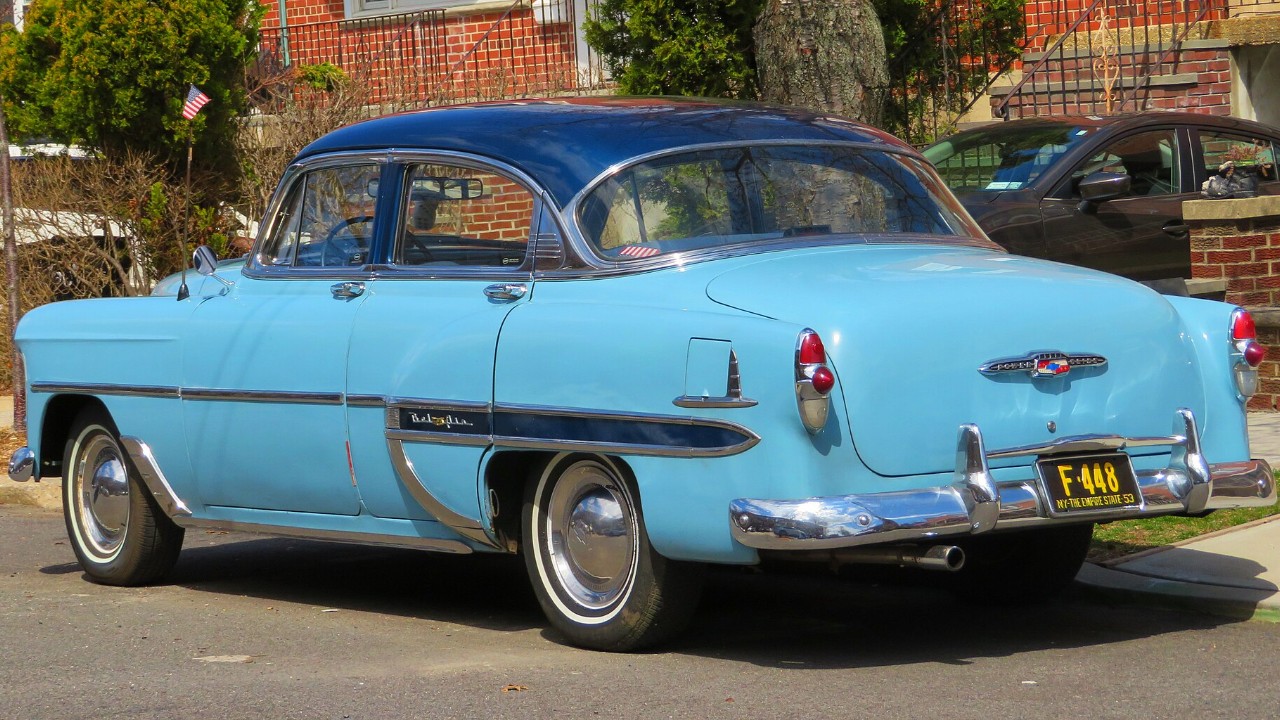
The Chevrolet Bel Air name ran from 1950 to 1975 in the U.S. and lasted until 1981 in Canada. Over that time, Chevrolet built Bel Airs by the hundreds of thousands, from pillarless hardtops to plain family sedans and big wagons. The famous 1955 to 1957 cars made the badge an icon.
That fame can mislead a buyer. Hagerty puts the average restoration labor rate at upwards of $70 an hour, and it warns that you’re highly unlikely to recoup the cost of a full restoration unless the car is extremely rare. Most Bel Airs are not. Many were the middle or bottom of Chevrolet’s range, built in huge numbers.
These twelve are our picks for the Bel Airs we’d rather buy finished, drive as found or pass on than restore from scratch. The verdicts are our opinion. The facts behind them, from engines to production, come from period specifications, value guides and auction records.
1. 1953 Chevrolet Bel Air Powerglide sedan
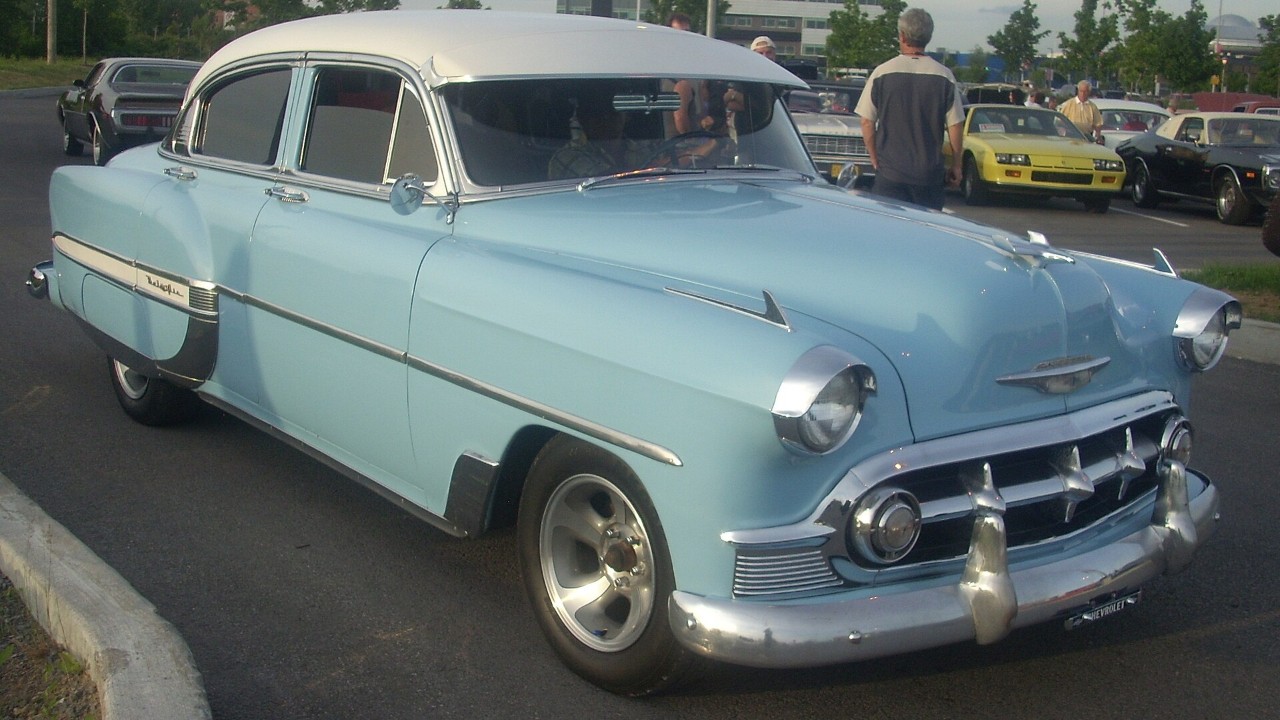
For 1953, the Bel Air name moved from a single hardtop to a full trim level across several body styles. Power came from the 235-cubic-inch six. According to Collector Car Market Review, the standard version made 108 horsepower. Cars with the two-speed Powerglide automatic got a higher-compression version rated at 115 horsepower.
The same guide is blunt about values. It says Powerglide is reliable, but its premium in today’s collector market is negligible. It also notes that sedans are much less expensive than hardtops and convertibles. Its 2019 update put a #3-condition sedan at $6,000 to $7,000.
Our take: a 1953 Powerglide sedan is a pleasant, durable old car. However, a full restoration means paint, chrome, upholstery and a drivetrain rebuild, and that bill would dwarf the value of the finished sedan. Collector Car Market Review also lists the floor pans, trunk area and spare tire well as places to check for rust. Buyer advice: buy the best original or older-restored sedan you can find, and enjoy it as it is.
2. 1954 Chevrolet Bel Air four-door sedan

The 1954 Bel Air got a revised grille and taillights, plus a few engine updates. The six gained insert bearings and full-flow oil filtration. Collector Car Market Review rates the base engine at 115 horsepower and the Powerglide version at 125. For the first time, Chevrolet also offered power windows, power seats and power brakes.
Of course, those options make a 1954 sedan more interesting. Even so, the guide says values for these cars “will always remain far behind the 1955 to 1957 models.” It also notes that owners have customized many of them with V8s and modern upgrades. Meanwhile, older restorations are aging.
In our view, the four-door body is the problem. It’s the least wanted style of a model year already overshadowed by the cars that followed. You’d spend about as much on bodywork and trim as you would on a hardtop, for a much lower finished value. Buyer advice: if you want a 1954, look for a sedan with factory power options that already works. Then spend the money you save on a sympathetic refresh rather than a frame-off job.
3. 1959 Chevrolet Bel Air Sport Sedan
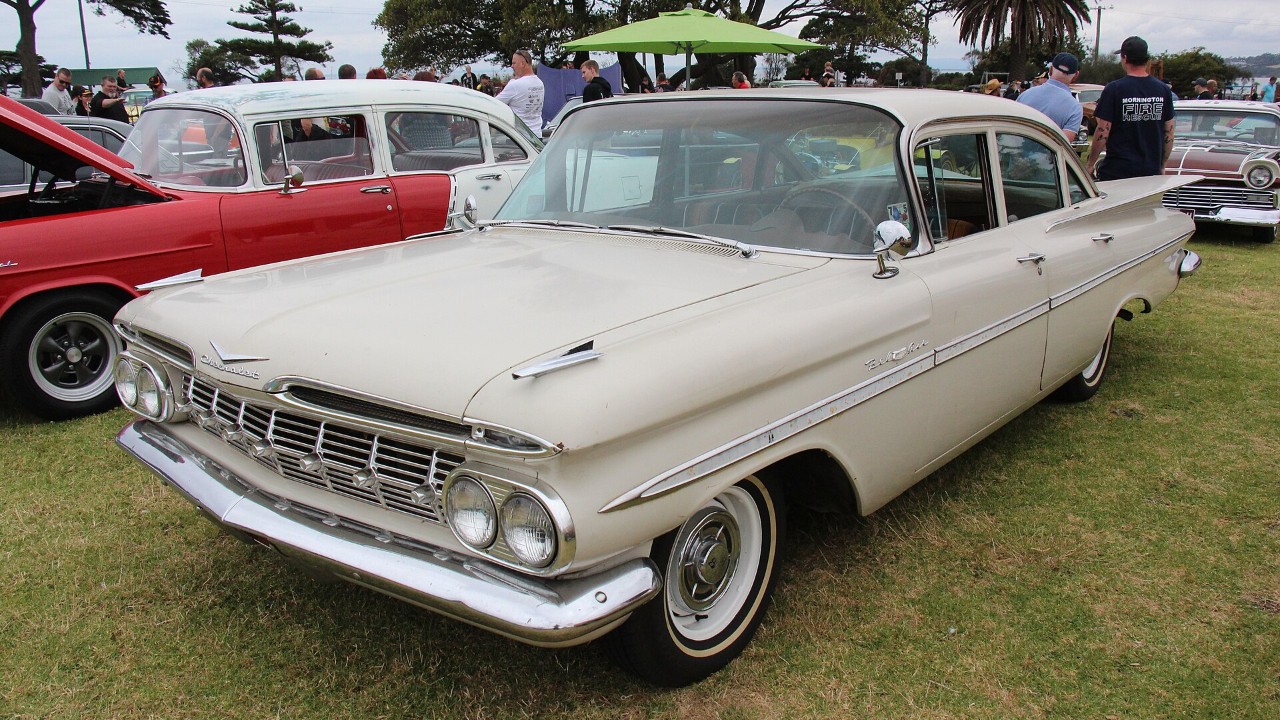
In 1959, the Bel Air dropped to the middle of Chevrolet’s range, below the new Impala and above the Biscayne. The car was longer and wider, on a 119-inch wheelbase, and it wore the famous batwing fins. The Sport Sedan was the pillarless four-door hardtop. According to OldRide’s specification table, it listed at $2,556 with the six and $2,674 with a V8.
That made it the dressiest Bel Air sedan, yet it was hardly rare. In fact, it was one of five Bel Air body styles that year. OldRide puts Bel Air production at about 447,000 cars for 1959. The Impala outsold it by about 20,000 cars, and in our view the Impala is the 1959 Chevrolet most buyers want.
Our take: the 1959 styling is wonderful, but a Bel Air Sport Sedan carries the same batwing body as an Impala without the name collectors chase. A pillarless four-door also has lots of brightwork and glass to source. Buyer advice: if the Sport Sedan’s shape is what you love, buy one that’s already sorted. Leave the rough projects for parts.
4. 1960 Chevrolet Bel Air two-door sedan
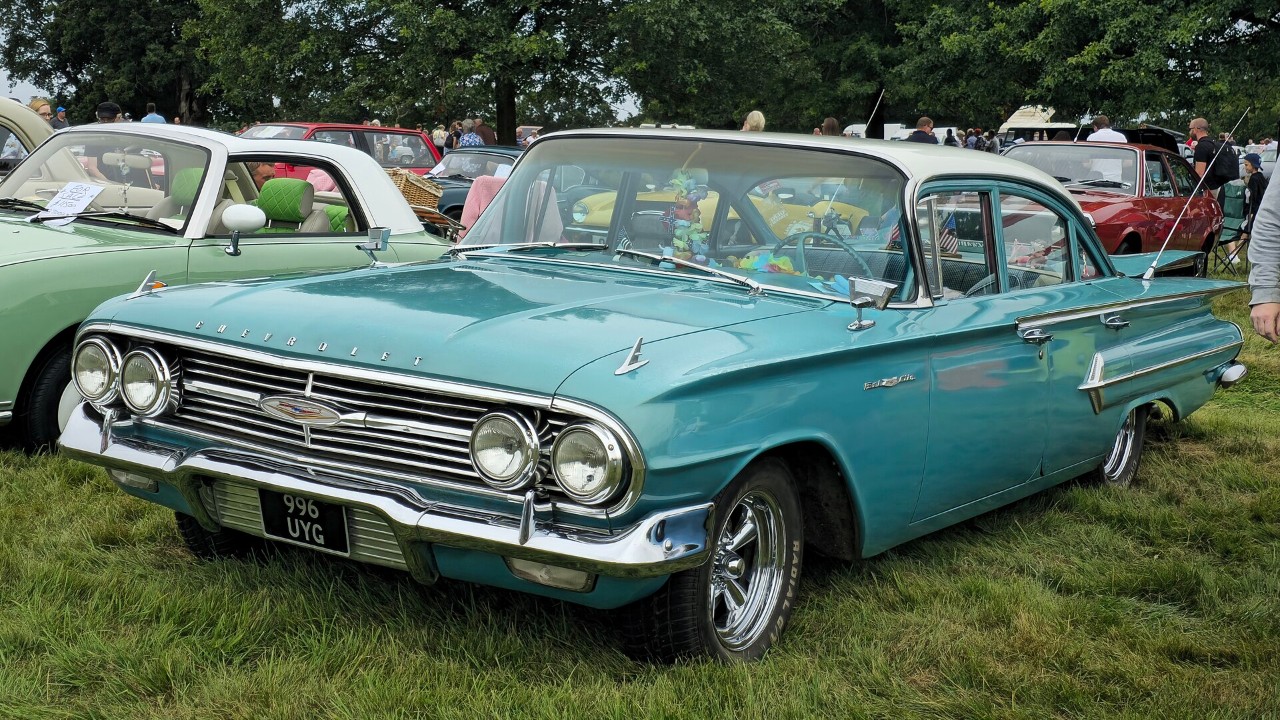
The 1960 full-size Chevrolet calmed the 1959 look down, with smoother, more conservative lines. The two-door sedan was the plainest Bel Air body. OldRide’s 1960 table lists it at $2,384 with the six and $2,491 with a V8. It was also the lightest car in the series, at 3,490 pounds with the six.
For 1960, Chevrolet also kept convertibles for the Impala only. So the Bel Air line had no open car to lift its image. A pillared two-door sedan was the budget way into a full-size Chevy that year.
In our view, that’s exactly why a full restoration doesn’t make sense. You’d pay full-size restoration labor rates, and you’d end up with a car the market treats as a budget model. Hagerty’s guidance applies here: you’re unlikely to see that money again. Buyer advice: the two-door sedan makes a fine driver or a light custom, so buy a solid one and drive it. If you want a show car, start with a hardtop instead.
5. 1961 Chevrolet Bel Air Sport Coupe
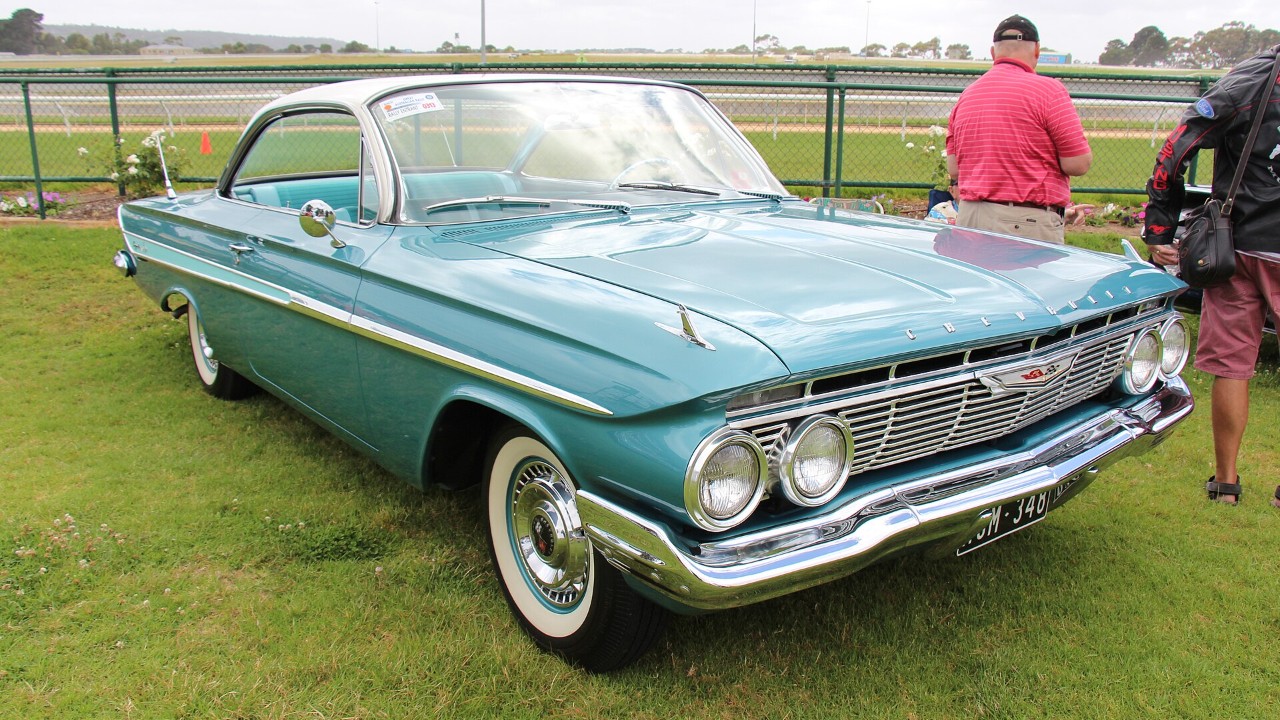
The 1961 Chevrolets got new, trimmer bodies, and the two-door hardtops wore what fans call the bubble top. According to Old Cars Weekly, thin pillars and a bubble-like rear window gave these cars a large glass area. The magazine calls the bubble tops among the most desired by Chevy enthusiasts.
The catch is the badge. Old Cars Weekly says the new 409 V8 of 1961 was a very limited-production engine offered in Impala SS models. The Super Sport package itself was an Impala option. According to Over Drive, Chevrolet built just 453 Impala Super Sports that year. A 1961 Bel Air, by contrast, came with a six or a 283 or 348 V8.
Our take: a Bel Air bubble top is a handsome car, but it can never be the factory SS or 409 car that tops the market. A full restoration costs the same either way. Buyer advice: buy a finished Bel Air Sport Coupe for the look, and check the large glass and thin pillars for damage, because that glass is the car’s whole look.
6. 1962 Chevrolet Bel Air Bubbletop
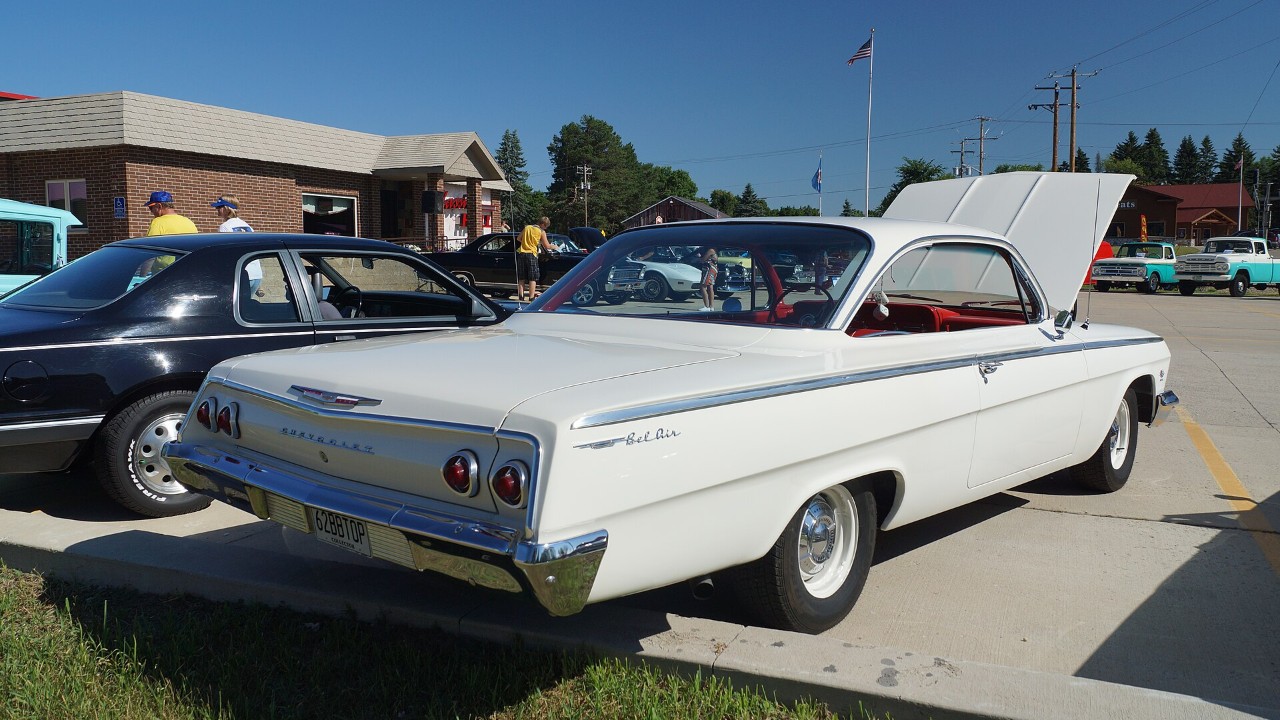
For 1962, the Impala coupe got a new roof styled like a convertible top. Meanwhile, the Bel Air kept the bubble top of 1961, which made it the last of its kind. GM’s own Heritage Center lists its 1962 Bel Air at a $3,152 price. That car has the optional 409 V8 rated at 409 horsepower.
The 409 is where the value lives. RM Sotheby’s sold a concours-restored 1962 Bel Air 409 Bubbletop with a four-speed for $78,100 at Auburn in 2015. Yet Chevrolet built 1.4 million full-size cars that year, and the 409 was an option, not the norm.
In our view, a restoration only pays when the car is a documented 409. By comparison, a six-cylinder or 283 bubble top costs nearly as much to restore and won’t come close to that sale. That gap is the whole argument. Buyer advice: if you want the look, buy a finished car. If someone sells you a 409 project, demand proof of the original engine before you pay a 409 price.
7. 1965 Chevrolet Bel Air four-door sedan
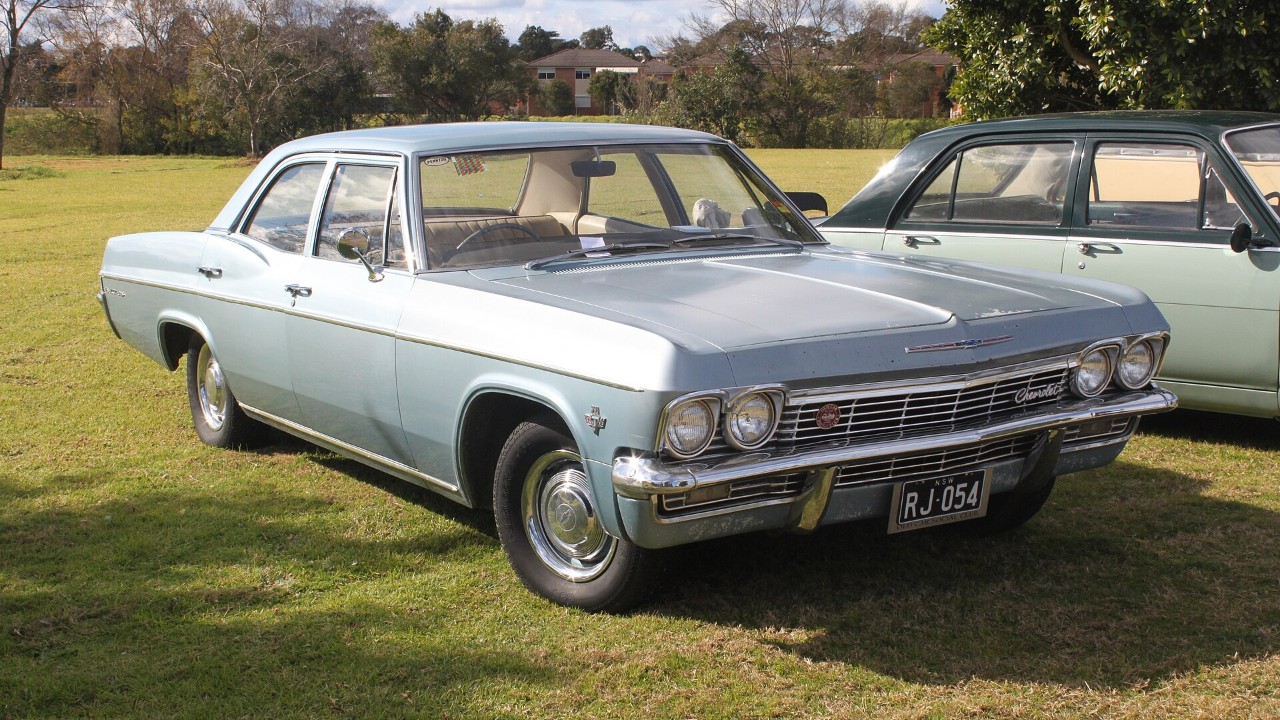
Chevrolet completely restyled its full-size cars for 1965 and stretched them to 213.3 inches long. The standard V8 was a 283 rated at 195 horsepower. Bel Air trim added stainless belt and rocker moldings, a step above the Biscayne.
These cars have a known list of problems. According to Retro Rides, buyers should check door skins, quarter panels and the trunk floor for rust. The site also flags oil leaks around the heads and rear main seal, a Powerglide reluctant to downshift and worn rear springs. It adds that common North American versions aren’t especially valuable, because GM built so many.
Our take: the 1965 four-door is a comfortable, roomy cruiser and a great way into the hobby. It’s just not a restoration candidate, because rust repair on a body this big adds up fast at Hagerty’s labor rates. For more on why GM’s big cars sold so well, see how the 1964 Impala became America’s best seller. Buyer advice: pay extra for a rust-free car from a dry state rather than buying a cheap project.
8. 1966 Chevrolet Bel Air station wagon
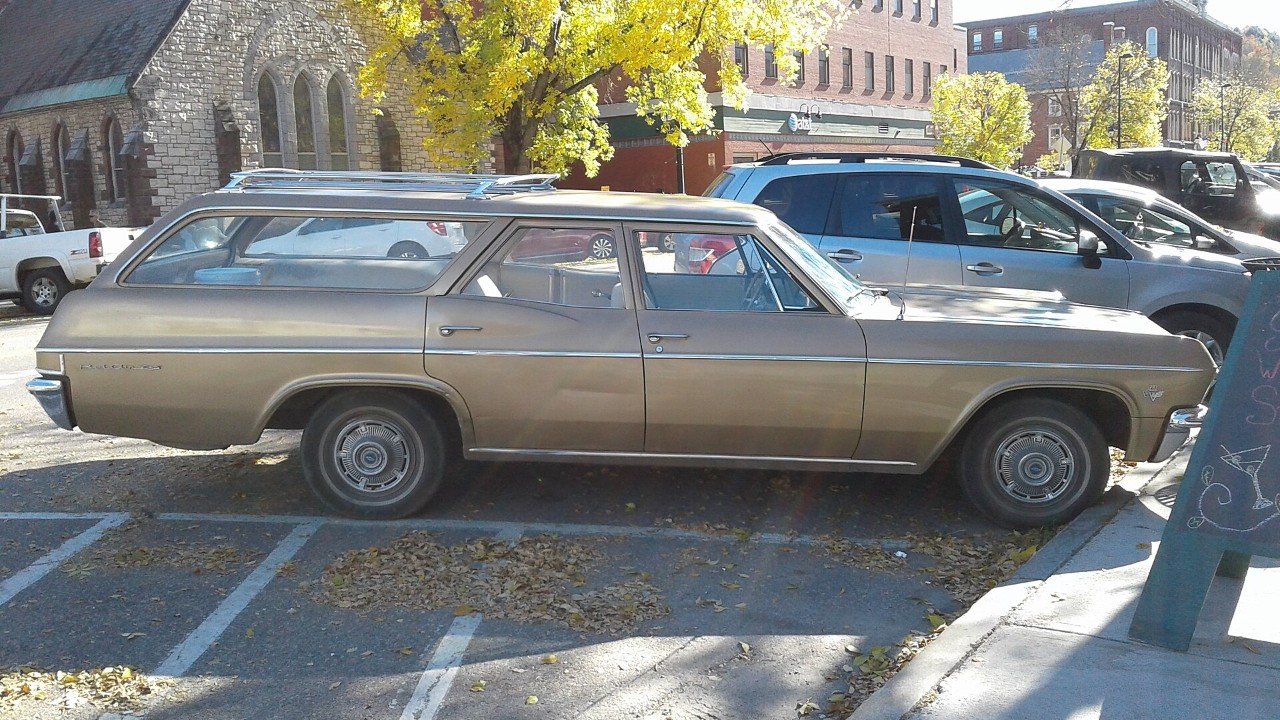
The 1966 full-size Chevrolet got dual rectangular taillamps in place of the round ones. A new 250-cubic-inch six, rated at 155 horsepower, became the standard engine. At the other end of the range, the big 427 V8 arrived with up to 425 horsepower.
Meanwhile, the Bel Air wagon was the family workhorse. It carried the same rust risks Retro Rides lists for these years: door skins, quarter panels and the floor at the back. On a wagon, those quarter panels are huge. Retro Rides also warns about worn rear springs letting the underbody touch the road over bumps, and wagons were built to carry loads.
In our view, a Bel Air wagon is a fun, practical classic, and nostalgia for these cars is real. However, the big rear body and long roof make bodywork and paint costly. A six-cylinder Bel Air wagon also lacks the Caprice or Impala trim that buyers chase. Buyer advice: find a wagon with straight, rust-free quarters and new rear springs, and plan to spend on comfort upgrades, not a show finish.
9. 1968 Chevrolet Bel Air 307 sedan
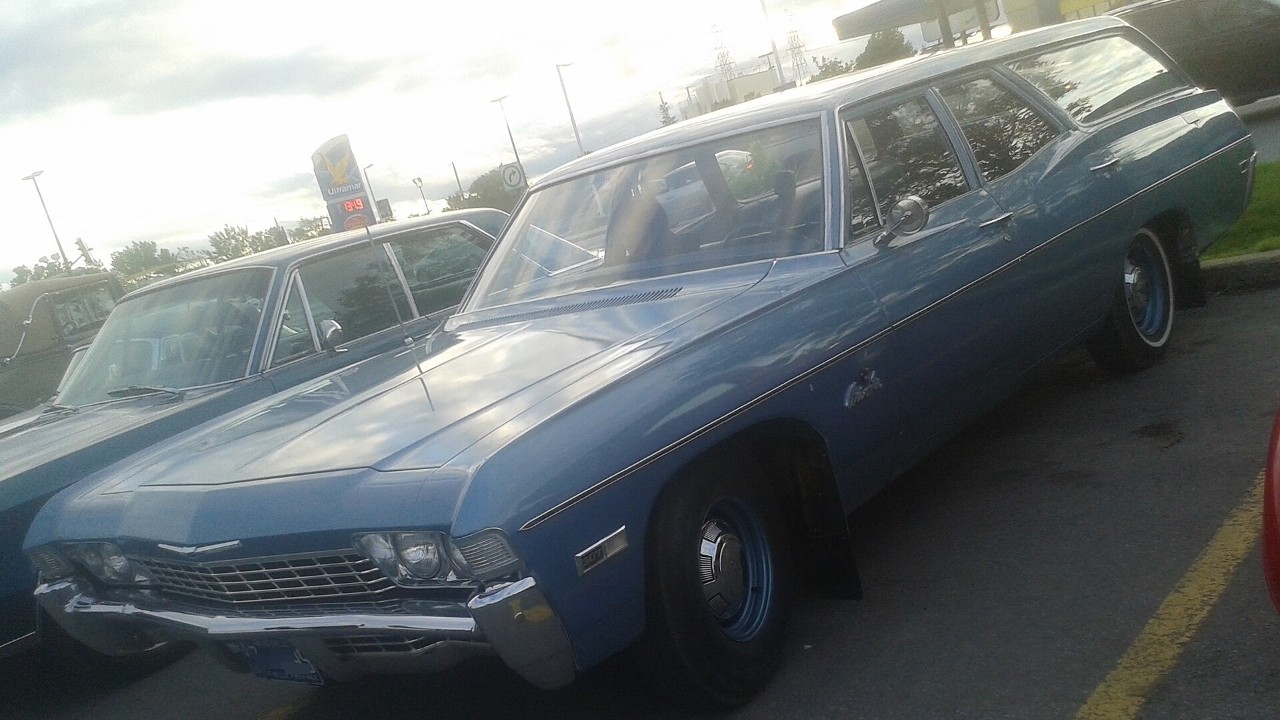
For 1968, Chevrolet added new safety equipment to meet U.S. rules, including shoulder belts and side marker lights. A 307-cubic-inch V8 rated at 200 horsepower became the standard V8. Frankly, it was a modest engine for a car this large.
Retro Rides’ warnings apply here too, from rust in the trunk floor to leaks at the rear main seal. In addition, the site notes that some owners have swapped in later transmissions with more gears. So if originality matters to you, check which transmission the car has now.
Our take: a 307 Bel Air sedan sits near the bottom of the late-1960s full-size Chevrolet market. It’s the right car for someone who wants an affordable cruiser with period charm. It’s the wrong car to strip to bare metal, because the finished value won’t cover the work. Buyer advice: if you buy one, budget for the rust checks and a reseal, and skip any car that needs floors and quarters together.
10. 1970 Chevrolet Bel Air four-door sedan
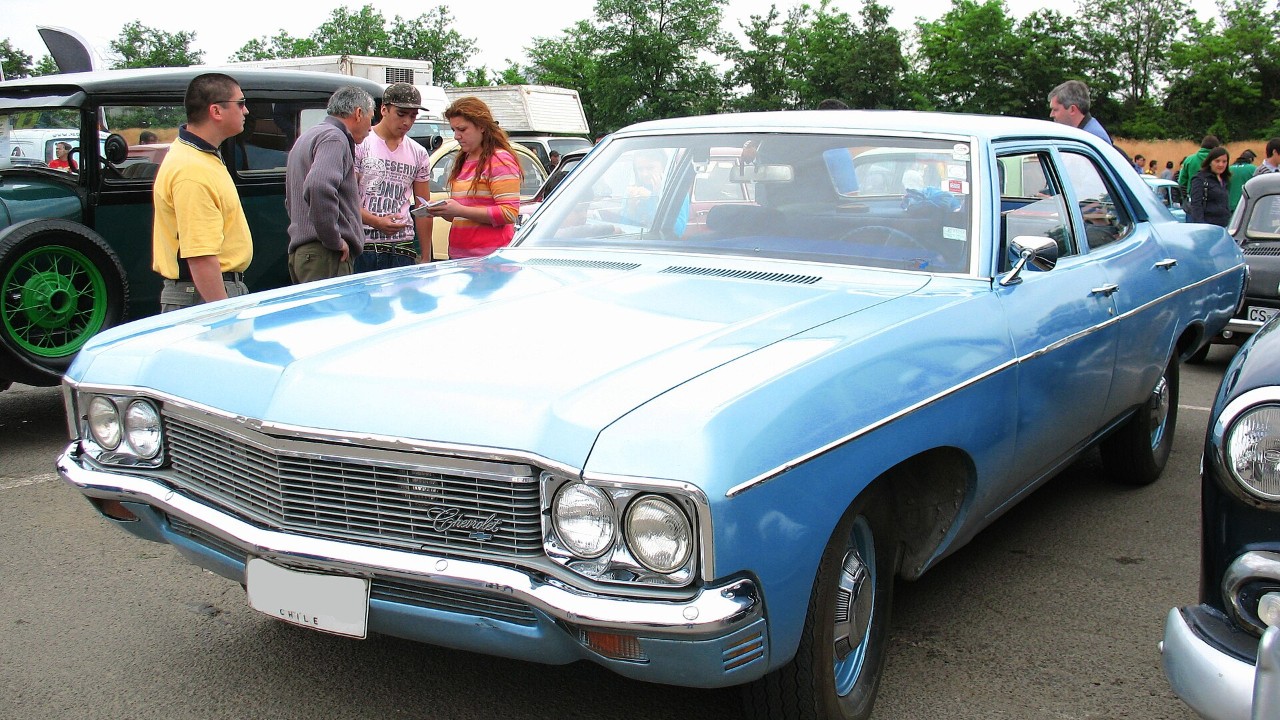
By 1970, the Bel Air had shrunk to a single model in the U.S.: a four-door sedan. The hardtop coupe lived on only in Canada, where Hagerty notes GM sold it from 1970. In America, the Impala and Caprice had pushed the Bel Air down the lineup.
As a result, the U.S. 1970 Bel Air was a plain, pillared four-door with modest trim. Chevrolet aimed it at buyers who wanted a full-size Chevy at a lower price. In our view, that’s not a combination collectors tend to chase.
In our view, the restoration math is simple. The labor rates Hagerty cites don’t change with the trim level, but the finished value does. A plain 1970 sedan is a car to keep running, not to rebuild from the frame up. Buyer advice: look for a one-owner car with records and an intact interior, because an intact original interior saves you the most money. Then drive it and enjoy the attention a survivor gets.
11. 1972 Chevrolet Bel Air sedan
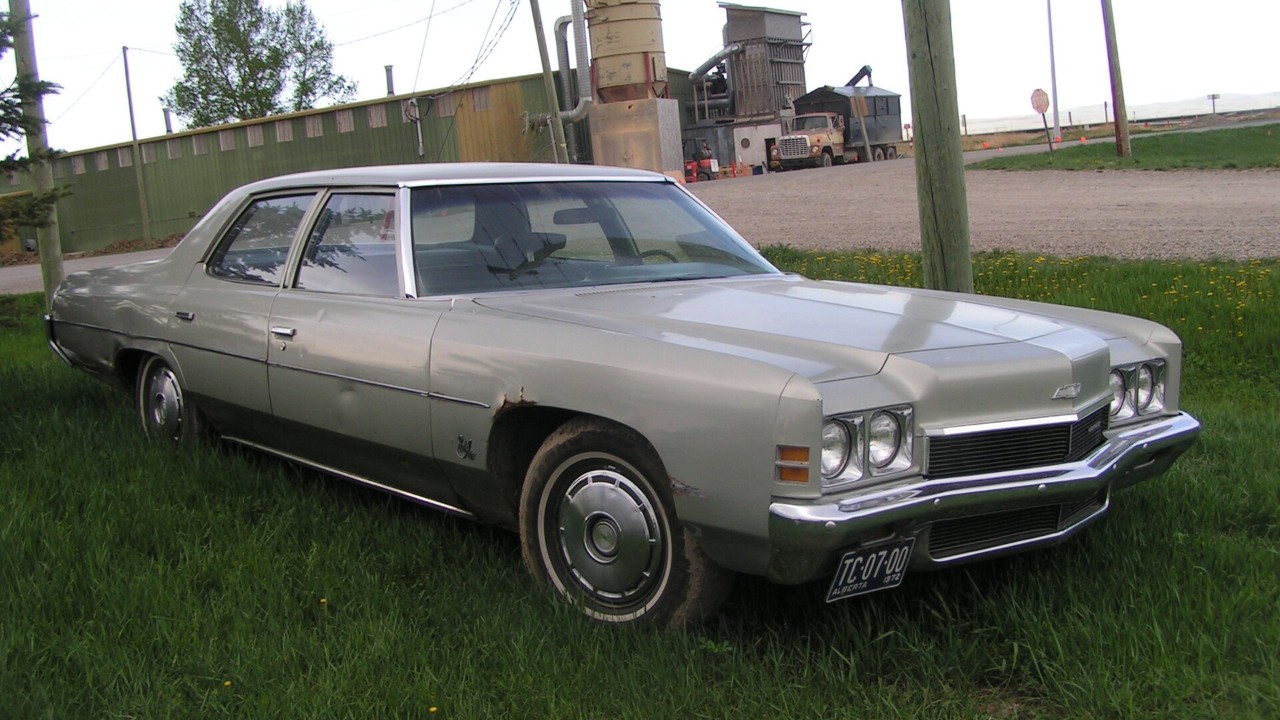
The year 1972 was the end of the Biscayne. After that, the Bel Air became the base full-size Chevrolet. All 1972 models also shared triple taillights. According to Curbside Classic, Chevrolet gave the Bel Air “only minute recognition” in its own factory brochures by the mid-1970s.
That tells you how the company saw it, even while it kept selling the car. These were the budget versions of very large cars, sold mainly on price. The same Curbside Classic history notes that wagon wheelbases grew to 125 inches in this generation.
Our take: a 1972 Bel Air is a big, honest car, but restoring one means doing a lot of work on a lot of car. For the same effort, a Caprice or Impala from the same years gives you more trim, more options and more interest from buyers. Buyer advice: if a 1972 Bel Air comes with low miles and a clean body, buy it as a survivor. Pass on one that needs paint, chrome and an interior at the same time.
12. 1975 Chevrolet Bel Air sedan
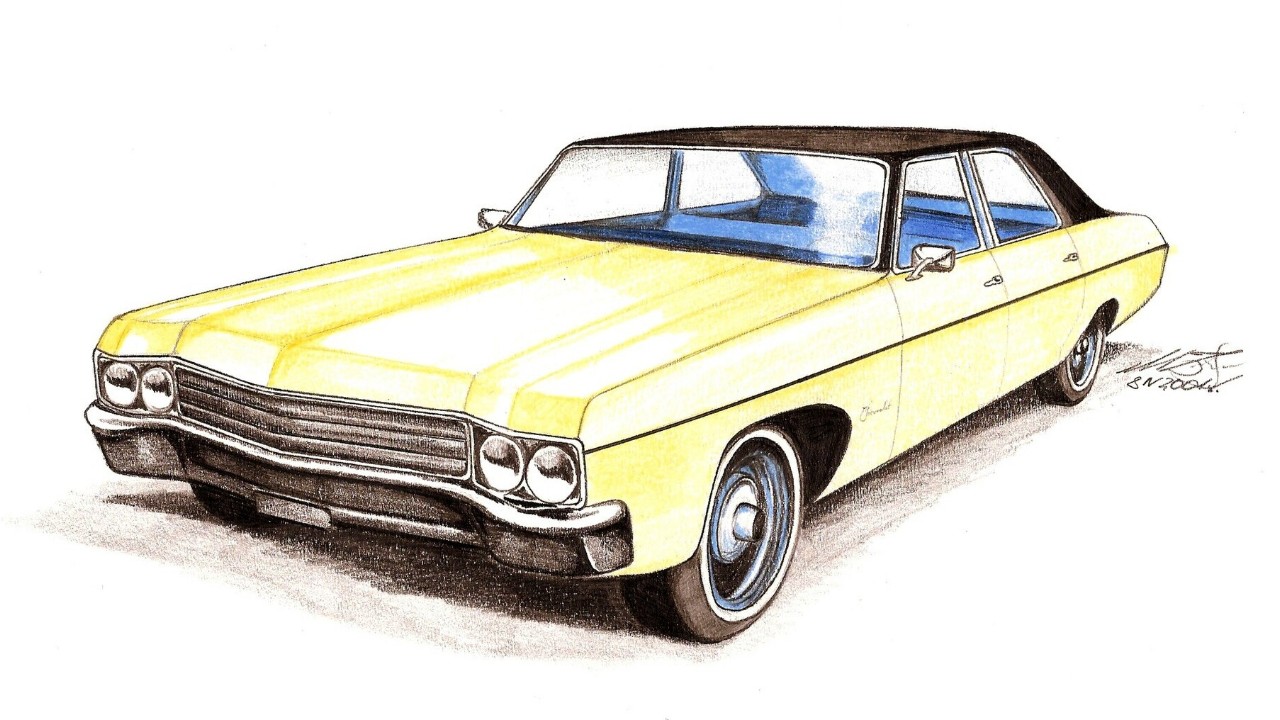
The year 1975 was the last for the Bel Air in the U.S. By then, it came only as a pillared four-door sedan and as six- and nine-passenger wagons. Curbside Classic counts just over 13,000 Bel Air sedans for 1975. That was about 4.4% of full-size Chevrolet sedan production.
Low production usually means value, but not here. The Bel Air was the stripped full-size car, and Curbside Classic notes Chevrolet built more than 8,300 Caprice convertibles that same year. North of the border, the Bel Air name carried on, as Hagerty explains in its look at the Canadian cars.
In our view, a 1975 Bel Air sedan is a curiosity, not a restoration project. If you have one in good shape, keep it original, because that’s where its interest lies. Buyer advice: don’t pay a premium for “last year” status. Instead, buy the cleanest, most complete car you can find. The name itself lasted until 1981 in Canada, where GM sold it as the base full-size Chevrolet.
More from Fast Lane Only