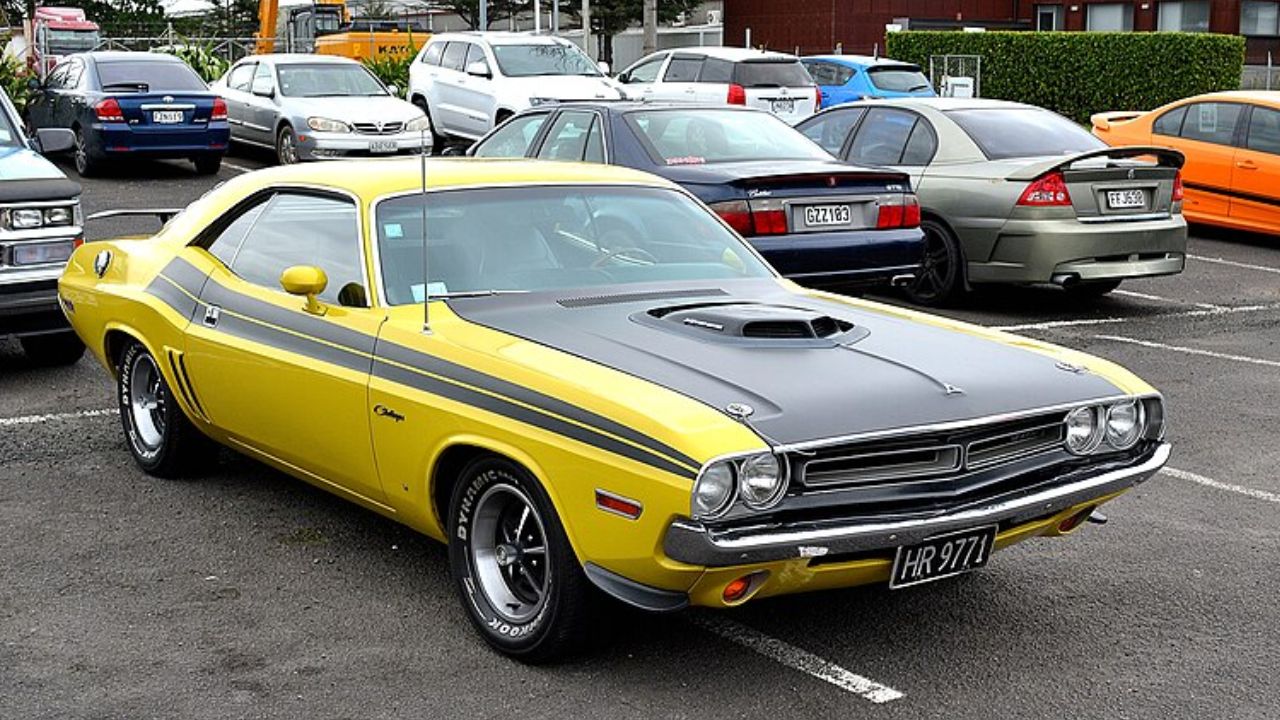
From the photos, it was the kind of car that makes you forget you’re an adult with responsibilities. A 1971 Dodge Challenger, glossy paint, straight body lines, and an interior that looked like it time-traveled from a showroom floor. The listing promised a “turn-key classic,” and the seller’s messages sounded confident, almost casual—like this thing was ready to cruise home without a second thought.
And to be fair, the first impression delivered. Parked in the driveway, it looked dialed in: clean chrome, tidy engine bay, and not a drip on the pavement. The buyer says it was the kind of “perfect” that makes your brain stop asking questions.
The sale felt like a win
The deal came together fast, which is usually either a good sign or the plot of a lesson you didn’t ask for. A quick walkaround didn’t reveal anything scary—no obvious rust bubbles, no mismatched panels, no funky smells inside. The engine started promptly, idled nicely, and the exhaust had that deep, confident rumble people pay extra for.
Everything about it suggested a well-loved restoration or a very careful refresh. The seller said it had been “sorted,” that it tracked straight, stayed cool, and didn’t need anything besides gas and attention from strangers at stoplights. The buyer believed it, signed the paperwork, and took the keys with the kind of grin that’s hard to hide.
Then the first drive started talking back
The first few minutes felt like a victory lap. The Challenger rolled out smoothly enough, and the steering felt heavy in that old-school way that makes you feel like you’re piloting something real. But once it got up to speed, the mood shifted.
A vibration crept in through the wheel and the seat—subtle at first, then unmistakable. The buyer says it wasn’t the charming “classic car character” people joke about. It felt like something was off balance, or loose, or both, and the faster it went the more the whole car seemed to complain.
The warning signs didn’t wait long
Not far into the drive, braking brought a new surprise. The pedal feel was inconsistent, and there was a pull to one side that made every stop feel like a little argument. It wasn’t dramatic enough to cause an immediate panic, but it was the kind of issue that makes you start mapping out the nearest safe place to pull over.
Then came the smell—hot, sharp, and not the fun “old car” scent. The buyer described it as a mix of overheated brakes and something electrical cooking just slightly. That’s the sort of smell that doesn’t ask permission before it ruins your day.
“Perfect” paint can hide a lot
Once the car was back in a driveway and the adrenaline wore off, the inspection got more serious. That flawless shine suddenly looked less like a badge of quality and more like an excellent distraction. The buyer started noticing details that didn’t show up in the listing photos: uneven gaps, overspray in places it shouldn’t be, and rubber seals that looked newer than the parts around them.
None of that proves a disaster by itself. Plenty of classics wear fresh paint and mixed-condition trim. But combined with the way it drove, the cosmetics started to feel like a cover charge to get into a problem you didn’t order.
The mechanical reality check
A closer look underneath told the louder story. The buyer says there were signs of quick fixes: fresh undercoating in suspicious patches, hardware that didn’t match, and components that looked recently swapped without the surrounding systems being properly addressed. Think “new parts installed” rather than “new parts integrated.”
The vibration hinted at driveline or wheel issues—possible bent wheels, tired bushings, bad alignment, or a driveshaft problem that only shows itself under load. The braking issues suggested seized calipers, uneven drum adjustment, contaminated pads, or old brake hoses that swell internally. In other words, the kind of stuff that can hide during a short, gentle test but shows up the moment you drive it like a normal person.
How a test drive can fool you
Classic cars are experts at passing the “standing still” exam. They can look incredible, start easily, and idle politely while parked. The trouble is that a lot of serious issues only reveal themselves when the suspension is loaded, the drivetrain warms up, and the brakes have to work more than once.
The buyer says the test drive before purchase was short and cautious, partly because traffic didn’t allow much and partly because it already felt like a done deal. That’s relatable—when you’ve wanted a car like this for years, your brain starts protecting the dream. It’s not that anyone sets out to ignore red flags; it’s that the flags are quieter when the paint is loud.
The gray area: deception or just neglect?
Here’s where it gets messy. Not every bad first drive means the seller ran a scam. Sometimes a car has been sitting, or it was built to look good at shows and only driven around the block, or it was “fixed” by someone who did just enough to sell it.
The buyer’s frustration comes from the gap between the promise and the reality. “Turn-key” implies you can hop in and go. What they got felt more like “turn-wrench,” and not in the fun, weekend-hobby way—more like the “cancel plans, order parts, and start Googling brake line routing” way.
What experienced buyers watch for on muscle cars like this
People who buy and sell older muscle cars all the time tend to focus on the boring stuff first. They check for steering play, uneven tire wear, wetness around seals, and signs the car has been recently detailed underneath to hide leaks. They also pay attention to temperature stability, charging voltage, and whether the car stops straight and predictably.
And they insist on a real drive. Not just a gentle cruise, but a route that includes bumps, a few braking events, and enough speed to reveal vibration or wandering. If the seller won’t allow that, it doesn’t automatically mean something shady is happening—but it does mean you should assume you’re buying a mystery box with a hood scoop.
What happens next for the buyer
The buyer says the plan now is to get a full inspection and start with safety: brakes, tires, steering, and suspension before anything cosmetic. It’s not the romantic start they imagined, but it’s the smart one. A gorgeous classic that can’t stop straight isn’t a weekend toy—it’s a liability.
There’s still affection in the frustration, though. The car is still a 1971 Challenger, still loud, still iconic, still capable of being what the listing promised—just not without some honest work. The buyer put it simply: the car didn’t lie when it was parked; it just finally told the truth once it was driven.
More from Fast Lane Only