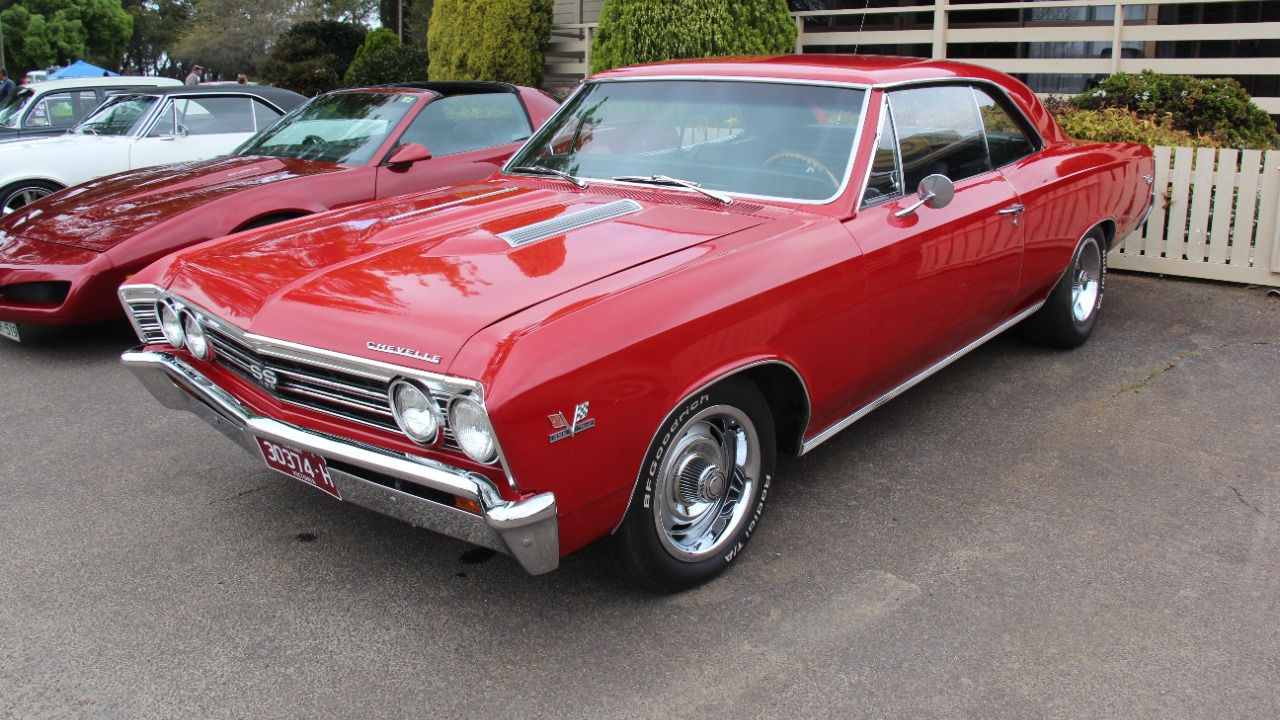
The 1967 Chevy Chevelle SS 396 remains a legendary figure in the muscle car world, celebrated for its performance and style. With its mid-14-second quarter-mile times, it paved the way for future high-powered machines before larger engines began to dominate the market.
The Birth of the Chevelle SS
The Chevrolet Chevelle was first introduced in 1964 as part of the mid-size car segment, aiming to capture the growing market of performance-oriented vehicles. Initially designed as a family car, its evolution into a muscle car began when Chevrolet recognized the demand for more powerful options. By 1966, the Super Sport (SS) trim was introduced, signifying a shift in the brand’s focus. The decision to create the SS trim was a strategic move that not only enhanced Chevrolet’s lineup but also solidified its status in the muscle car arena.
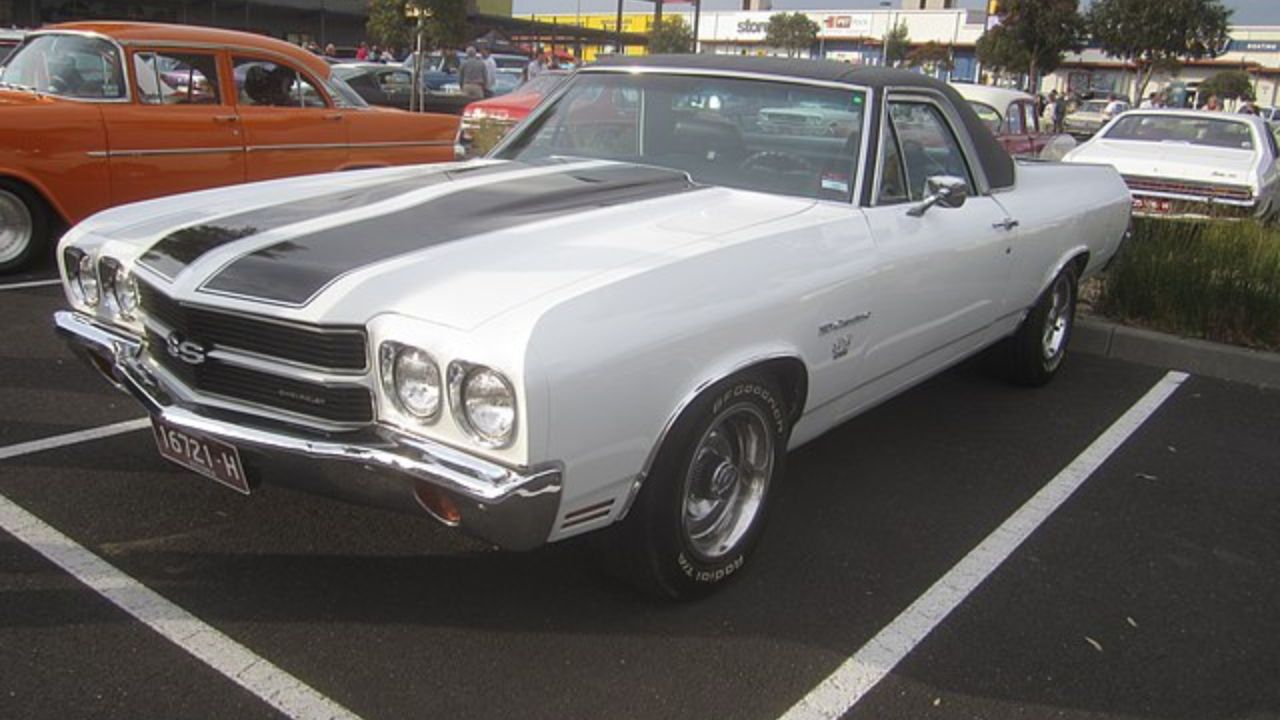
The 1967 Chevelle SS 396 stood out with its distinctive styling, characterized by a bold front grille and aggressive stance. Its body lines were sleek, contributing to an aerodynamic design that was both attractive and functional. Available in various vibrant colors, the SS 396 was not just about performance; it was also about making a statement. The 1967 model year brought key design changes that included a more pronounced hood and a wider rear stance, which further emphasized its sporty appeal.
Engine Specifications and Performance
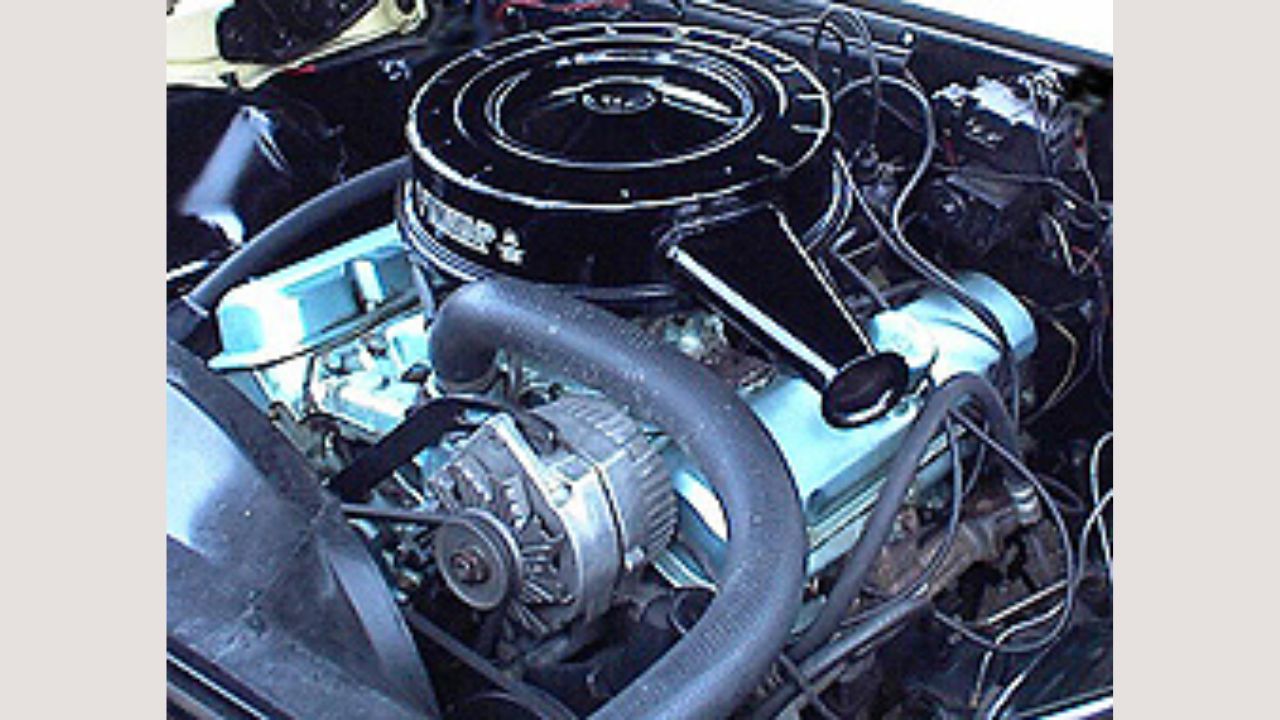
At the heart of the 1967 Chevelle SS 396 was its powerful 396 cubic inch V8 engine, generating an impressive 325 horsepower and 420 lb-ft of torque in its base form. For those seeking even more power, the optional L34 and L78 packages ramped up output to 350 and 375 horsepower, respectively. This V8 was a game-changer for the Chevelle, propelling it to quarter-mile times in the mid-14-second range, a feat that was quite impressive for its time.
Performance metrics were a crucial selling point for the Chevelle SS 396. With a 0-60 mph time of just over 6 seconds, the Chevelle offered competitive acceleration compared to its contemporaries, such as the Pontiac GTO and Ford Mustang. The engine’s robust torque allowed for quick off-the-line starts, making it a favorite among street racers and enthusiasts alike. The combination of horsepower and torque made the Chevelle not just fast but also fun to drive, appealing to a wide range of car buyers.
Testing and Real-World Performance
Testing sessions at Irwindale Raceway revealed the true capabilities of the Chevelle SS 396. Enthusiasts and testers alike noted the car’s impressive handling and acceleration. Many reported that the Chevelle felt planted and secure during high-speed runs, a testament to its well-engineered suspension and chassis design. The car’s balance allowed drivers to navigate corners with confidence, setting it apart from other muscle cars that often prioritized straight-line speed over handling.
Personal anecdotes from drivers who experienced the Chevelle SS 396 highlight its engaging nature. One driver noted that the car’s throttle response was immediate, allowing for thrilling acceleration on demand. When compared to competitors like the Pontiac GTO, the Chevelle provided a unique blend of performance and comfort, making it a versatile option in the muscle car market. The mid-14-second quarter-mile times were not just numbers; they represented a level of performance that helped define an era of American automotive history.
Design and Aesthetic Appeal
The design of the 1967 Chevelle SS 396 was a significant factor in its lasting appeal. The exterior was characterized by flowing body lines that conveyed speed even when the car was at a standstill. The aggressive front end, with its split grille and prominent headlights, gave the Chevelle a commanding presence on the road. Buyers could choose from an array of colors, including the classic Rally Red and Ermine White, which added to its visual allure.
Inside, the Chevelle SS offered a driver-focused cockpit with a dashboard layout that was both functional and stylish. High-back bucket seats provided comfort during long drives, and the available console added a sporty touch. The iconic SS badge on the dashboard served as a constant reminder of the car’s performance pedigree, contributing to its allure among enthusiasts and collectors. The combination of aesthetic appeal and performance made the Chevelle SS 396 a well-rounded vehicle that appealed to a broad audience.
The Market Context of the Late 1960s
The muscle car market in the late 1960s was incredibly competitive, with many manufacturers vying for dominance. Brands like Ford, Dodge, and Pontiac were releasing their own powerful models, each boasting unique features and performance capabilities. The Chevelle SS 396 carved out its niche by offering a combination of style, power, and affordability, making it accessible to a wide demographic of buyers.
As the late 1960s progressed, the trend toward larger engines began to overshadow smaller performance options like the 396. Manufacturers started introducing models with big-block engines, which offered even more horsepower and torque. This shift in market dynamics created a challenge for the Chevelle SS 396, which had to compete against increasingly powerful rivals. Despite this, the Chevelle maintained a loyal following, thanks in part to its balanced performance and classic styling.
Legacy of the 1967 Chevelle SS 396
The influence of the 1967 Chevelle SS 396 extends beyond its production years. It set a benchmark for future muscle cars and high-performance vehicles, inspiring designs and engineering choices that are still relevant today. The Chevelle SS became a symbol of American muscle, representing a time when power and style were paramount in the automotive landscape.
In popular culture, the Chevelle SS 396 has made numerous appearances in films, TV shows, and media, solidifying its status as an icon of the muscle car era. From classic car shows to action movies, the Chevelle’s presence continues to evoke nostalgia and passion among car enthusiasts. As the classic car market experiences a resurgence, the Chevelle SS remains a sought-after model among collectors, further emphasizing its enduring legacy.
Collectibility and Value Today
The 1967 Chevelle SS 396 has become a valuable collectible in today’s classic car market. Prices for well-maintained models can range significantly based on condition, rarity, and documentation. A fully restored SS 396 can command prices well into the six figures, while project cars may be more accessible for enthusiasts looking to invest in a piece of automotive history.
Factors contributing to the collectibility of the 1967 model include its limited production numbers and the ongoing interest in classic muscle cars. With fewer examples available in pristine condition, the demand remains high, particularly among those who appreciate its historical significance. For potential buyers, understanding the importance of provenance, documentation, and condition can help guide their investment decisions.
Owner Experiences and Community Feedback
Owners of the 1967 Chevelle SS 396 often share passionate stories about their experiences with the car. Many highlight the joy of driving and the sense of community that comes with owning such a legendary vehicle. Car clubs dedicated to Chevelle enthusiasts provide opportunities for owners to connect, share knowledge, and participate in events that celebrate their passion for the model.
Common modifications among owners include performance upgrades such as improved exhaust systems, suspension enhancements, and engine tuning to increase horsepower. These upgrades allow enthusiasts to personalize their Chevelle SS while maintaining its classic appeal. Online forums and communities serve as valuable resources for owners seeking advice on restoration and performance enhancements, ensuring that the Chevelle legacy continues to thrive.
The Future of Classic Muscle Cars
As new generations of car enthusiasts emerge, the classic car market is poised for transformation. The enduring appeal of models like the Chevelle SS 396 suggests that interest in traditional muscle cars will continue, even as modern technology and electric vehicles shape the automotive landscape. The nostalgic allure of classic muscle cars, combined with their rich history, will likely keep them relevant among collectors and enthusiasts.
Preserving models like the Chevelle SS 396 is crucial for maintaining the heritage of American automotive history. Organizations dedicated to classic car preservation play a vital role in ensuring that these vehicles are appreciated for generations to come. As the muscle car segment adapts to new trends, the spirit of the Chevelle SS 396 will undoubtedly remain a cherished part of that legacy.
More from Fast Lane Only