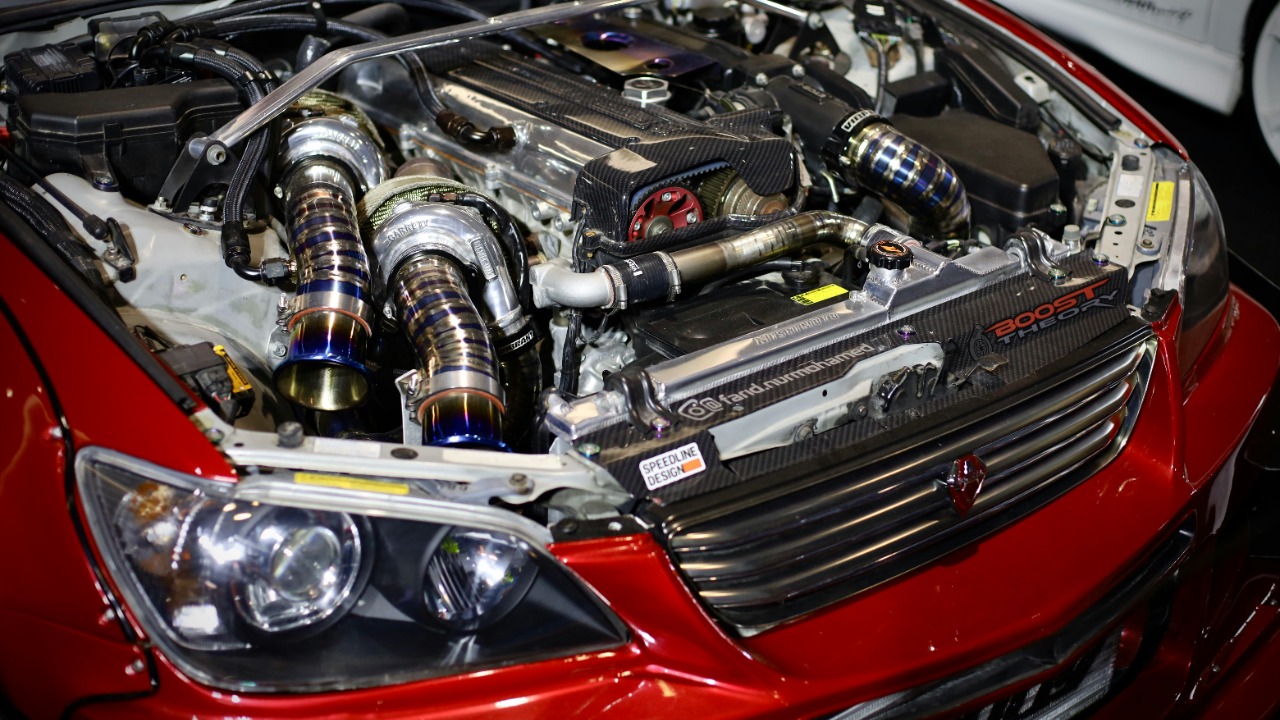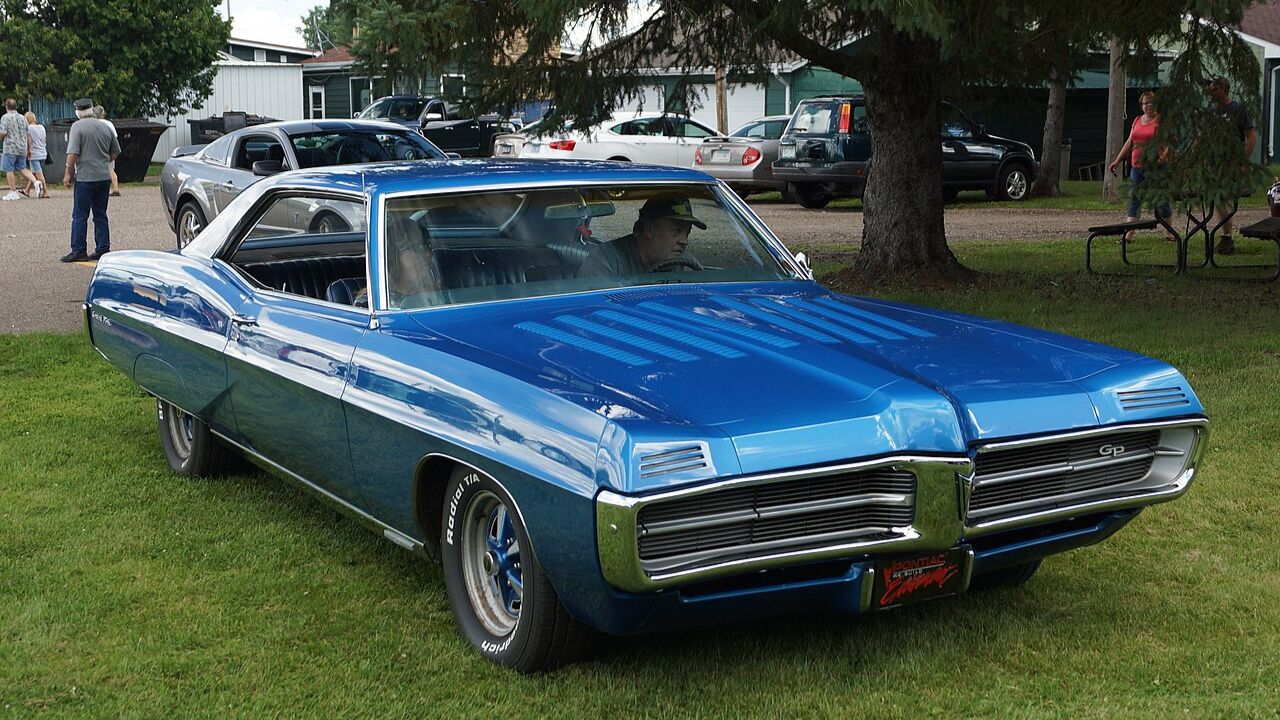
The 1967 Pontiac Grand Prix, powered by a formidable 428 V8 engine, became an icon in the muscle car era by showcasing impressive acceleration, achieving 60 mph in under 7 seconds. This vehicle not only exemplified raw power but also embraced luxury, making it a standout in a competitive market. With its striking design and innovative engineering, the Grand Prix captured the imagination of car enthusiasts and everyday drivers alike, leaving an indelible mark on automotive history.
The Pontiac Grand Prix: A Brief Overview
The Pontiac Grand Prix was first introduced in 1962, but it was the 1967 model that truly cemented its status as a muscle car icon. Positioned as a blend of performance and luxury, the Grand Prix appealed to a demographic that desired both speed and sophistication. The 1967 model marked a significant evolution in the Grand Prix lineage, showcasing a more aggressive stance and updated design elements that set it apart from its predecessors.
Key design features of the 1967 Grand Prix included a long hood, a short rear deck, and a distinctive split grille that became a hallmark of Pontiac’s styling. The car’s sleek lines and low profile contributed to its sporty appearance, while interior enhancements, such as plush seating and high-quality materials, reflected a commitment to luxury. Marketed towards affluent buyers who appreciated performance, the Grand Prix carved out a niche for itself during a time when muscle cars were gaining immense popularity.
The 428 V8 Engine: Power and Performance
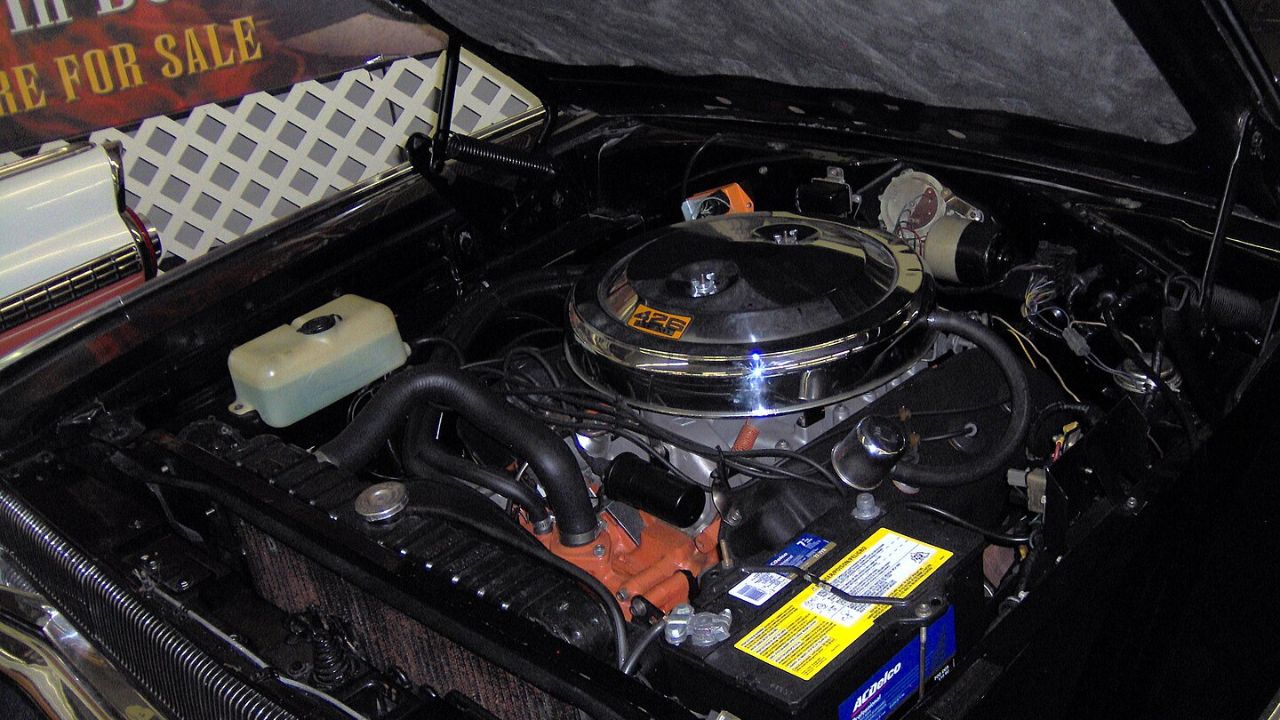
At the heart of the 1967 Pontiac Grand Prix was the robust 428 V8 engine, a powerhouse that produced an impressive 376 horsepower and 472 lb-ft of torque. This engine was part of Pontiac’s famed “Big Block” family and was designed for performance enthusiasts who craved power on demand. The 428 V8 featured a four-barrel carburetor and high-compression design, which allowed it to deliver thrilling acceleration and speed.
Technologically advanced for its time, the 428 V8 incorporated features like the “Quadra-Power” carburetion system, which maximized airflow and fuel delivery for enhanced performance. This innovative design contributed to the Grand Prix’s remarkable capability of going from 0 to 60 mph in under 7 seconds, making it one of the quickest cars of its era. Additionally, the Grand Prix boasted impressive quarter-mile times, often clocking in around 15 seconds, showcasing its drag strip capabilities.
Acceleration and Speed: Breaking Down the Numbers
The Grand Prix’s ability to achieve rapid acceleration can be attributed to several factors, including its powerful engine, lightweight construction, and advanced drivetrain. Pontiac engineers designed the vehicle with a focus on performance, utilizing a sturdy yet lightweight frame that enhanced speed and handling. The car’s rear-wheel-drive layout also contributed to its stability during acceleration, allowing drivers to unleash its power without compromising control.
When comparing the Grand Prix to its contemporaries, such as the Ford Mustang and Chevrolet Camaro, it becomes evident how it distinguished itself in terms of performance. While the Mustang was often seen as a nimble pony car, and the Camaro offered a sporty alternative, the Grand Prix’s combination of power and luxury set it apart. Reaching 60 mph in under 7 seconds was not merely a number—it represented a significant achievement in automotive engineering and performance during the late 1960s, solidifying the Grand Prix’s reputation as a formidable competitor.
Design and Aesthetics: The Look of Luxury and Power
The 1967 Grand Prix is often remembered for its striking design, which perfectly balanced luxury and performance aesthetics. The exterior featured a long, sleek silhouette with pronounced fenders and a bold front grille that exuded confidence. The car’s chrome accents and elegant lines contributed to its upscale appearance, making it a desirable choice for those seeking a stylish muscle car.
Inside, the Grand Prix continued to impress with its luxurious offerings. High-quality upholstery, a spacious cabin, and a range of convenient features made it a comfortable ride for both driver and passengers. Options like power windows, air conditioning, and an upgraded sound system were available, reflecting the Grand Prix’s position as a luxury vehicle. This attention to detail in design and comfort not only appealed to buyers but also played a significant role in its commercial success.
The Cultural Impact of the 1967 Grand Prix
The 1967 Pontiac Grand Prix transcended its role as just a car; it became a cultural icon of the late 1960s. Its appearances in films, television shows, and music videos highlighted its status and desirability. The Grand Prix was often portrayed as a symbol of freedom and rebellion, resonating with the youth of the era who were drawn to the thrill of the open road. Its sleek design and powerful performance made it a favorite among car enthusiasts and a staple in popular culture.
Beyond media appearances, the Grand Prix influenced automotive trends during its time. As muscle cars gained traction, Pontiac’s commitment to combining performance with luxury resonated with consumers, prompting other manufacturers to follow suit. The Grand Prix’s legacy continues to be felt today, as it laid the groundwork for future Pontiac models and established a standard for what muscle cars could achieve, both in terms of speed and style. You can learn more about its cultural significance in sources like Hot Cars.
Collectibility and Market Value Today
Today, the 1967 Pontiac Grand Prix is highly sought after by classic car collectors and enthusiasts. The market for these vehicles has seen a resurgence, with well-preserved models fetching impressive prices at auctions. Factors influencing their value include the car’s condition, originality, and any modifications made over the years. Collectors often seek vehicles with documented histories, low mileage, and matching numbers to maximize their investment.
Notable auction results have demonstrated the Grand Prix’s desirability, with pristine examples commanding prices well into the six-figure range. Restoration projects have also become popular, as enthusiasts work to bring these classic cars back to their former glory. Resources such as Automobile Catalog provide valuable insights into specifications and historical context for those interested in purchasing or restoring a 1967 Grand Prix.
Comparisons with Other Muscle Cars of the Era
In the competitive landscape of 1960s muscle cars, the Pontiac Grand Prix stood out among heavyweights like the Ford Mustang and Chevrolet Camaro. While the Mustang was known for its agility and the Camaro for its fierce performance, the Grand Prix offered a unique combination of luxury and power that appealed to a different segment of the market. Its larger size and upscale features distinguished it from the more compact and performance-focused muscle cars of the day.
When conducting side-by-side performance comparisons, the Grand Prix often matched or exceeded the capabilities of its rivals. With its 428 V8 engine, the Grand Prix provided thrilling acceleration and top speeds that rivaled the best of its competitors. Additionally, its luxury features attracted buyers who were looking for a comfortable ride without sacrificing performance. As a result, the Grand Prix carved out a niche that allowed it to flourish in a crowded market, demonstrating that muscle cars could be both powerful and luxurious.
Future of Classic Pontiac Models
The interest in classic Pontiac models, particularly the Grand Prix, shows no signs of waning. As automotive enthusiasts continue to seek out vintage vehicles for restoration and collection, the Grand Prix remains a popular choice due to its unique blend of performance, design, and cultural significance. The future of classic car collecting appears promising, especially for models like the Grand Prix, which embody the spirit of an era that celebrated horsepower and style.
As the market evolves, resources for enthusiasts looking to purchase or restore a 1967 Grand Prix are becoming more accessible. Online forums, dedicated clubs, and classic car shows provide platforms for enthusiasts to connect and share knowledge. With the ongoing appreciation for classic cars, I anticipate that the Grand Prix will continue to be celebrated not only as a piece of automotive history but also as a beloved symbol of American culture. For further insights into Pontiac’s legacy, you can explore Google Books.
More from Fast Lane Only