The Chevy Silverado has long been a staple in the truck market, known for its rugged performance and reliability. As the automotive industry shifts toward electrification, the next-generation Silverado is poised to embrace electric technology while retaining the core essence that has made it a beloved choice among truck enthusiasts.
The Evolution of the Silverado
Since its debut in 1998, the Chevy Silverado has established itself as a formidable player in the truck market. Initially launched as a replacement for the C/K series, the Silverado quickly gained popularity due to its robust engine options, spacious interiors, and versatile design. Over the years, it has undergone significant transformations, adapting to changing consumer preferences and advances in automotive technology. Key milestones include the introduction of the first Silverado Hybrid in 2004, which marked Chevy’s initial foray into fuel-efficient technologies, and the 2019 model’s complete redesign that showcased a lighter frame and upgraded technology.
Consumer preferences have profoundly shaped the Silverado’s development. As the demand for trucks that can serve both work and family needs increased, Chevy responded with features like increased cabin comfort, advanced infotainment systems, and enhanced towing capabilities. The success of the Silverado is not merely due to its performance but also its ability to resonate with the lifestyle of its drivers, making it a perennial favorite in the competitive full-size truck segment.
Transitioning to Electric: What to Expect
Chevy’s plans for an electric Silverado are ambitious and indicative of the broader shift in the automotive landscape. Expected to debut in 2023, the electric Silverado will utilize GM’s Ultium battery technology, which promises impressive specifications. Early reports suggest that the electric version could offer a range exceeding 400 miles on a single charge, positioning it competitively against other electric trucks like the Ford F-150 Lightning, which boasts a range of up to 300 miles, and the Rivian R1T, offering a range of approximately 314 miles.
Charging capabilities are another crucial aspect of the electric Silverado. Chevy aims to provide fast-charging options, allowing owners to recharge substantial battery capacity in under 30 minutes at public charging stations. Performance metrics are also expected to impress, with estimates indicating a 0-60 mph acceleration in under four seconds, rivaling traditional gasoline-powered trucks. As electric trucks continue to gain traction in the market, the Silverado’s performance will be a critical factor in attracting both loyal Chevrolet fans and new customers.
Retaining the Silverado Soul: Balancing Tradition and Innovation
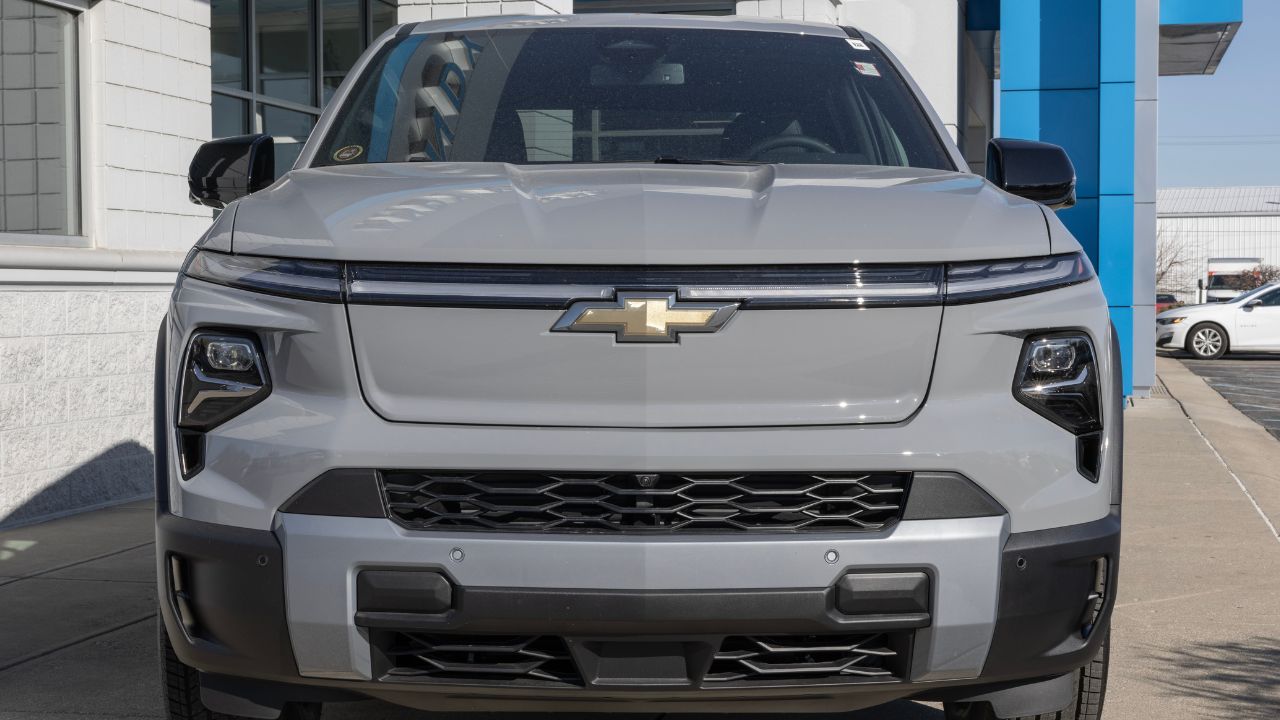
One of the most significant challenges for Chevy will be retaining the Silverado’s identity while transitioning to an electric model. Designers are committed to maintaining the rugged aesthetic that truck enthusiasts have come to love, which includes recognizable features like the bold front grille and muscular stance. While the electric Silverado will incorporate modern design elements, it will still reflect the traditional Silverado DNA that has defined its predecessors.
Functionality and utility are also key considerations. Chevy plans to ensure that the electric Silverado retains its hallmark capabilities, such as towing and hauling. The inclusion of innovative features, such as an adjustable air suspension and advanced towing technologies, will help maintain the Silverado’s reputation as a workhorse. Insights from Chevy designers and engineers emphasize a collaborative approach, ensuring that both traditionalists and innovators have a voice in the development process, ultimately preserving the Silverado’s soul in an electrified future.
Sustainability and Environmental Impact
Chevy’s commitment to sustainability is a cornerstone of the electric Silverado initiative. The production process is being redesigned to minimize environmental impact, with a focus on using recycled materials and sustainable manufacturing practices. The shift to electric technology offers significant environmental benefits, not only in reducing greenhouse gas emissions but also in promoting cleaner air quality in urban areas. Electric trucks like the Silverado can play a vital role in reducing the carbon footprint associated with transportation.
Compared to traditional gasoline models, electric trucks produce zero tailpipe emissions, which is a significant step toward a more sustainable future. Chevy’s electric Silverado is positioned not just as a vehicle but as part of a broader strategy to promote electrification across its lineup. This commitment aligns with GM’s vision of an all-electric future, where sustainability and performance go hand in hand, creating a compelling narrative for environmentally-conscious consumers.
Market Reception and Future Implications
As the electric Silverado approaches its launch, early previews and prototypes have generated considerable excitement among consumers and industry experts alike. Anticipated reactions seem largely positive, with many expressing eagerness to see how Chevy balances its storied history with innovative electric technology. Feedback from truck enthusiasts has highlighted the importance of performance and utility, with many hopeful that the electric Silverado will deliver on these fronts.
The impact of the electric Silverado on the competitive landscape cannot be underestimated. As more manufacturers enter the electric truck market, including Rivian and Ford, the Silverado’s success will be crucial for Chevy to maintain its position as a leader in the segment. Future trends indicate a growing acceptance of electric vehicles, which will likely influence consumer preferences and purchasing decisions. Chevy’s ability to adapt and innovate with the electric Silverado will set the tone for its future in an increasingly electrified market.
More From Fast Lane: