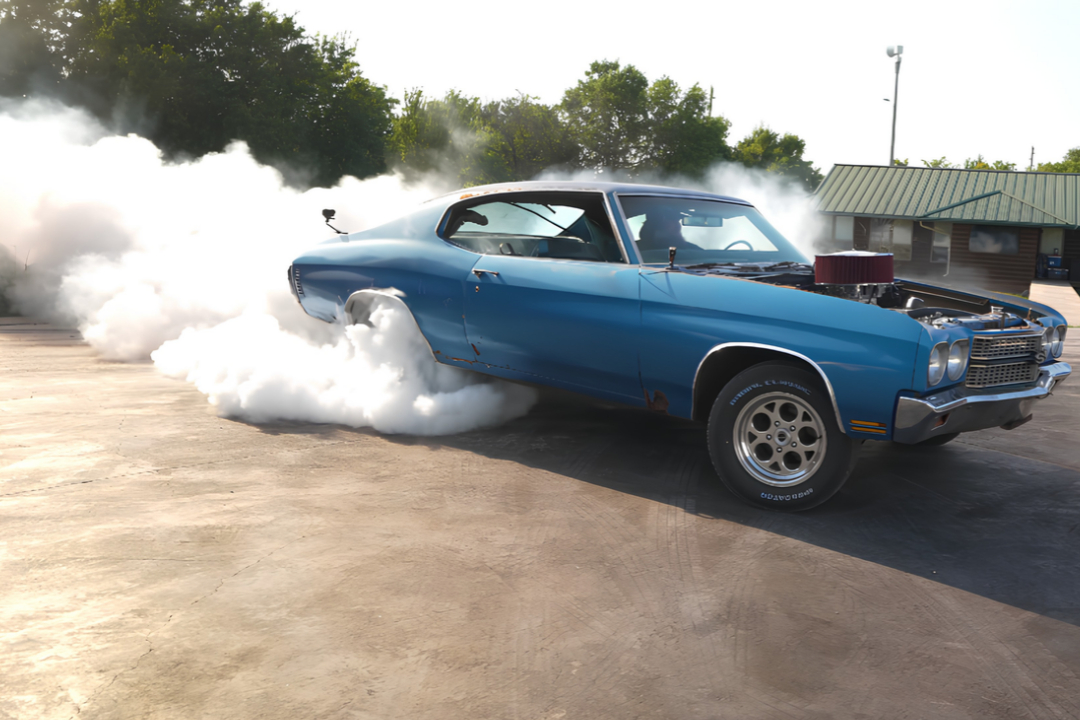
The Ford Mustang has always been synonymous with American muscle, but the upcoming Mustang GTD promises to push the boundaries of performance and engineering like never before. With advanced technology and a focus on track-ready capabilities, the GTD is setting the stage to become Ford’s wildest car yet.
Evolution of the Mustang Legacy
The Ford Mustang debuted in 1964, instantly capturing the hearts of automotive enthusiasts and solidifying its place in American culture. Known for its distinctive design and powerful performance, it became a symbol of freedom and rebellion during the era of muscle cars. Over the years, the Mustang has undergone numerous transformations, adapting to changing consumer demands while maintaining its core identity as a performance vehicle.
Key milestones in the Mustang’s history, such as the introduction of the GT350 in the 1960s and the powerful SVT Cobra in the 1990s, have paved the way for the latest iteration, the GTD. Each performance model has built upon the last, showcasing Ford’s commitment to innovation and enhancement. The GTD is set to take this legacy to new heights, integrating modern technology with the raw power and spirit that have defined the Mustang for decades.
Performance Enhancements
The Mustang GTD is expected to feature cutting-edge engine technology that could redefine the performance standards for muscle cars. Early reports suggest a twin-turbocharged V8 engine that could deliver over 800 horsepower, significantly elevating the Mustang’s performance metrics. This power will not only enhance acceleration but also improve overall driving dynamics, making the GTD a formidable contender on both the road and the racetrack.
Aerodynamics play a crucial role in the GTD’s design, with enhancements aimed at reducing drag and increasing downforce. Features like active aerodynamics—adjustable wings and vents that optimize airflow—are expected to be part of the GTD’s engineering. Coupled with weight reduction strategies, such as the use of lightweight materials like carbon fiber and aluminum in the chassis, the GTD is poised to deliver an exhilarating driving experience that outperforms its predecessors.
Track-Ready Features
The Mustang GTD is designed with track performance in mind, featuring a sophisticated suspension system that promises to enhance handling and stability. Adaptive dampers and a robust chassis will allow for precise cornering and improved grip, making it an ideal choice for racing enthusiasts. Additionally, high-performance braking systems, possibly derived from Ford’s GT supercar, will ensure that the GTD can handle the demands of both street and track environments.
Innovations in tire technology will also play a vital role in the GTD’s performance. Expect to see specially designed tires that maximize grip and durability, enabling drivers to push the limits on the track. The potential for customizable driving modes—offering settings for various conditions—along with telemetry systems that track performance metrics, will provide drivers with valuable insights during their racing experiences. This level of sophistication makes the GTD not just a car, but a complete racing tool.

Advanced Technology Integration
The integration of advanced technology within the Mustang GTD goes beyond mere performance enhancements. The infotainment system is expected to feature Ford’s latest SYNC technology, providing seamless connectivity with smartphones and various apps, such as Waze for navigation and Spotify for music streaming. This combination of performance and modern convenience ensures that drivers can stay connected without sacrificing the driving experience.
Safety technologies included in the GTD will likely encompass a suite of driver assistance systems, such as adaptive cruise control, lane-keeping assist, and automated emergency braking. These features not only enhance safety but also make the GTD more accessible to a wider range of drivers. The role of artificial intelligence in data analytics is also anticipated to play a significant part in enhancing the driving experience, providing real-time feedback that can help drivers improve their skills on the track.
Market Position and Consumer Expectations
The competitive landscape for muscle cars is evolving, with automakers constantly pushing the envelope in performance and technology. The Mustang GTD is poised to stand out in this crowded market, especially against rivals like the Chevrolet Corvette Z06 and the Dodge Challenger Hellcat. By offering a unique blend of heritage and cutting-edge advancements, Ford aims to attract both traditional Mustang enthusiasts and a new generation of performance seekers.
Consumer expectations for modern muscle cars have shifted toward a desire for not just raw power, but also smart technology and refined performance. As such, the GTD is anticipated to cater to these trends, offering features that resonate with today’s drivers. Speculation surrounding pricing suggests that the GTD could start in the mid-$100,000 range, aligning with Ford’s strategy to position the Mustang as a premium performance vehicle while still maintaining its roots in accessibility.
More From Fast Lane: