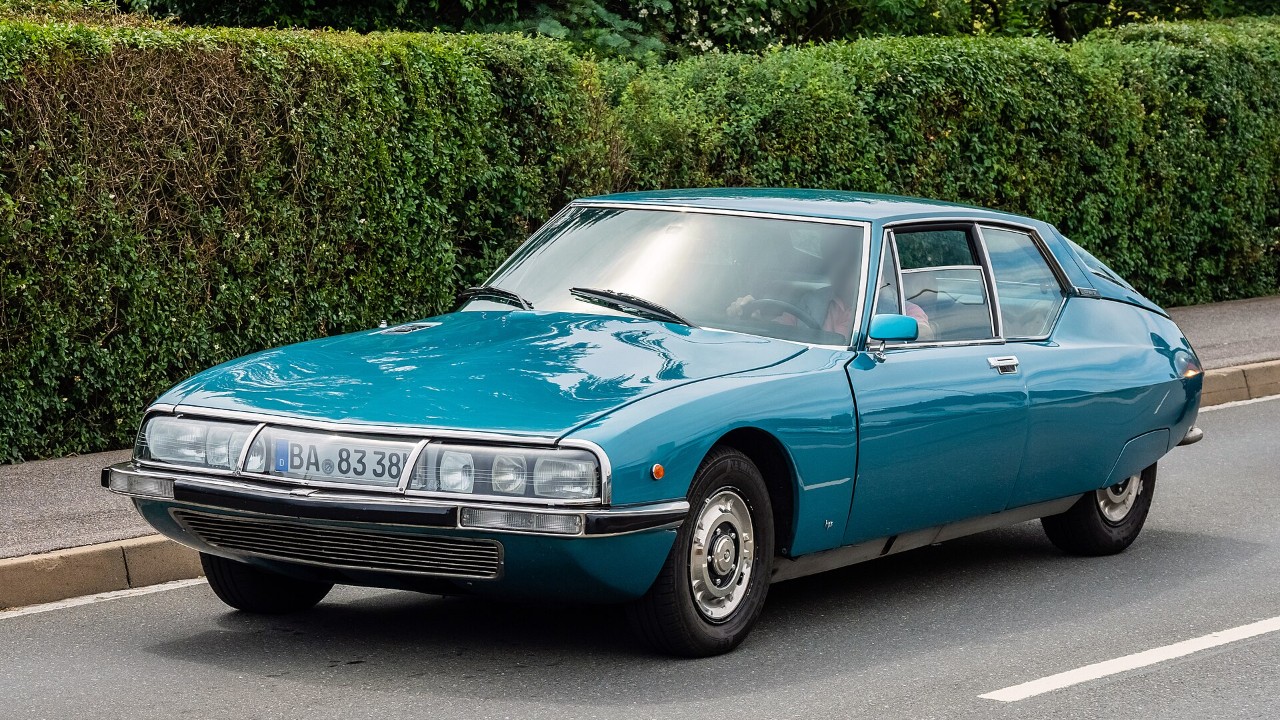
Citroën was never a big seller here, yet the French car in America has a longer story than most people think. It starts with a Los Angeles dealer in 1938 and ends with a summons to Paris in 1977. In between came the DS, a tiny 2CV and a Maserati-powered grand tourer.
Most of the details below come from Citroënët, Julian Marsh’s archive of Citroën history and U.S. sales material. Where a number comes from Citroën’s own records, we say so, because American enthusiasts dispute some of them.
1. 1938 Citroën 11CV Légère, a French car offered in America for $895

The front-drive Traction Avant reached California long before Citroën set up shop here. In fact, a local dealer did the importing, not the factory. That makes it the earliest Citroën on this list.
According to Citroënët’s history of Citroën in the USA, the Challenger Motor Co. of Los Angeles offered the 11CV Légère for $895 in 1938. It brought the cars over from Europe itself. Citroën’s own American company came later, in the 1950s.
2. 1956 Citroën DS19
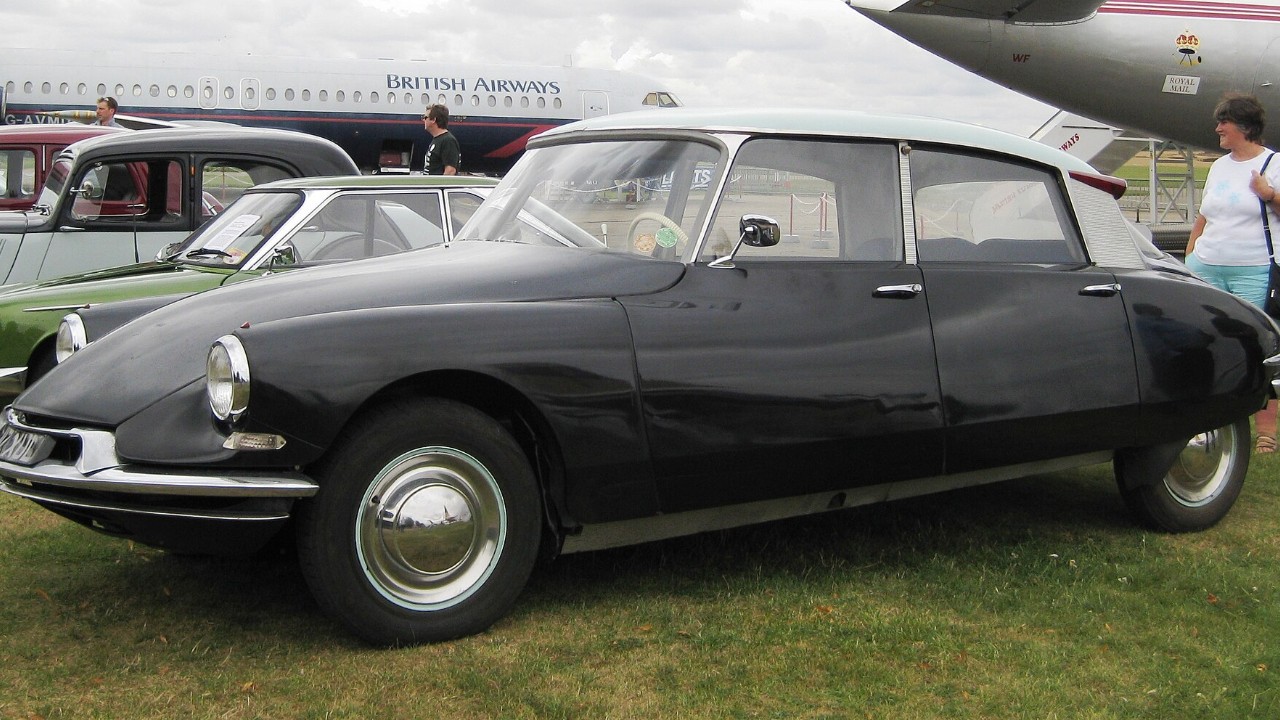
Citroën sent Charles Buchet to the United States in March 1954 to build a sales operation from nothing. He started with an office on Fifth Avenue in New York. Later, a West Coast base opened on Wilshire Boulevard in Beverly Hills.
The DS made its American debut at the 1956 New York Motor Show, as a photo caption on Citroënët’s U.S. history page records. However, the car’s growing pains were real. The same page notes that dashboards warped in the western midday sun.
3. 1957 Citroën ID19
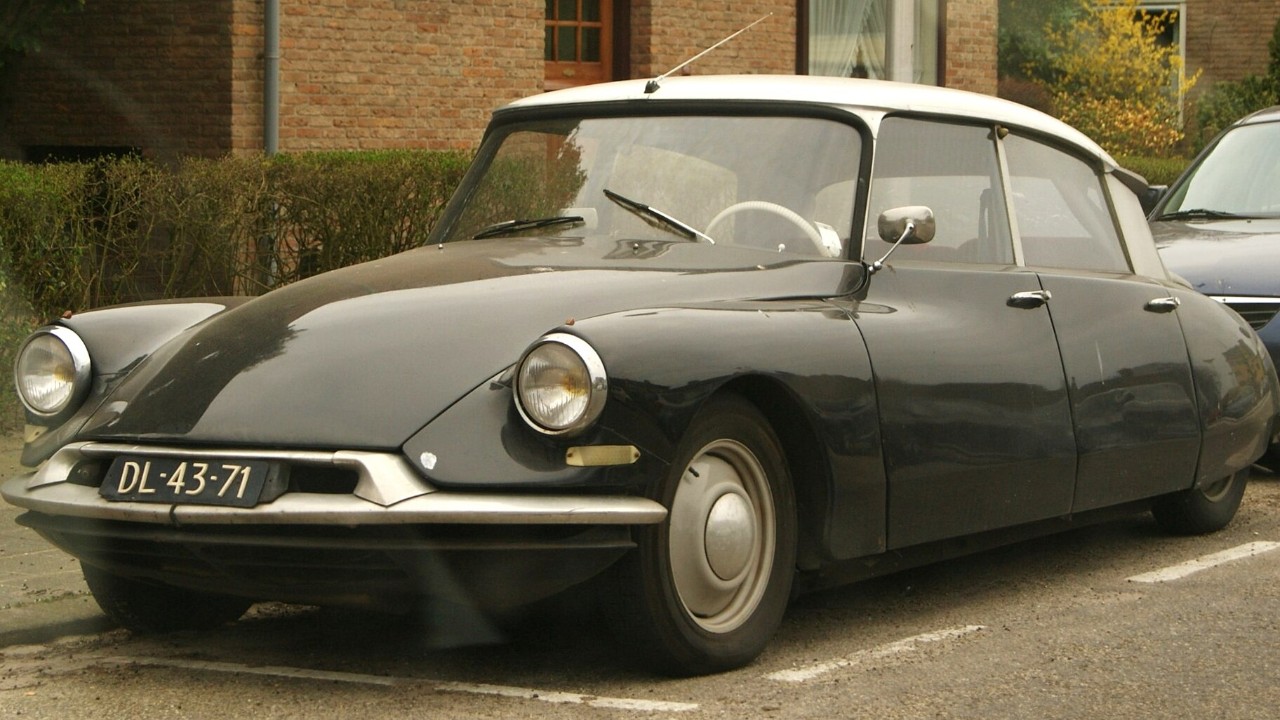
The ID was the cheaper, simpler DS. Citroën announced the ID19 at the 1956 Paris Salon. It kept the hydraulic suspension but dropped the hydraulic clutch, gearchange, power steering and power brakes.
As a result, Citroënët’s D-series history says the hydraulics now ran the suspension only. The engine was also detuned to 66 bhp from the DS’s 75 bhp. Meanwhile, Citroën’s American arm printed an ID19 brochure for 1957, filed in the archive’s U.S. section.
4. Citroën ID Station Wagon
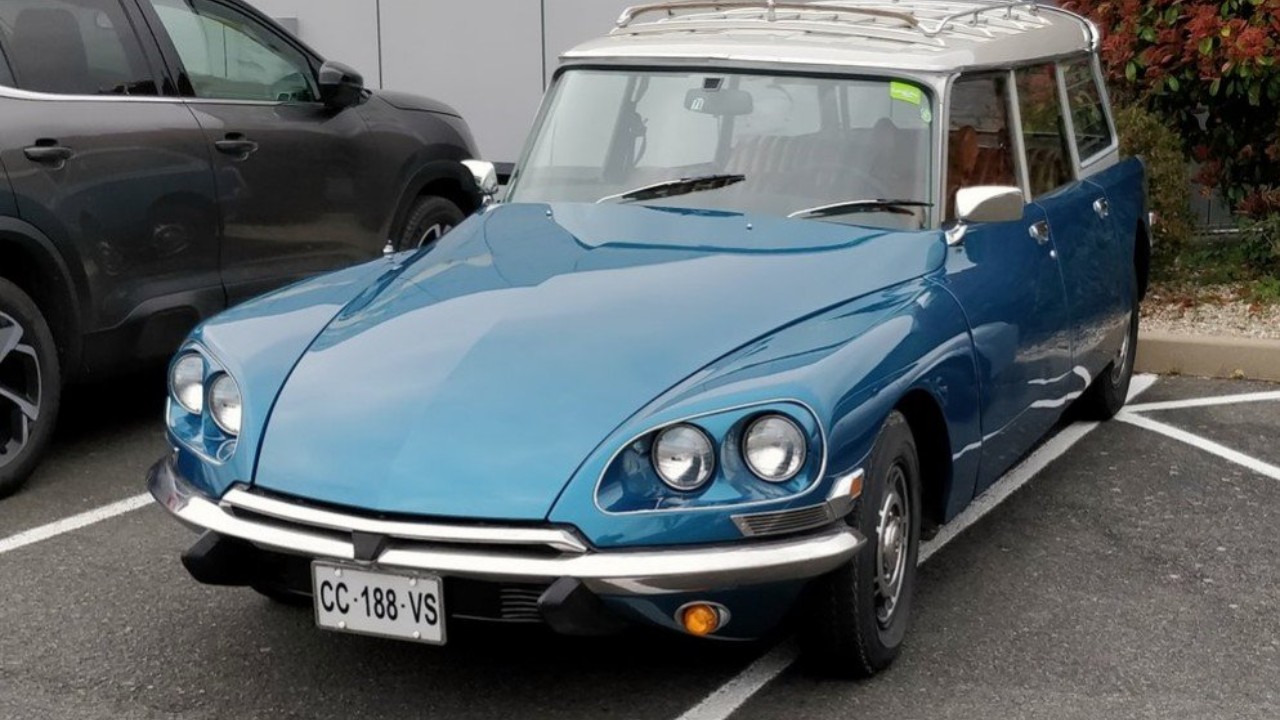
Europe knew the long-roof D as the Break. Britain called it the Safari, and Americans got it as the Station Wagon. A period photo shows one with a Citroën badge on the hood.
Citroënët’s archive holds 1958 U.S. publicity material for the Station Wagon and ID19. According to its history of the D-series estate, the extra seats folded into the floor. Better yet, the lower half of the two-part tailgate carried two plates, so the car stayed legal with the gate open.
5. Citroën 2CV
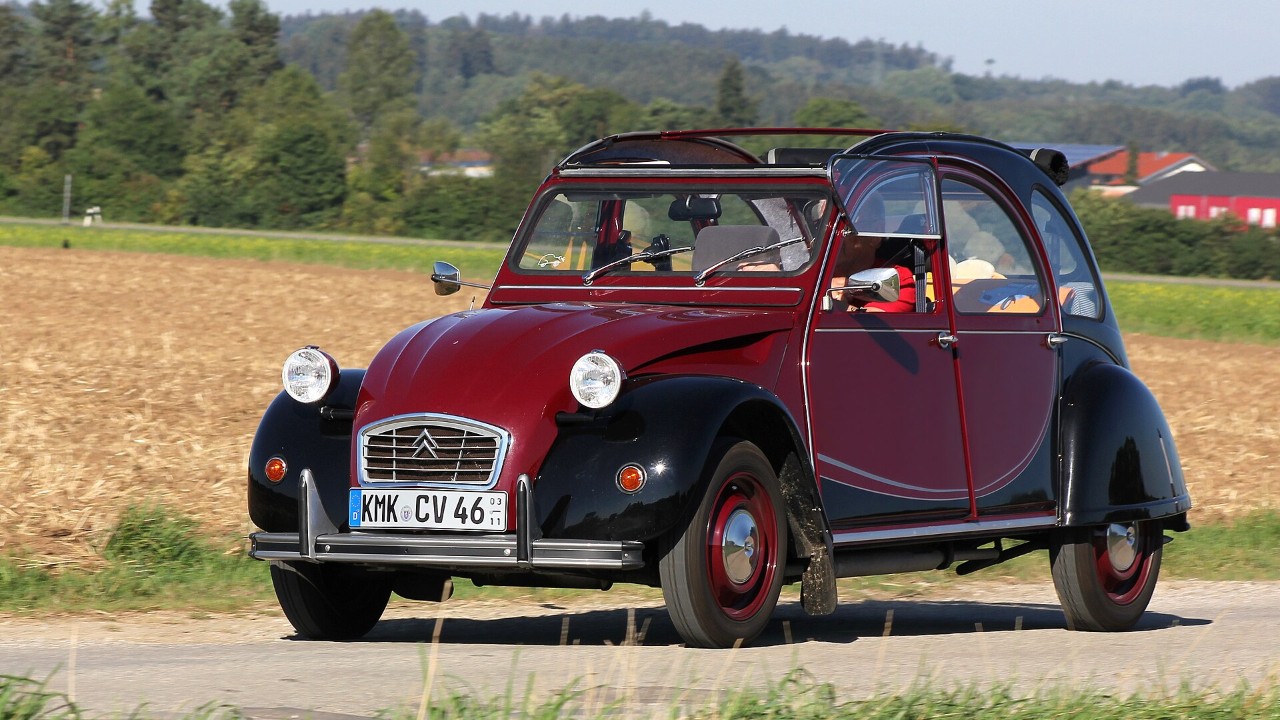
The 2CV crossed the Atlantic too. Buchet even had one sent over from France. In fact, he often swore he would have done better with the 2CV than with the DS.
Citroën France’s records list 267 2CVs sold in the U.S. from 1970 to 1976, according to Citroënët’s sales table. However, the same page warns that American enthusiasts dispute those numbers. They say the 2CV, Ami 6 and Dyane were not sold here after the 1967 model year.
6. 1963 Citroën Ami 6
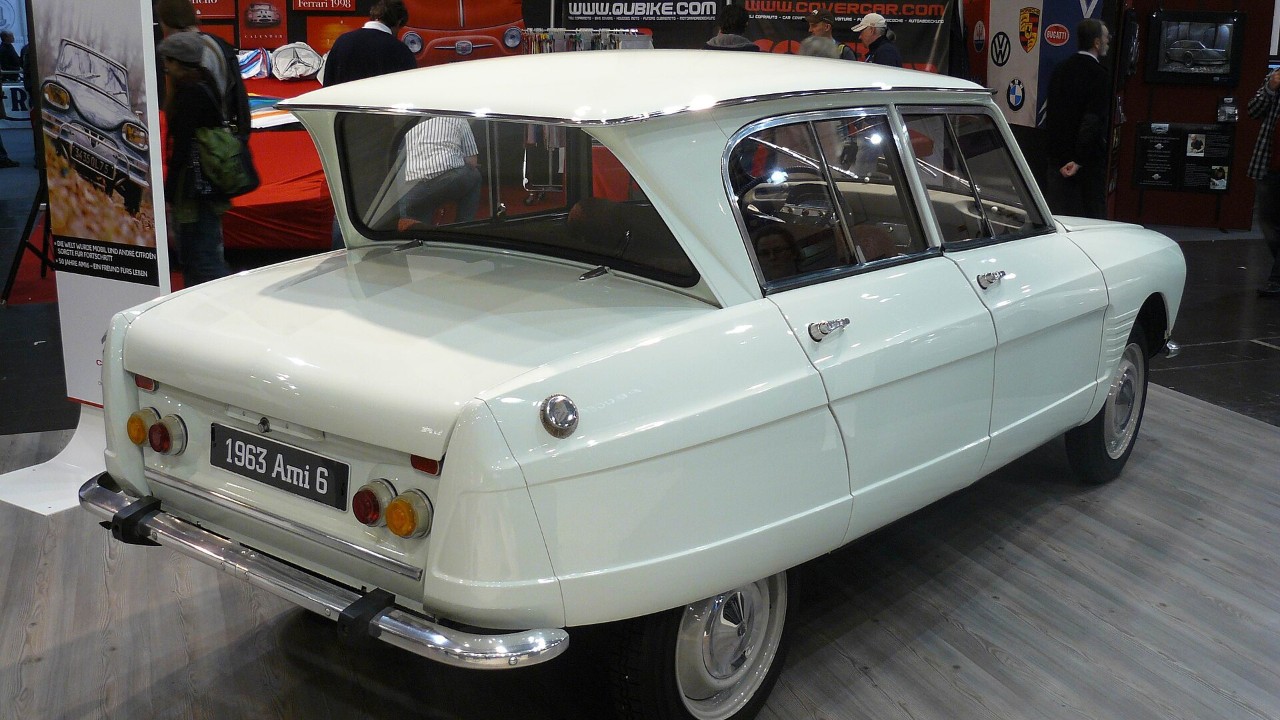
Citroën presented the U.S.-market Ami 6 in June 1963. Its ads were aimed at women, pitching the car as a second car for the household. The styling changed, too, because federal rules banned the rectangular headlights used elsewhere.
Instead, Citroënët’s Ami 6 page shows four round sealed-beam lamps up front. Full-width over-riders guarded the turn signals, and heavy nudge bars protected the rear. Only a very few Ami 6 wagons reached the United States.
7. Citroën DS21
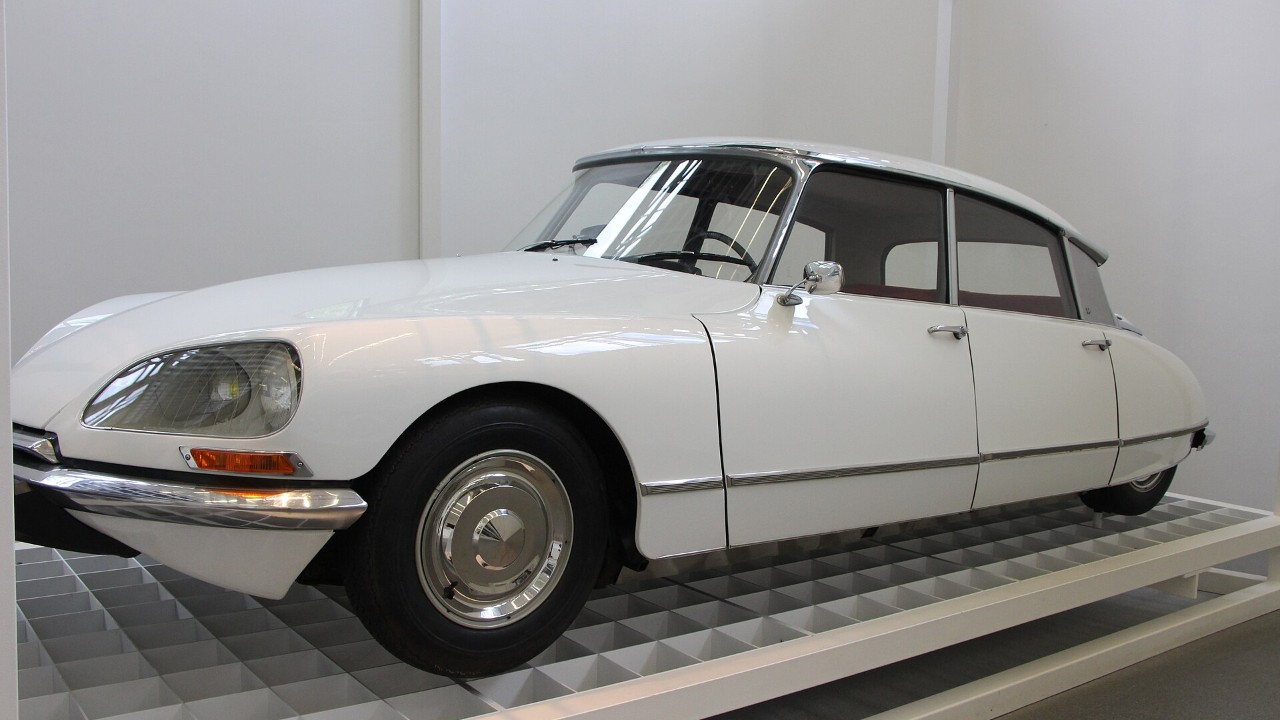
Citroën staged the DS21’s U.S. introduction at Watkins Glen, home of the U.S. Grand Prix. Former world champion Jack Brabham had finished third in the race the day before. Then he took guests around the circuit in the new car.
The Citroën Cars Corporation press release claimed the car would do 115 mph. It also said the DS21 could cruise at 25 miles per gallon. The release gives no date, so the exact year of that launch remains unconfirmed.
8. 1969 Citroën Dyane 6 and Méhari
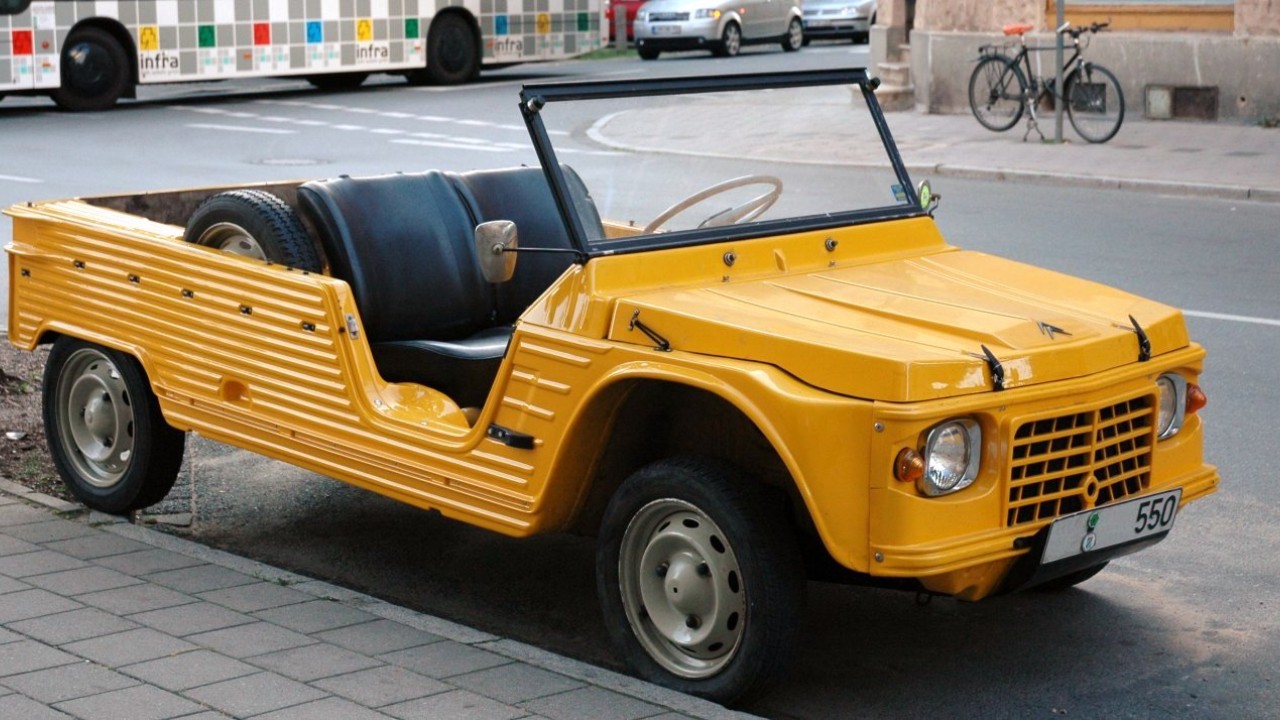
Citroën added the Méhari in the late 1960s, with limited success. For that era, Citroënët keeps a 1969 U.S. brochure for the Dyane 6 and Méhari.
Citroën France counted 473 Dyanes sold in the U.S. from 1970 to 1976. By contrast, the Méhari does not appear in that table at all. Enthusiasts flag that gap on the same page, which is why we treat the factory figures with care.
9. Citroën SM
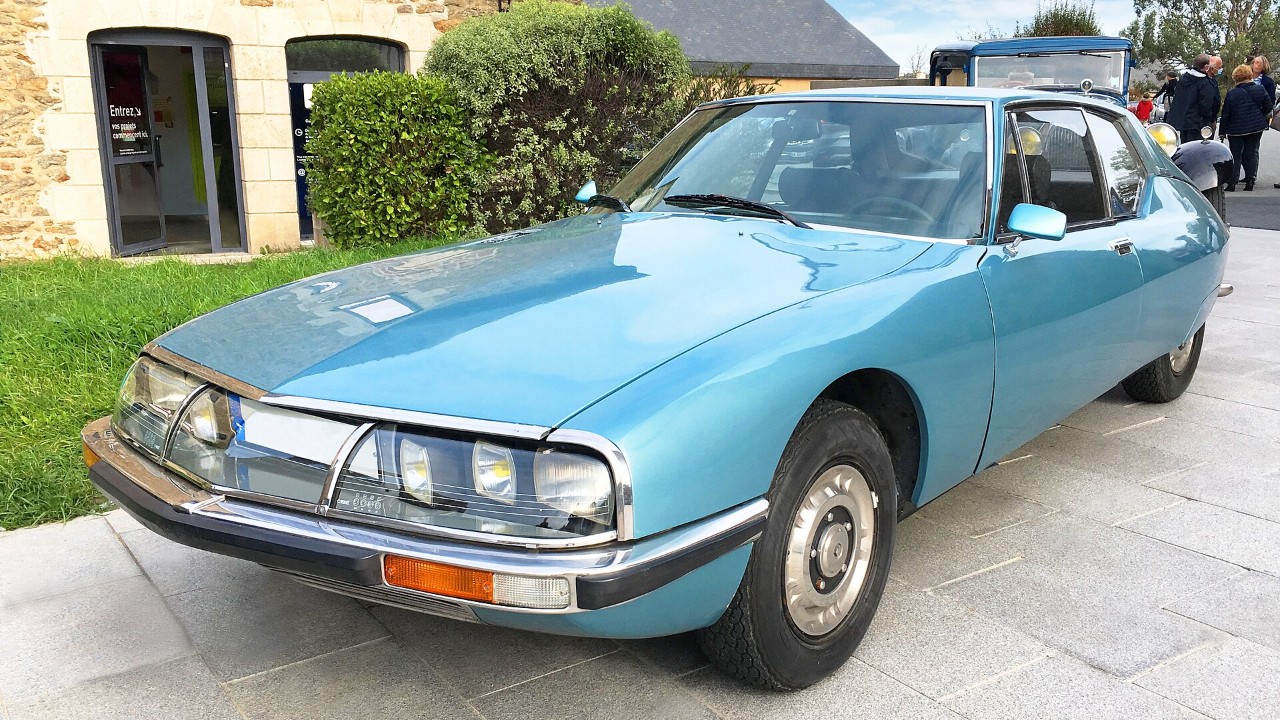
The SM brought Italian power to Citroën’s U.S. showrooms. According to a Hagerty Marketplace listing, it paired a Maserati-designed 2.7-liter aluminum DOHC V6 with a five-speed manual. Citroën built 12,920 SMs from 1969 to 1975.
Citroën France’s table credits the SM with 2,037 U.S. sales from 1970 to 1976. Federal rules also banned its steering headlamps, so American cars lost them. Finally, in late October 1977, Citroën summoned U.S. chief René France to Paris and told him to close all North American operations.
More from Fast Lane Only
- Unboxing the WWII Jeep in a Crate
- 15 rare Chevys collectors are quietly buying
- 10 underrated V8s still worth hunting down
- Police notice this before you even roll window down
This article was created with the help of AI and was reviewed and edited by Fast Lane Only editors before publication.